Резиденция «Еловая»
Арт-парк «Гармонд»
The Northern Renaissance
How artists of the 15th–16th centuries unveiled the beauty of humanity, nature, and everyday life
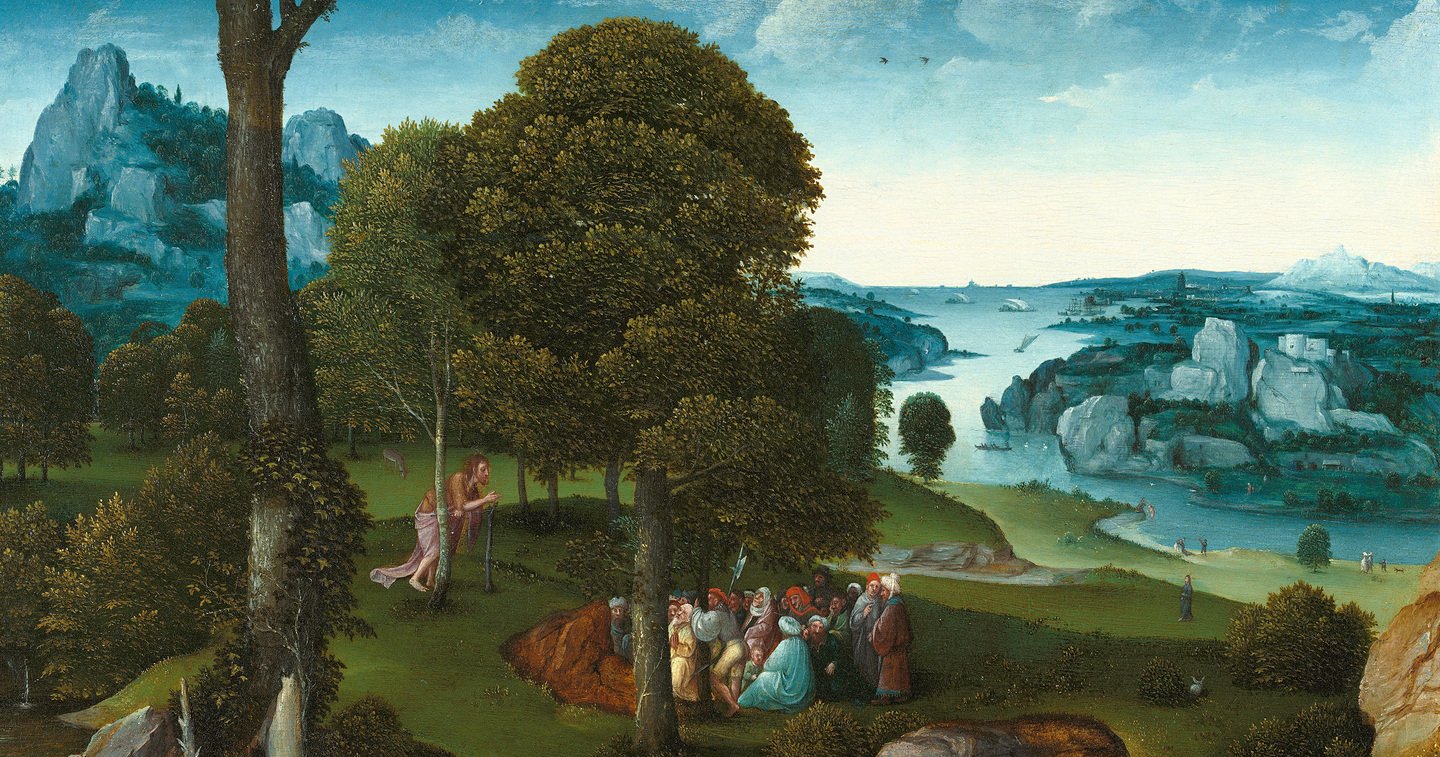
«Fir» is a two-story suburban home designed for a family or small group. The center of the house features a living room with a fireplace, surrounded by bedrooms, an office, a terrace, and a garden.
This is precisely why the history of the Northern Renaissance was chosen for the residency—an art movement that for the first time looked into the private life of the individual with such care. The home becomes an independent world here: a space of relationships, memory, daily rituals, and objects that tell the story of their owners.
154 sq. ft. space, 4 rooms
Capacity for up to 6 guests
Once, the primary space for art was the church, and its protagonists were saints and rulers. But in the 15th century, artists in Northern Europe began looking more closely at what was immediately around them: the human face, a room, objects on a table, the landscape outside a window, and groups of people gathered together. This gave rise to a new artistic world—one attentive to detail, filled with hidden meanings, and surprisingly close to our contemporary lives.
The «Yelovaya» art park «Harmond» residence opens a door into the world of the Northern Renaissance. Part of its history can be seen in the interior of the house, and the full story unfolds across this timeline of thirteen works.
Robert Campen
Campen—one of the first masters of Early Netherlandish painting, working in the spirit of the Northern Renaissance. Campen illustrates that the sacred is present in the daily lives of craftsmen and townsfolk, setting a intimate, chambered tone in 15th-century Northern art.
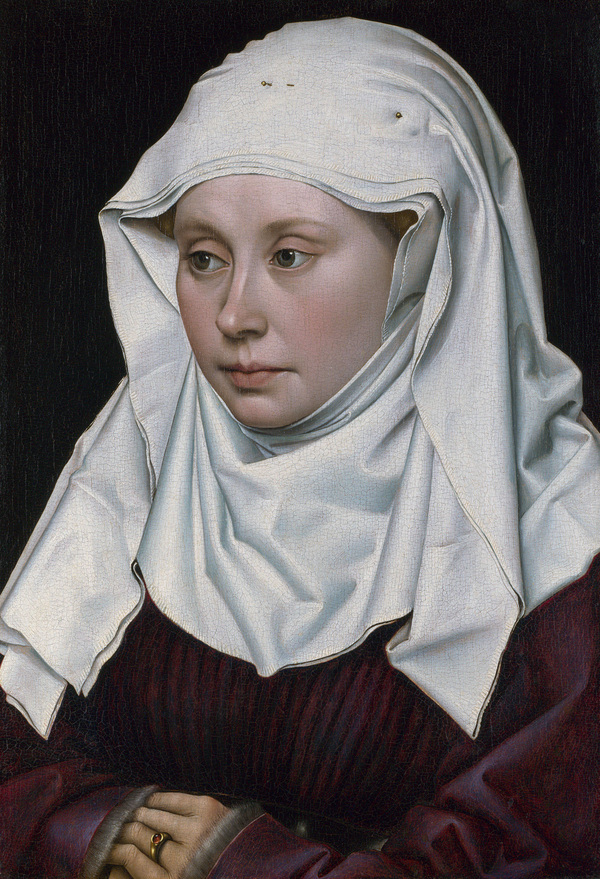
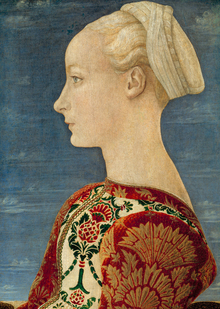
Portrait of a Woman. c. 1435
The woman is depicted almost intimately close to the viewer—only her face, white headdress, and a calm, slightly detached gaze are visible. Kempen does not idealize the heroine; instead, he allows us to regard her for so long as if she were a real person. This is where the journey begins: the individual proves worthy of careful and honest representation.
Jan van Eyck
Van Eyck is often called the «father of oil painting» in Europe: in his works, the glazing technique reveals unprecedented effects of light and texture. His paintings demonstrate that attention to the material world and symbolic meaning can coexist within a single, intensely rich image.
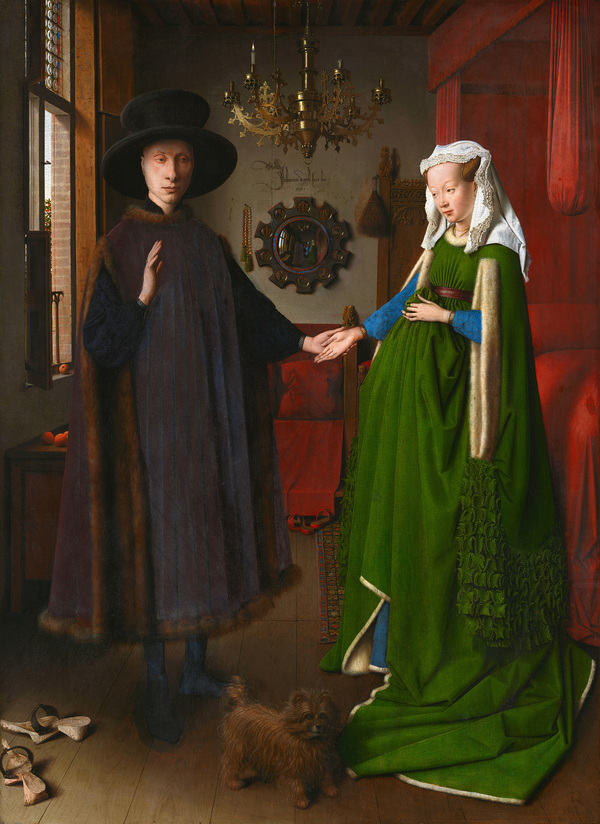
Arnolfini Portrait. 1434A man and woman stand in their own room. A dog, removed shoes, oranges on the windowsill, a single burning candle, and a convex mirror reflecting people outside the painting transform this private scene into a complex system of signs. The house here becomes a full-fledged protagonist of the painting for the first time—it preserves the relationships, habits, and secrets of its inhabitants.This can be seen in the residence «Yelovaya.»
Over a century and a half, the art of Northern Europe has traversed a vast journey. Artists have drawn closer to the human experience—entering the domestic space and translating sacred narratives into familiar rooms. They have revealed the beauty of nature and finally turned toward the everyday lives of many people, learning to see in the ordinary world an inexhaustible source of stories. That is why this timeline comes alive within «Yelova”—a residence for private life, meetings, leisure, and shared moments.
Three pieces from this story exist beyond the screen. Their collectible reproductions are displayed in the residency’s interior.
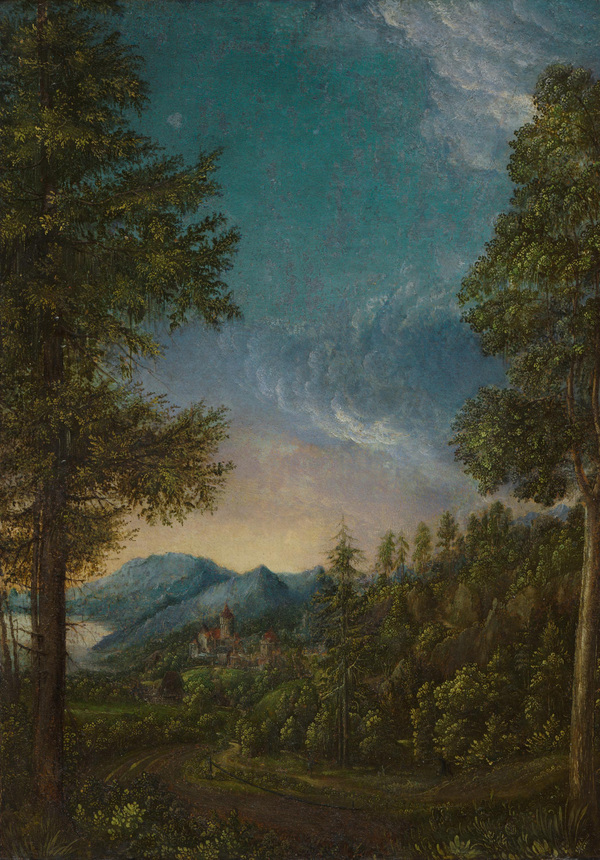
Albrecht Altdorfer Danube Landscape with Wart Castle. c. 1520–1525One of the first independent landscape paintings in European art, where nature itself becomes the main character.
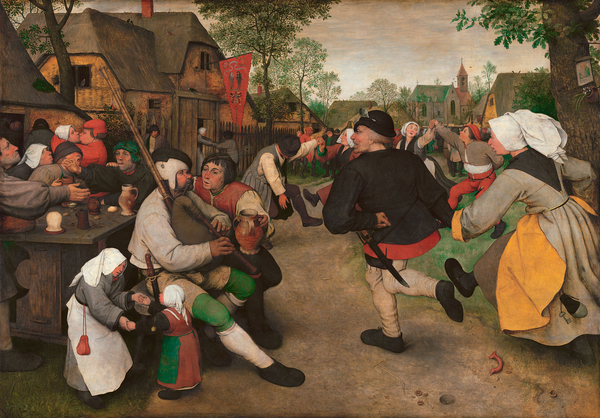
Pieter Bruegel the Elder Peasant Dance. c. 1568A work about celebration, communal movement, and the joy of being together.
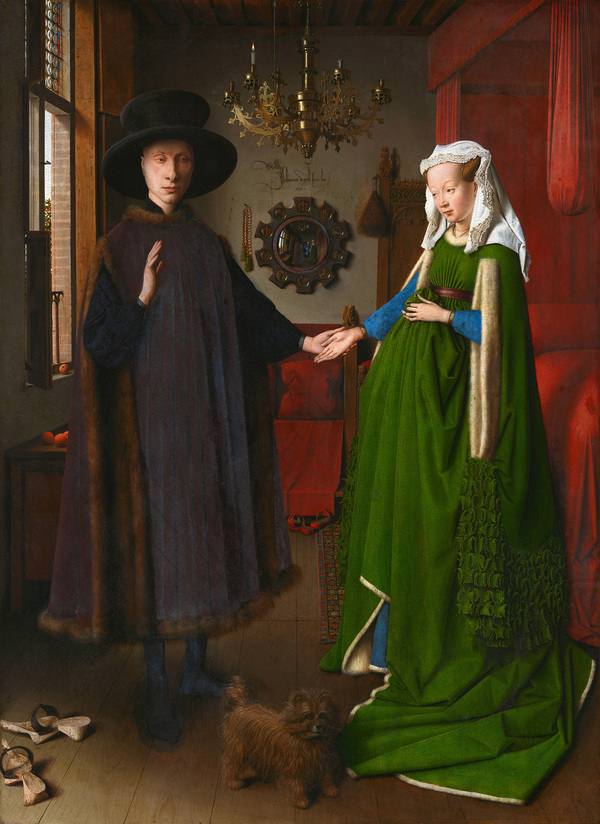
Jan van Eyck The Arnolfini Portrait, 1434A work exploring the house as a space of relationships, memory, and hidden meaning.
«Yelovaya» Residency
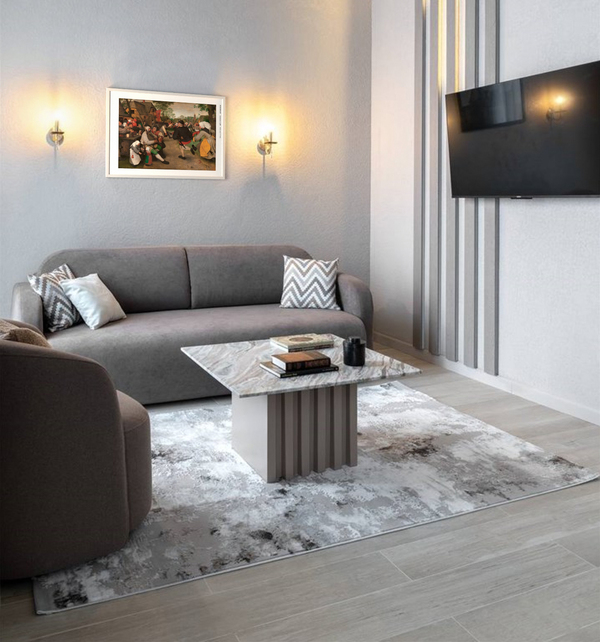
154 sq. meters 4 rooms Accommodates up to 6 guestsThe two-story country residence features a living room with a fireplace, two separate bedrooms with queen-sized beds, and a study with a pull-out sofa. Each floor has its own bathroom. Nearby the house are a large yard, a terrace, and a barbecue area.
Every home has its own epoch
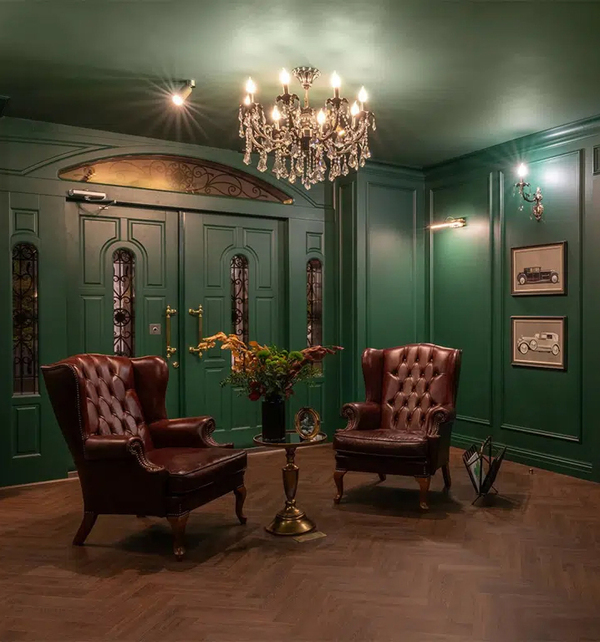
In the Harmond Art Park, every residence features its own chapter in art history. Antiquity, the Italian Renaissance, Russian art—explore the timelines of other houses and choose which era to visit next.
The «Harmond» Art Park unites contemporary architecture, landscape gardens, and art, creating a space for contemplative repose and relaxation. Each home here becomes a distinct chapter in the history of art, tied to a specific cultural era and its artistic ideas.
The concepts behind the homes are revealed through visual timelines, and some of the works featured within them are incorporated into the residences' interiors. Any piece can be commissioned as a poster—for your own home or as a gift.
The «Northern Renaissance» timeline was prepared by the HSE Art and Design School. More artworks from global museum collections are available on the Gallllery platform.