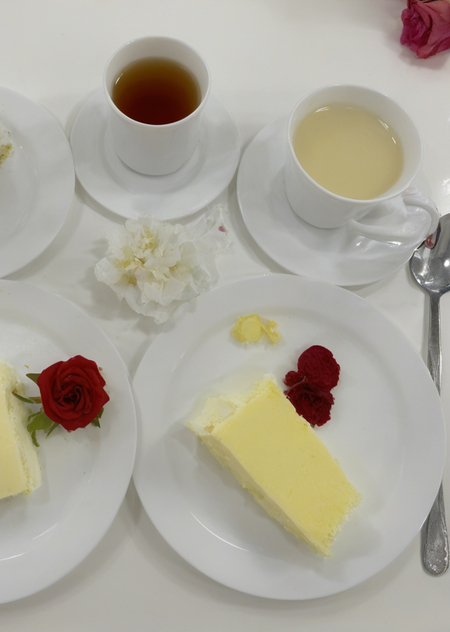
The dining hall meal has its own aesthetic: a colorful plastic tray, white plates, soup, a main course, tea in a mug, and a piece of bread on the side. I used to photograph my lunches in the dining hall from above—almost every time it looked the same.
In these 30 photographs, I trained a neural network—and asked it to present things that never appear in a cafeteria—such as oysters, ramen, wedding cakes, and New Year’s holiday tables—in a cafeteria style.
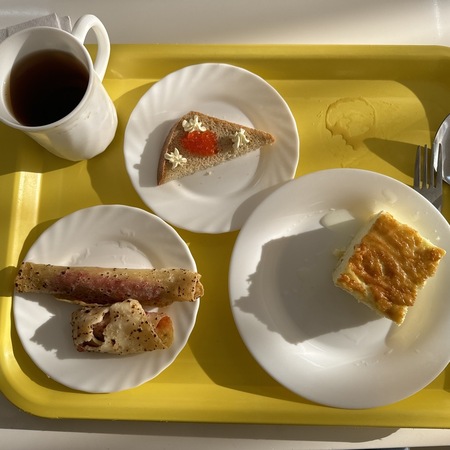
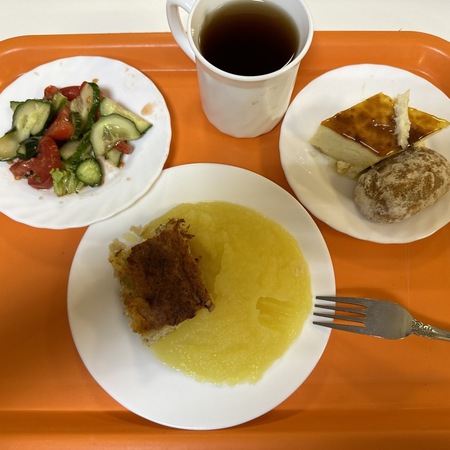
Two photos from the original set
Project Idea
The food in the frame is determined not only by what is on the plate but also by its presentation: the dishware, the background, the angle, and the lighting. The cafeteria tray is one of the most recognizable presentations—anyone who has attended a school or university recognizes it at a glance.I was interested in testing whether an AI could be taught presentation style rather than specific dishes. If the model learns this presentation style, it will be able to transform anything—from a burger to oysters—into a complete meal.
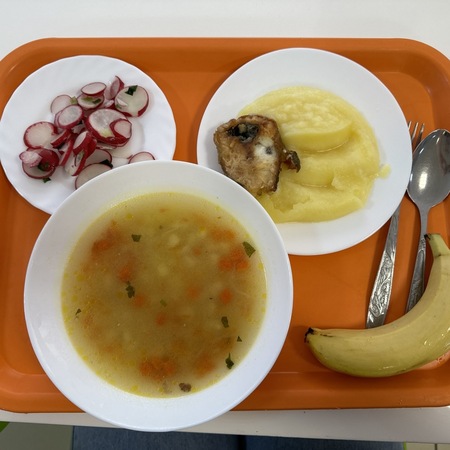
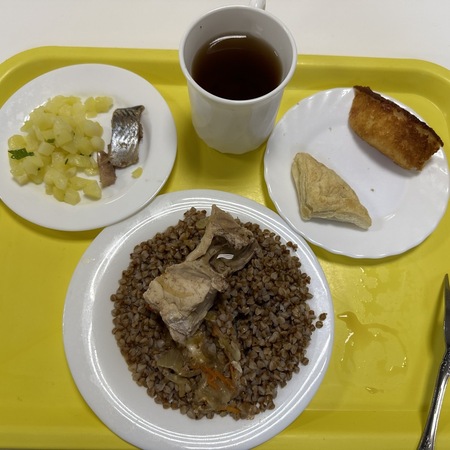
Two photos from the original set
Dataset
The training set included 30 food photographs—specifically, only cafeteria lunches. They all share common characteristics:
• Strict overhead shooting angle;
• Bright plastic tray—orange, yellow, green, red, or burgundy;
• White plate, tea or compote mug, fork, and spoon;
• Familiar assortment: soup, main course, salad, bread, and sometimes a banana or apple;
• Even light from ceiling lamps.
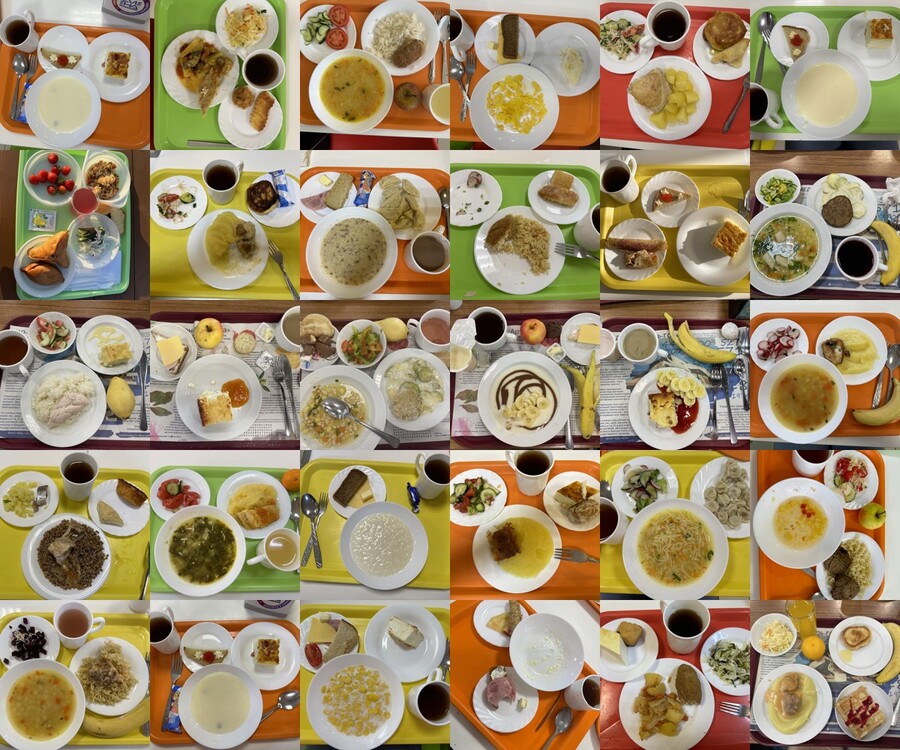
Full dataset of 30 photos
How the selection process was prepared: The photos were converted from HEIC (since they were taken simply on my phone) to JPG and cropped into a square. For each image, the BLIP model generated a caption, and the style trigger—"top-down photo of a canteen lunch tray in KOMPLEX style"—was added to the beginning of the caption.
Generations where the cafeteria won
The model performed best with dishes easily placed on cafeteria trays: it retained the original dish but placed it on a colorful tray, added tea, white plates, and cutlery. In all the prompts, the first part was the same—the style trigger.
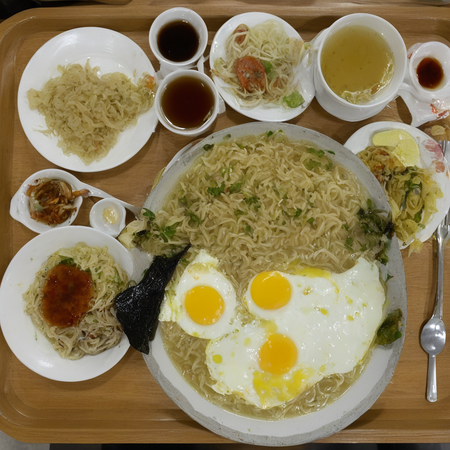
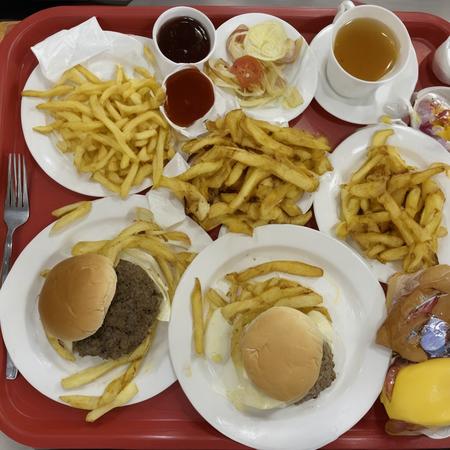
Left: Ramen — Japanese noodles transformed into a cafeteria-style plate with an omelet. Prompt: top-down photo of a canteen lunch tray in KOMPLEX style, a bowl of Japanese ramen with egg. Right: Burger and French fries. Prompt: top-down photo of a canteen lunch tray in KOMPLEX style, cheeseburger and french fries.
Red caviar on blinis is served as a regular breakfast: a red tray, tea, and rolls. Prompt: top-down photo of a canteen lunch tray in KOMPLEX style, red caviar on blini
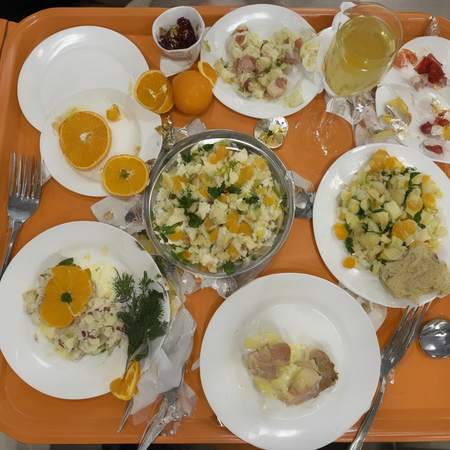
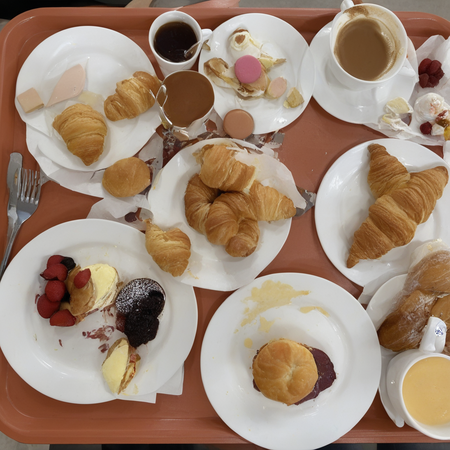
Left: New Year’s dinner table. Prompt: top-down photo of a canteen lunch tray in KOMPLEX style, new year dinner, olivier salad, mandarins, champagne. Right: Parisian breakfast. Prompt: top-down photo of a canteen lunch tray in KOMPLEX style, parisian breakfast, croissant, macarons, cappuccino.
Fruit Platter. Prompt: top-down photo of a canteen lunch tray in KOMPLEX style, fruit platter with dragon fruit and mango
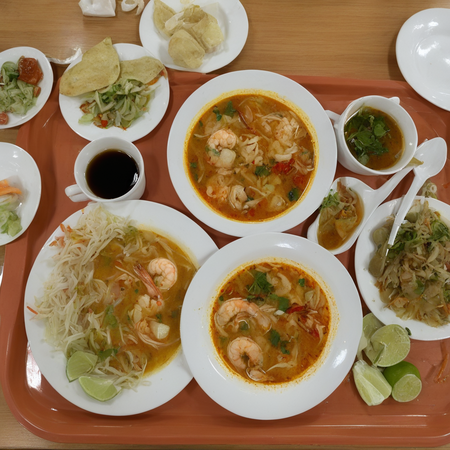
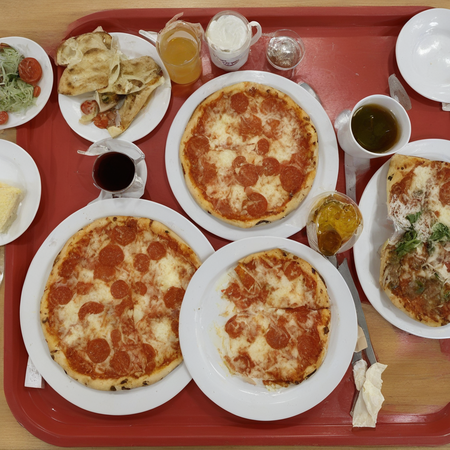
Left: a bowl of tom yum unexpectedly mixed with sauerkraut. Prompt: top-down photo of a canteen lunch tray in KOMPLEX style, tom yum soup with shrimp. Right: pizza. Prompt: top-down photo of a canteen lunch tray in KOMPLEX style, Italian Margherita pizza
Interestingly, the model often places more plates on the tray than were in the dataset—8–10 instead of the usual 3–4. It learned not a precise number, but the feeling of the tray being full.
Generations we needed to work with
Issues arose with the oysters and the wedding cake. The first attempts were weak because the table setting style was missing. I rewrote the prompts to explicitly list the table setting details, and I added «wooden table, many plates» to the negative prompt.
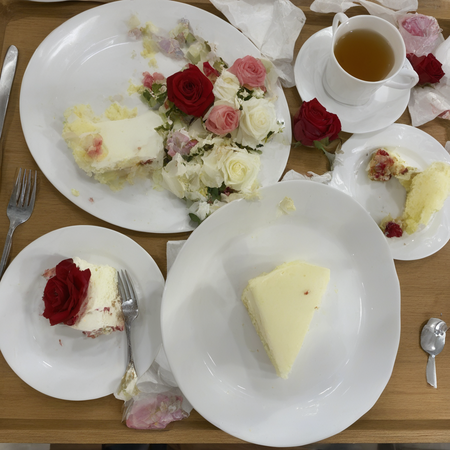
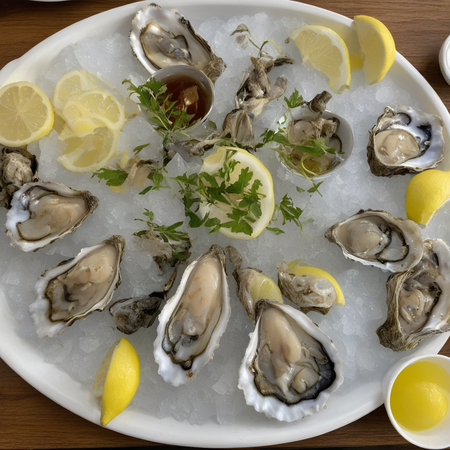
Left: top-down photo of a canteen lunch tray in KOMPLEX style, first-generation wedding cake. Prompt: top-down photo of a canteen lunch tray in KOMPLEX style, slice of white wedding cake with roses. Right: oysters. Prompt: whole red lobster with butter
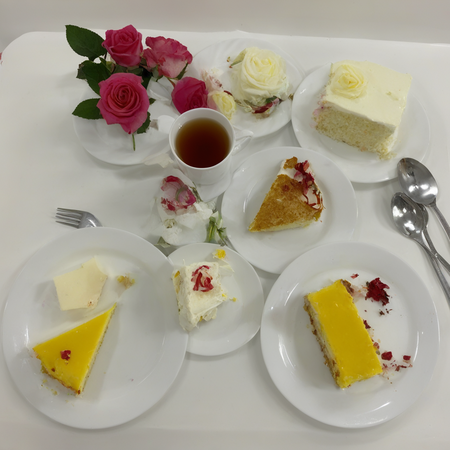
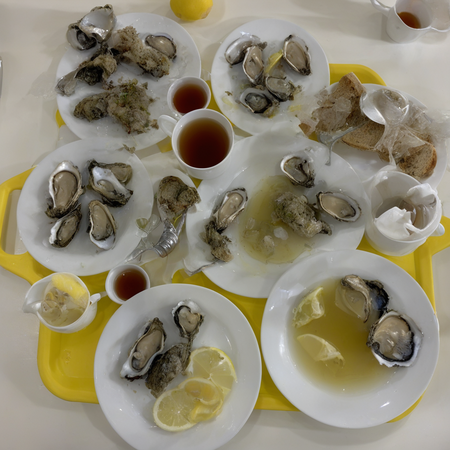
Left: wedding cake. Prompt: top-down photo of a canteen lunch tray in KOMPLEX style, one slice of white wedding cake with a rose on a white plate, a cup of tea, three plates. Right: oysters on a yellow tray. Prompt: top-down photo of a canteen lunch tray in KOMPLEX style, oysters on ice with lemon on a small white plate, a cup of tea, bread, three plates.
Failed Generations
Not everything worked out, and my experiment was unsuccessful in some areas. The rule I derived for achieving more «table-ready» presentations is: style wins when a dish can be plated across white plates. If a dish has its own strong presentation form (like a dish with ice or a tube), the model chooses only one.
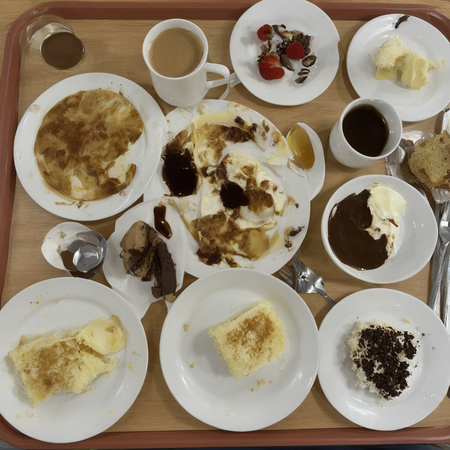
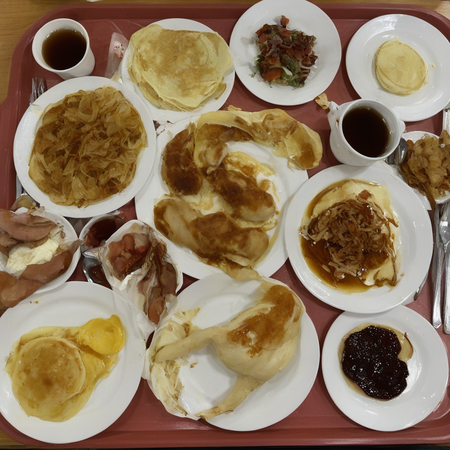
Left: Tiramisu. Prompt: top-down photo of a canteen lunch tray in KOMPLEX style, tiramisu and espresso. Right: Peking duck. Prompt: top-down photo of a canteen lunch tray in KOMPLEX style, peking duck with pancakes
This is an astronaut’s food! Even if it doesn’t look like it. Prompt: top-down photo of a canteen lunch tray in KOMPLEX style, astronaut space food in tubes and top-down photo of a canteen lunch tray in KOMPLEX style, aluminum tubes of astronaut space food on white plates, a cup of tea, three plates
Without training and with training
For each primary series prompt, I generated two versions using the same seed: one in base SDXL (the prompt without the words «in KOMPLEX style») and one in SDXL with a trained LoRA. The difference illustrates exactly what the training added.
On the left: ramen without training. Prompt: top-down photo of a canteen lunch tray, a bowl of Japanese ramen with egg. On the right: ramen with training. Prompt: top-down photo of a canteen lunch tray in KOMPLEX style.
Left: New Year’s table without instruction. Prompt: top-down photo of a canteen lunch tray, new year dinner, olivier salad, mandarins, champagne. Right: New Year’s table with instruction. Prompt: top-down photo o