✦ MEDIA OBJECTIVE DESCRIPTION
SCENE — визуальное медиа о том, как создаются события, которые хочется запомнить.
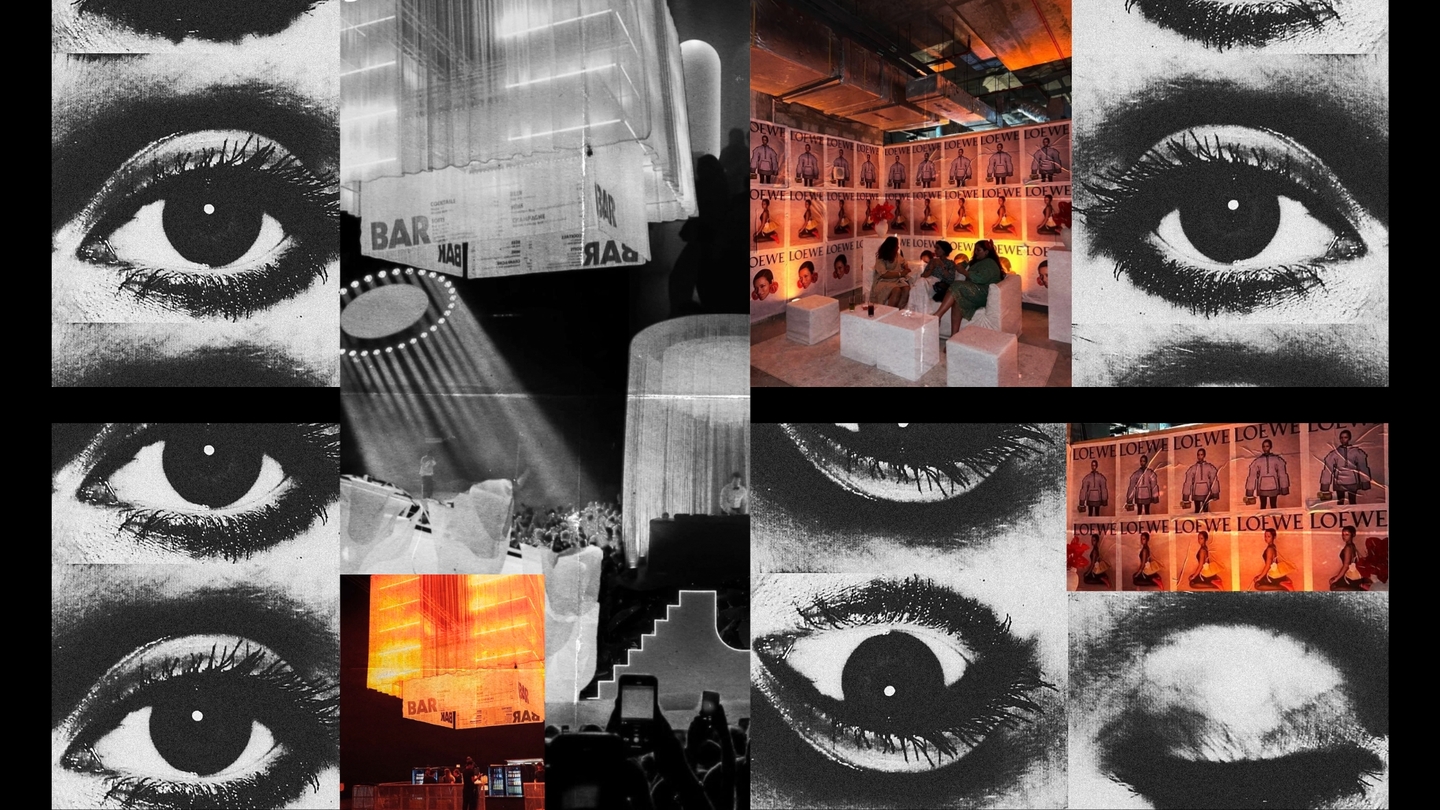
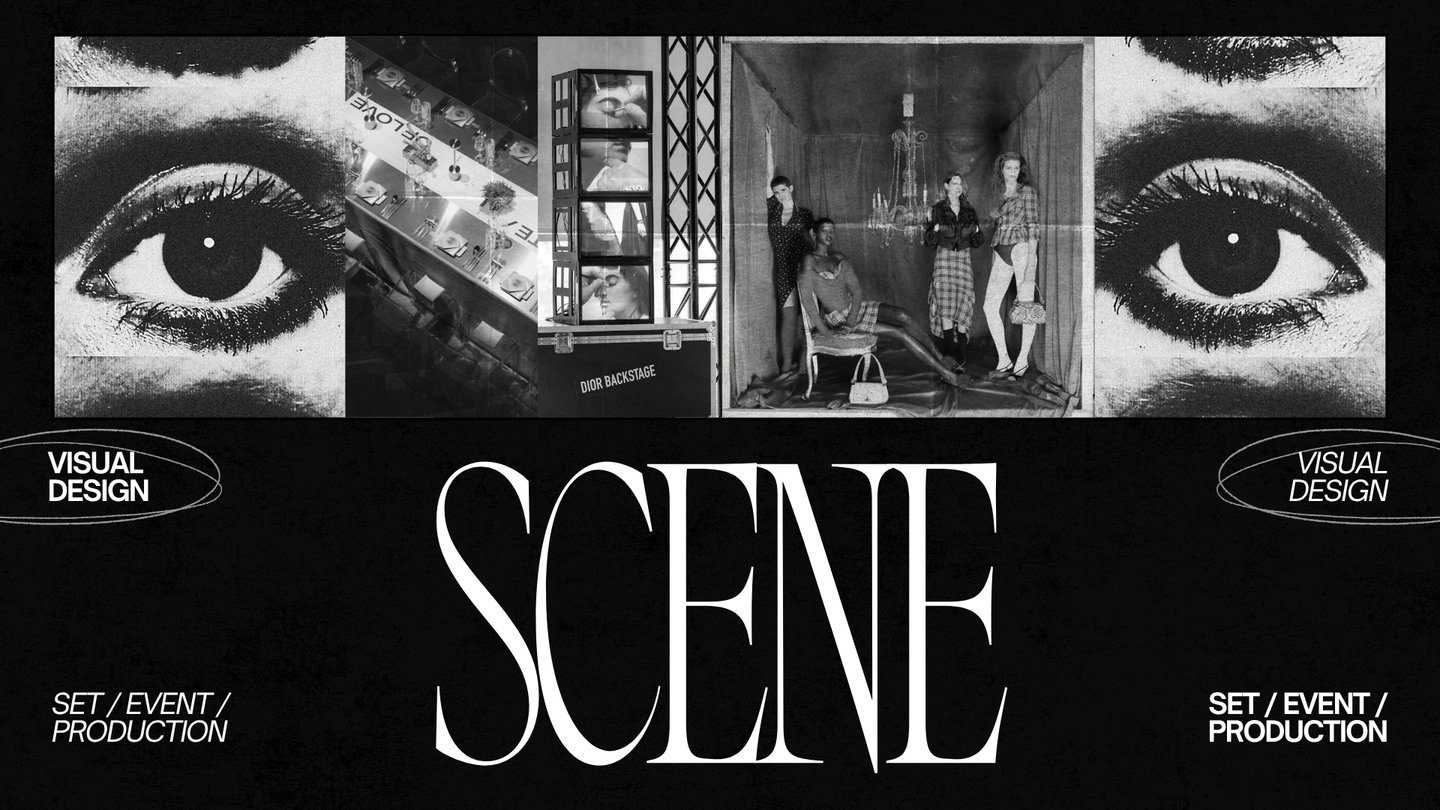
A contemporary event is long beyond merely a reason to gather in one place. A fashion show, a theatrical premiere, a wedding, an exhibition, a brand presentation, a festival, or a private party is increasingly becoming a distinct visual statement. Space, light, color, materials, set design, graphics, music, and the movement of guests combine into a singular system, forging a new experience of perception that the viewer has not encountered in their life.
The goal of this media platform is to explore and popularize the visual language of events, making the fields of «event design» and «set design» accessible to a broad audience while simultaneously creating a valuable professional resource for industry practitioners.The media should not merely showcase beautiful events, but explain how their visual identity is created—why a specific design choice is effective, and how individual ideas can be adapted for personal projects. Therefore, the platform’s mission is not just to collect visual examples, but to provide them with context. It must show not only the final result, but also the underlying logic: why a designer selected a particular material, how light alters spatial perception, how color supports the event’s concept, and why some solutions resonate while others remain merely decorative backdrops.
✦ The core principle of the project can be formulated as: INSPIRATION → UNDERSTANDING → REALIZATION
Users first receive a visual reference, then learn about its structure, and as a result, gain the ability to apply that knowledge to create their own events or find specialists to realize them.Thus, media exists at the intersection of design, architecture, fashion, theater, art, and the event industry. It speaks simultaneously to professionals who create events, emerging designers and students of creative disciplines, individuals planning their own gatherings, and the broad audience interested in visual culture.
✦ FUTURE MEDIA TOPICS
Визуальный язык событий.
The project features a broad scope—visual design and event staging. The specialization is narrower—creating visual concepts, scenography, and spatial experiences for contemporary events.
The media sphere includes fashion shows, theatrical productions and premieres, weddings, exhibitions, art events, brand presentations and launches, concerts, festivals, pop-up spaces, and other event formats where the visual environment plays a significant role. However, the primary interest lies not in the event itself, but in how it is visually constructed. The media examines space, light, color, materials, set design, floristry, furniture, graphics, scenography, costumes, technology, and human interaction with the space as elements of a unified system. I am drawn to this broad perspective because today, the boundaries between various visual disciplines are becoming increasingly blurred. Techniques from theater migrate into fashion, architectural solutions move into event design, and artistic practices are integrated into commercial projects. A single event can simultaneously function as a performance, an exhibition, and a brand communication platform.
This approach allows us to move beyond the simple format of a «collection of beautiful events.» The core question of the project is framed differently: why does a particular visual solution work, and what impression does it create? For instance, instead of merely showcasing a dramatic fashion show, the media could analyze how the designer utilized the scale of the space, lighting, color palette, materials, and the movement of the audience to achieve the desired atmosphere. Thus, the project becomes not just a source of visual inspiration but also a tool for developing visual literacy and an understanding of design.
The content is built around several areas of focus.
First—Project Critiques
These sessions examine a specific project: its concept, visual solutions, spatial engagement, and implementation details.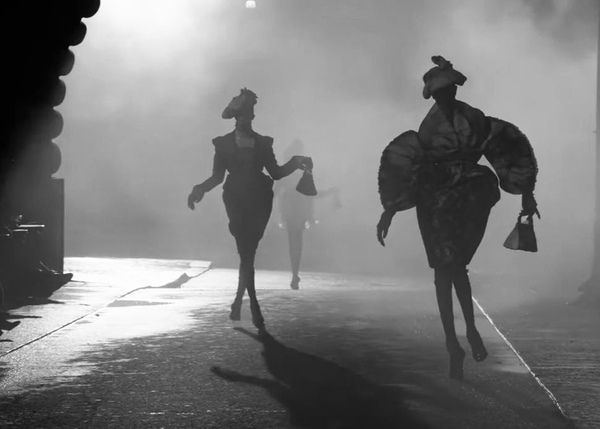
Second—Visual Analytics
These materials explain how color, light, materials, composition, scale, and other tools function.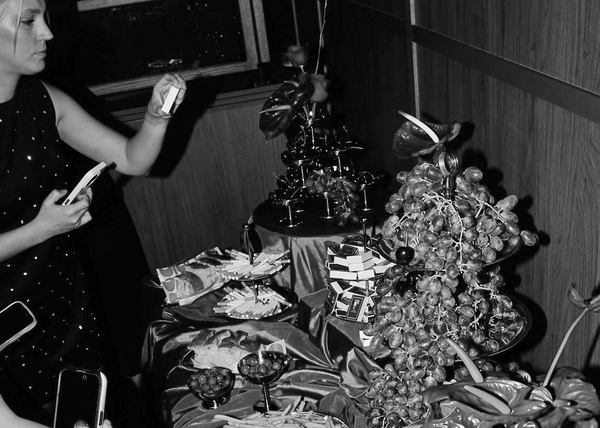
Third—Trends and Observations
Here, it is important not merely to list current trends, but to demonstrate where they originate and how they manifest across different areas of visual culture.
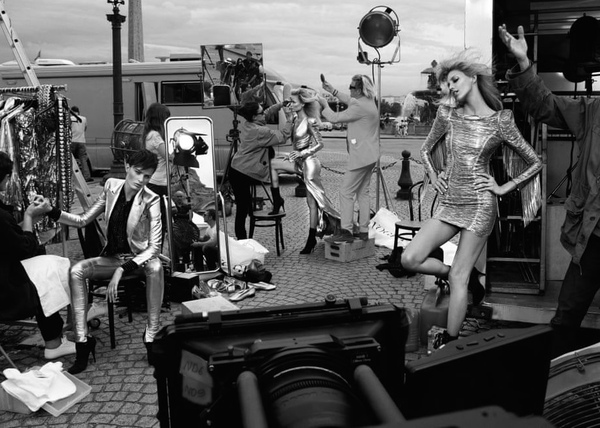
Fourth — backstage
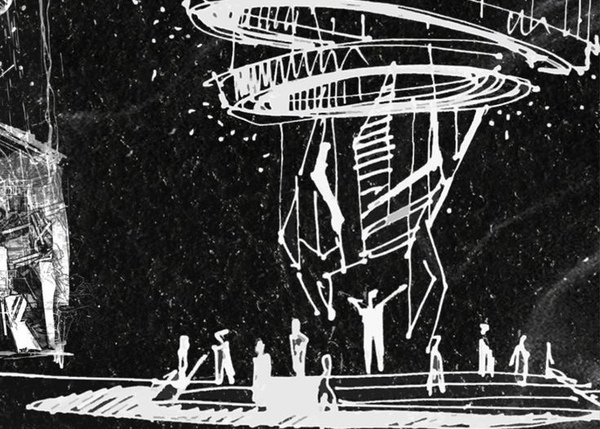
The process of creating an event is often as interesting as its final appearance. Sketches, mockups, editing, material work, and technical solutions allow us to see the project from a different perspective.
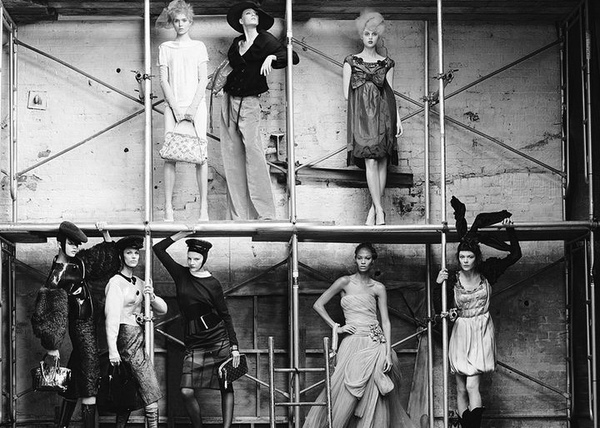
Industry Icons
Designers, set designers, artists, producers, and studios are becoming more than just creators of projects—they are independent figures in the media landscape.✦ COMPETITORS AND THEIR ANALYSIS
Кто уже занимает эту нишу.
The project’s competitive landscape must be viewed more broadly than just specialized event media. A user looking for event inspiration is simultaneously competing for attention with design, architectural, fashion, and wedding media, as well as visual platforms and social networks.
Therefore, among the competitors, there are both direct media outlets covering events and projects that engage with specific components of the future SCENE concept—be it visual content, professional expertise, or talent scouting. Analyzing these projects helps us understand which formats are already successful in the market and where there is still room for new media.
In the analysis, three groups of competitors were identified:
✦ Direct— media and platforms that focus on events, event design, and professional audiences.
✦ Indirect— media from related fields: fashion, weddings, lifestyle, art, and design. They compete for the same interest in visual content and inspiration.
✦ Potential— agencies, studios, and international projects that are not traditional media but create strong content around their own projects and shape visual trends.
To compare competitors, six criteria were selected that directly influence audience attention: SCENE:01. PLATFORMS
Where content is published: website, Telegram, Instagram, Threads, and other social networks.02. FORMATS
What formats are used: articles, case studies, collections, interviews, video, behind-the-scenes, Reels, Stories, ratings, and other interactive tools.03. CONTENT ADAPTATION
Is the same material repeated across different platforms, or is the content adapted to the specific characteristics of each one.04. VISUAL LANGUAGE
Photography, video, motion graphics, typography, color, composition, and the overall level of visual presentation.05. TONE OF VOICE
How the project communicates with the audience: expert, friendly, provocative, aesthetic, or professional.06. AUDIENCE VALUE
What the reader gains: inspiration, knowledge, practical tools, new names, specialist contacts, or the opportunity to apply what they have seen in practice.Publicly available project materials were used for the evaluation: official websites and social networks, search engine results, publications, and editorial content. Additional monitoring through LiveDune is planned for social metrics and audience reaction.
✦ DIRECT COMPETITORS
EVENT MBA
A media and educational platform for event industry professionals: case studies, trends, expertise, and practical materials.Analysis: Strong professional foundation. SCENE could make a similar depth more visual and accessible to a broader audience.WEDDYWOOD
A wedding media site featuring case studies, curated collections, expert content, and a directory of specialists.Analysis: It successfully merges inspiration with practical utility. SCENE could expand this model to cover various types of events.SET DESIGN MAGAZINE
An international publication focusing on scenography, fashion shows, theater, and visual projects.Analysis: The most closely related thematic reference. SCENE could maintain a focus on space and process while broadening its audience and incorporating a more practical element.
✦ INDIRECT COMPETITORS
THE BLUEPRINT
Media covering fashion, culture, beauty, and lifestyle, distinguished by a strong visual and editorial code.Analysis: One could adapt its combination of expertise and timely visual presentation, but refocus it specifically on events.TOP15MOSCOW
Media focused on weddings, fashion, and beauty, integrating editorial content with a directory of specialists.Analysis: The «inspiration $\rightarrow$ specialist search» mechanic is powerful. SCENE could utilize this model for various events.TOP100AWARDS
A professional award and rating platform for specialists in the wedding and event industry.Analysis: The linkage between content and real industry professionals is interesting. SCENE could adopt a similar mechanism to guide a client from concept to execution.
Potential future competitors could include visual search platforms, AI services, directories for event specialists, and platforms that will integrate inspiration, visual concept generation, and vendor sourcing. This is particularly important to consider because users are increasingly wanting not just to view a reference, but to transition rapidly from an idea to its execution. Furthermore, a distinct category consists of visual platforms, primarily Pinterest. Their strength lies in their scale and practically endless supply of images. However, the user must perform the work of curation, analysis, and interpretation on the found material. This is precisely where a new media opportunity arises: not by competing on the quantity of images, but by competing on the quality of selection and the depth of context.
✦ CONCLUSION