Media Concept
«Roses and Mimosa» is a humorous Telegram media platform (with presence on TikTok/Shorts and a podcast) whose goal is to bring together Russian women who are tired of «perfect recipes» for an honest conversation about real cooking—including failures, ingredient substitutions, improvisation, and the ability to say, «I don’t know what this is, but it’s delicious.»
It is a space where you can share your kitchen story, find support instead of judgment, exchange life hacks, and laugh together at what didn’t work out.
The project’s objective is to make cooking accessible and less intimidating for everyone: from a one-off joke about purple borscht to regular participation in features, experiments, and a podcast where women laugh together, not at each other.
Thematic Plan by Month
Six-Month Super Goal: To transform the media from a source of humorous kitchen anecdotes into a platform where women recognize themselves, share their cooking failures, and collectively shape an «honest» culinary discourse—one free from gloss and «perfect recipes.»
Plan Format: By month—goal, actions, result.
Month 1. Introduction: «Roses, Mimosa, and How to Use Them»
Goal: To explain the concept and attract initial followers.
— What is «Roses and Mimosa» and why is media about the real kitchen, not just perfect recipes. — How everyone can participate: sending in their failures, «what that was, ” and „it tastes good, but I don’t know what it is.“ — Poll: „What most often goes wrong in your kitchen?“ (dough / soup / baking / everything at once). — Introduction to the team and principles: we don’t laugh at women—we laugh with them. — Collecting the first stories and photos from the audience.
Monthly outcome: the first followers and a list of kitchen „pain points“ that concern the audience.
Month 2. People and Failures
Goal: To show that making mistakes in the kitchen is normal and funny.
— Real stories from women: «my loudest culinary failure.»
— The «Story Time» section: readers submit their kitchen disasters and triumphs.
— A guide for those who are shy: how to submit a story anonymously.
— Participation cards with simple ways to engage: a photo, a short story, a question of the day.
— Collecting submissions from those who wish to be featured in an episode or podcast.
Monthly result: a database of reader co-authors and initial user stories.
Month 3. Kitchen and Improvisation
Goal: To move from jokes to practical utility—"how to get out of a jam.»
— «Need a Swap» segment: featuring scenarios like «forgot to buy the main ingredient» and collectively searching for a solution. — Review of small cooking life hacks: what actually works versus what is a myth. — «Recipe vs. Fridge» breakdown: how to cook with what you have on hand. — An explanation of how not to panic if a dish doesn’t go according to plan (and how to «rename» it). — Initial collaborative experiments—we cook the same dish using a «flawed» recipe and compare results.
Monthly outcome: the first collaborative materials with the audience and a segment with clear participation guidelines.
Month 4. Uniting Resources
Goal: To attract partners and expand media capabilities.
— Introduction to local culinary brands, stores, and artisans (dishware, spices, equipment). — Expert requests: comments from technologists, chefs, and food photographers—explaining «how it happened.» — Collaboration stories: how a brand and readers create a shared, «honest» recipe. — Explaining how a brand can support a column or project in a native way. — Curating timely requests: «we need a product for a test, ” or „we need an expert for analysis.“
Monthly result: Initial partnership contacts and resource support for the columns.
Month 5. The Kitchen Changes
Goal: To demonstrate the impact—that media truly helps.
— Stories in a «before and after» format: «I used to throw things away; now I rename and submit them.»
— Photo reports from joint experiments and «failed» dinners.
— Interviews with participants: how their attitude toward the kitchen has changed.
— Results showcase: the most popular life hacks and stories over six months.
— Feedback: what needs improvement in the media.
Monthly outcome: proof of the media’s value and increased audience trust.
Month 6. Community in Action
Goal: To solidify participation and plan future development.
— Mid-term review: people, stories, partners, outcomes. — Spotlight on the most active community members. — Voting for upcoming features and themes (e.g., «drafting, ” „baking, ” „date night“). — Re-recruitment of collaborators, featured guests, and experts. — Publication of the schedule for future projects.
Monthly outcome: a formed community and a plan for ongoing work.
10 content samples
1. Introduction Post on Telegram: «What is 'Roses and Mimosa'»
Category: #whatisrosesandmimosa
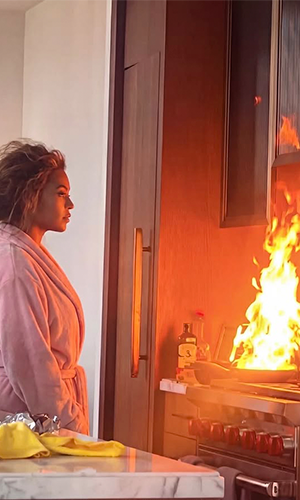
«Roses and Mimosa» is a media project about real cooking. Not about «a 30-minute dinner made from three ingredients.» It’s about when you were standing over a pot, wondering, «What is this?"—and then you called it a «craft stew» and everyone devoured it. Roses is when you tried to make something look beautiful. Mimosa is when it turned out spontaneously, but deliciously. Here, we don’t teach you how to cook. We show you what happens. Send us your stories—let’s laugh together!
2. Telegram Poll: «What most often goes off-plan for you?»
Category: #poll
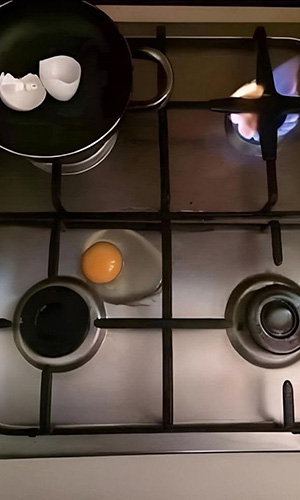
«Let’s get started right away. What most often spirals out of control in your kitchen?» Poll: — Dough (didn’t rise / rose and spilled over) — 35% — Soup (became a stew / turned purple) — 25% — Baked goods (underbaked / burnt) — 25% — Everything at once — 15%
Signature: «Vote—and we’ll do the first breakdown based on the results. And yes, ‘everything at once’ is a valid answer too.»
3. Post-Story: «There is a story: purple borscht»
Category: #thereisastory
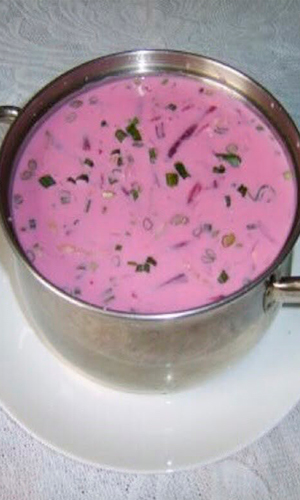
«Lena sent this. She was making borscht ‘just like Mom does.’ There was no broth—only a bouillon cube. She had beets. And red cabbage—Lena thought it was ordinary.
The result: purple borscht. Her husband asked, „What is this?“ Lena replied, „Crafted.“ He believed her. He ate two plates.
Moral: if a dish looks strange, name it beautifully. It works.
What have you renamed to ‘craft’y’? Send it in—we’ll publish it.»
4. Carousel Cards: «Five Swaps Nobody Asked For»
Category: #replacementneeded
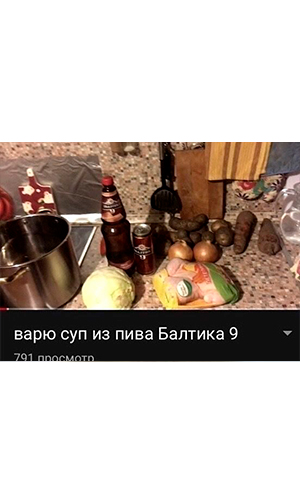
Type: 5 cards, text + icon. Interaction at the end.Card 1: «No cream? Sour cream. No sour cream? Mayonnaise. No mayonnaise? Pray.»
Card 2: «No baking powder? Baking soda + vinegar. No baking soda? Then it won’t be a cake—it’ll be a pancake.»
Card 3: «No wine for the sauce? We have compote. It’s not the same, but it’s more fun.»
Card 4: «No cheese? We have processed cheese. The recipe isn’t the same, but the mood is.»
Card 5: «Have none of the above? Then today is scrambled eggs. And that is also a form of cooking. What did you substitute, and how did it turn out? Write in the comments.»
5. Video (Shorts, 30 sec): «Expectation vs. Reality: Soup»
Category: #failoftheweek
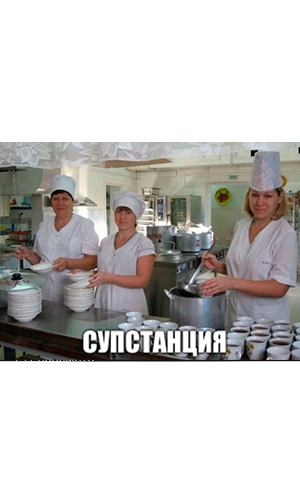
Type: Video, shot on phone, contrast from «aesthetic to chaos.»
Script:
0–3 sec: «Anticipation» shot—a beautiful soup image from Pinterest, with the caption «according to the recipe.»
3–8 sec: Hands chopping vegetables into even cubes. Caption: «everything according to plan.»
8–15 sec: Sharp transition: the same kitchen, everything is scattered, and the pot is boiling over. Caption: «20 minutes later.»
15–22 sec: Close-up: the soup in a bowl, with something unclear floating on top. Voiceover: «This isn’t soup. It’s a stew. But I planned it that way anyway.»
22–30 sec: Husband/child eats and says, «delicious.» Credits: «Victory. Technically. Send in your ‘soups’—we’ll put together a gallery.»
6. Podcast (script, 5–7 min): «The Borscht That Turned Purple»
Category: #podcast
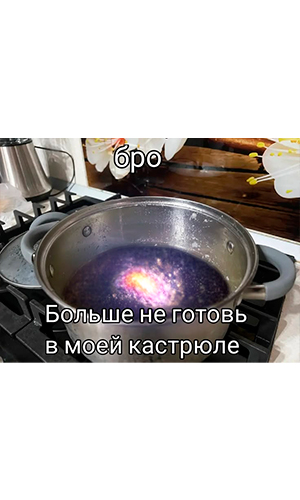
Format: Audio, two hosts + guest (reader Lena).
Transcript (excerpt): “ — Today we have a guest—Lena. Lena, what did you cook? — Borsch. — What kind? — Purple. — How so? — I didn’t know that red cabbage is red. I thought it was ordinary. — So you put it in instead of white? — No. Along with the white. For color. — For what color? — For red! (laughter) — And what did your husband say? — «What is this?» I said, «Craft borsch.» He ate it. He said it was tasty. I don’t know if that’s true. — We don’t know either. But we believe. And send us your stories—we’ll review them in the next episode.»