Idea and Mission
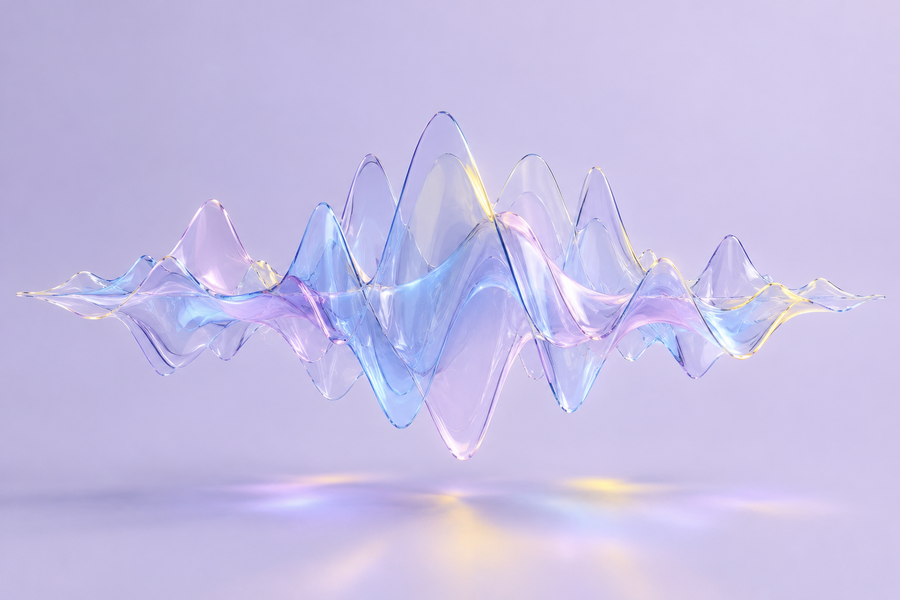
Sound is more than just background
Sound has the power to alter the perception of a scene, establish an atmosphere, and direct human attention. Sometimes, simply removing music, adding a barely perceptible rustle, or changing the sound of a single action can evoke entirely different emotions from a familiar moment.
Yet, sound design often remains unnoticed by the viewer or player. We feel the result, but rarely consider how it was achieved.
The mission of media is to make sound noticeable.
We explain sound design in simple terms, break down familiar scenes and digital products, show how sounds are constructed, and explain why they work the way they do. Our goal is not to train the reader to work professionally with sound, but to help them understand and perceive media on a deeper level.
What We Ask
— Why can silence sometimes be scarier than music?
— How do ordinary objects transform into the sounds of fantastic creatures?
— How can you understand what is happening behind a character step-by-step?
— How does a short interface signal indicate that an action has been completed?
Themes
Three Worlds of Sound
The project sits at the intersection of cinema, video games, sound design, and the psychology of perception. Its central theme explores how sound shapes emotions, atmosphere, and human interaction with the digital environment.
Film
Music, noise, voices, silence, and Foley—the art of creating sounds using objects and materials. We explore how sound helps tell a story and enhances the impact of a shot.
Material example: «Why is silence scarier than music?»
Video Games
Sound cues, footsteps, environment, musical themes, and the game’s reaction to user actions. We explore how sound aids in navigation, spatial awareness, and immersion in the game world.
Sample topic: «How does the game signal that an enemy is nearby?»
Digital Environment
Interface notifications, sounds, confirmation, and error signals. We show how even a few milliseconds of sound can impact the usability and perception of a digital product.
Example material: «Why do interfaces sound the way they do?»
All three disciplines share one core principle: explaining complex ideas through familiar sounds and situations.
Competitors and Positioning
Who is already talking about sound?
Existing projects allow students to study sound design, but they often turn to professionals, developers, or individuals who want to learn how to create sound independently.
For our media, this is an opportunity to take a different stance: to talk not only about how sound is created, but also about how it is perceived.
Direct Competitors and Related Projects
Game Audio Evangelism — materials on sound design and its implementation in interactive media. The project is closely related to our interest in sound in games.
Booster Sound — a project focusing on sound and music for film, advertising, and games. It showcases the professional aspects of working with audio.
A Sound Effect — a specialized resource on sound effects, recording, and audio creation for film and video games.
Indirect Competitors
Game Developer — a professional media outlet focused on game development, where sound is considered one component of game creation.
DTF and other gaming media — cover games, their mechanics, and player experiences. Sound may be part of the discussion, but it is not necessarily the main topic.
Film and video media — analyze scenes, directing, editing, and atmosphere. Sound design is usually examined within the context of a broader discussion about cinema.
What we learned from the analysis
Sound can be explained through experience. Instead of a professional instruction guide, you can start with a question familiar to every viewer or player.
Sound is not only important to describe, but also to demonstrate. Audio examples, comparisons, and experiments help students grasp the material better than a single text.
Everyday experience is the gateway to a complex topic. To get introduced to sound design, no special knowledge or equipment is necessary.