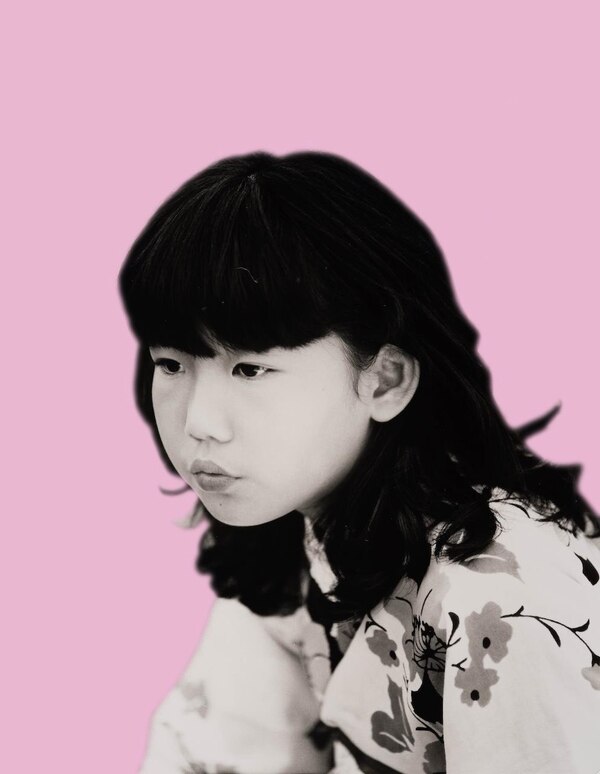
From Photograph to Memory: How Japan Reassembles Itself
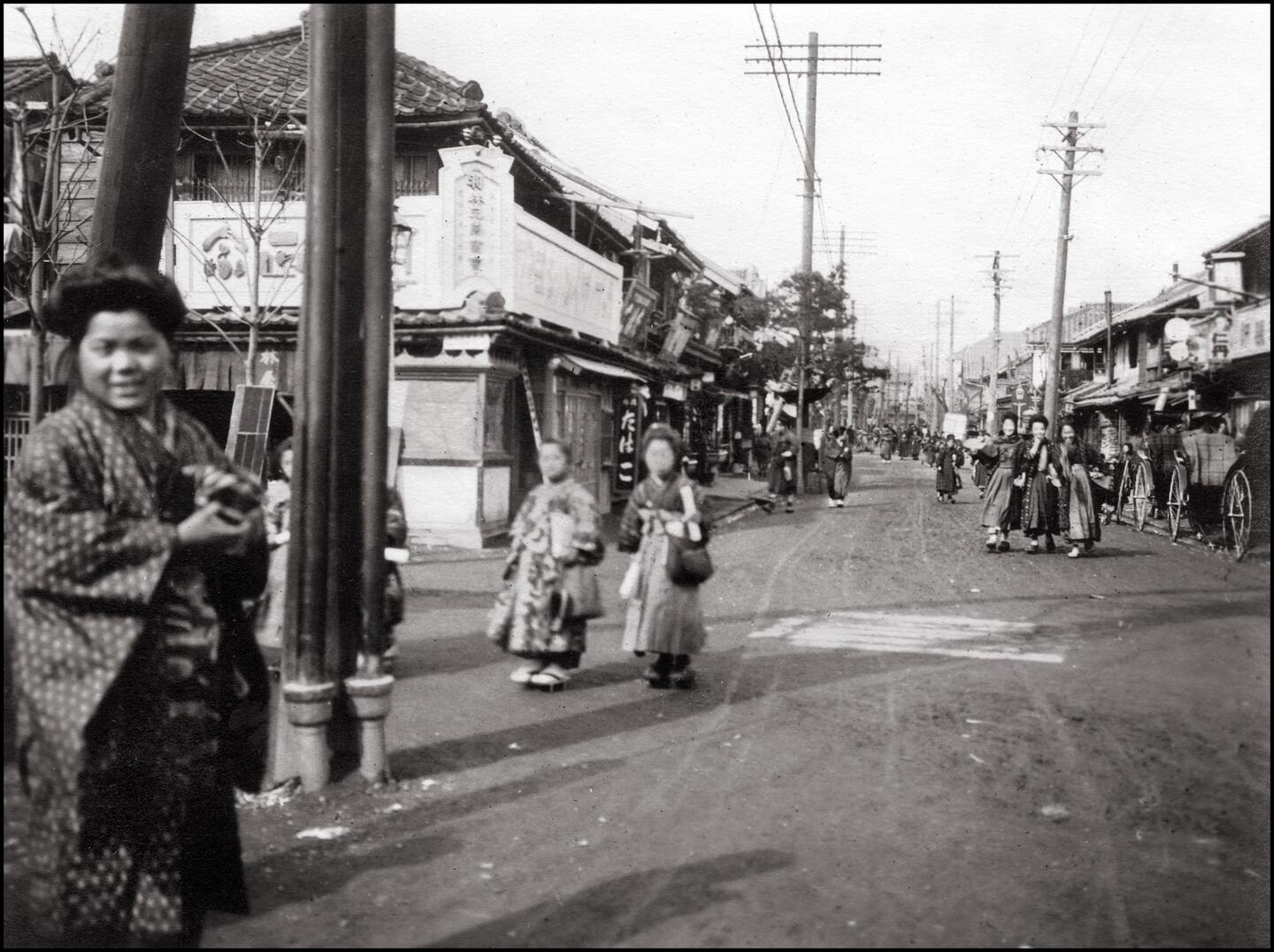
Memory is preserved not only in narratives and documents. A photograph preserves what once came into view: a face, a street, clothing, a gesture, architecture. But a single shot, on its own, tells no story. History emerges when images begin to collect, compare, and preserve.
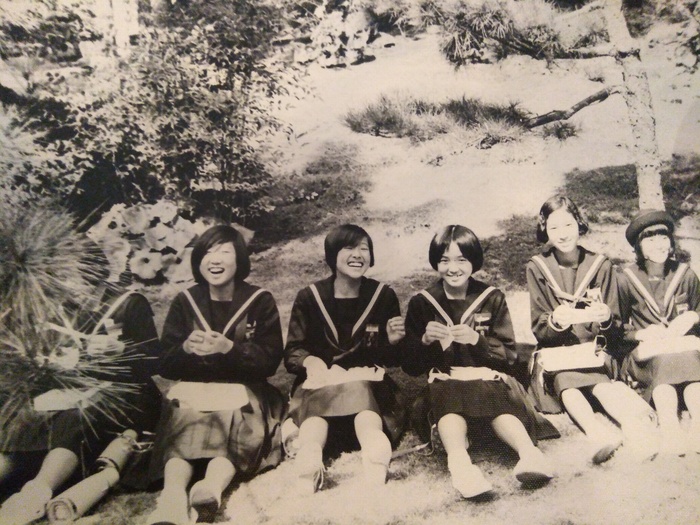
Photographs of Japan, 1960s–1970s.
FROM A SINGLE SHOT TO A COLLECTION
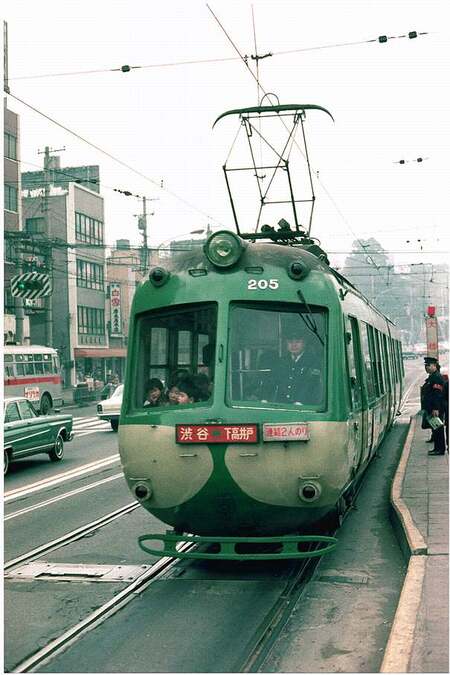
When photographs are brought together, connections emerge between them: time, place, people, recurring motifs.
JAPAN IS CHANGING
Post-war Japan was changing at an astonishing pace. Cities were expanding, lifestyles were evolving, and mass culture and the economy were developing. Photography became one of the primary ways to capture this transformation. The period of 1959–1972 is considered particularly vital in the history of Japanese photography, as the themes, functions, and language of the medium were all simultaneously shifting.
PHOTOGRAPHY AS DOCUMENT
Photographer: Domon Ken.
He was one of the key representatives of post-war social realism, advocating for the idea of direct, unposed photography. Later, he turned to temples, crafts, and cultural heritage—to what was rapidly changing in modernizing Japan.
BUT THE PHOTOGRAPH MAY BE INACCURATE
A photograph does not always show reality.
Sometimes it shows the photographer’s perspective.
Photographer: Daido Moriyama. His photographs from the 1960s and 70s are known for their high contrast, graininess, blur, and intentional visual instability—these images became a significant turning point in Japanese photography.
PROVOKE: BREAK THE FRAME
In 1968, Provoke magazine was founded, associated with Takuma Nakahira, Koji Taki, and other photographers. Its concept revolved around searching for a new photographic language; the photographs were meant to engage in tension with the text.
If a photograph no longer has to be a document—what does it become?
WHAT WE PRESERVE?
WHAT HAPPENS BEHIND THE SCENES?
Who decides which Japan we will remember?
Every collection selects certain things and leaves others outside the archive.
Therefore, the history of photography is not just the history of famous photographers. It is also the history of which images were saved, exhibited, and deemed significant.
This connects well with the Marukawa Collection concept: the collection specifically focuses on independent movements and female photographers who may have been underrepresented in traditional narratives.
FROM PRIVATE TO PUBLIC
As long as the photograph is kept at home, it belongs to private memory.
When it enters a collection, archive, or museum, others begin to see it.
Private memory transforms into public memory.
JAPAN, ASSEMBLED FROM PHOTOGRAPHS
Japan in photography is not a single image.
It is composed of millions of individual perspectives.
Photography captures a moment. A collection preserves the connection between moments.