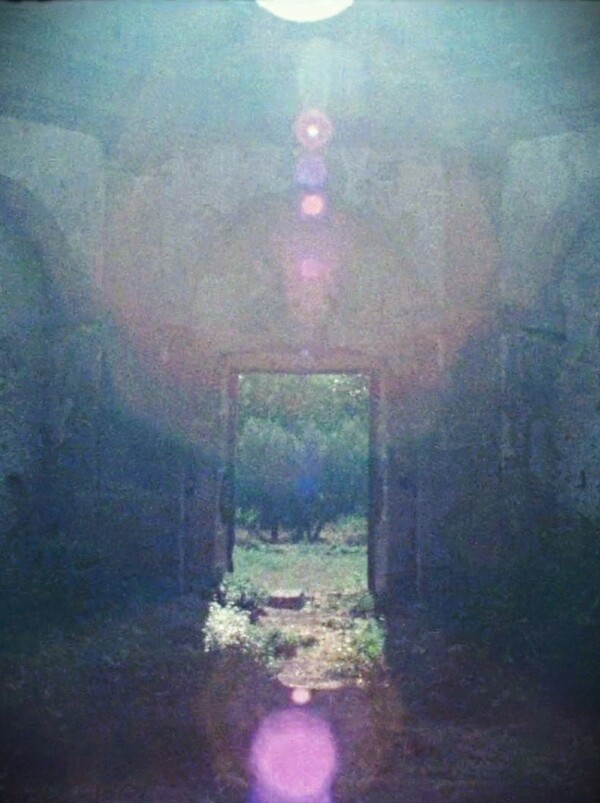
For me, the documentation of objective reality and momentary magic are inseparable. My films always contain intrigue and mystery, but its origins lie directly in life itself—there is no disconnect.
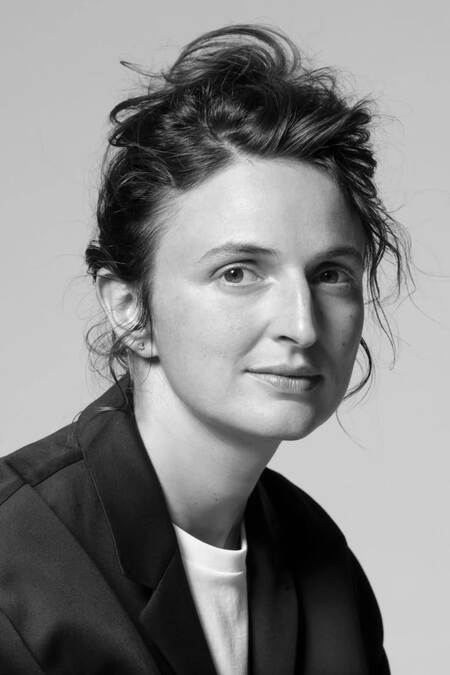
Alice Rohrwacher is a contemporary Italian director. Her debut film, «The Celestial Body,» was released in 2011. Her second feature film, «Miracles,» won the Grand Prix at the 2014 Cannes Film Festival. Other films by Alice Rohrwacher have also found success at Cannes and other global film festivals. Today, Alice Rohrwacher’s work holds a special place in contemporary European cinema, balancing documentary observation with poetic fiction.
Alice Rohrwacher’s filmmaking can be viewed as a space of unique sensitivity where reality is not contrasted with wonder. At the core of her directorial approach is not an event or a plot in the conventional sense, but the experience of reality—its fragility and ambiguity. Her films are perceived not just as narratives of events, but as an experience wherein reality gradually unfolds as something greater.
Alice Rohrwacher focuses on humanity in its vulnerable, «liminal» state. She addresses themes of childhood and coming-of-age, the archaic and the contemporary, reality and myth. Her protagonists are often children, teens, or socially marginalized characters who have not yet been fully integrated into the rational world. Alice’s films are close to the tradition of Italian neorealism. However, unlike classical neorealism, which is oriented toward social verisimilitude, the director introduces elements of convention and allegory, allowing her to shift the viewer’s perception and open space for wonder within the mundane.
The magic in Alice Rohrwacher’s cinema emerges from a unique lens—a convergence of bodily concreteness and metaphorical complexity in the imagery. The camera in her films «listens» to the world, revealing hidden rhythms within it: the breath of nature, characters' gestures, random pauses, and imperfections. Through this attention to the «small,» the director creates the effect of something larger being present—something unstated or not shown directly, but felt by the viewer.
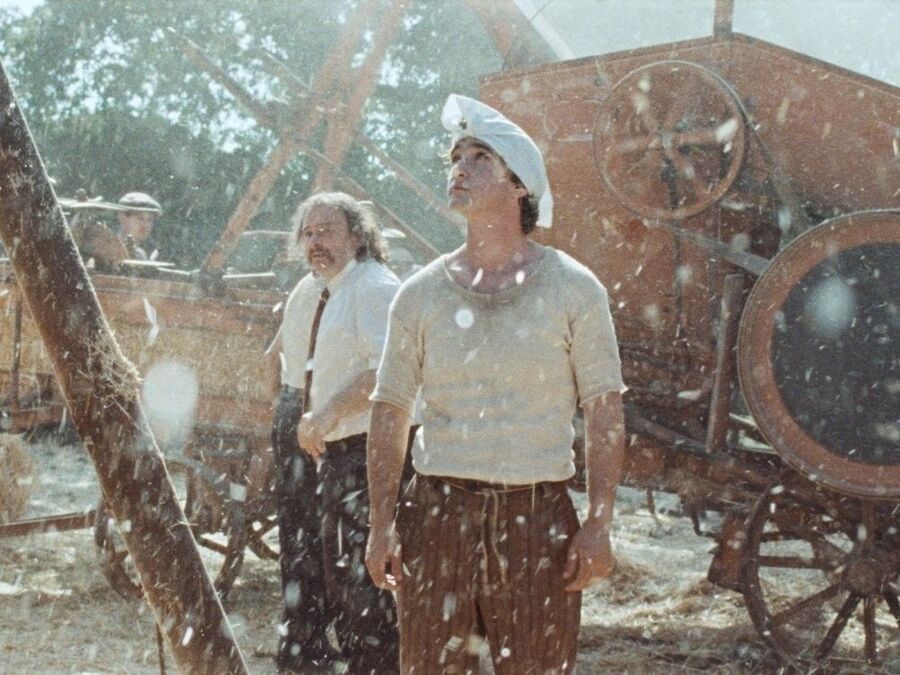
«Happy Lazarus» (Dir. Aliche Rorvacher, 2018)
Within this research, we will examine the visual techniques and methods through which Alice Rohrwacher cultivates a sense of magic within everyday reality. We will also explore how she transforms the very fabric of the image and narrative without resorting to overt fantasy. The study will focus on the effect of inexplicable presence, which emerges through her work with non-professional actors, a specific lighting environment, the rhythm of editing, and the incorporation of folk and religious motifs.
Feature-length and short films will be analyzed, including: «The Heavenly Body» (2011), «Miracles» (2014), «Happy Lazarus» (2018), «Students» (2022), «Chimaera» (2023), and «Urban Allegory» (2024).
I. The Materiality of Reality
Alice Rohrwacher’s films are built upon a highly palpable, textured reality. Her imagery does not strive for beauty in the traditional sense; it preserves the world’s rawness. In this, Alice Rohrwacher inherits the lineage of Italian Neorealism, yet transforms it.
[i] Film Grain
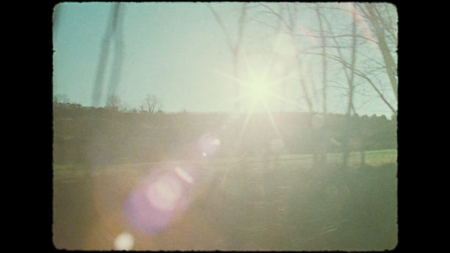
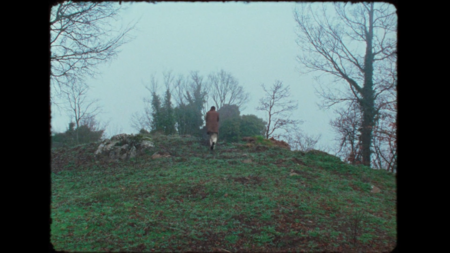
«Chimera» (directed by Aliche Rorvacher, 2023)
Alice Rohrwacher often shoots on film or simulates film grain texture, soft focus, and unstable exposure. This texture creates a sense of timelessness and the «memory of the image.» In the films Miracles, Happy Lazarus, and Chimera, this lends a feeling of a «living» image, as if the frame is already a memory or a dream. The miracle here is born from the very matter of the image; it is somehow already woven into reality.
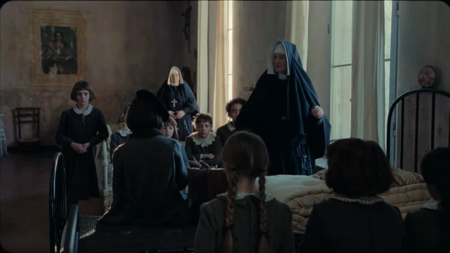
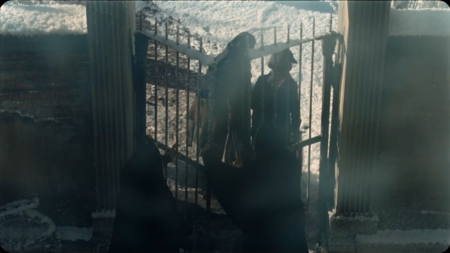
«Students» (directed by Alice Rothwar, 2022)
«Happy Lazarus» (dir. Aliche Rorvacher, 2018)
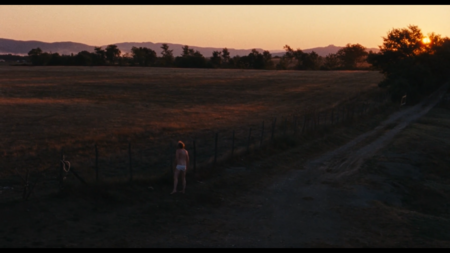
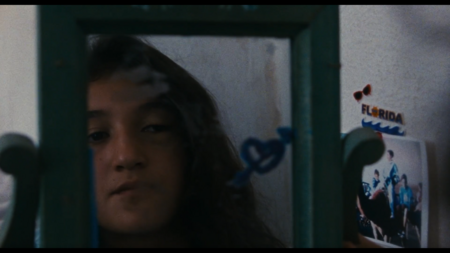
«Wonders» (directed by Aliche Rorvacher, 2014)
In «Celestial Body,» the rough image intensifies the sense of reality, against which spiritual experiences appear almost miraculous.
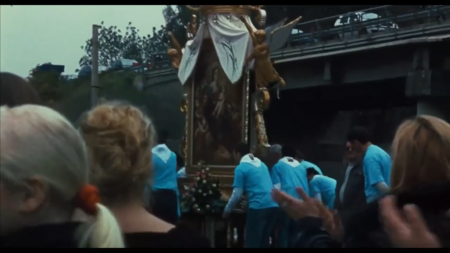
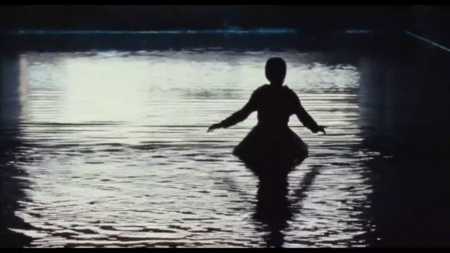
«Celestial Body» (directed by Aliche Rorvacher, 2011)
[ii] Light
Alice Rohrwacher actively utilizes natural light and its transitional states: dawn, dusk, and the semi-darkness of interiors. Light becomes a source of mystical mood—it seems to hint at the presence of something greater. Working with cinematographer Hélène Louvar, the director creates the impression that the lighting was discovered by chance, even though it is meticulously constructed. It functions as an independent language, connecting the physical world to an inner and almost mythical dimension.
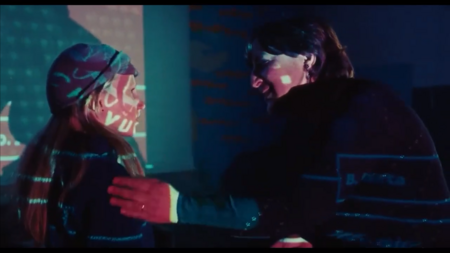
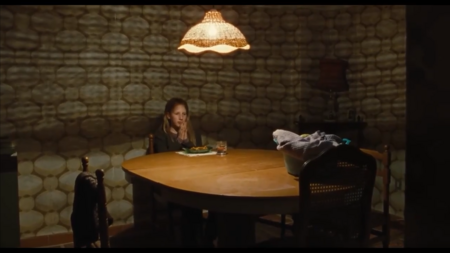
«Celestial Body» (directed by Aliche Rovakher, 2011)
In «Celestial Body,» the light often appears muted and unstable. This creates a feeling that the world is about to change. Wonder emerges in these liminal states, where form has not yet solidified.
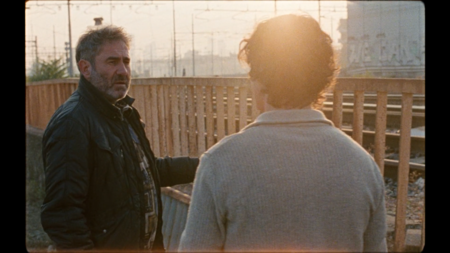
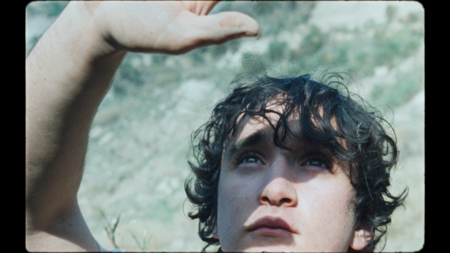
«Happy Lazarus» (Dir. Aliche Rorvacher, 2018)
In «Happy Lazarus,» the lighting often makes the character Lazarus appear almost saintly. His face seems to «glow» against the backdrop of earth and ruins.
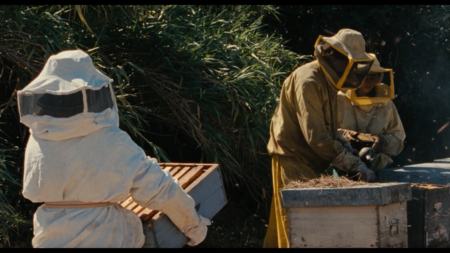
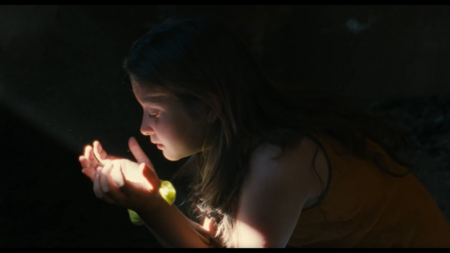
«Wonders» (directed by Alich Rorvacher, 2014)
«Wonders» (directed by Alice Rohrwacher, 2014)
In the film «Miracles,» Alice Rohrwacher uses light as a way to convey the fragility of a child’s perception of the world. The foundation is natural light—soft sunlight that brings the space to life and makes it almost tangible. Light is often filtered through dust, leaves, glass, and fabric, creating a sense of a fleeting moment and memory. In «Miracles,» light becomes a carrier of mood and time, connecting reality with the almost fairy-tale sensation of childhood.
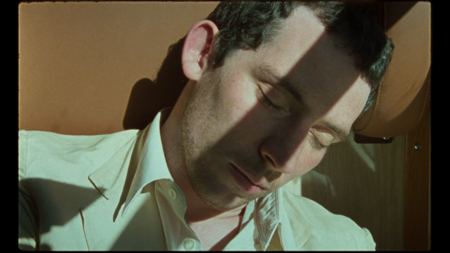
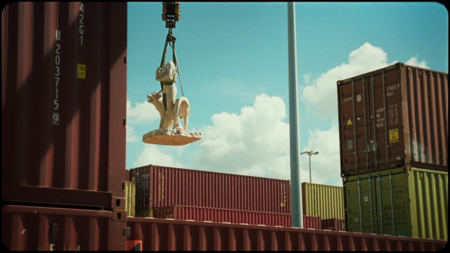
«Chimera» (directed by Aliche Rovakher, 2023)
In «Chimera, ” in Arthur’s world of the living, the bright daylight in „Chimera“ is dazzling. This light renders the real world sharp and grounded, stripping it of its romantic aura. In contrast, there is the darkness of the dungeons, where faint light sources like candles create a sense of mystery and sacred space.
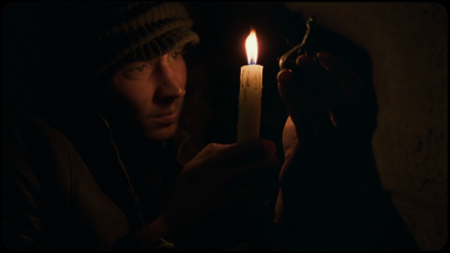
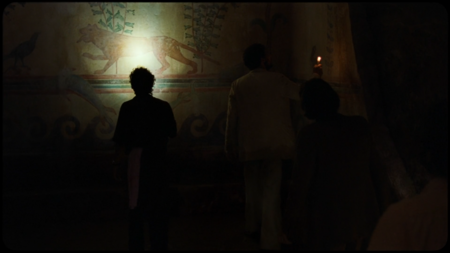
«Chimera» (dir. Aliche Rorvacher, 2023)
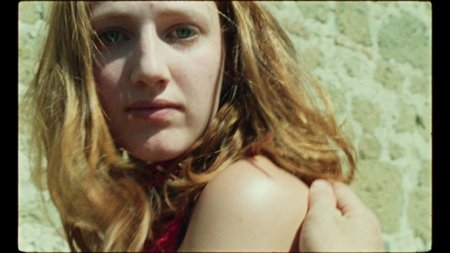
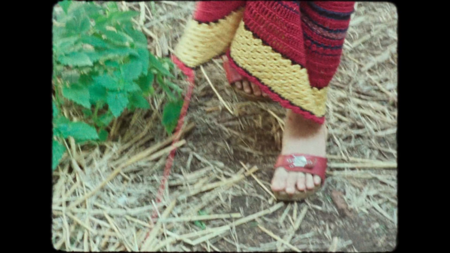
«Chimera» (directed by Aliche Rovakher, 2023)
In scenes of memory and vision, the light becomes softer and more diffused, blurring the boundary between reality and the protagonist’s inner world. Ultimately, the light in the film connects the physical, emotional, and metaphysical levels of the narrative, transforming into a language of storytelling in its own right.
[iii] Non-professional actors