(1) Research Concept
My research focuses on the cross-domed church and the basilica within Eastern Christian architecture, using Greece, Serbia, Bulgaria, Armenia, Georgia, and Ancient Rus' as examples. The research concept is built upon analyzing the transformations and interrelationships between two key architectural types that have shaped the unique cultural and religious identity of the entire Eastern Christian world for centuries—the basilica and the cross-domed church. This comprehensive analysis helps not only to observe but also to understand how different cultures adapt and reinterpret the universal symbols of Eastern European Christianity while simultaneously forging unique national architectural schools.
How did the peoples of Eastern Europe and the Caucasus transform universal Byzantine architectural types under the influence of local cultural traditions, landscapes, and political ambitions during the process of Christianization?
The visual material for the study was developed based on the principles of representativeness and comparison—for each region, the most significant and key architectural monuments were selected to demonstrate either adherence to the classical Byzantine canon or its creative local adaptation. This approach allows a clear visualization of how universal architectural forms, despite their initial common traits, could be significantly modified under the influence of national traditions, sacred concepts, and the characteristics of the natural landscape.
The hypothesis is that the architectural type in each of the regions under study evolved from a mere borrowing into an instrument for shaping and affirming national and religious identity—driven by local traditions, resources, and political ambitions, including the desire to express sovereignty amidst Byzantine cultural influence.
The research structure is organized according to the «center-to-periphery» logic: Byzantium is considered the central region, serving as the cradle and standard for East Christian architecture. Next comes the Transcaucasus (Armenia and Georgia)—a region with ancient and distinct architectural traditions. The Balkan region (Bulgaria and Serbia) is a region of reception and adaptation of Byzantine forms with Western influences. Ancient Rus' stands as the culmination point, where a large-scale synthesis and development of architectural forms occur. This approach allows one to trace and understand the causes, as well as the paths of spatial, symbolic, and stylistic development of key church typologies across various territories of Eastern Christianity.
(2.1) Introduction
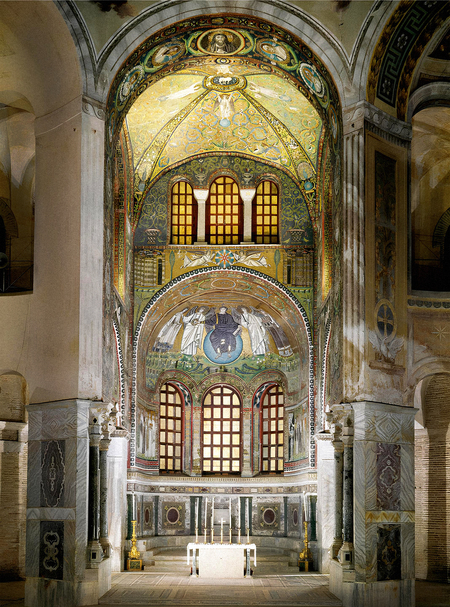
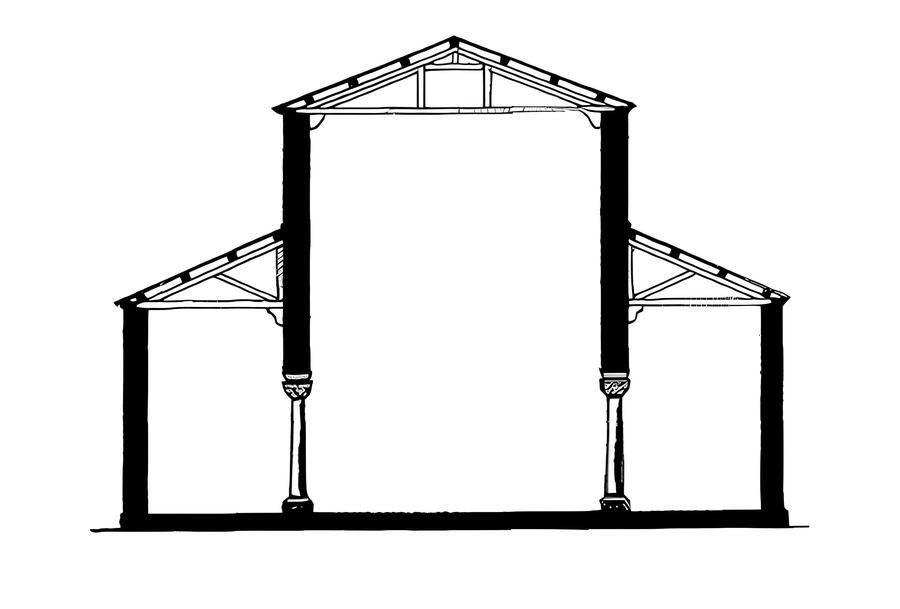
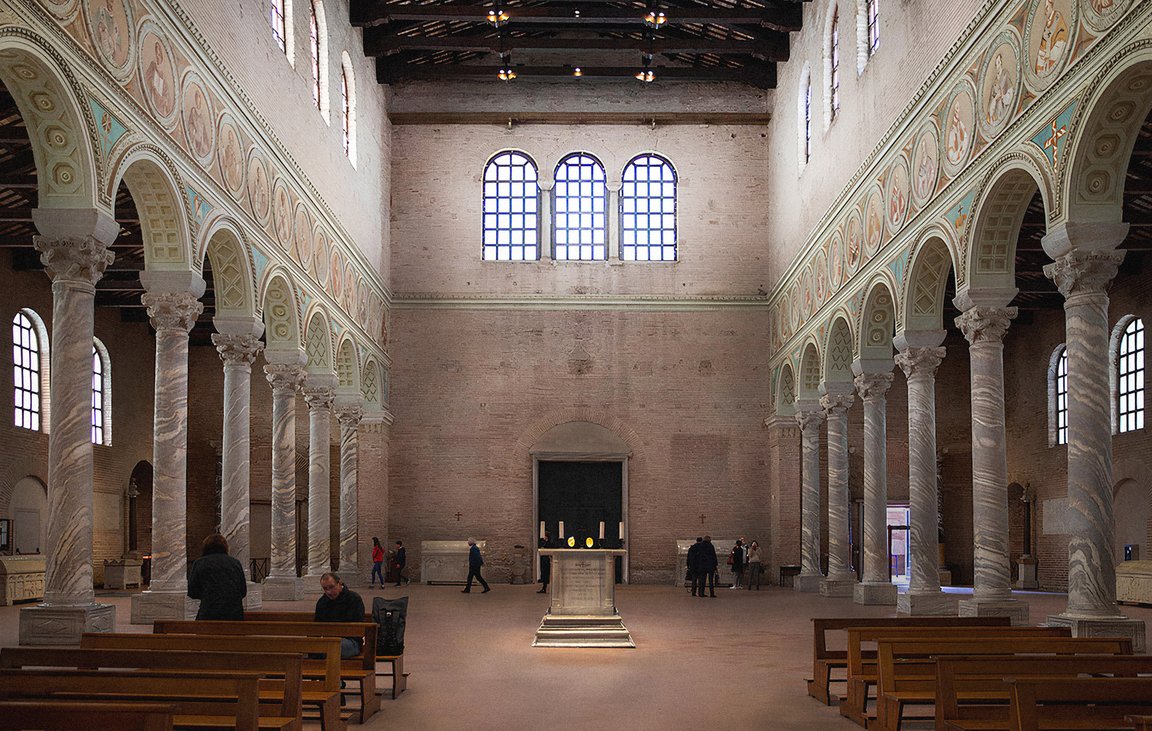
Basilica</strong/> originally evolved from Roman civil architecture of antiquity. This elongated, longitudinal structure features an internal space divided into several aisles by rows of columns. The building’s main axis directs the viewer from the entrance toward the altar, forming a symbolic journey—a spiritual procession from sin to salvation. Human gaze and movement are focused forward, deep into the space, toward the most sacred point.
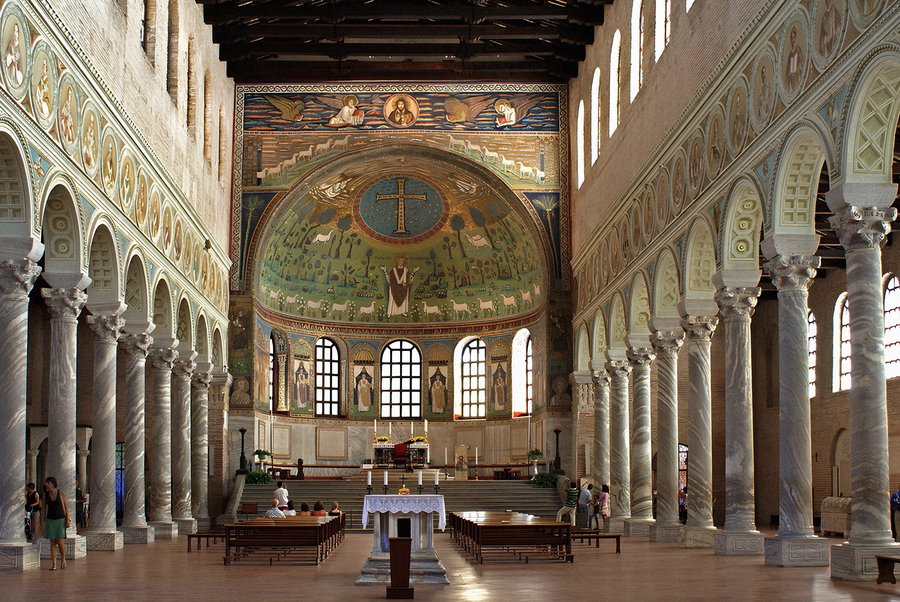
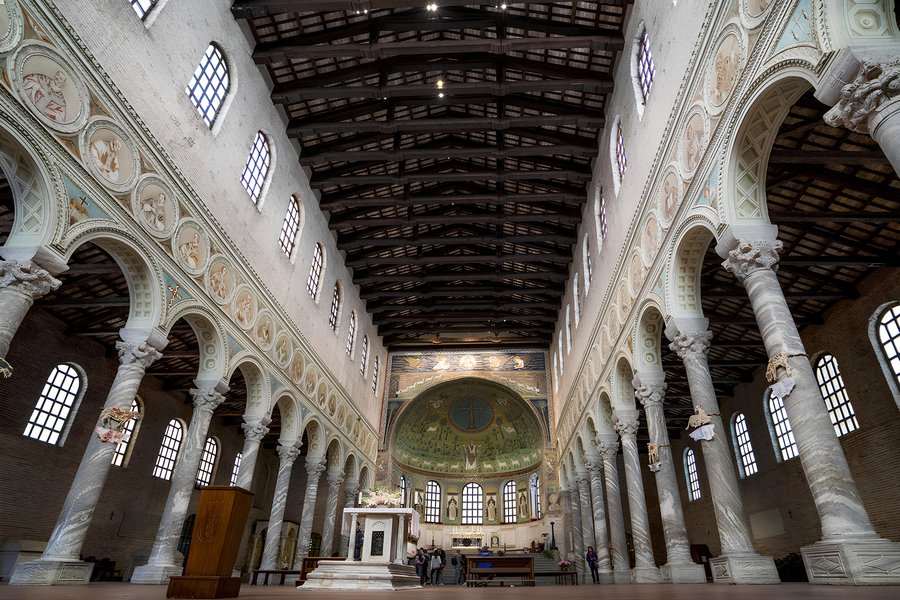

Basilica of Sant’Apollinare in Classe Ravenna, Italy, 6th century

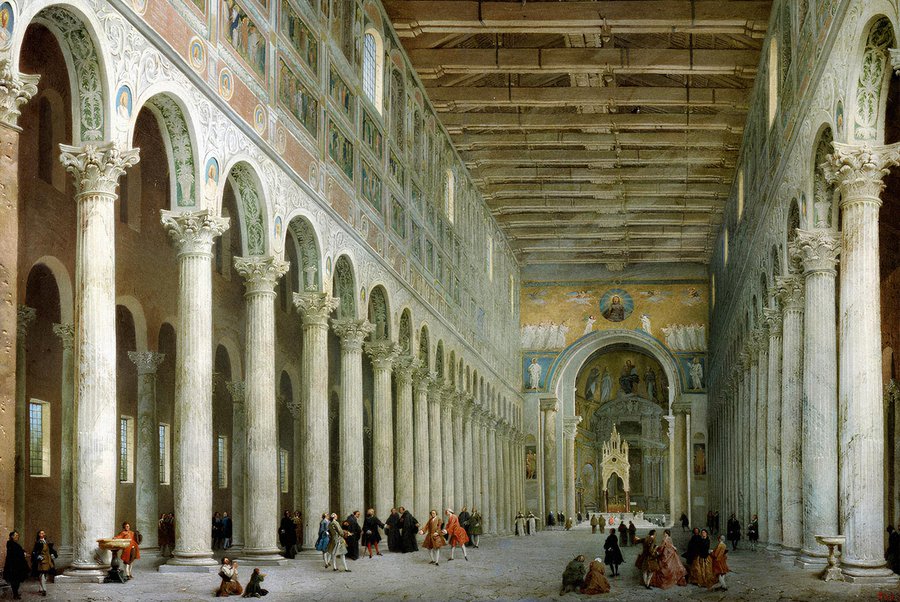
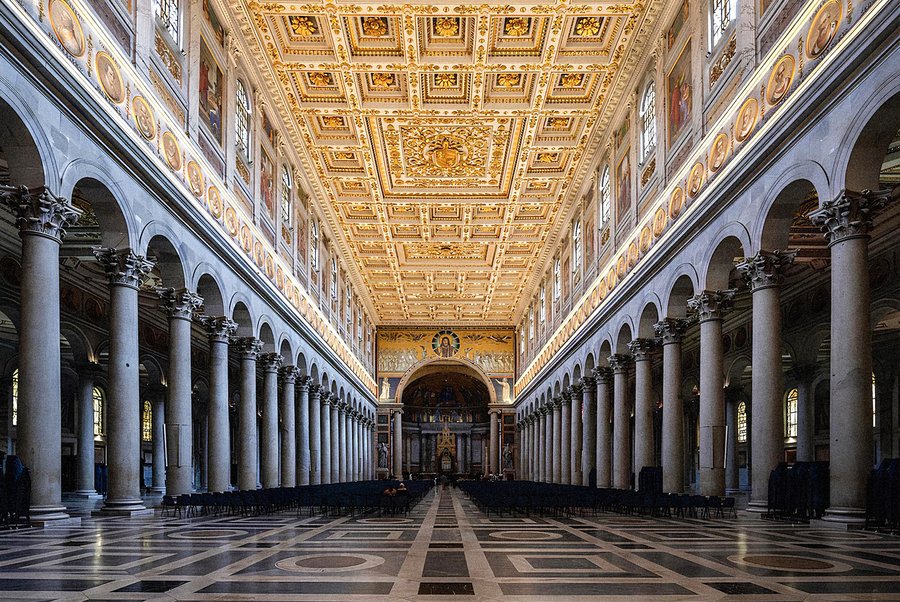
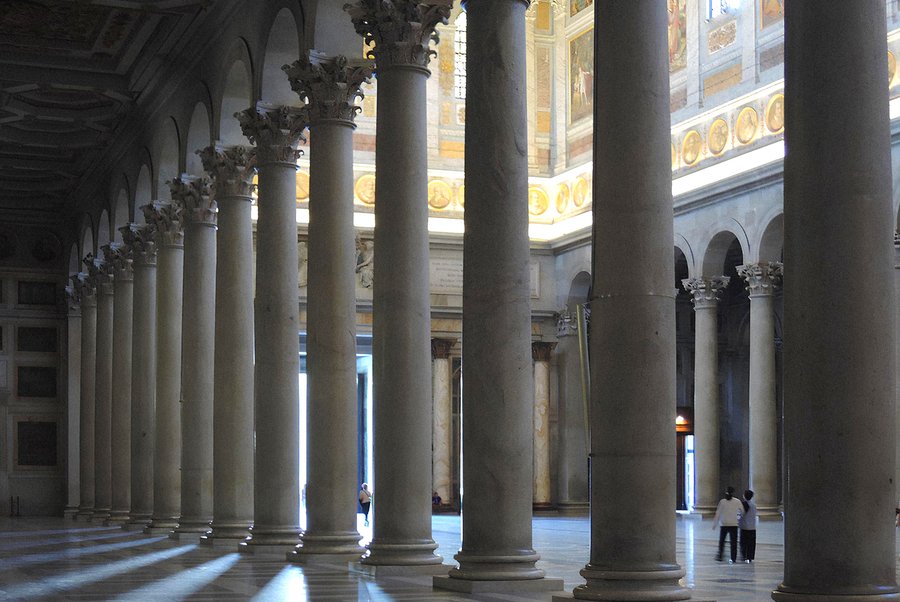
St. Paul’s Basilica outside the city walls Rome, Italy, 5th Century
Cross-domed Church — a distinguished achievement of Byzantine architecture that radically reinterpreted ancient heritage. Its foundation is a centralized composition, where the center of the plan is a cross crowned with a dome. The primary longitudinal axis is absent here—the space is concentrated beneath the dome, symbolizing the heavenly vault and the presence of God over the earth.
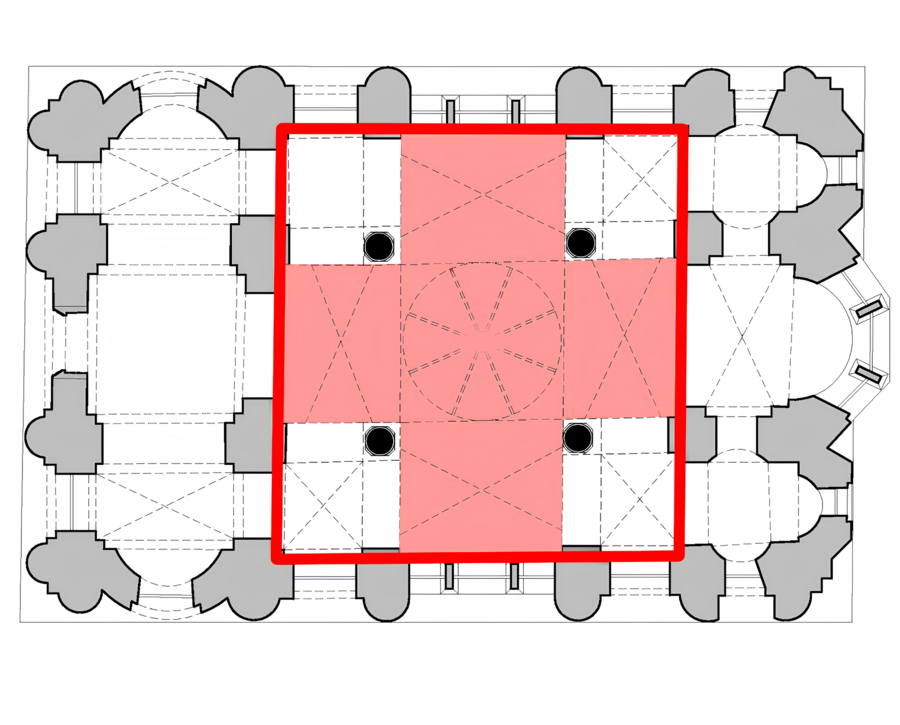
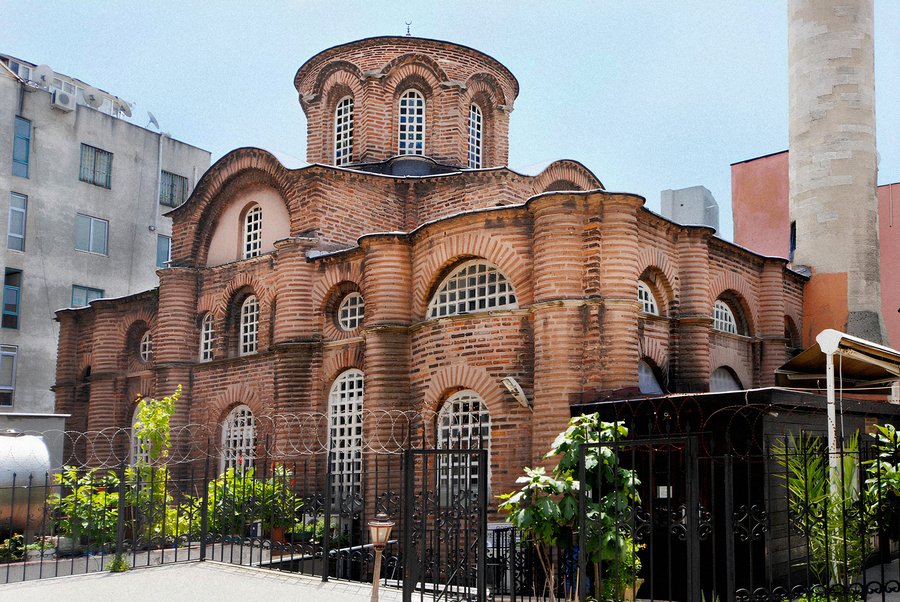
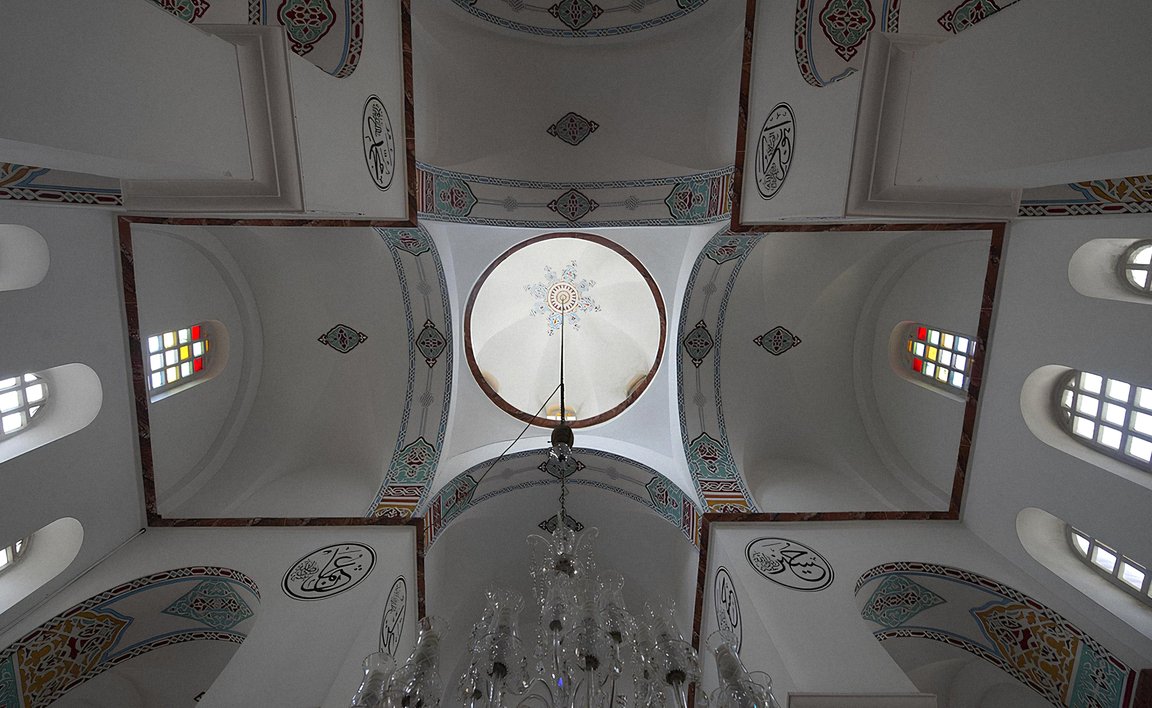
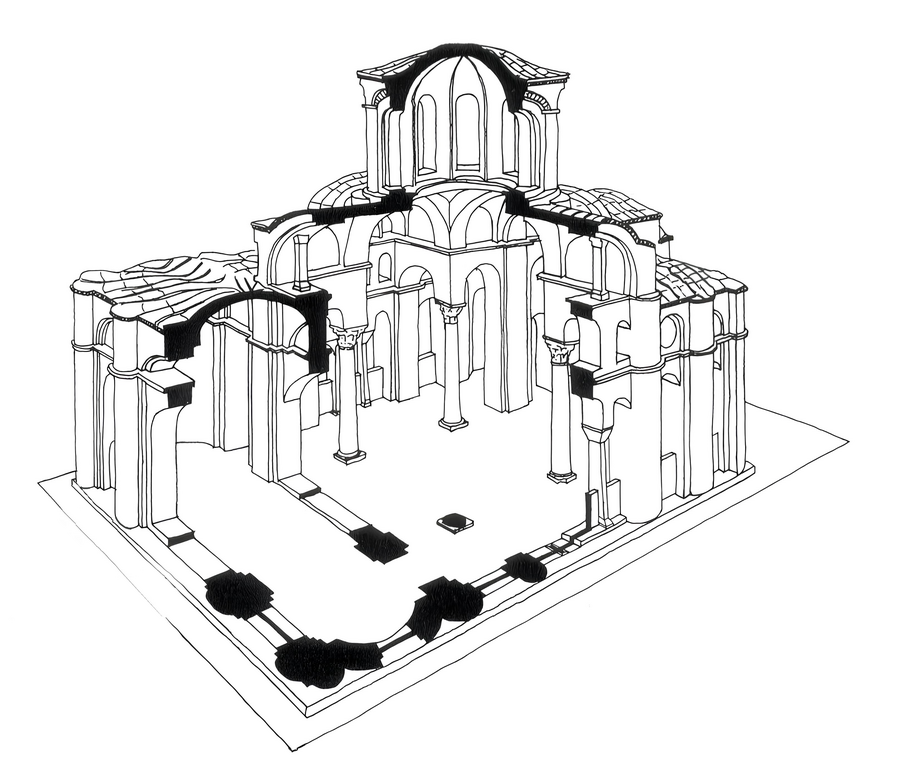
Mireleion Constantinople, X century
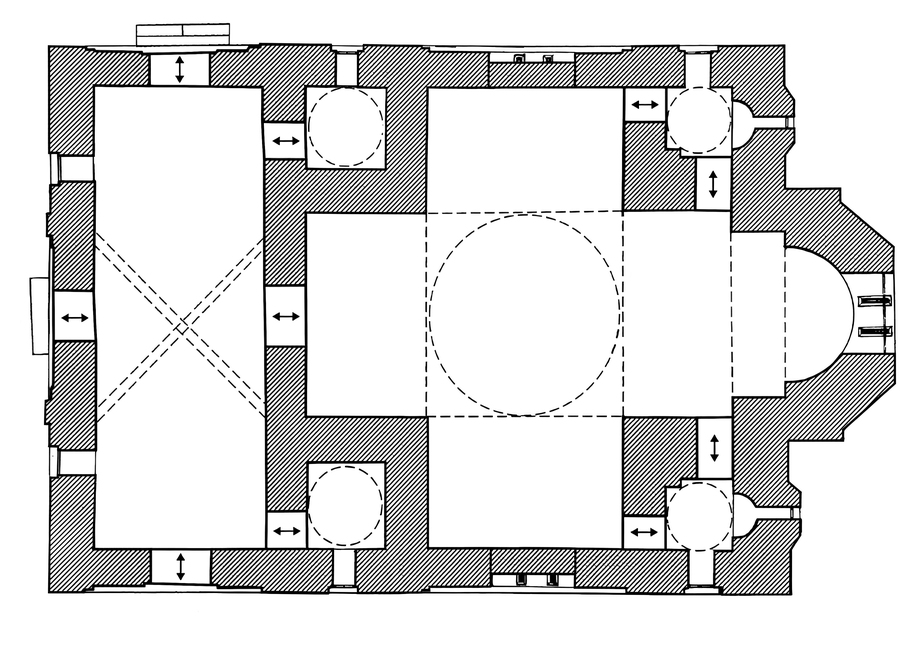
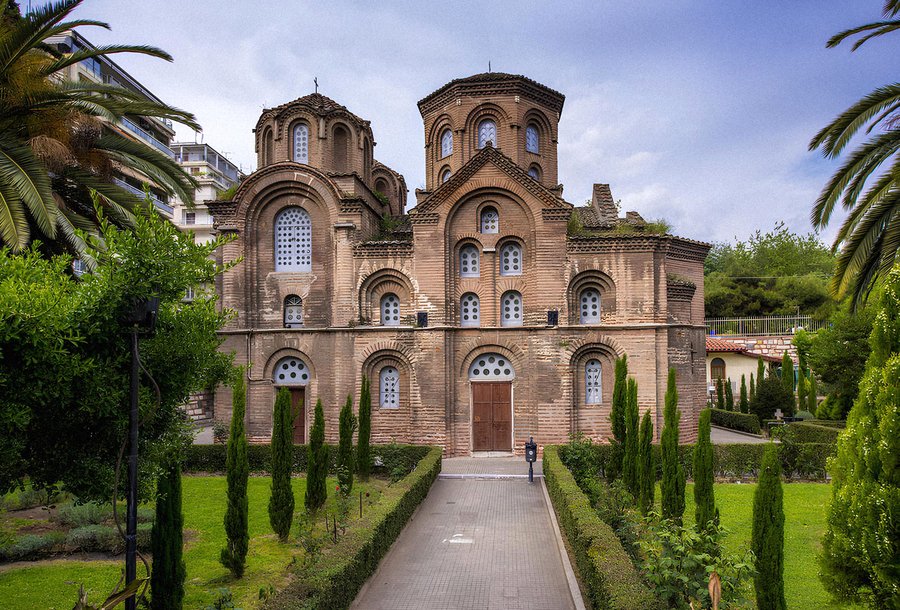
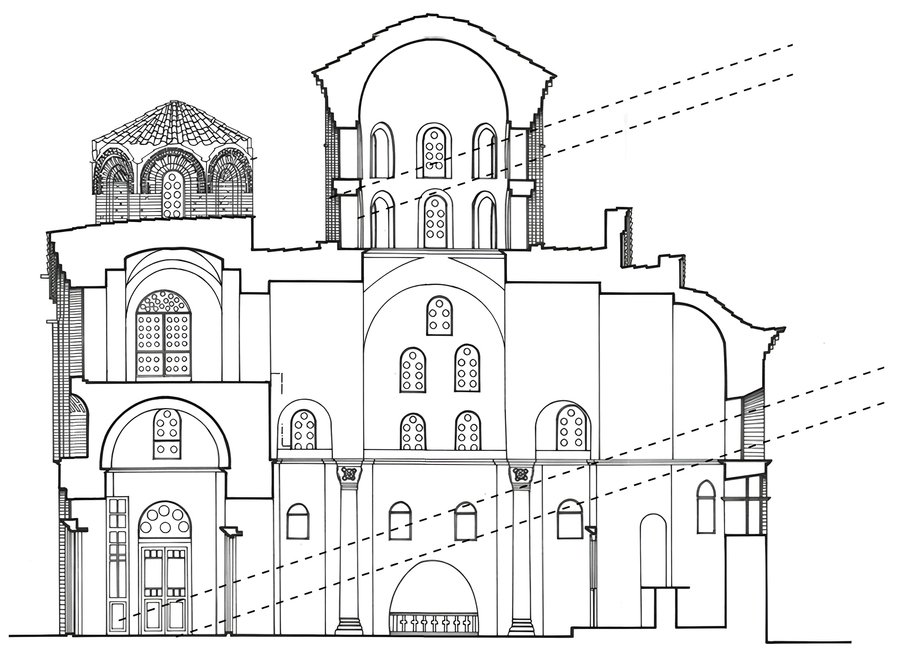
Panagia Halkion Salonica, Greece, X century
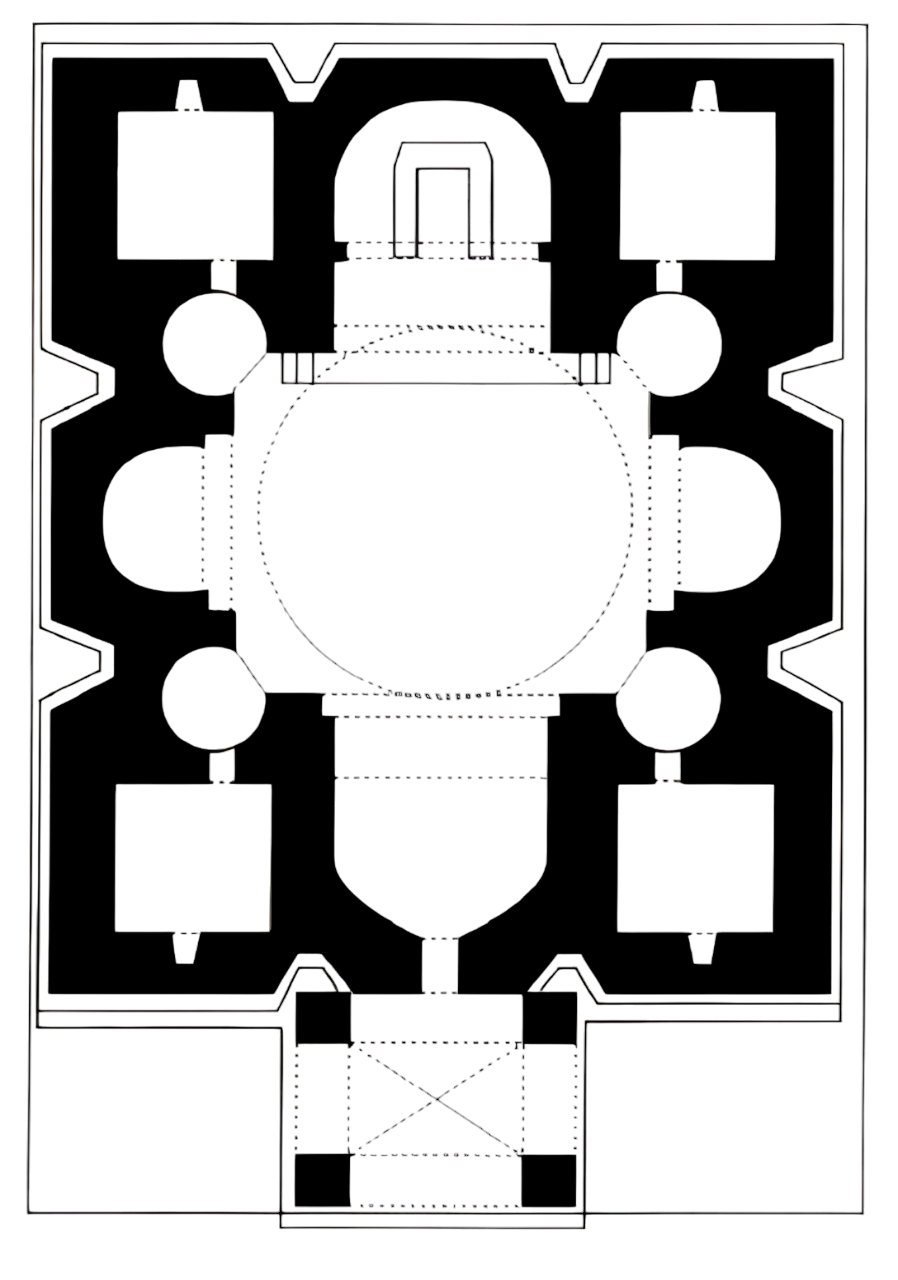
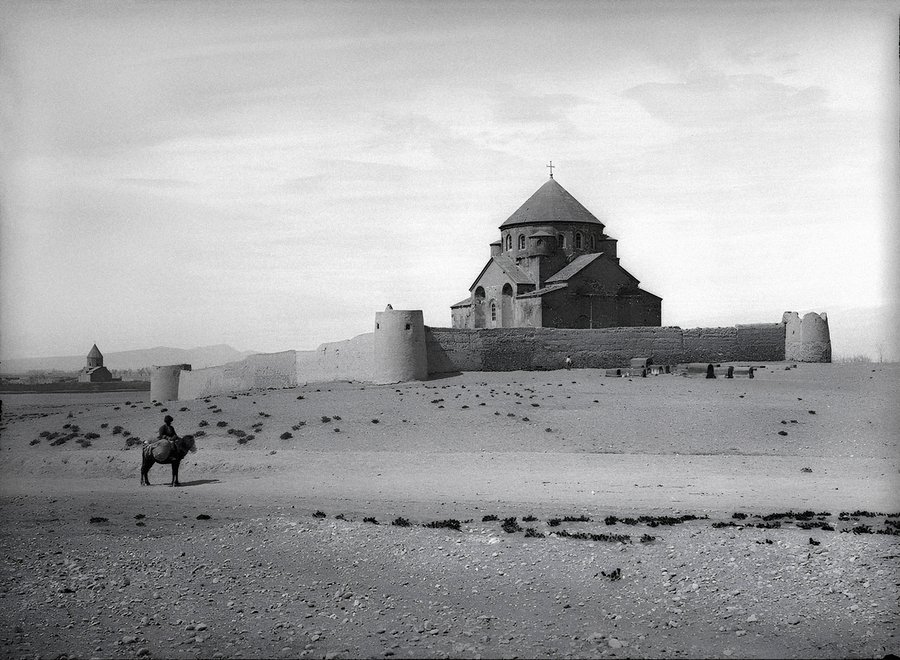
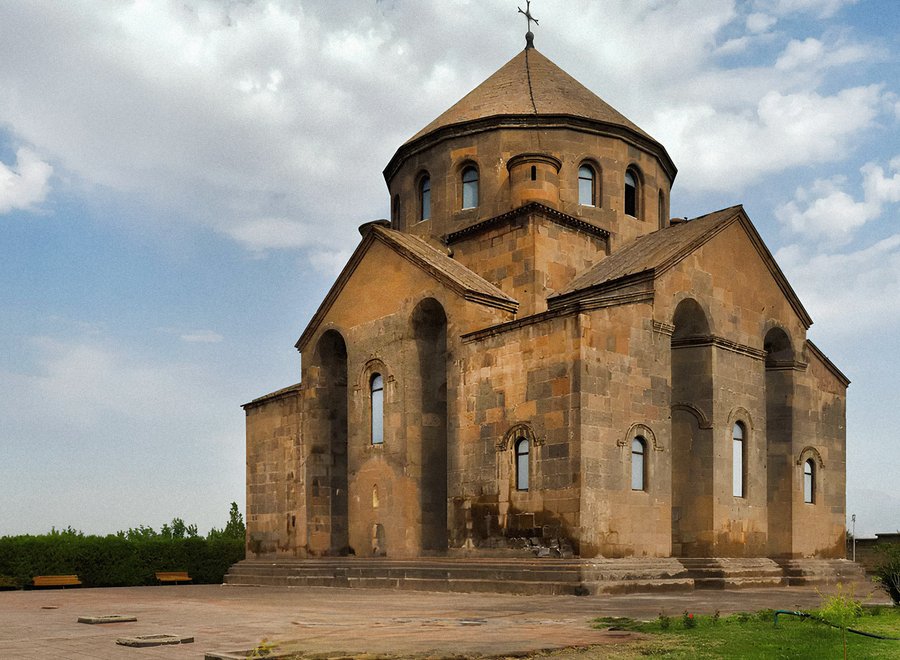
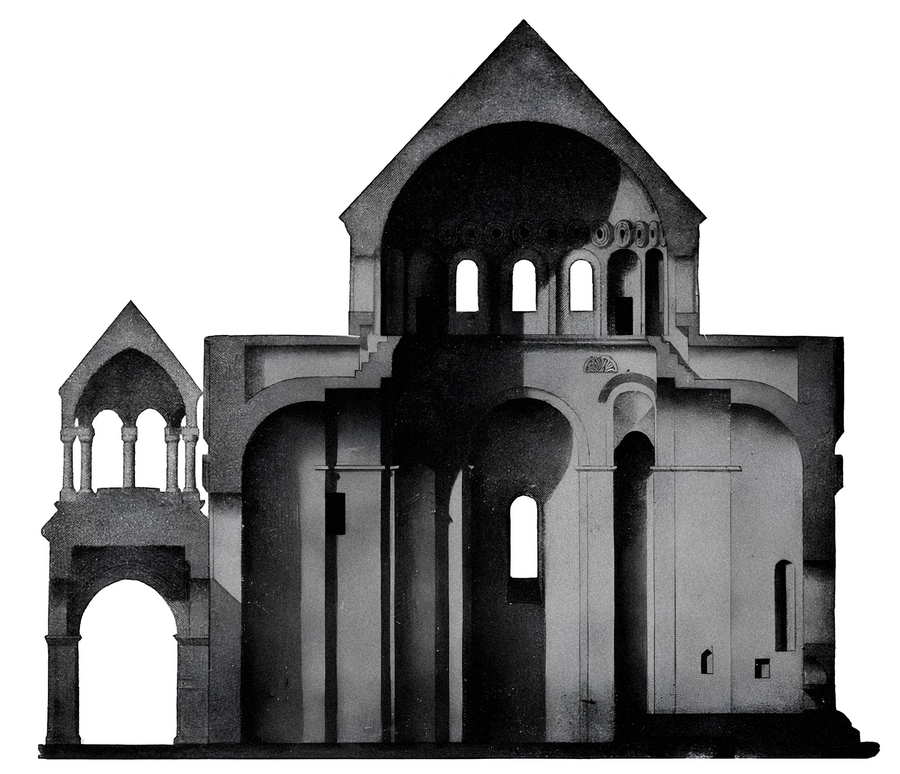
Church of Saint Hripsime Vagharshapat, Armenia, 7th century
(2.2) Byzantium (Greece) — A Benchmark and Source
If the basilica and the cross-in-square church represent the language spoken by all Eastern Christian architecture, then Byzantium was its creator and chief legislator. In this region, churches were not simply built—architectural typologies were formed, refined, and canonized here, becoming models to emulate for centuries.

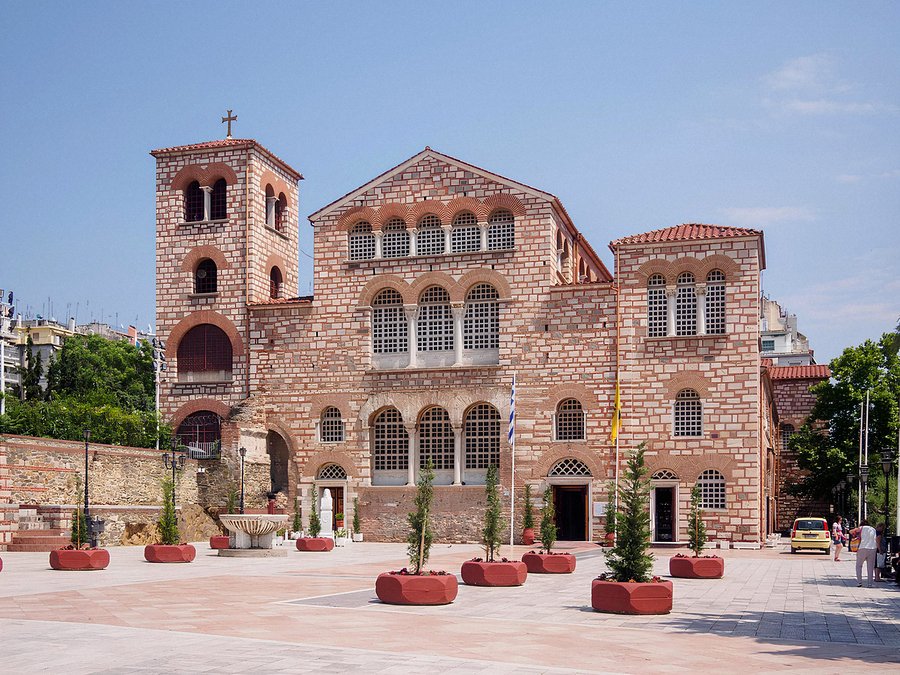
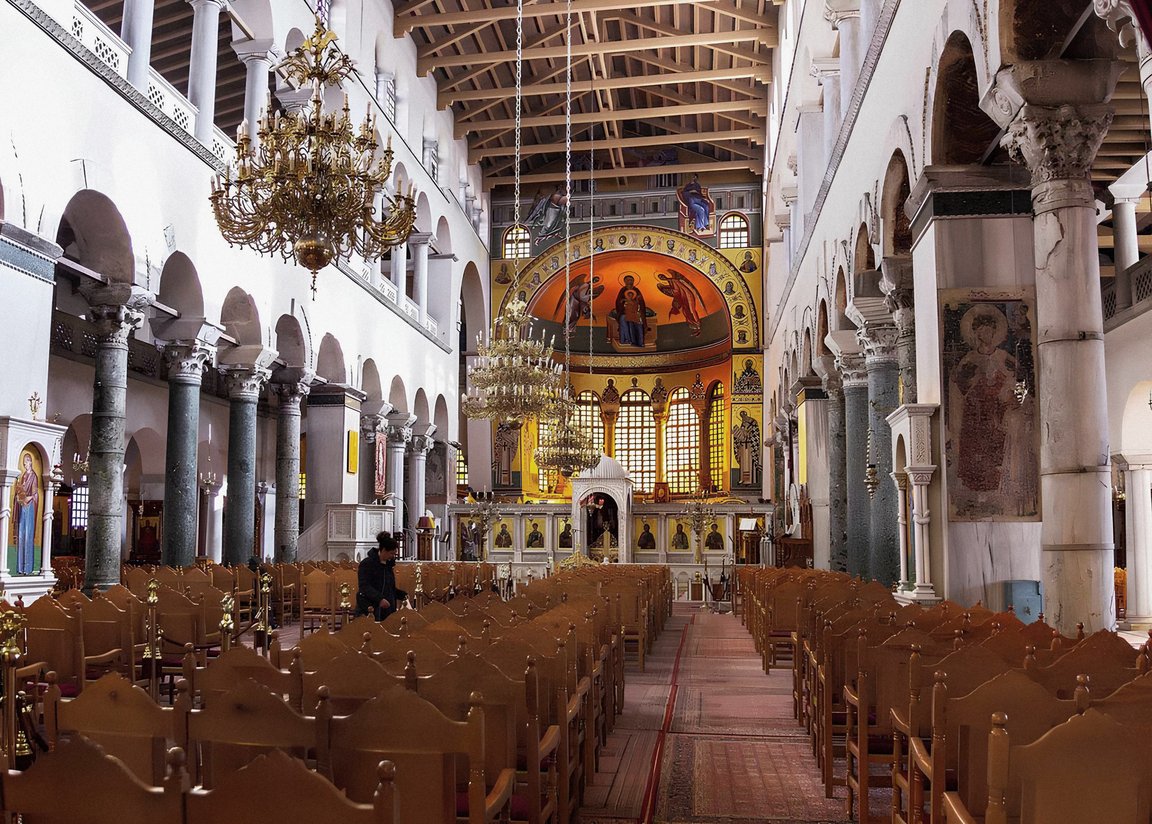
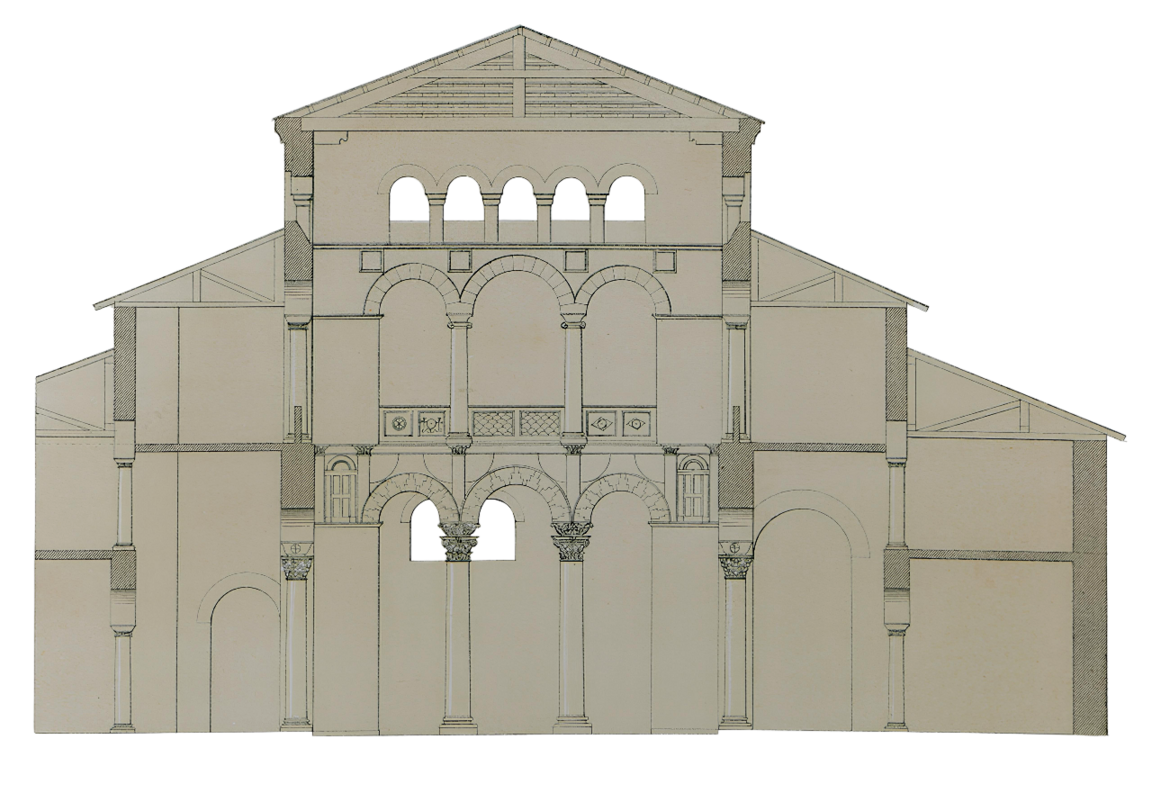
St. Demetrius Basilica Salonica, Greece, 5th Century
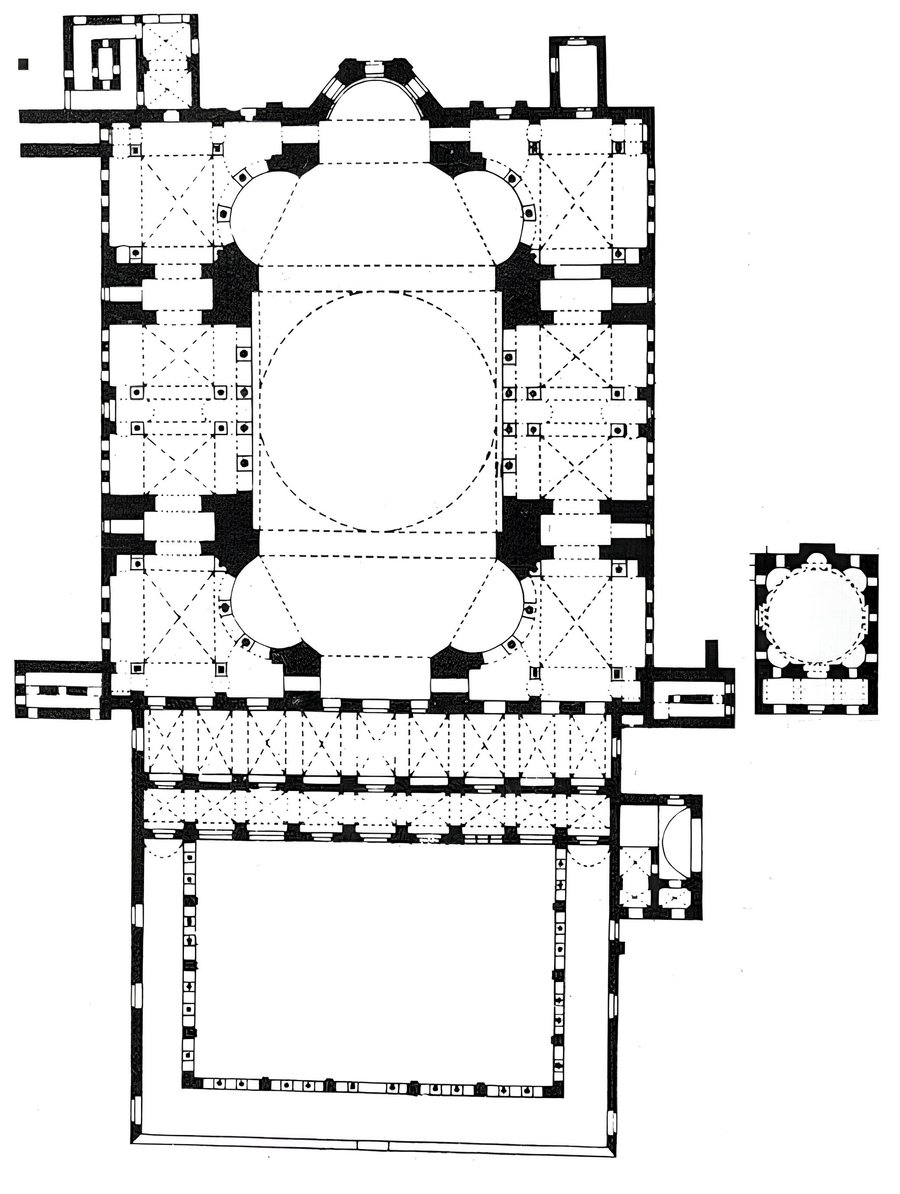
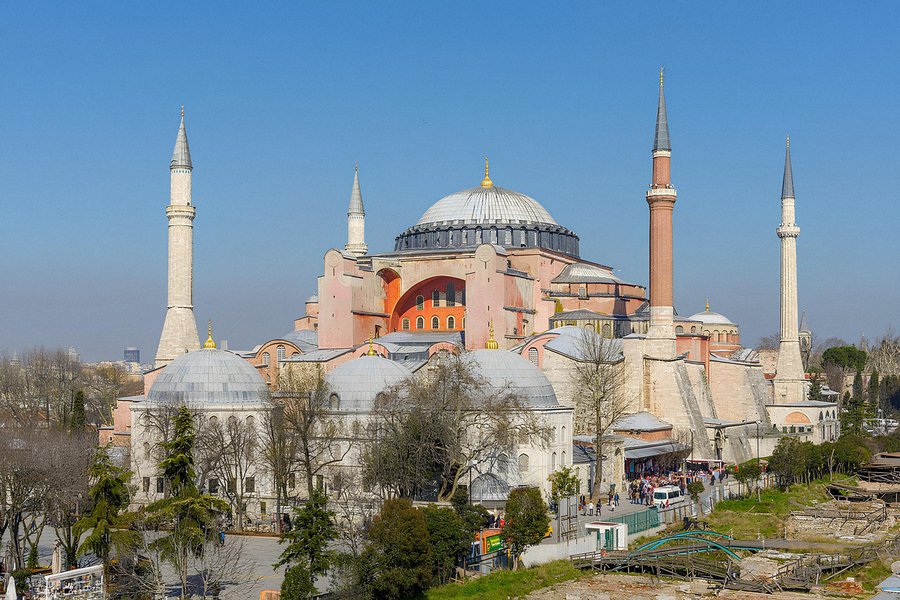
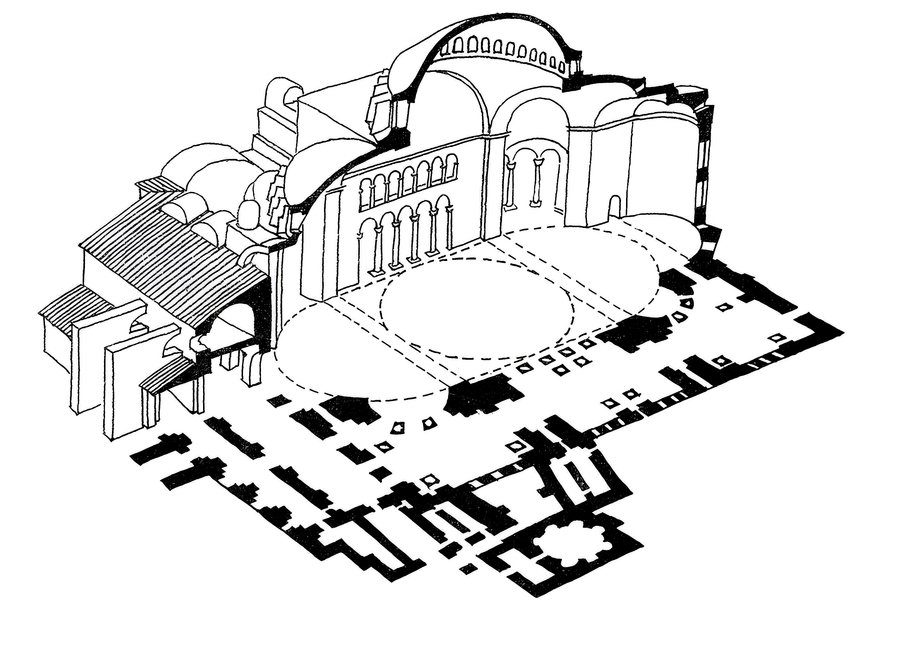
Hagia Sophia Cathedral Constantinople, 6th Century
Hagia Sophia Cathedral: A brilliant synthesis of the basilica and the centralized temple. The enormous dome, seemingly floating above the space, became a universal symbol of the «heavenly vault» for the Christian world.
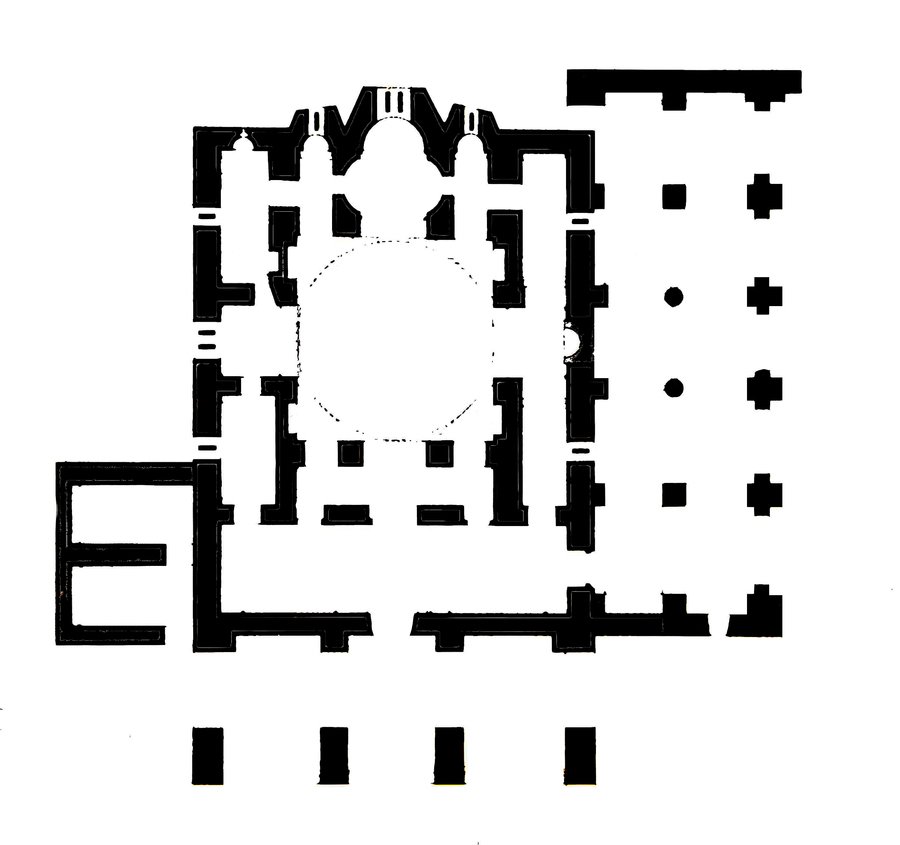
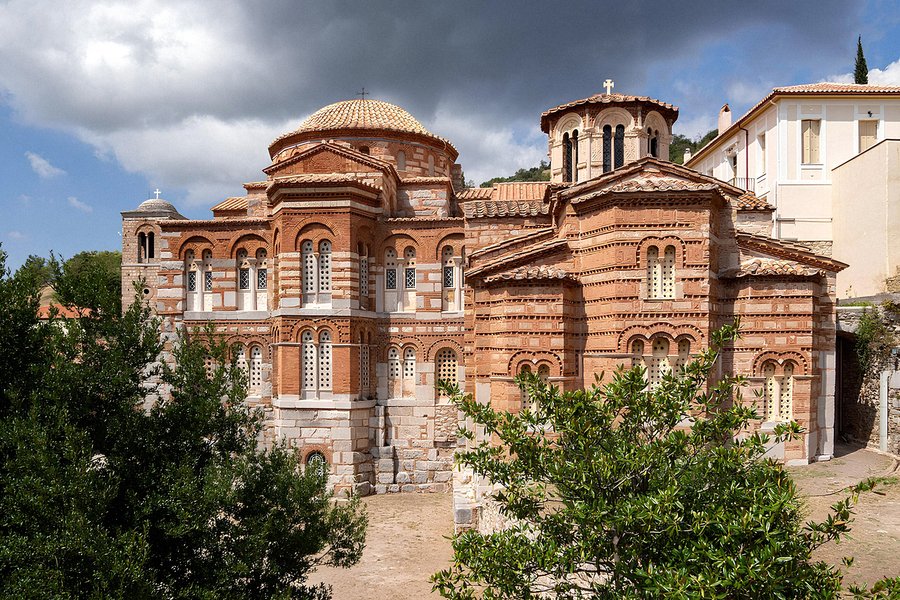
Ossiaos-Lukas Monastery, Greece, 11th Century
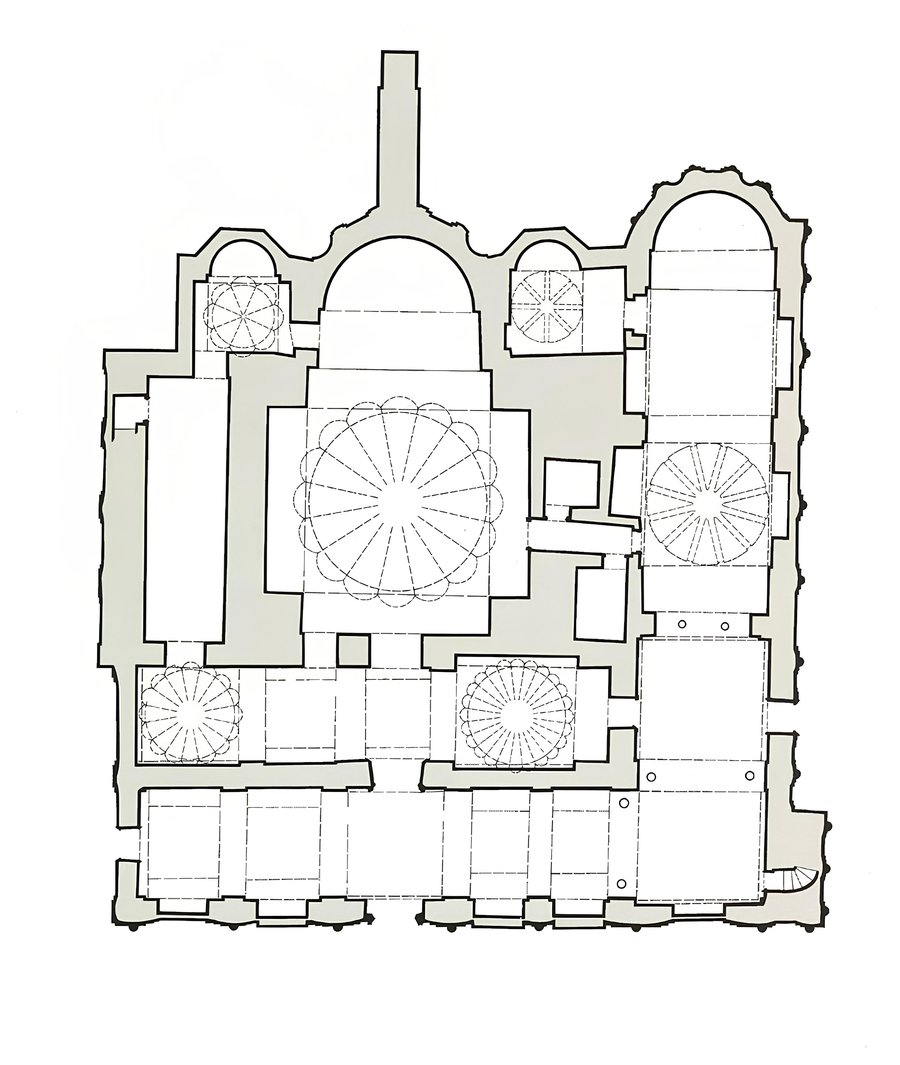
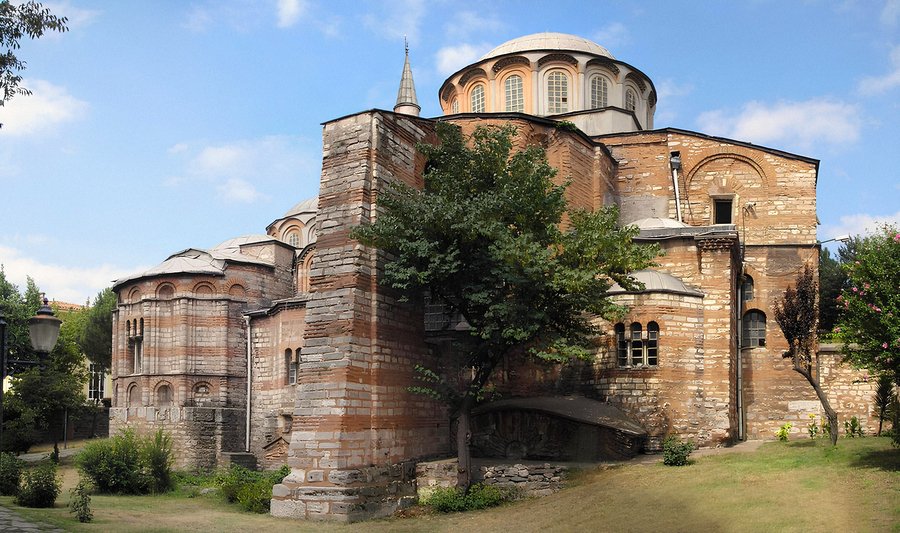
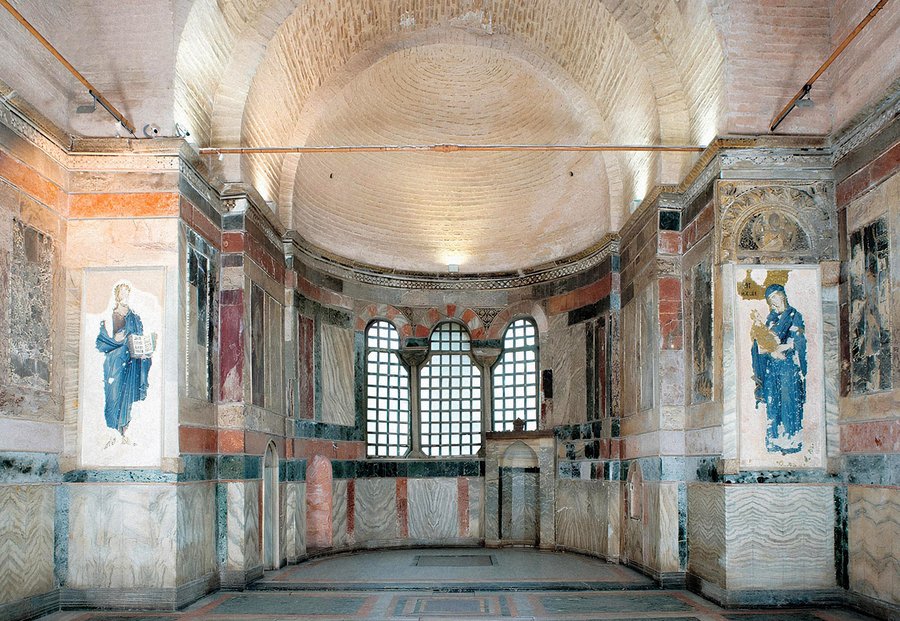
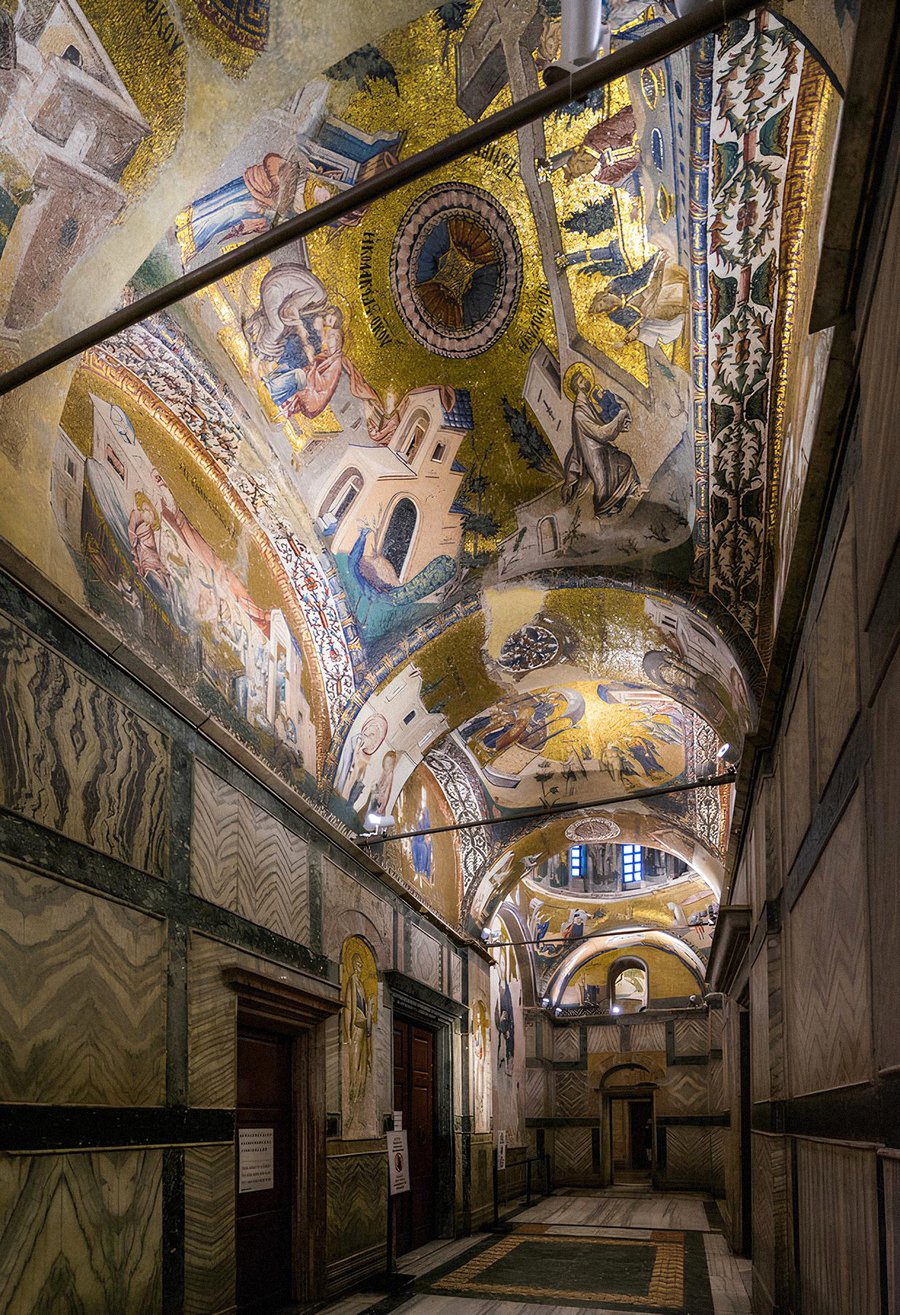
Chora Monastery Constantinople, 14th Century
(2.3) Armenia and Georgia — A Caucasian Accent
Armenian architects created a unique variation of the cross-domed church, characterized by strict geometry and verticality. Their composition is often centralized, emphasizing a tall conical or tented dome that dominates the building’s silhouette. The churches are constructed from carefully hewn volcanic tuff, and the conciseness of their forms underscores their sculptural power.
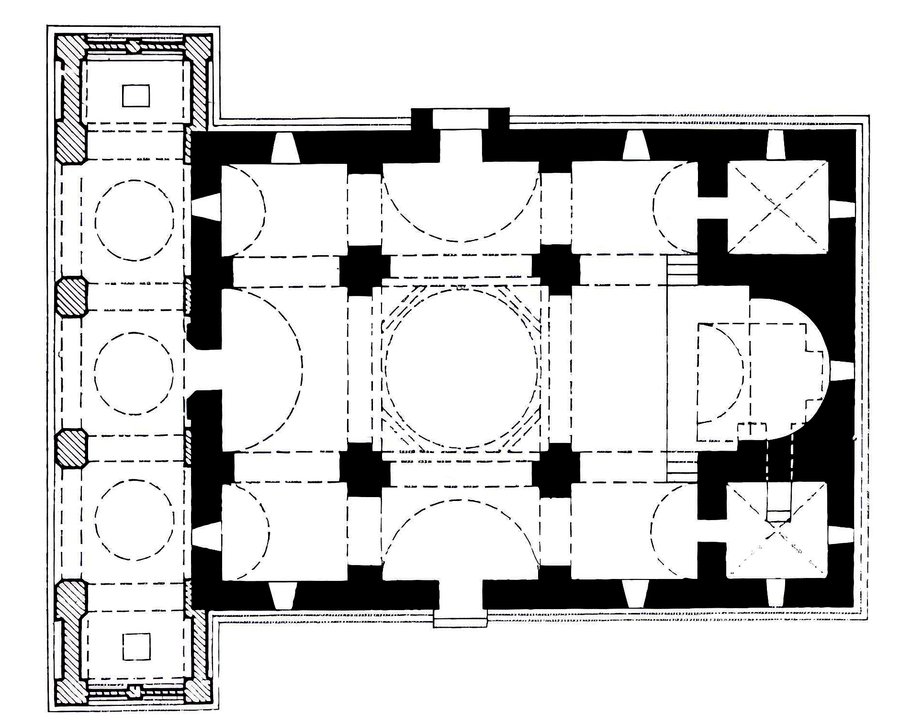
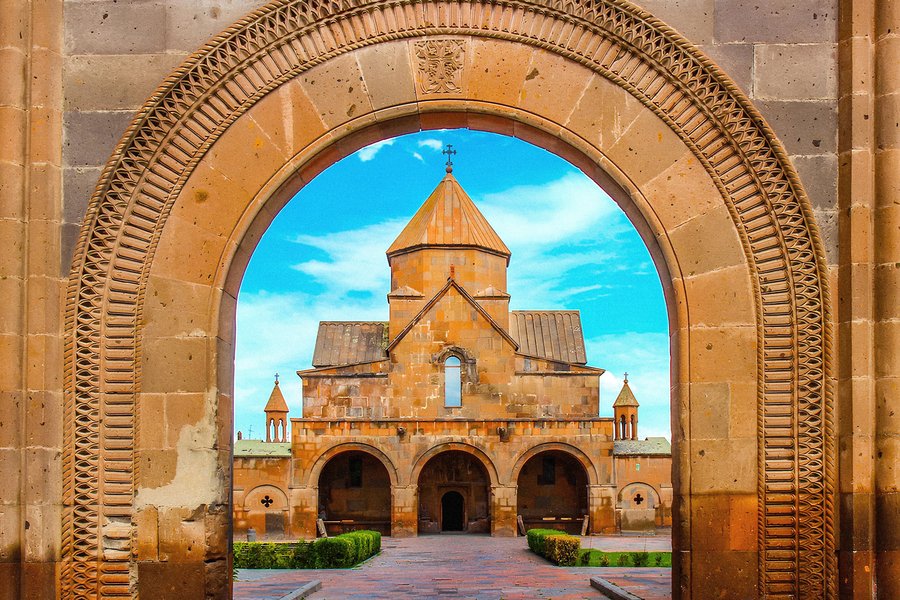
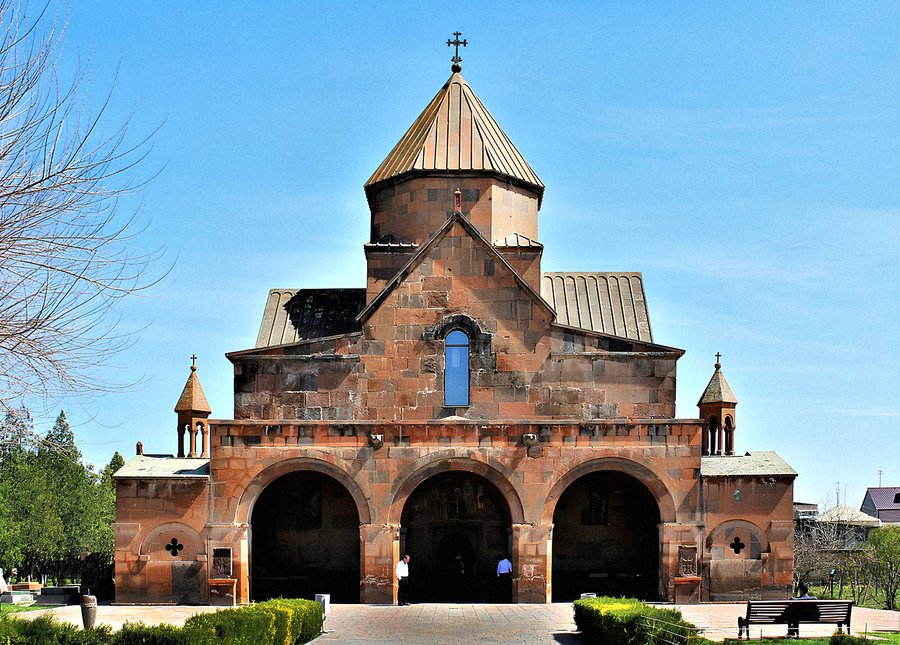
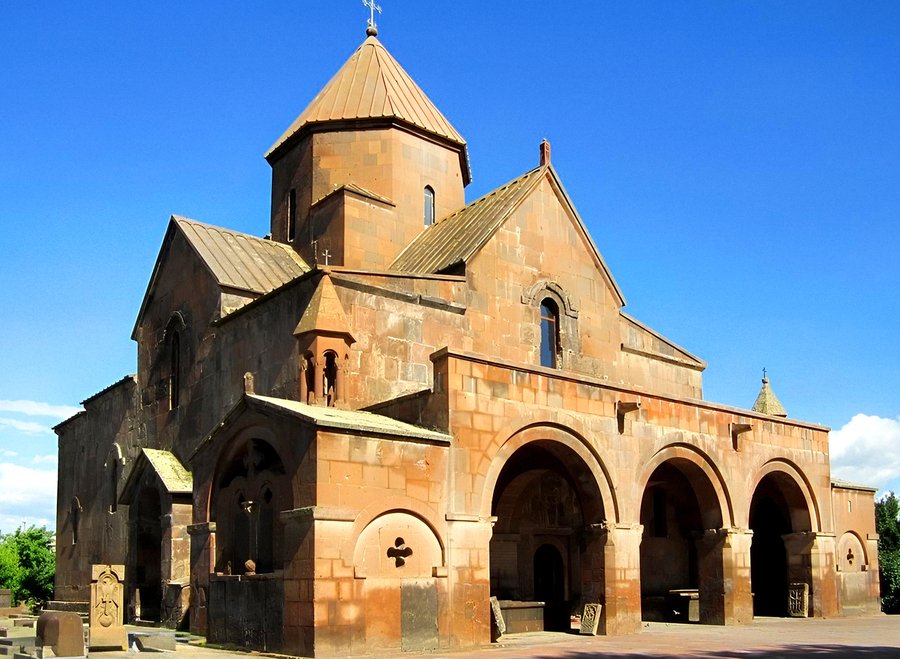
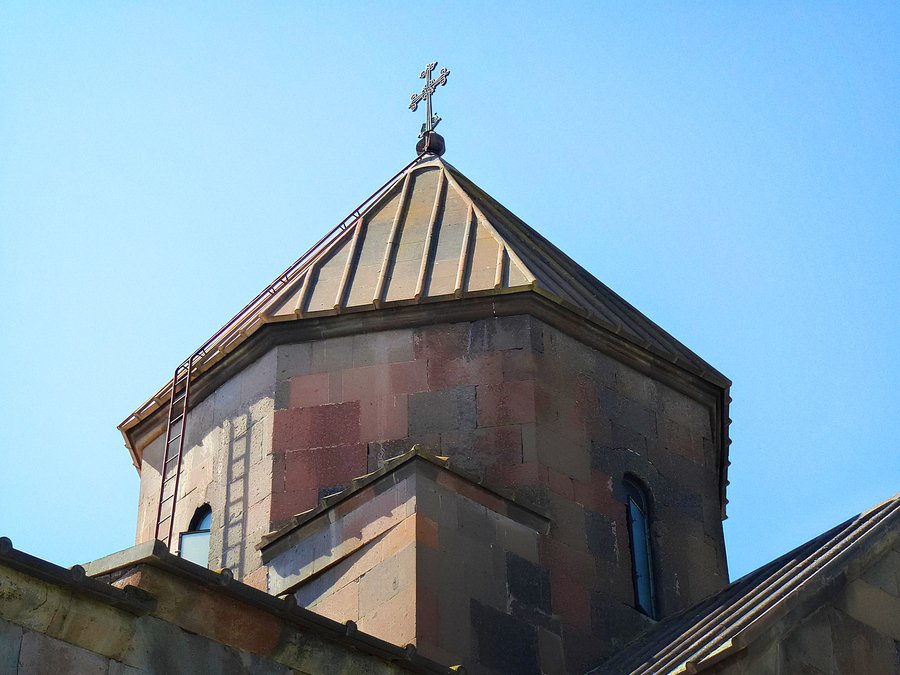
Church of St. Gayane Vagharshapat, 7th century.
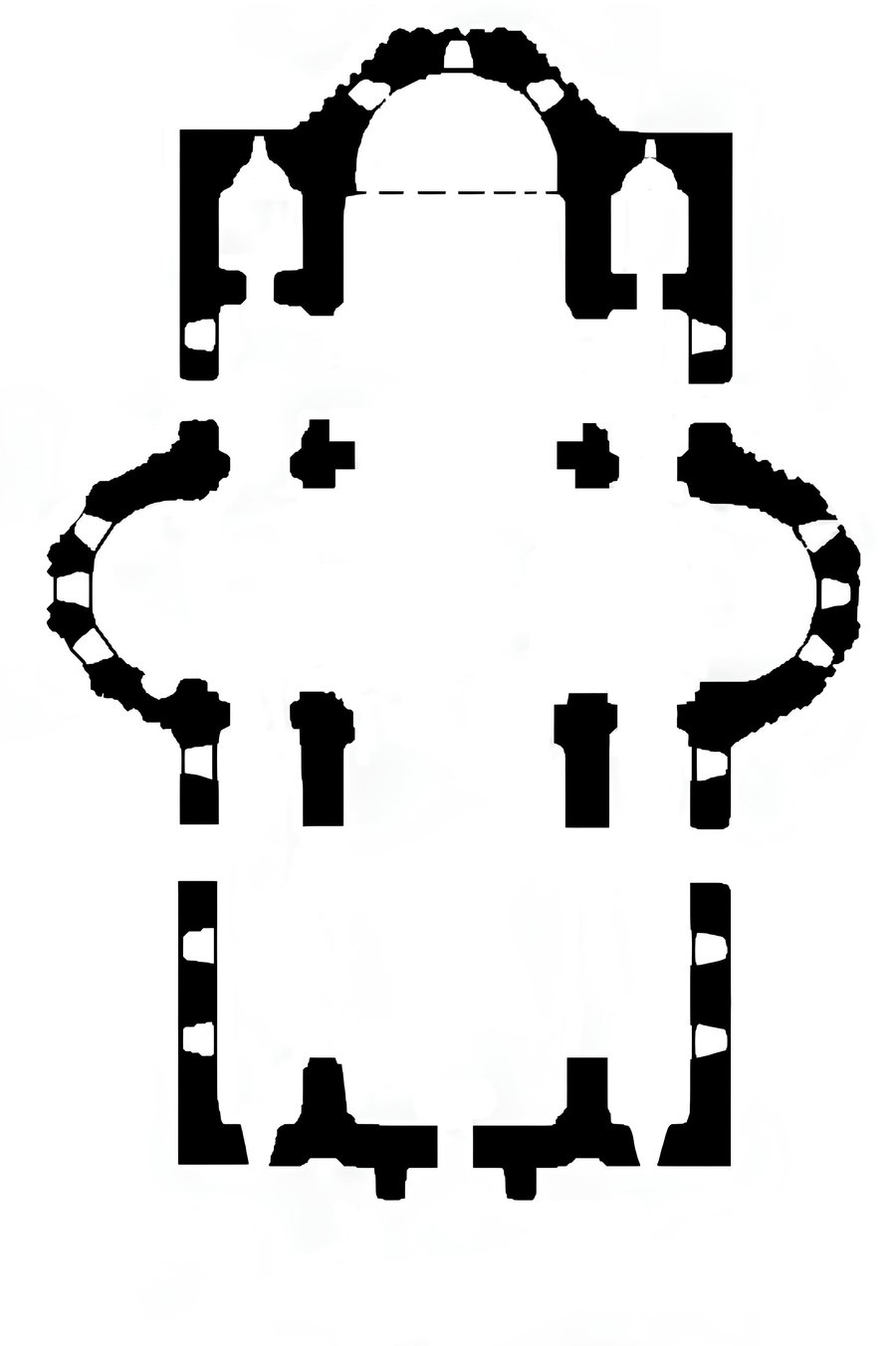
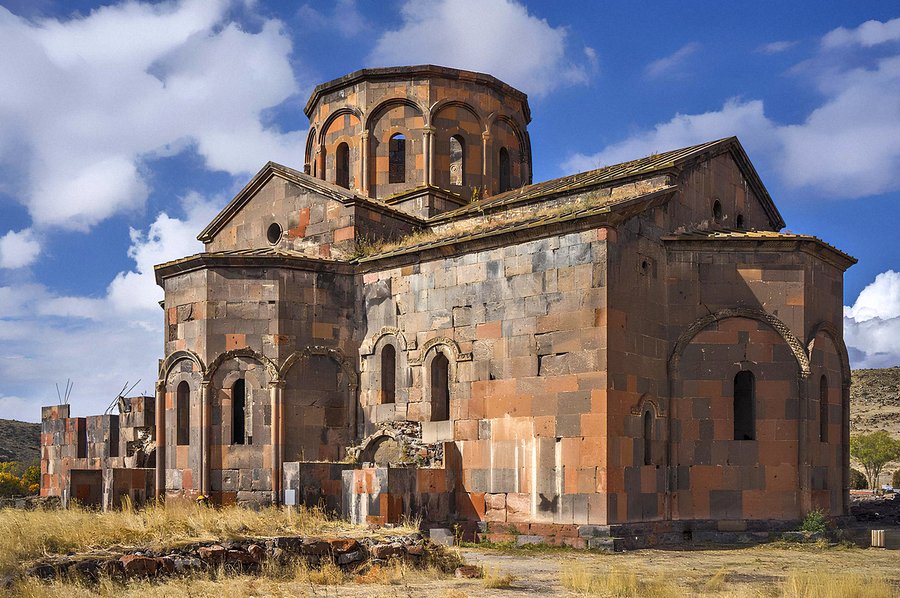
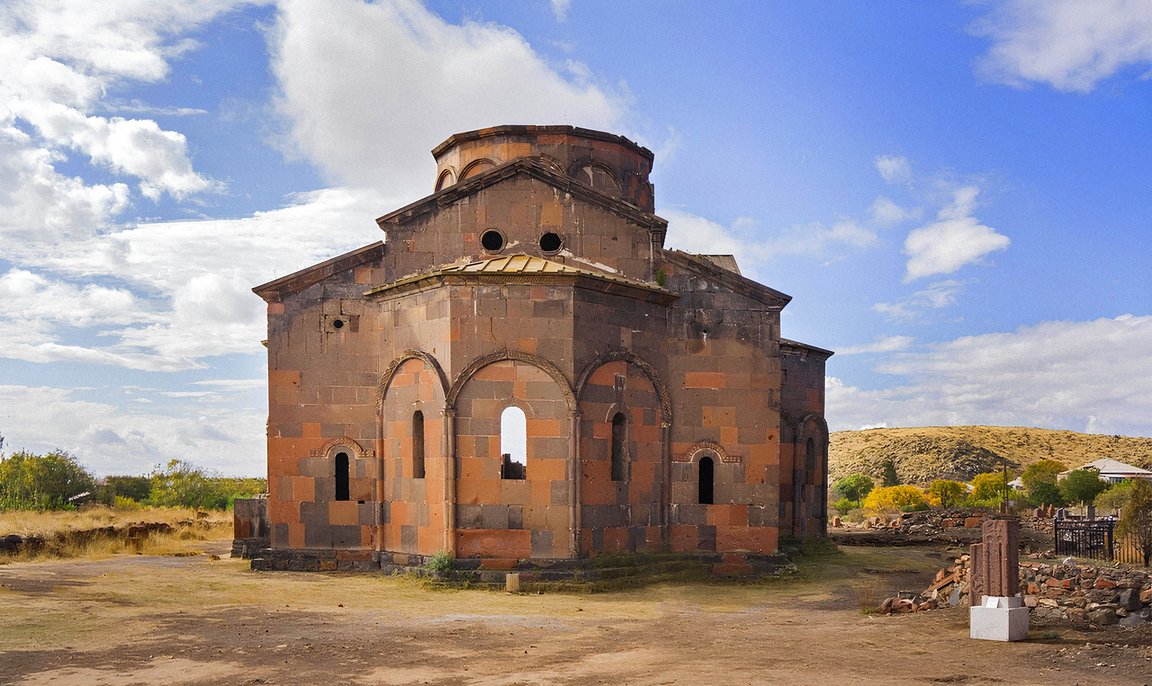
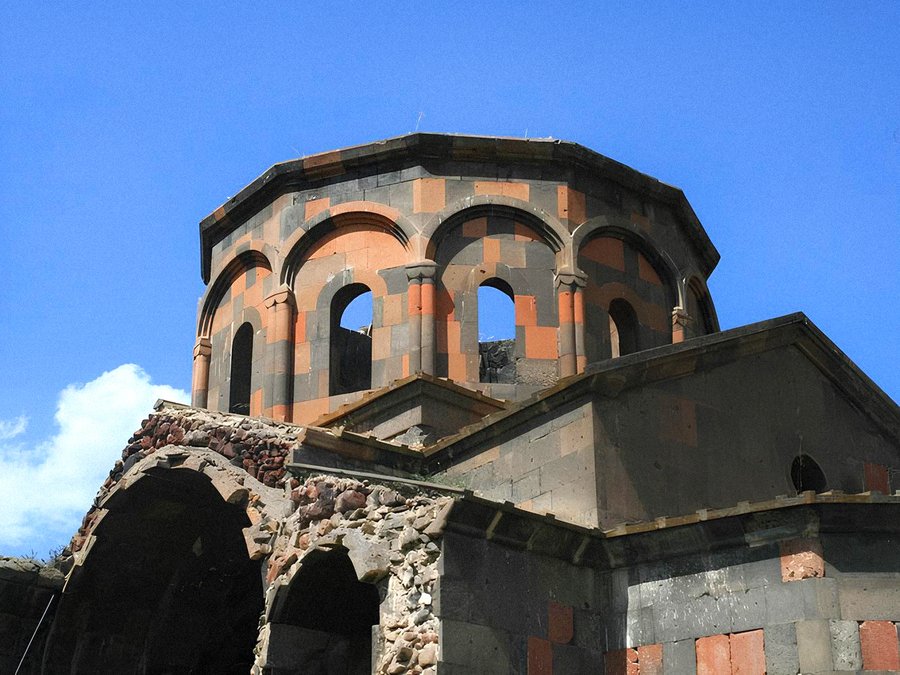
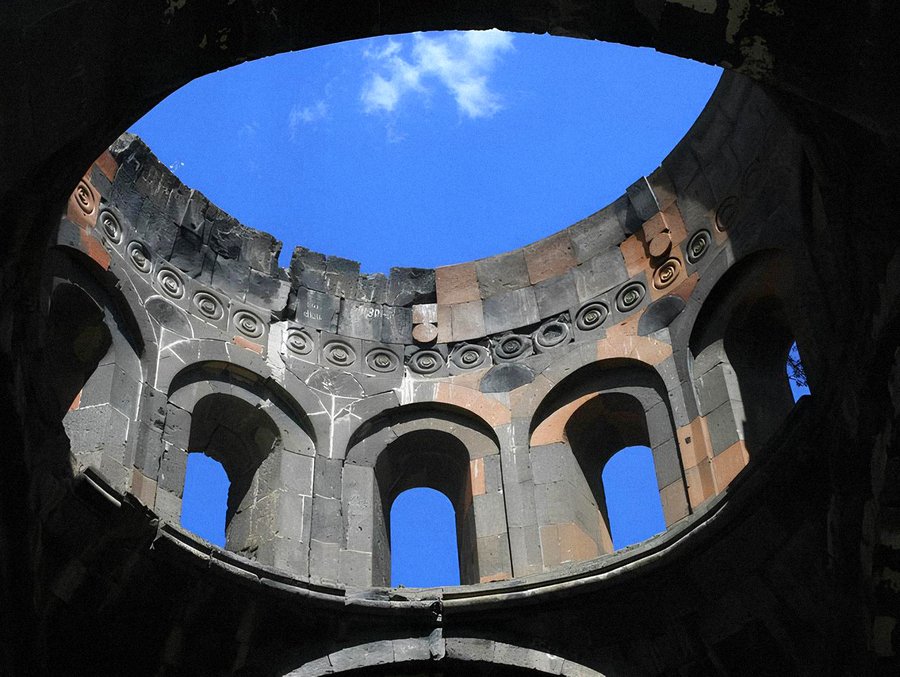
Tallinn Cathedral Tallinn, 7th Century
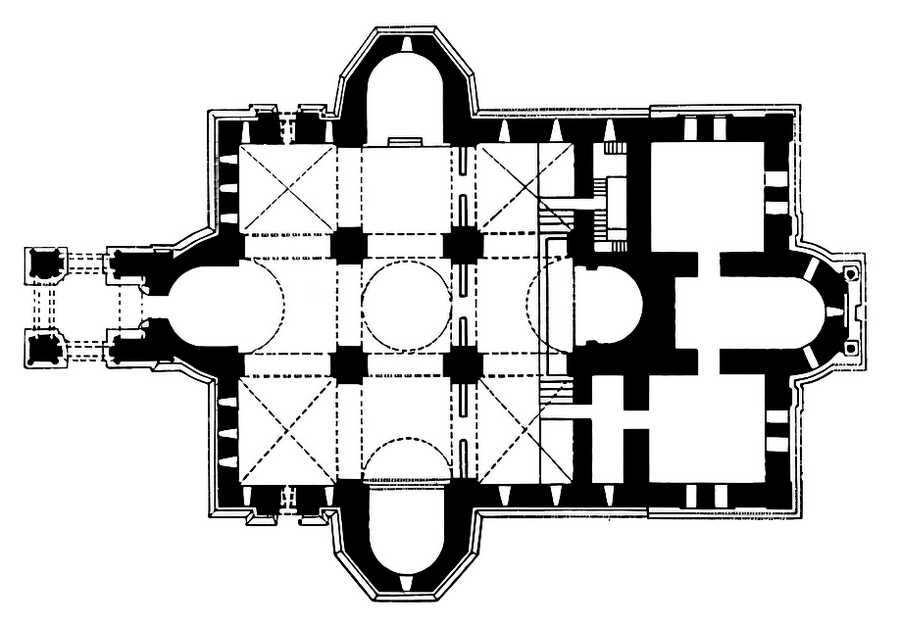
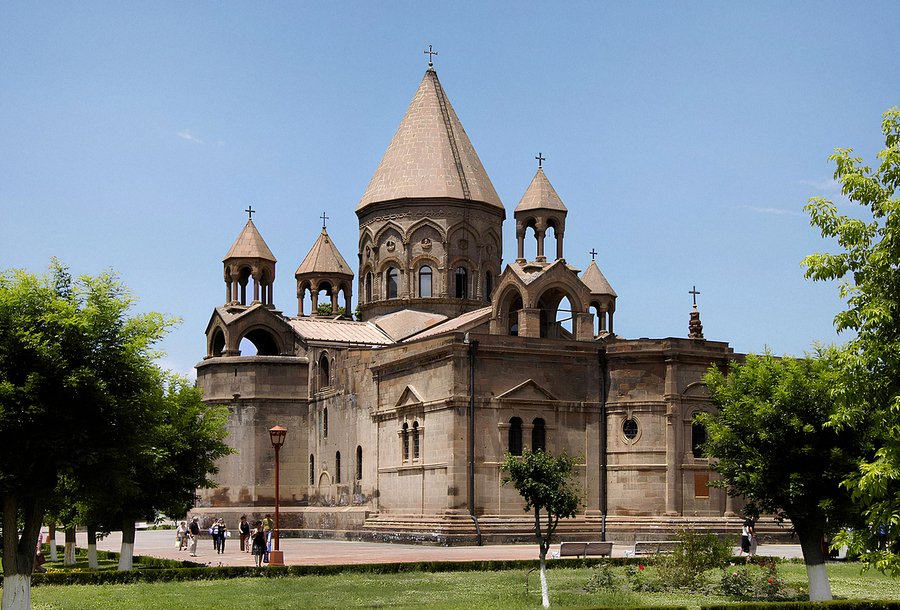
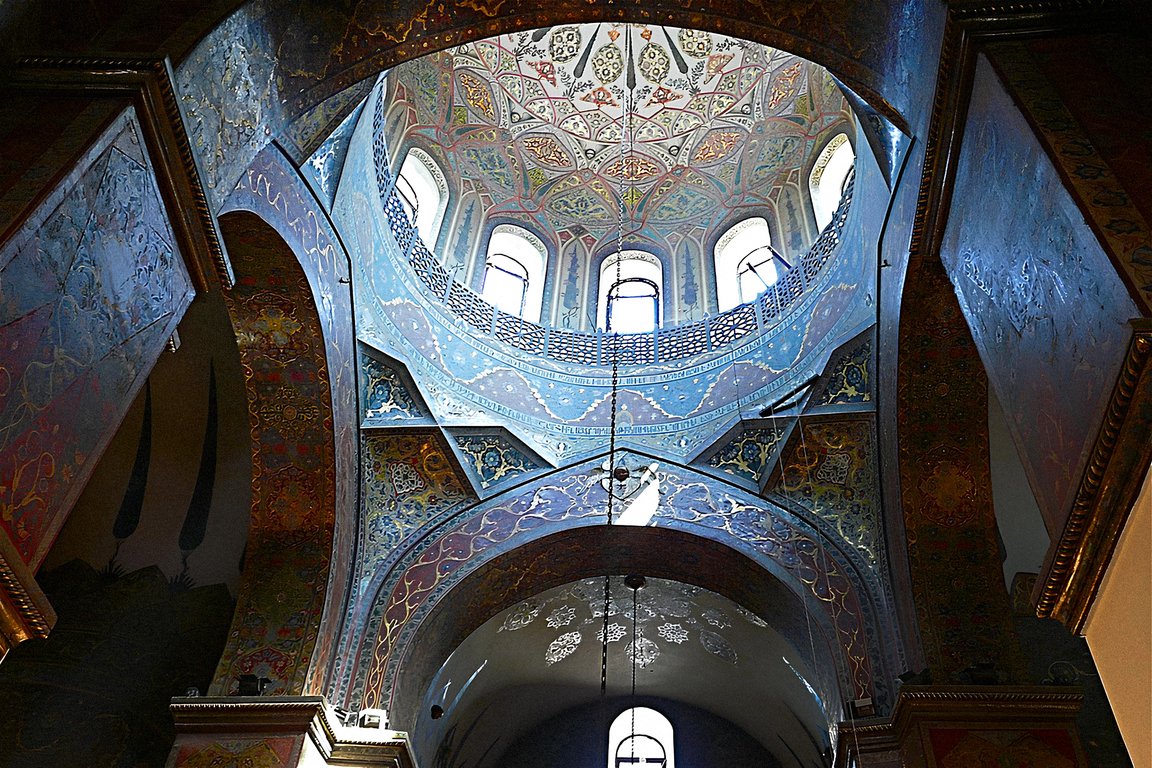
Etchmiadzin Cathedral Vagharshapat, 4th century
Georgian architecture developed the «inscribed cross» type toward compact, proportionally ideal forms. Its characteristic feature is the delicate stone carving that adorns the facades and window openings. The external volume of the church typically precisely follows the internal structure, creating a unified and harmonious image.
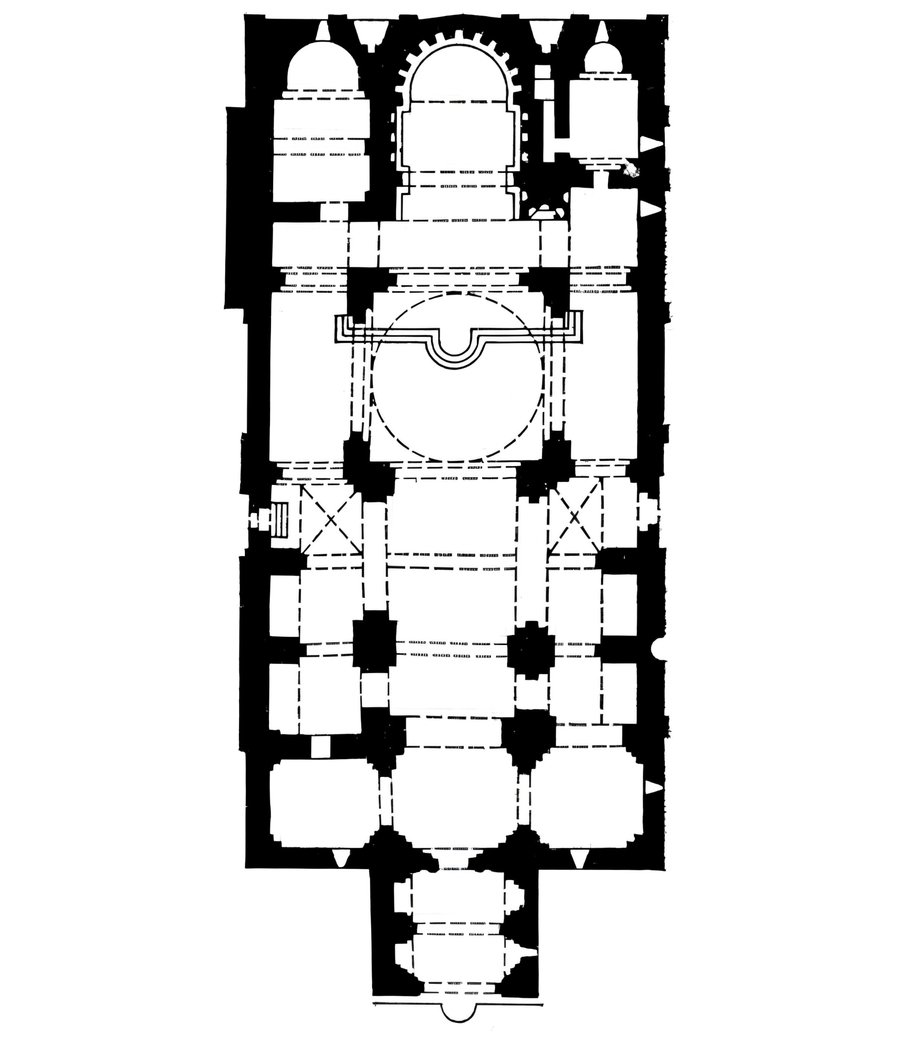
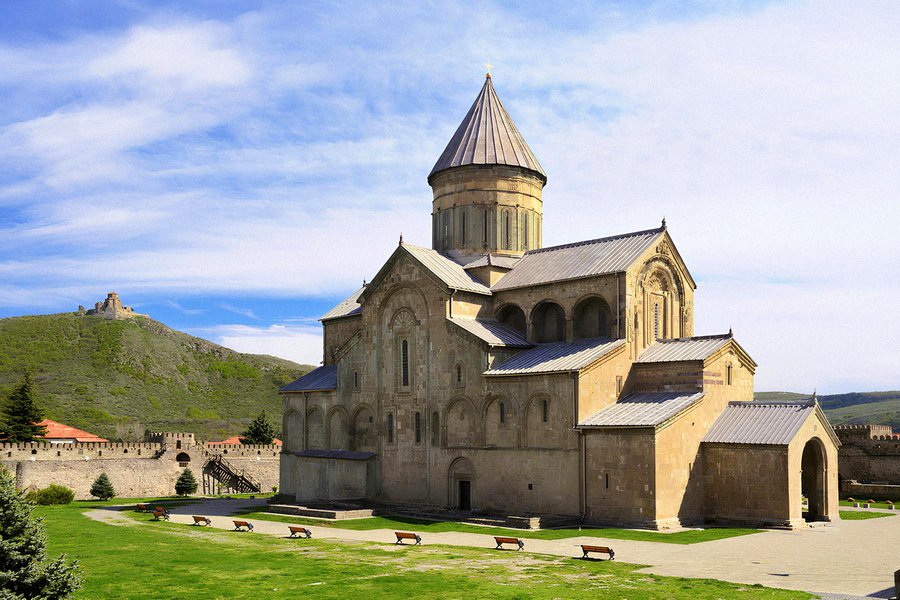
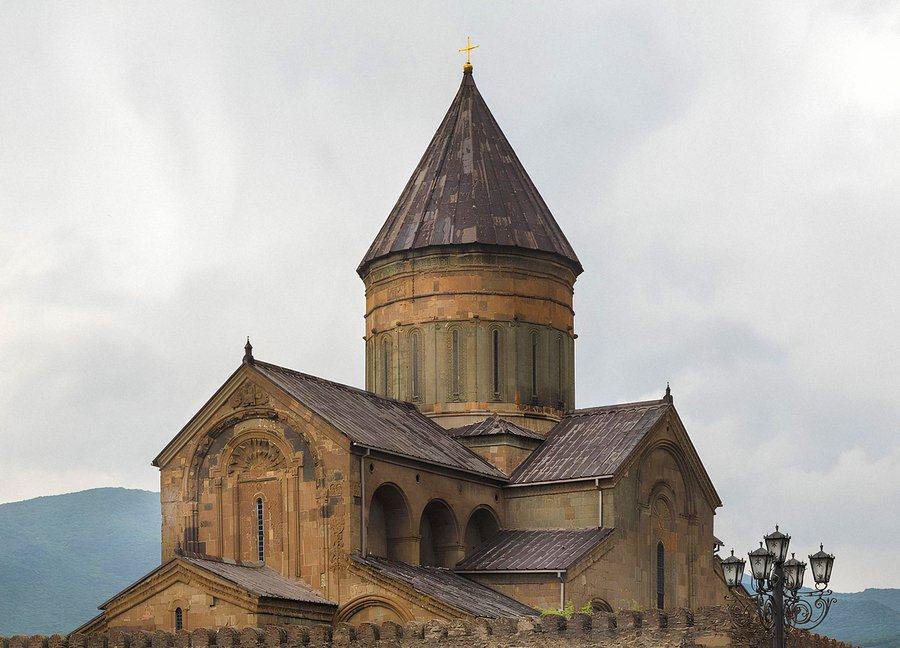
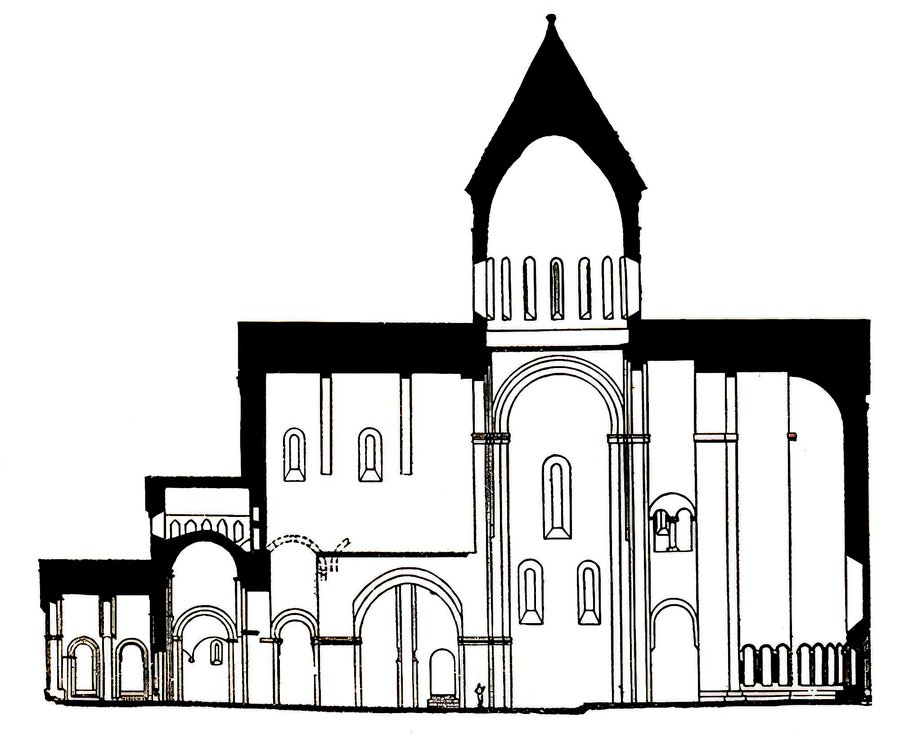
Svetitskhoveli Cathedral Mtskheta, 11th Century
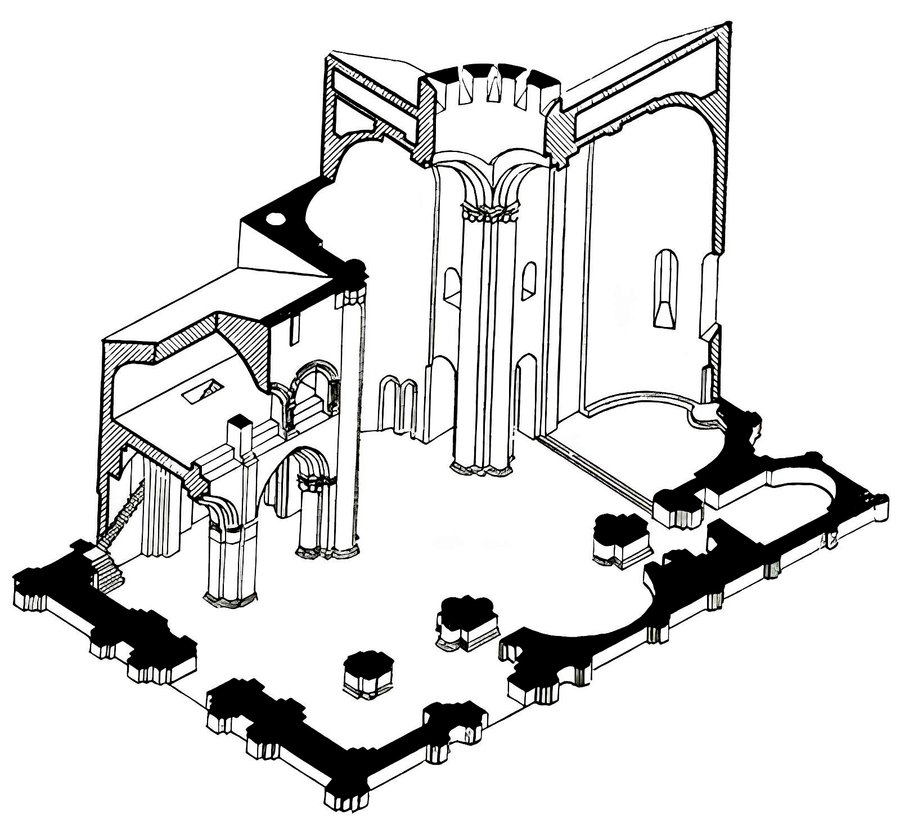
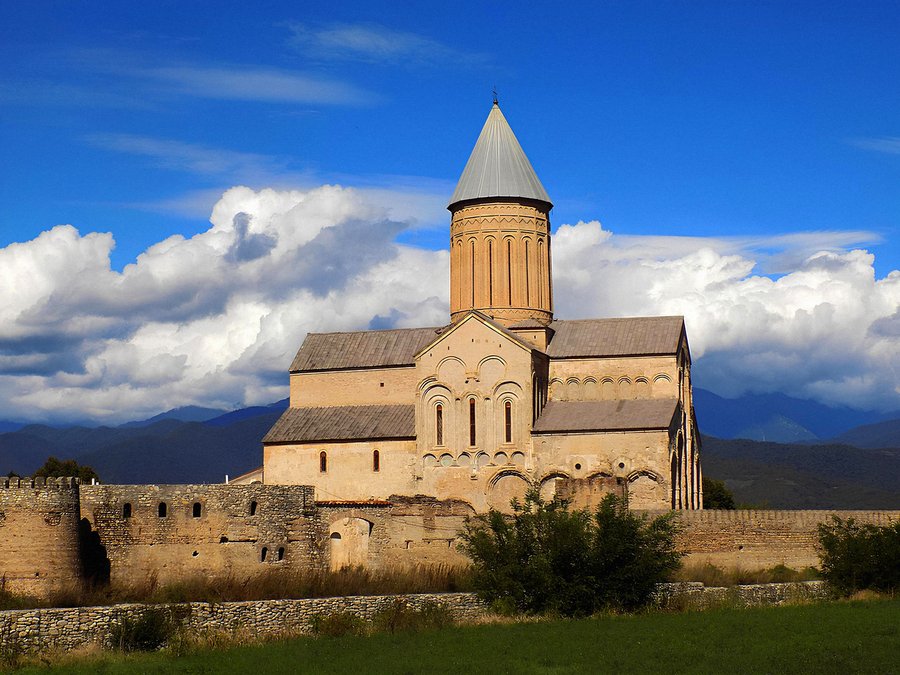
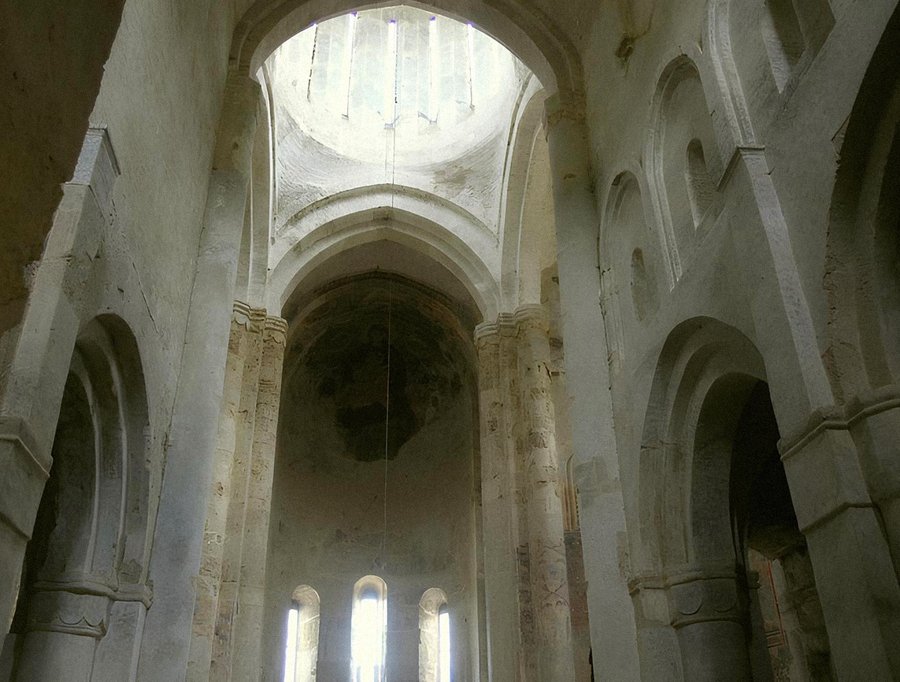
Alaverde Monastery Alaverde, 11th Century
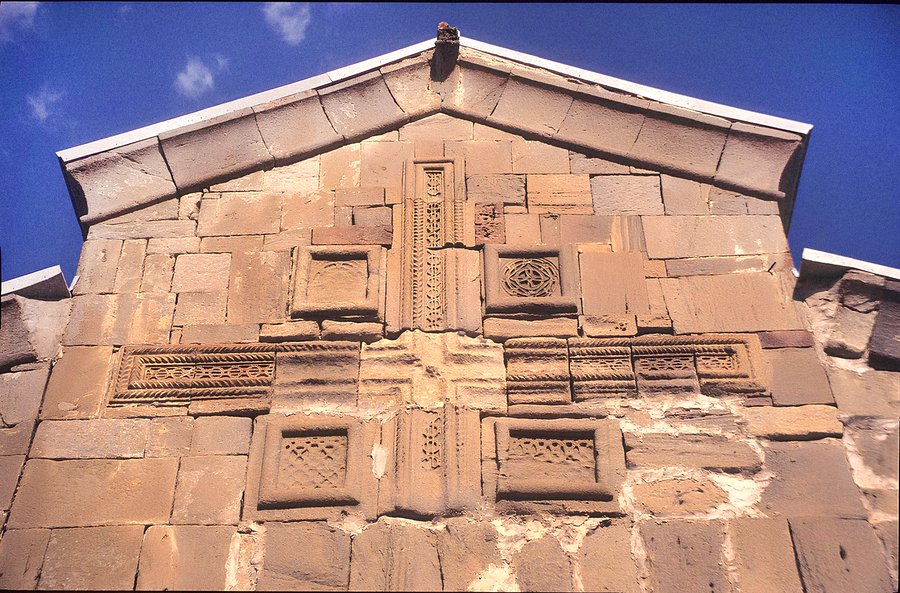
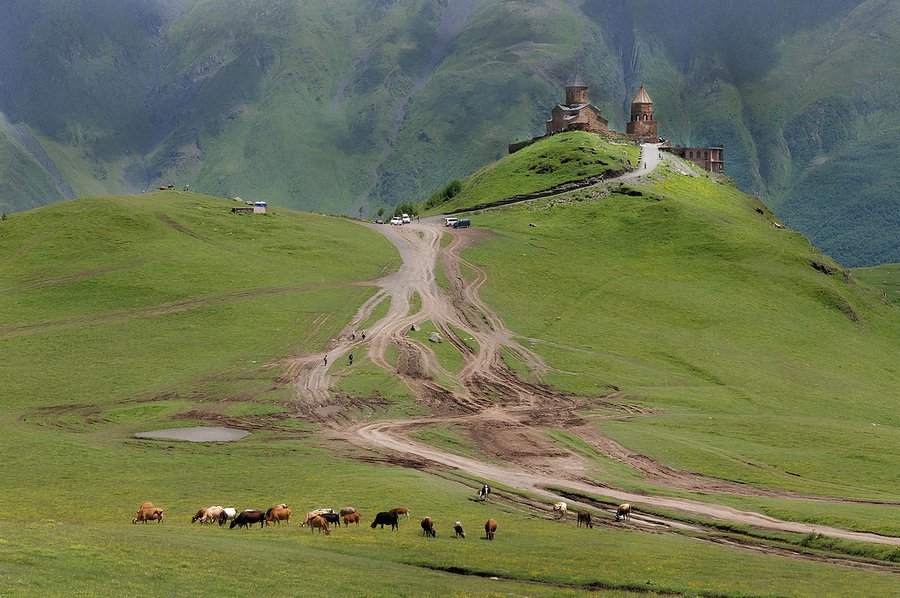
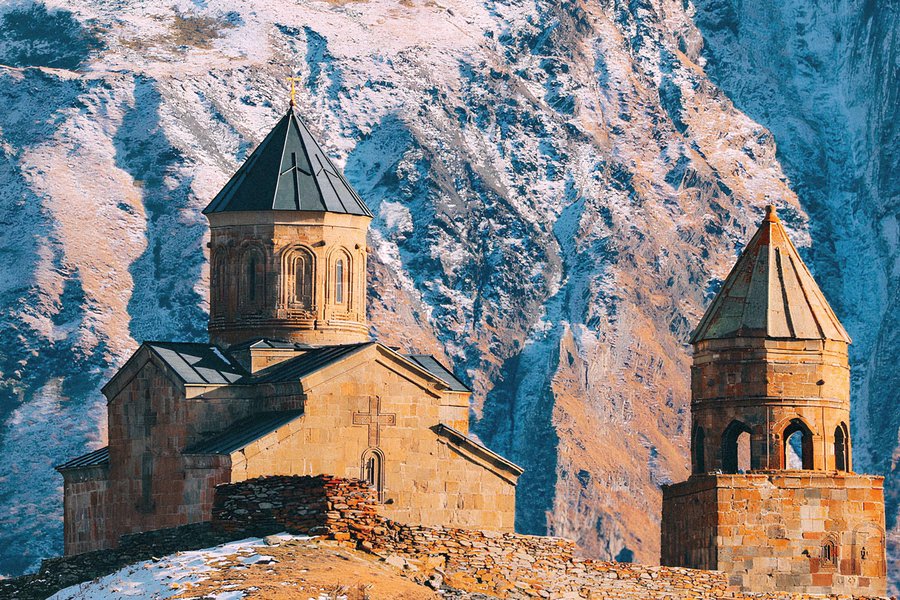
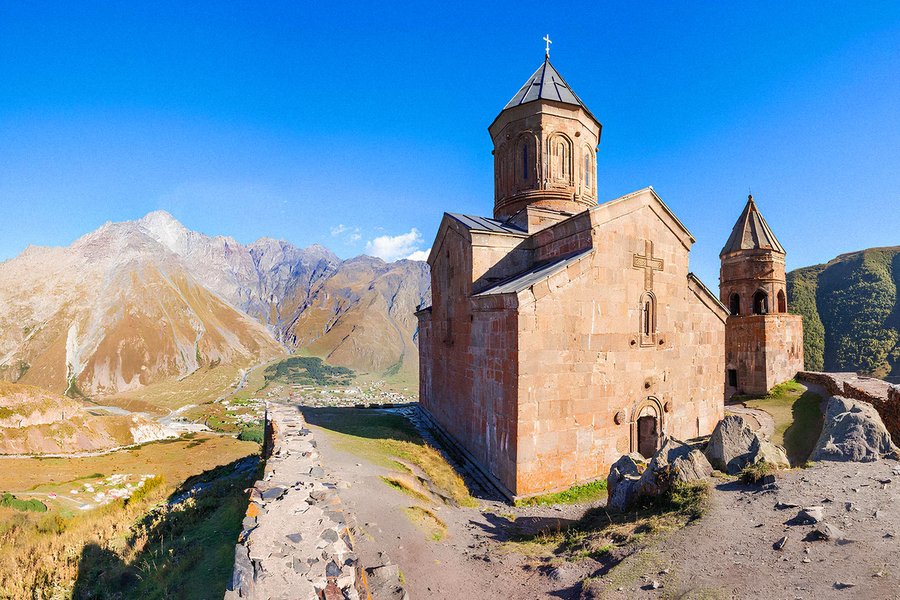
Gergeti Trinity Church Mtskheta-Mtianeti, 14th century