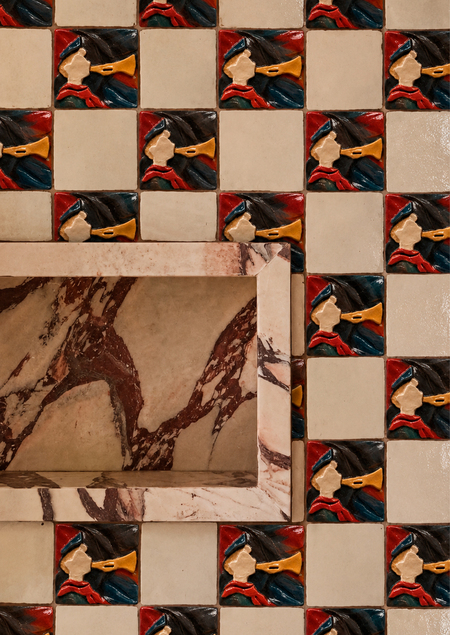
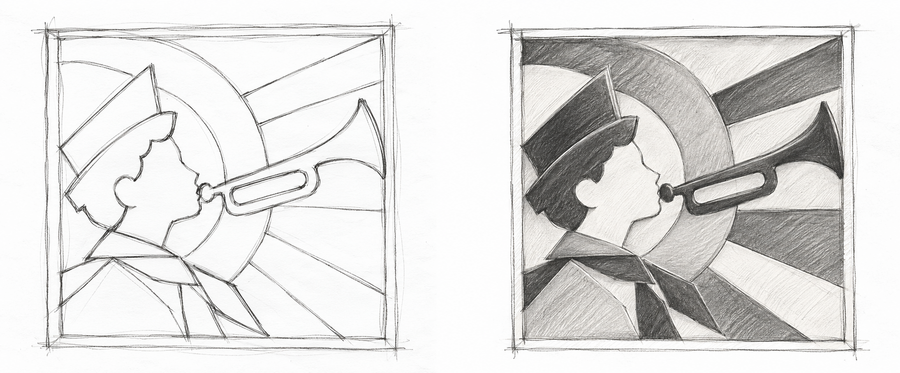
The project is fundamentally rooted in the image of the pioneer-trumpeter, which relates to the history of the Pioneer Palace in Tver and its original creative and educational function. This recognizable historical symbol is reinterpreted through bas-relief: the figure is simplified, takes on a more geometric character, and becomes a standalone decorative element. This approach allows a connection to the building’s past to be maintained without literally reproducing its architecture, thereby transferring the historical image into a contemporary interior. The final piece is envisioned as accent ceramic tile, measuring 10×10 cm, which blends the historical image with a modern formal language.
Sketch
Prototype
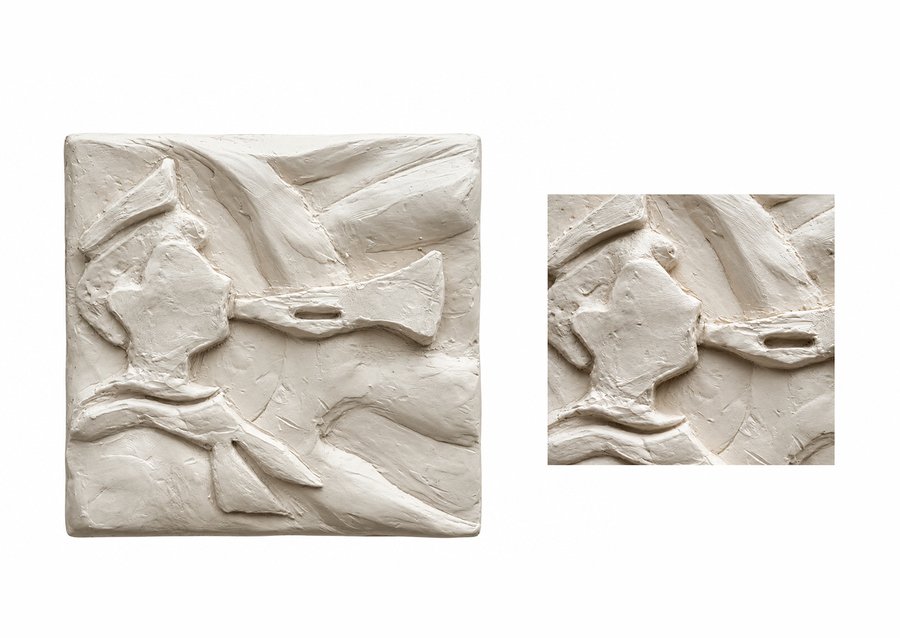
Tile prototype made from sculptural clay
Assembling the Fill Form
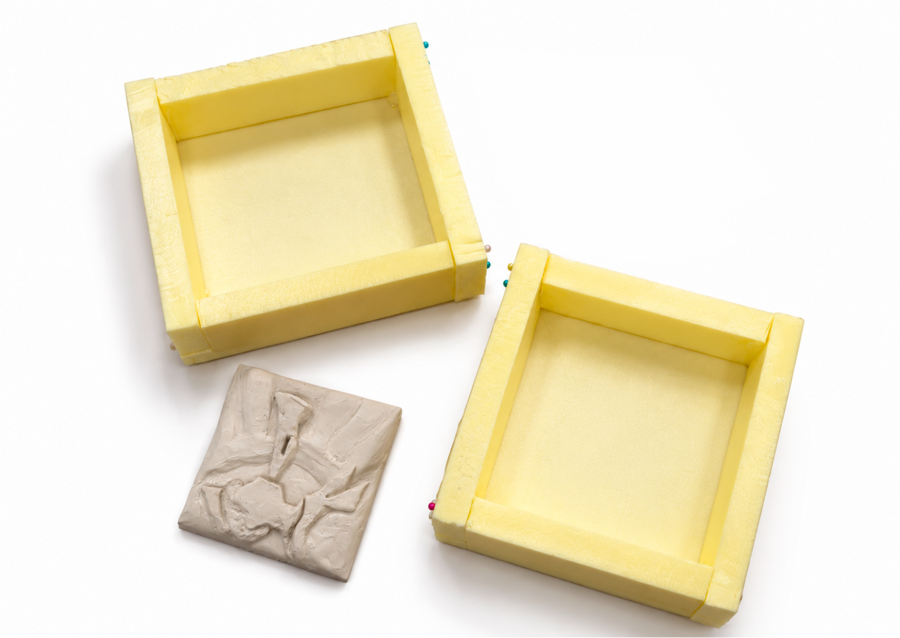
Foamboard Formwork
Casting Process
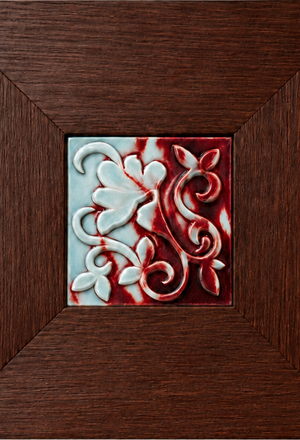
Color Options
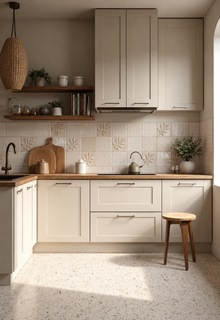
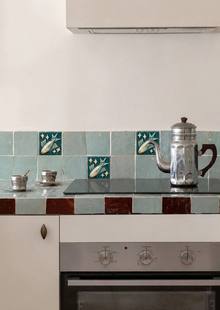
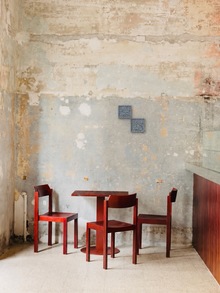
Interior Visualizations
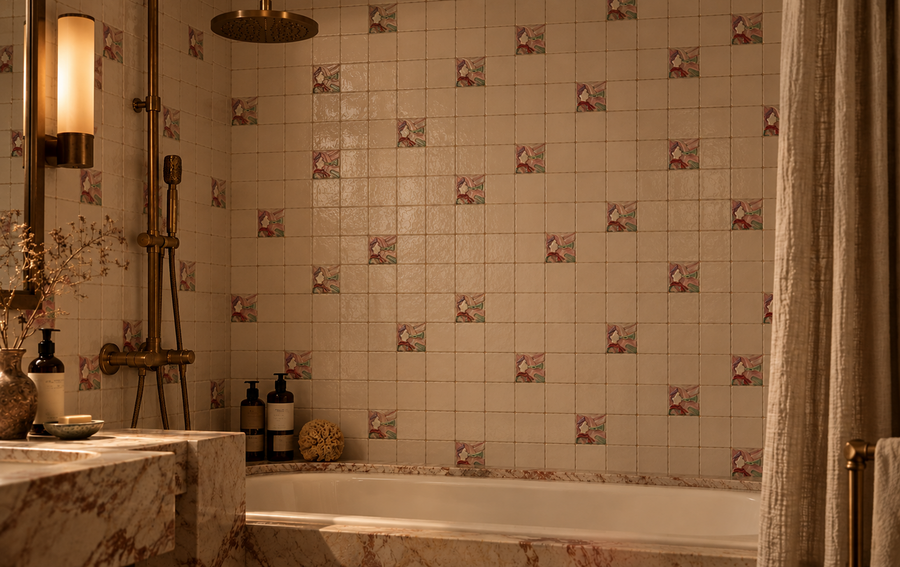
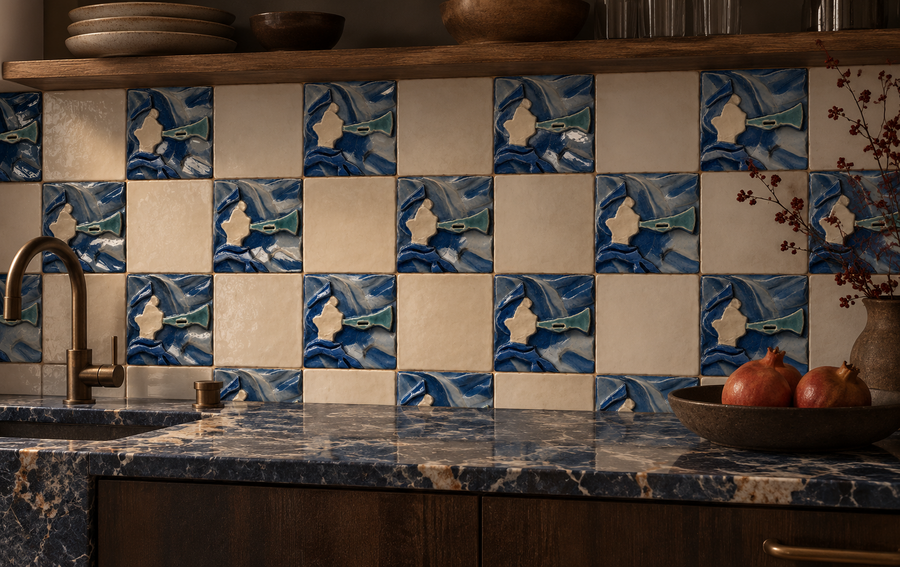
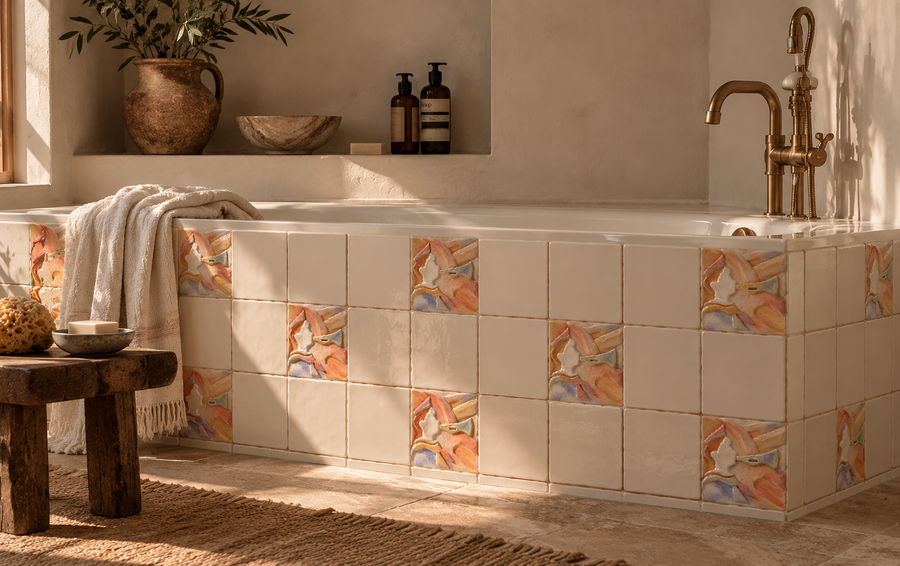
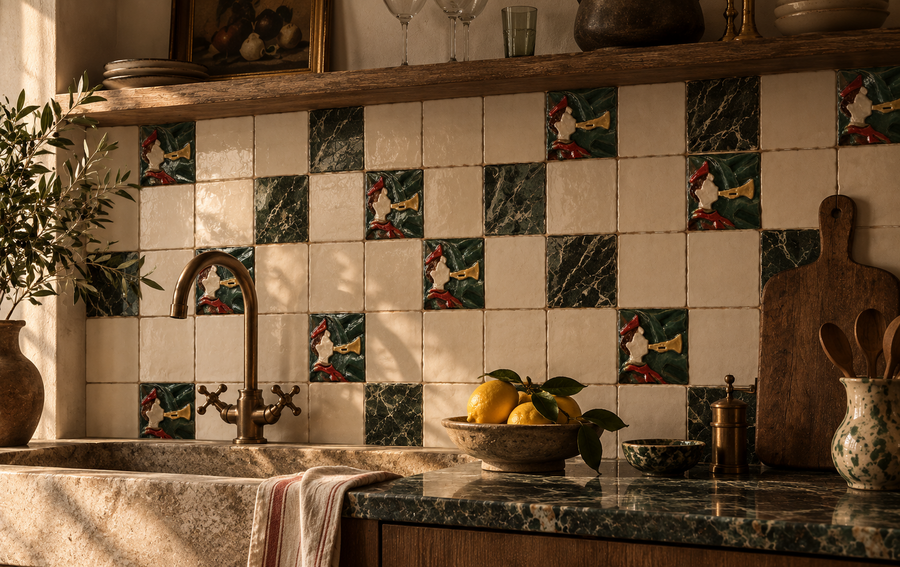
Project visualizations were created using the ChatGPT (OpenAI) artificial intelligence.
Workflow:
What has been completed:
[01]. Master model creation
A bas-relief prototype of a tile, featuring a piper pioneer, was created using sculptural plasticine. The composition and the main relief levels were determined during this process.
[02]. Casting mold assembly
A foam board mold was built around the finished master model to define the boundaries of the future plaster mold.
[03]. Obtaining the plaster mold
The prepared master model was cast in plaster. After it cured, the formwork was disassembled, and the plasticine was removed, yielding a negative relief mold.
Next Steps
[04]. Shaping Ceramic Tiles
Fill the cast plaster mold with ceramic material. After forming the relief, remove the piece and allow it to dry completely.
[05]. Bisque Firing
Subject the dried piece to the first firing to give the material strength and prepare the surface for further processing.
[06]. Glazing
Apply a glaze coating to the fired tile, which will accentuate the varying height and plasticity of the relief.
[07]. Final Firing
Perform a second firing to set the glaze and achieve the finished ceramic piece.