I. Media Concept
Helping artists choose a production method and find a suitable workshop.
«TSEX» is aimed at students in art programs and emerging artists who need to realize a physical object. The user may have a sketch or a finished digital model, but they struggle to determine the manufacturing technology and find the right contractor.
The platform compiles a unified catalog of workshops in Moscow and the Moscow region. For each production service, available technologies, materials, and source file requirements are listed. Users can compare workshops based on the type of task and production capabilities.
An AI assistant analyzes the idea description or an uploaded sketch, suggests possible manufacturing methods, and helps prepare the technical specifications. Editorial materials explain production processes using examples of artworks.
Result: The user determines a possible method for realizing the project, finds suitable workshops, and independently drafts a cost estimate request.
Target Audience:
Start Production A student in an art program contacts a workshop for the first time. They want to understand how to fabricate a piece and what materials to prepare for the order.
Find a Contractor An emerging artist works with various materials and is looking for a workshop with the necessary specialization for a new project.
Translate to Material An artist with digital experience creates 3D models. They want to select the technology for manufacturing a physical object and prepare the file for production.
Translate to Material An artist with digital experience creates 3D models. They want to select the technology for manufacturing a physical object and prepare the file for production.
Organize an Exhibition A curator or producer is looking for contractors to create artworks. It is important for them to consider the workshops' production capacities and implementation timelines.
Image created with ChatGPT
What Sets Media ApartThe search for a production method begins with describing the artistic concept or uploading a sketch.Workshops of different specializations are gathered in a single catalog with unified comparison parameters.AI helps determine possible technologies and prepare the initial request for a contractor.Themes and SelectionThe focus is on the production of individual art objects and exhibition structures. Main directions include metalworking, woodcraft, plastic fabrication, 3D printing, casting, and printing on finished materials.Initially, the catalog covers Moscow and the Moscow Region.To be included in the catalog, a workshop must provide information about available technologies, materials, and product sizes. The capability to execute unique artistic commissions is taken into account. Preference is given to production facilities that have examples of realized projects.Material stores and services for mass production of souvenirs are not included in the catalog.
II. Platforms and Categories
WebsiteThe main platform: a catalog of workshops, instructions, and analyses of artistic object production. Navigation is organized by material, technology, and task type. An AI assistant is available for preliminary selection of manufacturing methods and the drafting of technical specifications.TelegramShort analyses of technologies, production memos, and examples of completed projects. Announcements for new workshops and website materials. Each post addresses a specific question from an artist.
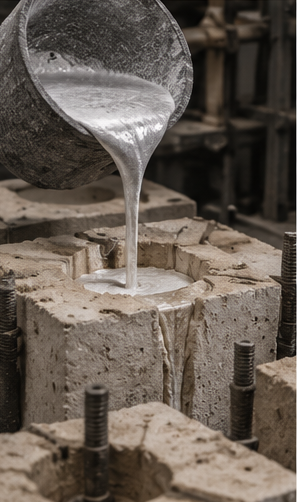
Image created using ChatGPT
Topics«Material» — material properties and processing characteristics.«From Sketch to Object» — the stages of producing artworks.«Before Production» — guidelines for file preparation and technical specifications.«Where to Make It» — curated lists of workshops by specialization and task type.«Cost» — breakdowns of production estimates and timelines.«AI Analysis» — selection of possible technologies based on a description of an artistic idea or sketch.
III. Six-Month Plan
November 2026 — April 2027Four materials published on the website each month, plus eight independent posts on Telegram.This totals 24 materials on the website and 48 posts on Telegram. Announcements are not included in this count.
Image created using ChatGPT
November. First Production Order
Task: To help the artist define the initial parameters of the work and prepare for the first consultation with a workshop.
Website Topics:
- Where to start the production of an artwork.
- How to turn a sketch into a technical specification.
- Where to find workshops for custom art commissions.
- What questions to ask a contractor before starting production.
Telegram Topics:
Media introduction; survey on production challenges; what to include in the first request; how to specify the object’s dimensions; what a technical specification is; why a prototype is needed; what references to send; a checklist before consulting a workshop.
December. Materials and TechnologiesTask: To explain how material properties influence the selection of fabrication technologies for an artistic object.Website1. How to select material for an artistic object.
2. Laser cutting of metal: possibilities and limitations.
3. UV printing on aluminum: image preparation.
4. Working with plastic: fundamental methods for fabricating 3D forms.TelegramHow steel differs from aluminum; what sheet thickness is; an example of laser cutting; how UV printing works; printing without a white substrate; when acrylic is appropriate; what to clarify before welding; material survey.
January. From Digital Model to Physical Object
Objective: To assist artists with digital practices in preparing source files for physical production.
Website
- How to prepare a 3D model for production.
- 3D Printing and Milling: choosing the right technology.
- What to check before sending a file for laser cutting.
- Prototyping: how to verify the form before full production.
Telegram
What is STL; why check wall thickness; digital model scale; file formats for cutting; 3D printing examples; milling examples; what is tolerance; file checking guide.
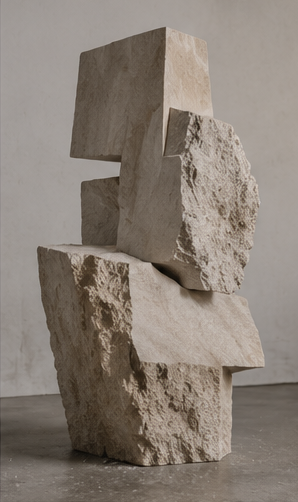
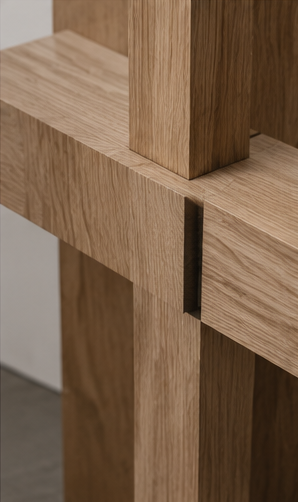
Image created with ChatGPT
February. Finding a Workshop
Objective: To teach the user how to compare the production capabilities of contractors and select a workshop for a specific task.
Website
- How to choose a workshop for an art project.
- Selection of metalworking facilities in Moscow and the Moscow region.
- Where to fabricate a volumetric object from a digital model.
- How to compare quotes from three workshops.
Telegram
How to read a workshop profile; what the minimum order quantity means; producing a single object; which photos to request; how to verify equipment capabilities; questions about deadlines; how to compare quotes; a guide to choosing a contractor.
March. Budget and Deadlines
Task: To explain the structure of a production estimate and help an artist plan the fabrication of a piece by a specific date.
Website
- What constitutes the cost of an artwork.
- How to calculate a production budget, including additional work.
- The production calendar: from sketch to exhibition.
- Which project changes increase fabrication costs.
Telegram
Material costs; file preparation costs; why pay for a prototype; what post-production entails; how to approve an estimate; rush production; sample production timelines; budget guide.
April. Artistic Project RealizationGoal: To illustrate the complete production process and integrate materials from previous months into a sequential workflow algorithm.Website1. From Sketch to Finished Object: A Production Breakdown.
2. How to Organize the Fabrication of an Exhibition Structure.
3. Interview with a Production Specialist on Collaborating with Artists.
4. How to Use AI to Prepare an Artistic Project for Production.TelegramObject realization stages; examples of production drawings; material approval; prototype testing; preparation for installation; common ordering mistakes; AI assistant capabilities; final checklist from concept to production.
IV. 10 Content Samples
Publications for the website and Telegram: a welcome post, practical instructions, technology breakdowns, workshop cards, examples of AI assistant work, and guides for artists.
Image created with ChatGPT
Example #1. Welcome Post. Telegram
You have an idea for a project. Where can you make it?
You have a sketch of a future sculpture or a digital model of an object. The next step raises questions: what material to choose, where to find a workshop, and what needs to be prepared for a cost estimate?
«CEKH» helps you navigate the production of artistic works.
Here, we gather workshops in Moscow and the Moscow Region that handle custom orders. We share information about their capabilities and explain which technologies are best suited for different artistic challenges.
In the catalog, you can search for contractors by material and manufacturing method. In our articles, we break down file preparation, production constraints, and the stages of realizing objects.
A unique feature of the project involves AI. You can describe your idea or upload a sketch to receive preliminary production recommendations and prepare a request for the workshop.
Let’s start with the first question: what do you need to know about your work before contacting a contractor?
Sample #2. Short Guide. Website
How to Begin Producing an Artwork
If you have a sketch for your future work, the first step is defining its basic parameters. The workshop needs to understand exactly what is to be fabricated and under what conditions the object will be used.
Determine the Dimensions
State the anticipated height, width, and depth of the piece. If exact measurements are not yet known, specify an acceptable range. This will help determine the appropriate equipment and estimate material consumption.
Describe the Material
If the material has already been selected, state its name and estimated thickness. If the decision has not been made yet, describe the desired properties. For example, the object must have a reflective surface or be light enough for hanging installation.
Prepare ImagesAttach sketches and photographs of similar objects. It is advisable to show the work from multiple angles. For complex structures, it is useful to illustrate the connections separately.Specify Installation ConditionsDescribe where the object will be located and how it should be mounted. For an exhibition piece, it is important to state the intended display duration and the venue’s conditions.Formulate Your RequestCompile the prepared information into a single document and send it to several suitable workshops.The initial request helps determine the possible manufacturing method and obtain a preliminary quote. Project parameters can then be refined after consulting with the contractor.
Example #3. Technology Analysis. Website / Telegram
UV Printing on Aluminum: How Imagery Interacts with Metal
Technology: Direct UV printing.
Material: Sheet aluminum.
Objective: To transfer a digital image onto a metallic surface while preserving the visible texture of the substrate.
In UV printing, the ink is applied directly to the prepared surface and cured by ultraviolet radiation.
A distinctive feature of printing on metal is the ability to use the substrate itself as part of the image. If a white backing is omitted, unprinted areas retain the metallic sheen. The colors may appear differently on metal compared to on white paper.
What You Need to PrepareAn image file that meets production specifications. You must also clearly mark any areas that should remain as exposed metal. It is advisable to approve a color proof before fabrication.What to Clarify with the WorkshopThe maximum print format, the required surface treatment for the aluminum, the feasibility of printing without a white substrate, and the conditions for subsequent image protection.Suitable ForThis technology can be used to create graphic objects on metal substrates and individual installation elements.Before production, you must verify the compatibility of the selected sheet with the equipment and the surface preparation requirements.
Example No. 4. Explanation. TelegramWhat is tolerance and why is it important for an artist?A drawing specifies a part dimension of 100 mm. After fabrication, the actual size may slightly differ from the specified dimension.Tolerance defines the allowable limits for such deviation.For example, a dimension of 100 ± 1 mm means the finished part can be between 99 mm and 101 mm.For an individual decorative element, a small deviation is sometimes acceptable. However, when connecting several parts, it can affect the assembly of the entire structure.It is especially important to consider tolerances when manufacturing frames and elements with precise fitting locations.Before ordering, clarify with the workshop what level of accuracy the chosen technology provides. If the parts must connect to each other, specify this in the technical specification.