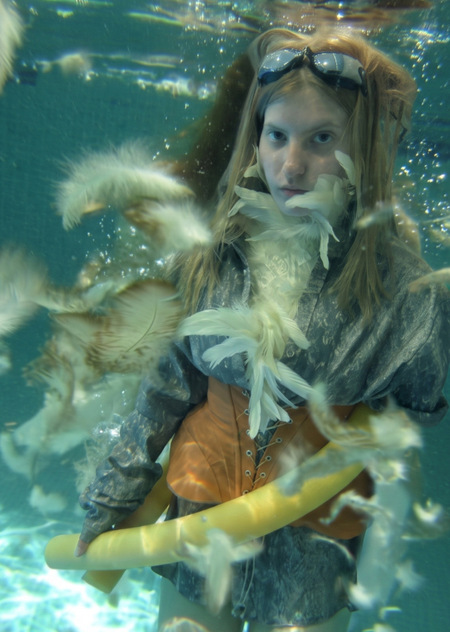
WHO WORE IT — Media about the life of clothing from my conceptual rental project for photoshoots
MEDIA OBJECTIVE
To demonstrate that clothing has a life after it is created.
WHO WORE IT is a media archive that documents the journey of conceptual fashion from the workshop to the photoshoot set.
We aim to explore:
— who chooses an item and why; — where it ends up; — how different people interpret the same garment; — what stories arise around it.
Core concept: Clothing does not end its story when it is made—it begins to live then.
COMPETITORS
DIRECT
Rental Village Media and service around clothing rental. The focus is on the items, their availability, and their use for shoots and events.
The DRESSROOM / fashion rental projects They work with rental as an alternative to purchasing, primarily showcasing clothing through catalogs and complete looks.
The key difference of WHO WORE IT: We focus not so much on what can be rented, but on what happens to the item after it is rented.
INDIRECT
The Blueprint It tells the story of Russian fashion through people, brands, shoots, and cultural context.
BURO. It connects fashion, culture, and people, creating editorial content around the fashion industry.
Dazed It presents fashion through visual culture, characters, and editorial photoshoots.
The key difference of WHO WORE IT: The center of our media is a specific item and its journey, not a brand, trend, or individual person.
CHANNEL — TELEGRAM
The primary platform is a Telegram channel.
WHO WORE IT uses Telegram as a space for deeper conversation about clothing and the people who interact with it.
Unlike Instagram, here, the story behind the visual result is just as important as the visual result itself.
Main formats:
WHO WORE IT — the story of a specific item: who wore it, where it went, and how it was used.
BEHIND THE SHOOT — backstage glimpses and the shooting process.
ONE PIECE / DIFFERENT PEOPLE — how one item changes when worn by different people.
PEOPLE — short interviews with stylists, photographers, models, and other participants in the shoots.
THE ARCHIVE — photographs and stories from past shoots involving rented items.
EDITORIAL NOTES — authorial commentary on fashion, clothing, and visual culture.
Why Telegram?
Text + image allows for the unfolding of an item’s story, rather than just showing it.
Authorial Voice — the media can take a distinct position and possess a recognizable tone.
Community — the channel brings together people from the fashion and creative industries.
Archival Nature — the posts remain a structured archive of stories about items and shoots.
Native Connection to Rental — real items and real shoots become the media’s content.
TARGET AUDIENCE
The primary audience consists of young adults aged 18–30 who are involved in or are actively interested in the fashion and creative industries and visual culture.
01 / STYLIST
Seeks unique items for photoshoots and new sources of inspiration. Why they read: To find items, ideas for styling, and new collaborators.
02 / CREATIVE PROFESSIONAL
Photographers, directors, designers, makeup artists, artists, or content creators. Why they read: To keep up with visual projects and find potential collaborators.
03 / FASHION ENTHUSIAST
Does not work in the industry but is interested in independent fashion, unique apparel, and photoshoot aesthetics. Why they read: To find inspiration, discover new brands, and observe how clothing exists outside of everyday wardrobes.
Unique Selling Proposition
WHO WORE IT—a media platform that doesn’t report on what clothing you can buy, but the life that clothing lives.
At the heart of every feature is a real garment and its authentic story:
CREATED → RENTED → SHOT IN → REINTERPRETED → RETURNED → RENTED AGAIN
Unlike traditional fashion media, which focus on brands, trends, and collections, WHO WORE IT documents the lifecycle of a specific item.
The Key Difference
It’s not about «what to wear?”—it’s about „what happened to this item?“
Every new rental generates a new point of interest, and each item gradually becomes part of the media’s archive.