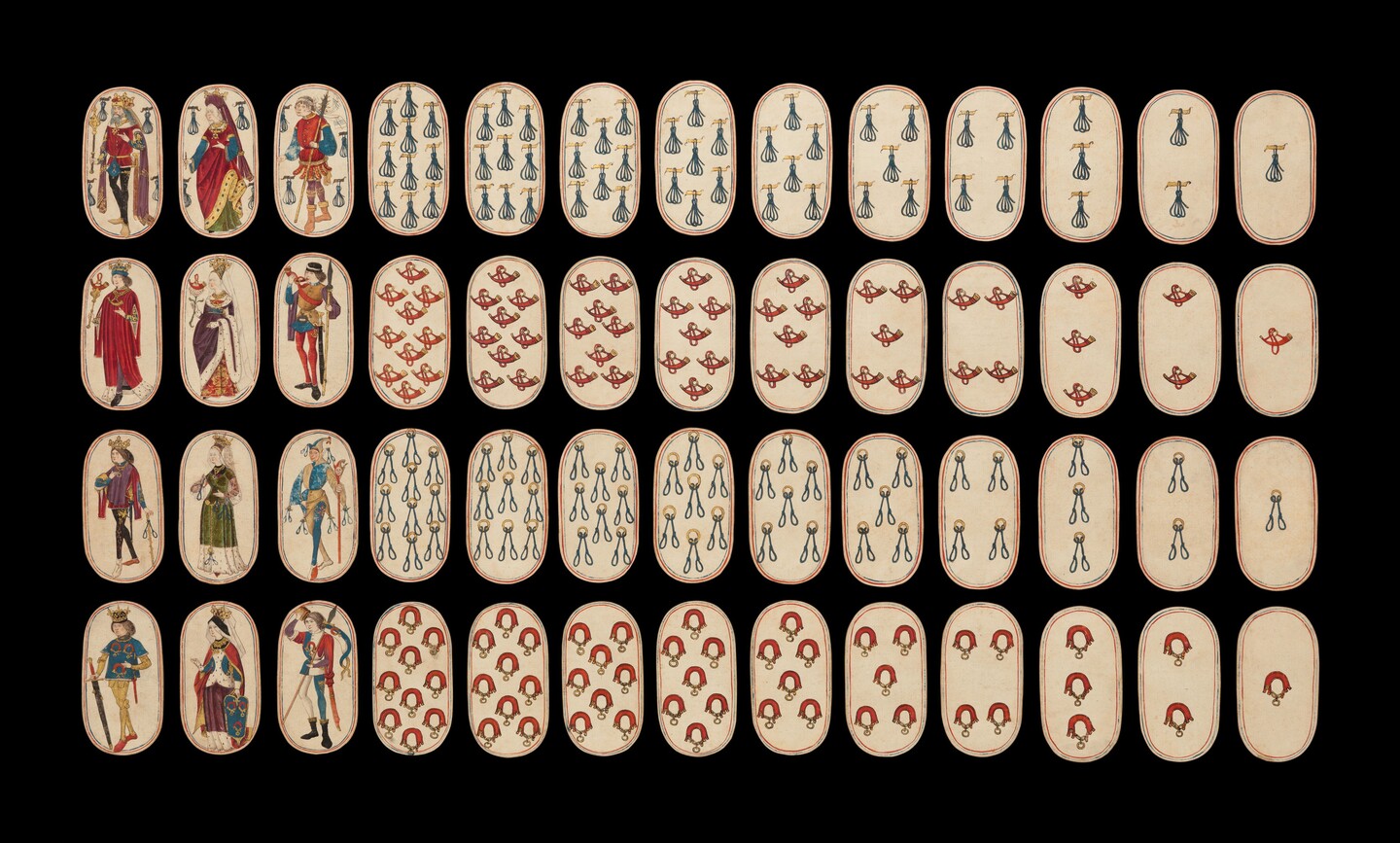
Concept:
Research Structure:
1. Eastern Origins: Mamluk Maps.
2. Maps Arrive in Europe: First Decks and Initial Prohibitions.
3. National Suits: Italy and Spain, German Lands and Switzerland, France.
4. The Meaning of the Suits: Symbolism and Interpretations.
5. Kings, Queens, Knights, and Jacks: Card Faces in Different Countries.
6. For the Elite and for All: Painted Versus Printed Decks.
7. More Than Play: Educational, Satirical, and Fiscal Stamp Decks.
8. Conclusion: What from Antique Decks Has Reached Our Time
Everyone is familiar with a deck of playing cards. Their visual appearance seems like a given to us—like the alphabet or numbers. But behind this familiar image lies a long history, because before reaching the look we know today, the suits, figures, materials, and manufacturing methods of cards changed numerous times, and differently in every country.
Why did I choose this topic?
I’ve known what a deck of cards looks like since I was a child, but I never stopped to wonder why it looks the way it does or where the four suits came from. When I started researching, I discovered that the familiar deck is just one among many. In Spain and Italy, people still play cards with cups, coins, swords, and batons; in Germany, they use acorns, leaves, and bells; and in Switzerland, they use roses and shields. I became curious about why the same game looks so different across various countries and what history lies behind these images.
Why maps?
Cards were an object used by everyone: kings, courtiers, soldiers, merchants, and townspeople. Therefore, they reflect the culture not just of the elite, but of the entire society. They were forbidden, taxed, and transformed into textbooks and political satire—they were constantly present in people’s lives. Furthermore, a deck provides convenient material for comparison: the cards from different countries share a common structure but feature completely different imagery. This allows us to place them side-by-side and see what each culture invested in the same elements. I chose not to include Tarot in this study. I believe it is a separate tradition primarily associated with allegory and divination.
Why before the 18th century?
It was from the late 14th to the 18th century that the main features of the deck were established: the system of suits, the assortment of figures, and printing methods. In the 19th century, cards began to feature corner indexes and double-sided figures, becoming finally standardized, but that was already the outcome of the process. I am, however, interested in its actual development.
Relevance and Novelty
The history of playing cards is usually recounted as a story of gambling, and national decks are examined in isolation. In this study, I examine playing cards from different countries together—the same elements—suits, court cards, manufacturing methods—are compared against each other, and their appearance is explained through the culture and history of the respective nations. This topic is relevant because many national decks still exist today: the visual solutions adopted five hundred years ago continue to be effective.
How the visual narrative supports the idea
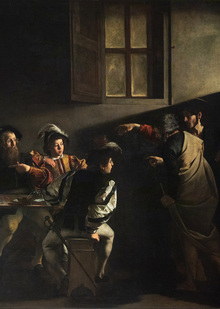
The visual narrative is constructed from a small number of meticulously selected examples. Each chapter opens with a brief text, followed by illustrative examples. This presentation relies on comparison: two cards from the same deck illustrate its suit and figure system, while adjacent blocks demonstrate how the same suit appears in different countries. Initially, Mamluk cards from the Topkapi Palace present an Eastern model devoid of human figures. Subsequently, the «Moorish, ” Stuttgart, and Ambras decks show how Europe adopted this model, and the paintings of Lucas van Leyden and Caravaggio illustrate how playing cards entered everyday life. In the chapter on national suits, curved Italian and straight Spanish swords appear alongside Flötter’s German acorns, Swiss shields bearing the coat of arms of a Basel merchant, and Rouen cards—the progenitors of the modern deck. Specific details directly confirm the connection between cards and culture: the royal authority coats of arms on the Spanish suit of coins, female valets in Catalan cards, and musical notes on the back of German cards. The same principle is maintained in the chapters on the meaning of suits, figures, manufacturing methods, and decks created not only for play, concluding the study with a short summary.
Research Object and Subject
European playing cards from the late 14th to 18th centuries. The evolution of the visual design of playing cards (suits, court cards, manufacturing methods) and its significance across various national traditions.
Goal:
To trace the history of playing cards and illustrate, through visual imagery, how the characteristics of different countries' cultures are reflected in the card designs.
Research Framework:
Chronological — late 14th to late 18th century;
Geographical — Western and Central Europe, with origins in Mamluk Egypt
1. Eastern Ancestor: Mamluk Maps
The closest ancestor to the European deck was the map of Mamluk Egypt: it already contained four suits (cups, coins, swords, and batons) with thirteen cards in each. However, the Mamluk cards depict no figures—kings and their deputies, the naibs, are designated by inscriptions and ornamentation. One can conclude that the deck’s structure arrived from the East almost complete, and each European country will recreate its imagery anew, in its own style. Memory of this origin is preserved in the language: the Italian naibi and the Spanish naipes derived from the word naib.
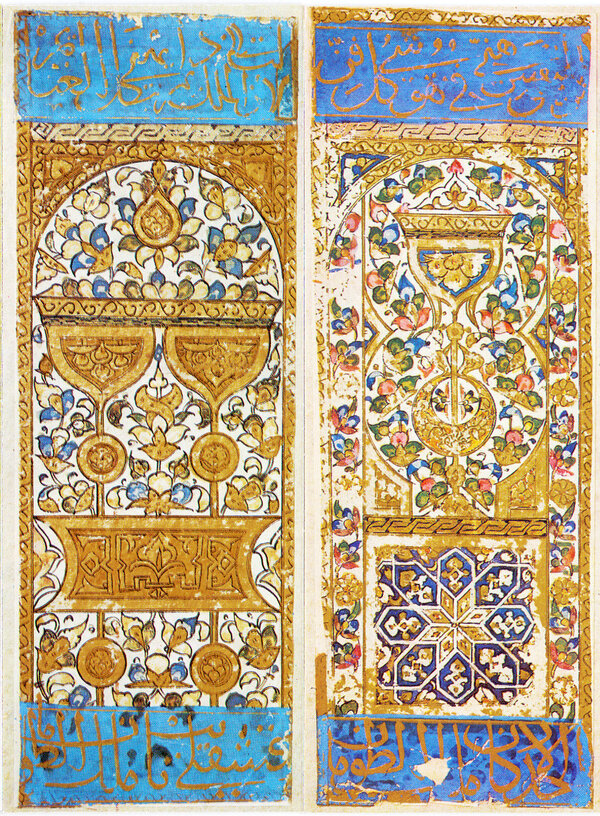
Mamluk patterns—cups, coins, swords, and polo sticks—are drawn as delicate ornaments with gold accents. The symbols are almost abstract and interweave into a design.
Composition of four cards from a deck. Egypt, 15th–early 16th century. Topkapi Palace Museum, Istanbul.
Instead of portraits of the king and his deputy—there are inscriptions and ornament. Rank is conveyed through a word, not a human figure; later, Europe will replace these inscriptions with images of people.
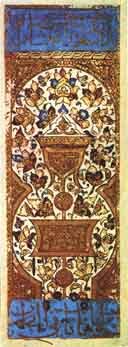
- Ace of Cups, Topkapi Deck Topkapi, 15th–16th Century
- King of Cups, Page of Cups. Topkapi Deck.
The same eastern motifs, but now printed from a wooden block: a delicate ornament transforms into crisp outlines that are easy to cut and reproduce.
Uncut sheet from early «Moorish» maps, uncolored, Spain, 15th century.
2. Maps Arrive in Europe
In 1377, maps are mentioned almost simultaneously in Florence and Basel—and they are almost immediately subjected to bans. The prohibitions did not halt the game: over several decades, maps spread across Europe. Early decks indicate that there was no single standardized model yet. In the «Moorish Deck» from the early 15th century, Eastern suits coexist with European knights, while opulent decks for German nobility feature ducks, falcons, deer, and hunting dogs as suits—a reflection of courtly hunting life. This is where the central idea becomes apparent: the deck takes on the form of the environment for which it was made. By the 16th century, as shown in paintings by Lucas van Leyden and Caravaggio, maps become integrated into the daily lives of city dwellers.