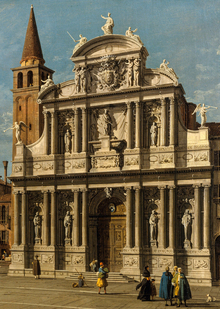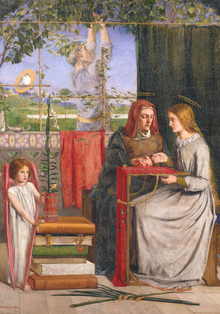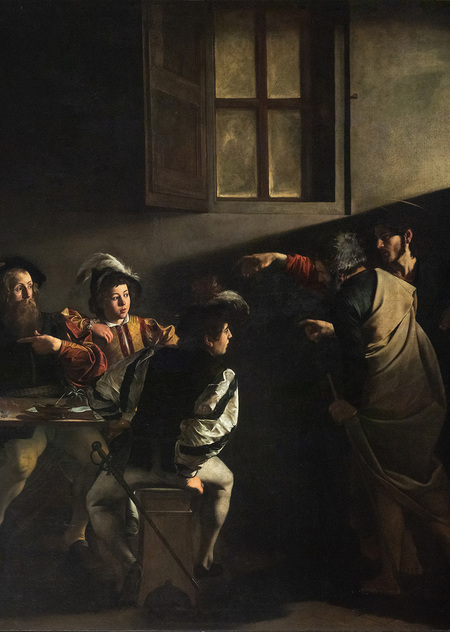
The timeline of Italian Baroque spans the latter half of the 16th and 17th centuries. Following the Reformation, the Catholic Church needed to reclaim its power, leading it to embrace art that would strongly affect the viewer’s senses. Thus, the new movement—Baroque—emerged in Rome.
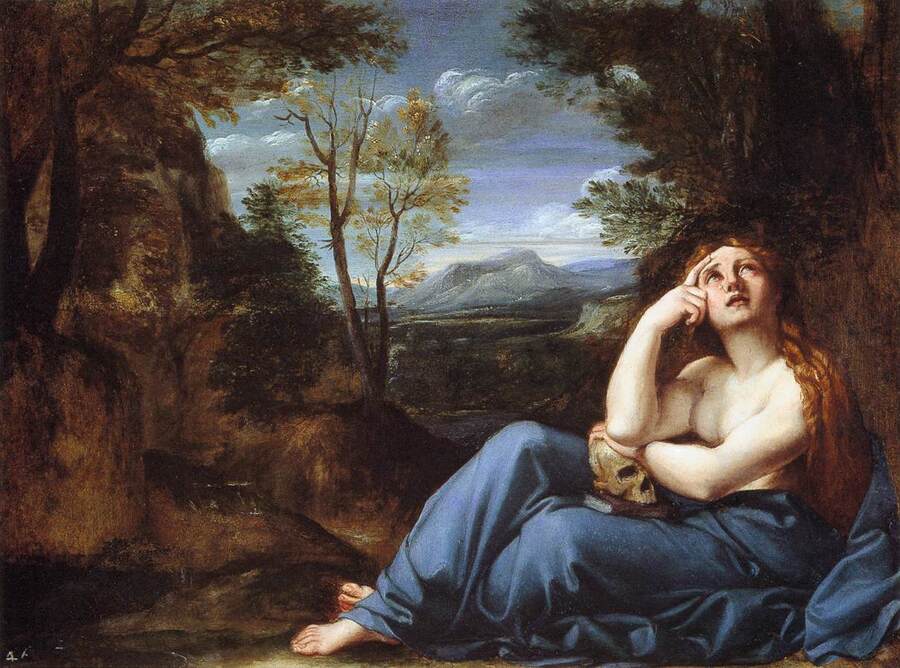
Annibale Carracci rejected the artificiality of Mannerist painting, advocating for a return to nature. By blending the naturalism of Northern Italy with the idealism of Roman painting, Annibale created the foundation of Baroque art.
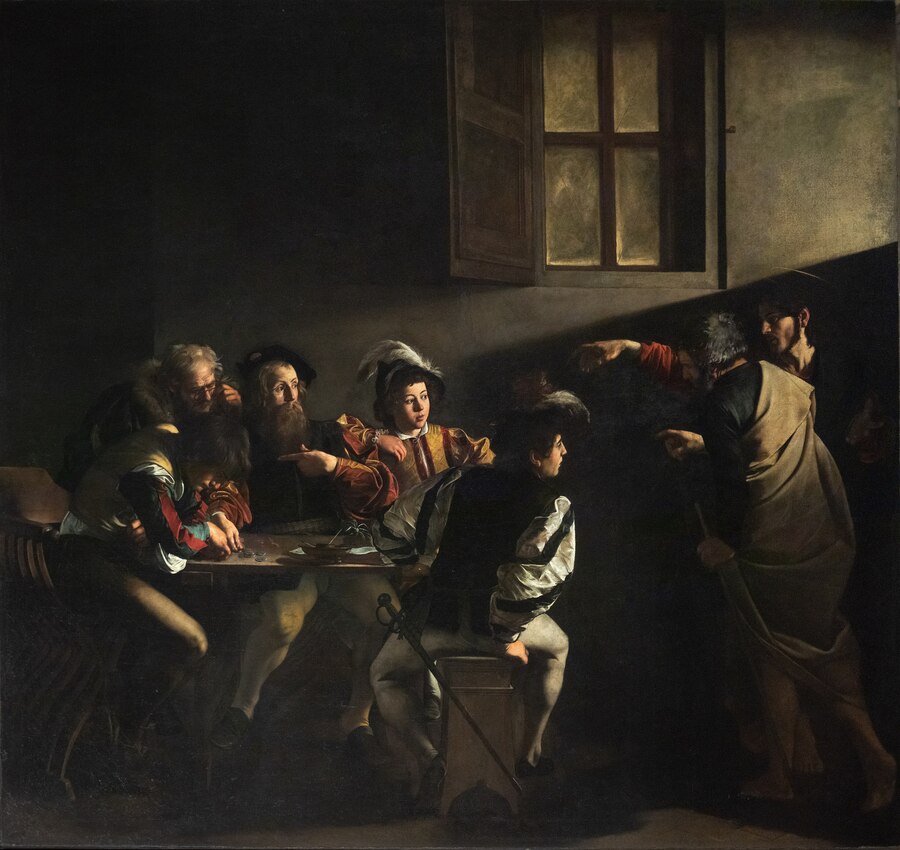
Caravaggio was a reformer of 17th-century European painting and one of the most brilliant exponents of realism in Baroque art. Caravaggio used effects of light and shadow to project figures out from the picture plane and intensify the dramatic impact.
Unlike Caravaggio’s sharper naturalism, Orazio Gentileschi retains a conviction of nature but softens the drama, paying attention to light colors, a smooth painted surface, textiles, and the decorative organization of the composition.
Artemisia Gentileschi was one of the leading painters of Italian Baroque, heavily influenced by Caravaggio. From the outset, her work was characterized by a mastery of dramatic storytelling and powerful emotional expression. In her art, she paid special attention to narratives featuring a woman as the main subject or as a victim.
The painting by René Guido represents one of the most vibrant examples of the classicist movement within Baroque art. While it does not abandon the emotional impact of the Baroque, it conveys it through the elegance of its compositions and the beauty and grace of the faces.
Gverchino was fascinated by the dramatic contrasts of light and shadow. In his early period, the compositions are fluid and feature emotional naturalism. In his later period, his style shifted toward classicism.
Domenico Zampieri was an academic painter from the Bolognese School. He was one of the principal followers of Annibale Carracci. The composition in Domenico’s paintings is clear and orderly, while the Baroque expression is conveyed through a carefully conceived system of gestures used to express emotion.
Giovanni Lanfranco adapted Correggio’s illusionistic technique—the vortex-like mass of figures seen from below looking up—onto a monumental Roman dome. Painting ceases to be perceived as a flat surface; the illusion of an open sky above the viewer appears.
Pietro da Cortona created large-scale ceiling frescoes that gave the illusion of space. Architecture and painting become one cohesive whole in his work.
Salvator Rosa expanded the expressive capabilities of the landscape: in his works, it does not merely serve as a background for the action, but rather shapes the emotional structure of the piece.
Giovanni Battista Gaulli’s painting is a triumph of perspectival illusionism and Catholic rhetoric. Gaulli unites fresco and sculpted decor in such a way that the figures seem to emerge from the painted space into the actual space of the church.
Andrea Pozzo employed perspective to extend real architecture into an illusory celestial space. The fresco is designed for a specific viewpoint: from that vantage point, the flat ceiling is perceived as an architectural structure opening into infinity. The viewer becomes a participant in a visual effect that intensifies the religious experience.
Luca Giordano was known for his extraordinary productivity and his ability to absorb diverse artistic styles—from the naturalism of Giuseppe de Ribera to the classical tradition of Raphael and the painting of Venetian masters. He synthesized various artistic influences into a free-flowing painterly manner, which was suitable for vast fresco cycles and palace interiors.