MYTH AND REALITY OF THE «DIVINE NUMBER» IN SUBJECT DESIGN
CONTENTS
1. Objective 2. Hypothesis 3. Introduction 4. Why the Myth Arose: From Euclidean Geometry to 20th-Century Marketing 5. Experimental Psychophysicist: How the Brain Perceives Proportion 5.1. Gustav Fechner’s Experiments and Their Critical Reassessment 5.2. Current Data: UC Berkeley Research and Cognitive Ranges 6. Fundamental Drivers of Form Generation in Product Design 6.1. Anthropometry and Physiology 6.2. Material Science, Kinematics, and Material Physics 6.3. Modularity and Industrial Standardization 7. Analysis of Iconic Examples in Product Design 7.1. Eames Lounge Chair & Ottoman (1956)7.2. Model 3107 «Series 7» Chair by Arne Jacobsen (1955)7.3. Braun T3 and T1000 Radios by Dieter Rams7.4. Panton Chair (Verner Panton, 1959–1967)8. Comparative Analysis 9. Conclusion 10. Image Sources
1. GOAL
The goal of this research is to thoroughly examine the history of the golden ratio myth, compare it with contemporary psychophysical experiences, and demonstrate the true mechanisms of form generation in product design based on a detailed analysis of iconic objects from the 20th and 21st centuries.
2. HYPOTHESIS
The Golden Ratio (1.618) is a useful aid, but it is not the only or mandatory recipe for creating iconic design.
3. INTRODUCTION
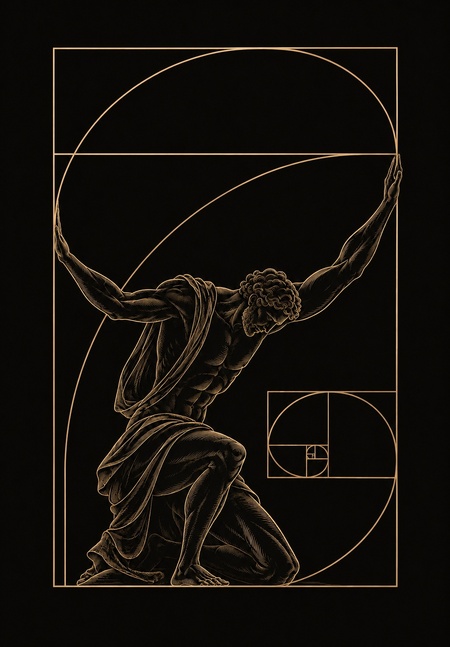
For many centuries, the search for a universal formula of beauty has captivated the minds of philosophers, art critics, architects, and engineers. A key element in this search is the mathematical constant known as the Golden Ratio, represented by the Greek letter φ (Phi).
φ = ≈ 1.6180339887…
4. WHY DID THE MYTH EMERGE? FROM EUCLIDEAN GEOMETRY TO 20TH-CENTURY MARKETING
The mathematical basis of the golden ratio dates back to Euclid’s Elements (c. 300 BCE). In Book VI, Euclid addresses the problem of «dividing a line segment into the mean and extreme ratio.» It is important to emphasize that for Greek mathematicians, this operation had a strictly applied geometric character: it was required for constructing a regular pentagon and a regular dodecahedron.
Euclid did not ascribe any aesthetic or mystical properties to the division of a line segment.
The sacralization of proportion began much later—during the Renaissance. In 1509, the Franciscan friar and mathematician Luca Pacioli published the treatise De Divina Proportione («On the Divine Proportion»), illustrated by Leonardo da Vinci.
Pacioli linked the properties of line segments to theological dogma (for example, the inexpressibility of an irrational number symbolized the incomprehensibility of God).
However, contrary to modern myths, Leonardo da Vinci viewed this proportion merely as one of many geometric tools, and in his practical measurements of the human proportion, he relied on entirely different ratios (specifically, the Vitruvian quadrants 1:4, 1:6, and 1:8).
An 1509 book plate featuring an illustration of a regular polyhedron by Leonardo da Vinci, from Luca Pacioli’s historical treatise, «De Divina Proportione.»
The final transformation of a mathematical property into a «universal law of beauty» occurred in the mid-19th century, thanks to the German psychologist and philologist Adolf Zeising. In his work, Neue Lehre von den Proportionen des menschlichen Körpers (1854), Zeising asserted that the golden ratio governed the structure of plants, human anatomy, crystals, musical intervals, and ancient Greek architecture. Zeising’s work was criticized by his contemporaries for its arbitrary interpretation of measurements: he measured objects with significant margin for error and selectively rounded data to fit his desired figures.
5. EXPERIMENTAL PSYCHOPHYSICS: HOW THE BRAIN PERCEIVES PROPORTIONS
If the golden ratio possessed an objective, biologically determined aesthetic appeal, this would be easily confirmed by psychological testing. However, over more than 140 years of empirical research, the scientific community has found no confirmation of the exceptional nature of the number $\varphi$.
5.1. Gustav Fechner’s Experiments and Their Critical Reassessment
Gustav Theodor Fechner, the founder of psychophysics, conducted a series of experiments in 1876: he presented respondents with 10 rectangles with aspect ratios ranging from 1:1 to 1:2.5 and asked them to choose the most harmonious one.
Fechner’s main experimental results:
• Most Popular Choice: The 21:34 aspect ratio rectangle (approximately 1:1.62). About 35% of participants preferred this.
• Second Most Popular: The square (1:1 ratio).
• Least Votes: Extremely elongated shapes with a 1:2.5 ratio.
However, in the 1990s, researchers (specifically Christopher Green from the University of York) conducted a meta-analysis of Fechner’s work and discovered critical errors in the methodology:
• Sample limitation (experiments were conducted primarily on students from a single cultural background).
• Lack of contextual control (rectangles were presented in isolation, against a white background, without reference to functional purpose).
• Edge effect: the 1:1.618 rectangle was positioned closer to the middle of the presented row, which provoked a systematic bias in central selection.
5.2. Current Data: UC Berkeley Research and Cognitive Ranges
Contemporary, tightly controlled experiments in visual perception demonstrate entirely different results.
A study conducted by the Haas School of Business at the University of California, Berkeley, investigated consumer preferences regarding the shapes of packaging, electronics, and interior design items. The results showed:
- Consumers do not favor any single point on a numerical axis.
- Mass aesthetic preference is distributed across a wide range, from 1.41 ($\sqrt{2}$) to 1.73 ($\sqrt{3}$).
- The maximum positive response is shifted toward the familiar rectangle with a 1.500 (3:2) aspect ratio, which is associated with classical photography and print standards.
Furthermore, cognitive psychology demonstrates the influence of the Familiarity Effect. The human brain perceives proportions as «harmonious» if they are familiar from daily life—such as the credit card format (1:1.586), A4 paper (1:1.414), or a widescreen display (16:9 = 1:1.777).
6. FUNDAMENTAL DRIVERS OF FORMATION IN SUBJECT DESIGN
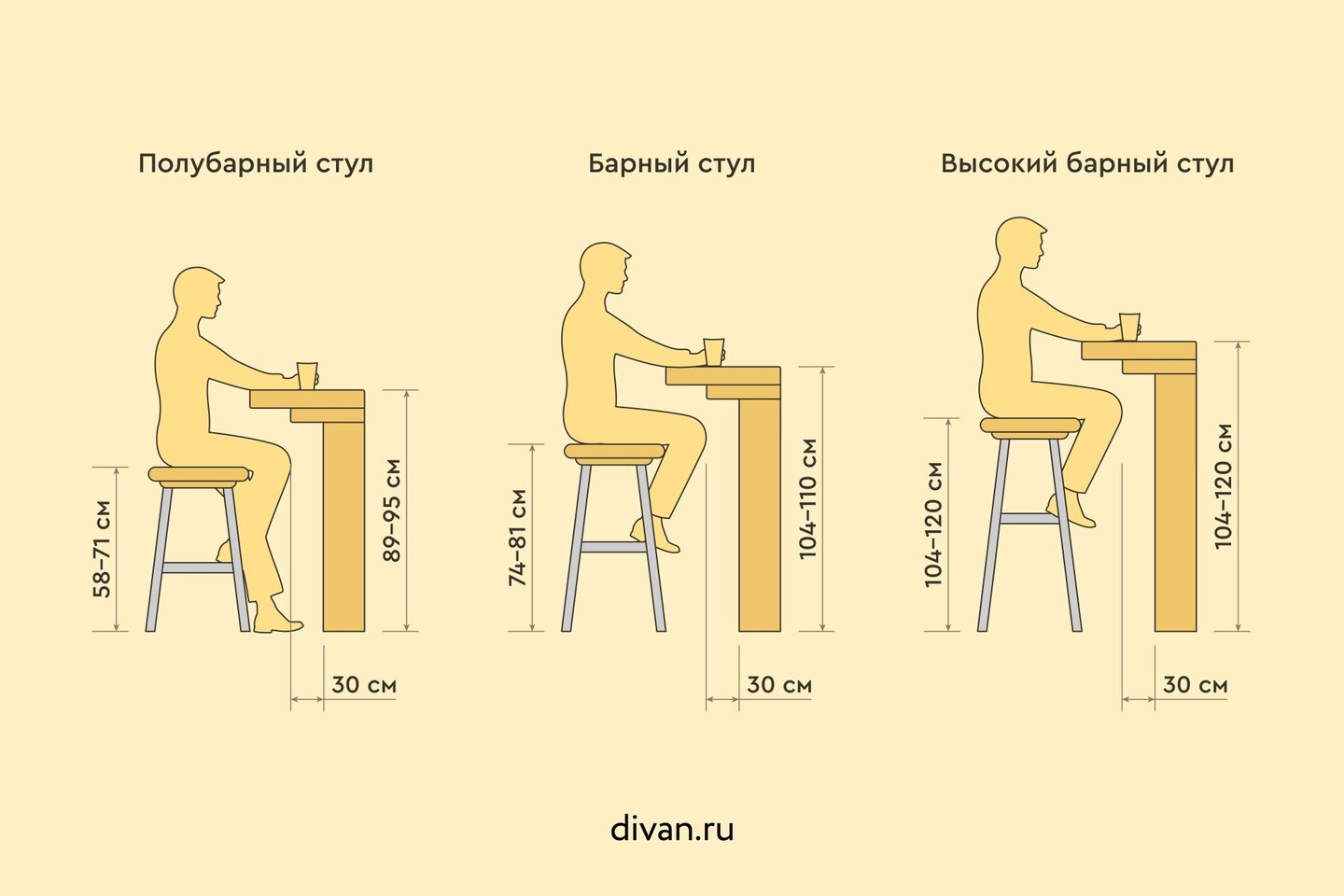
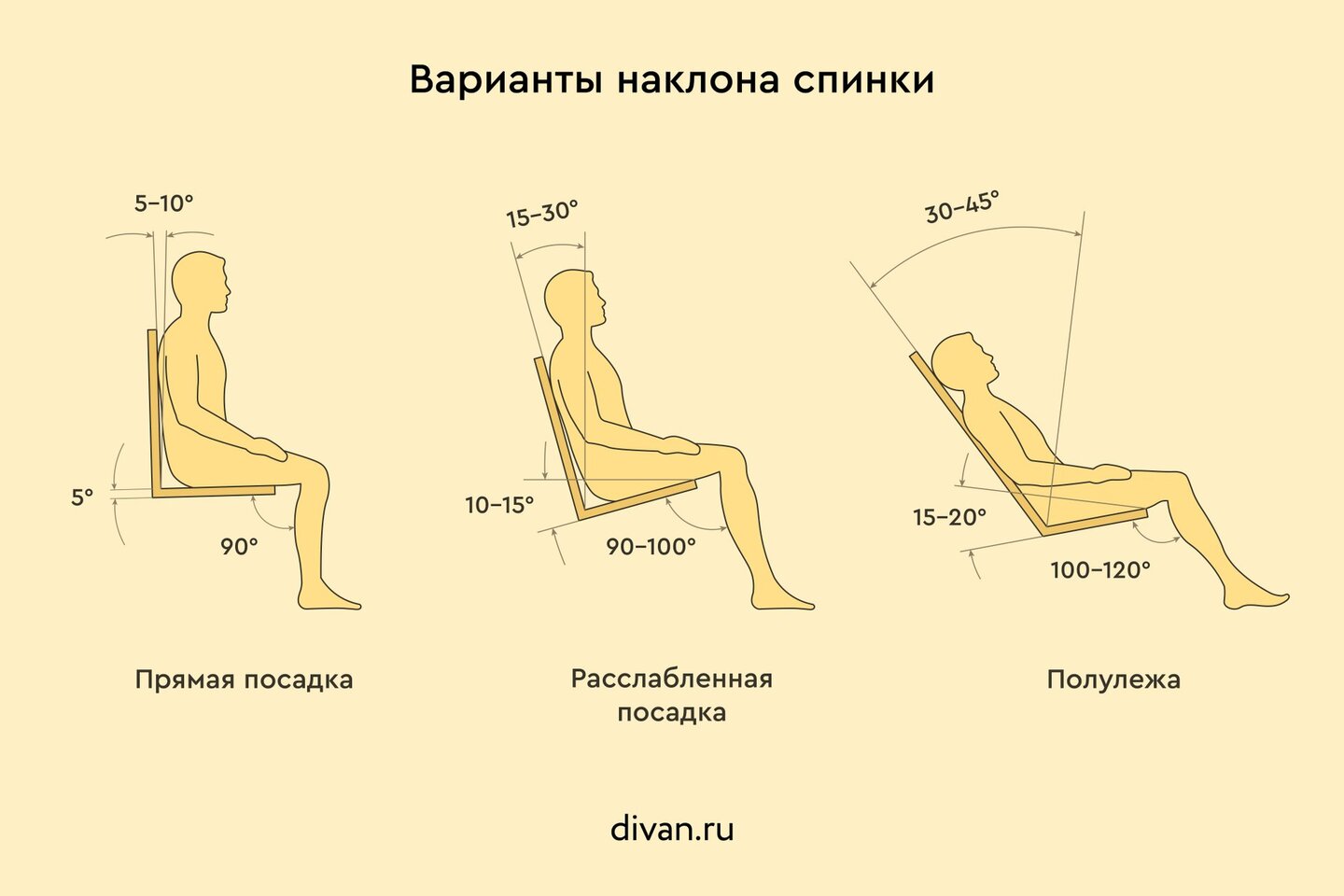
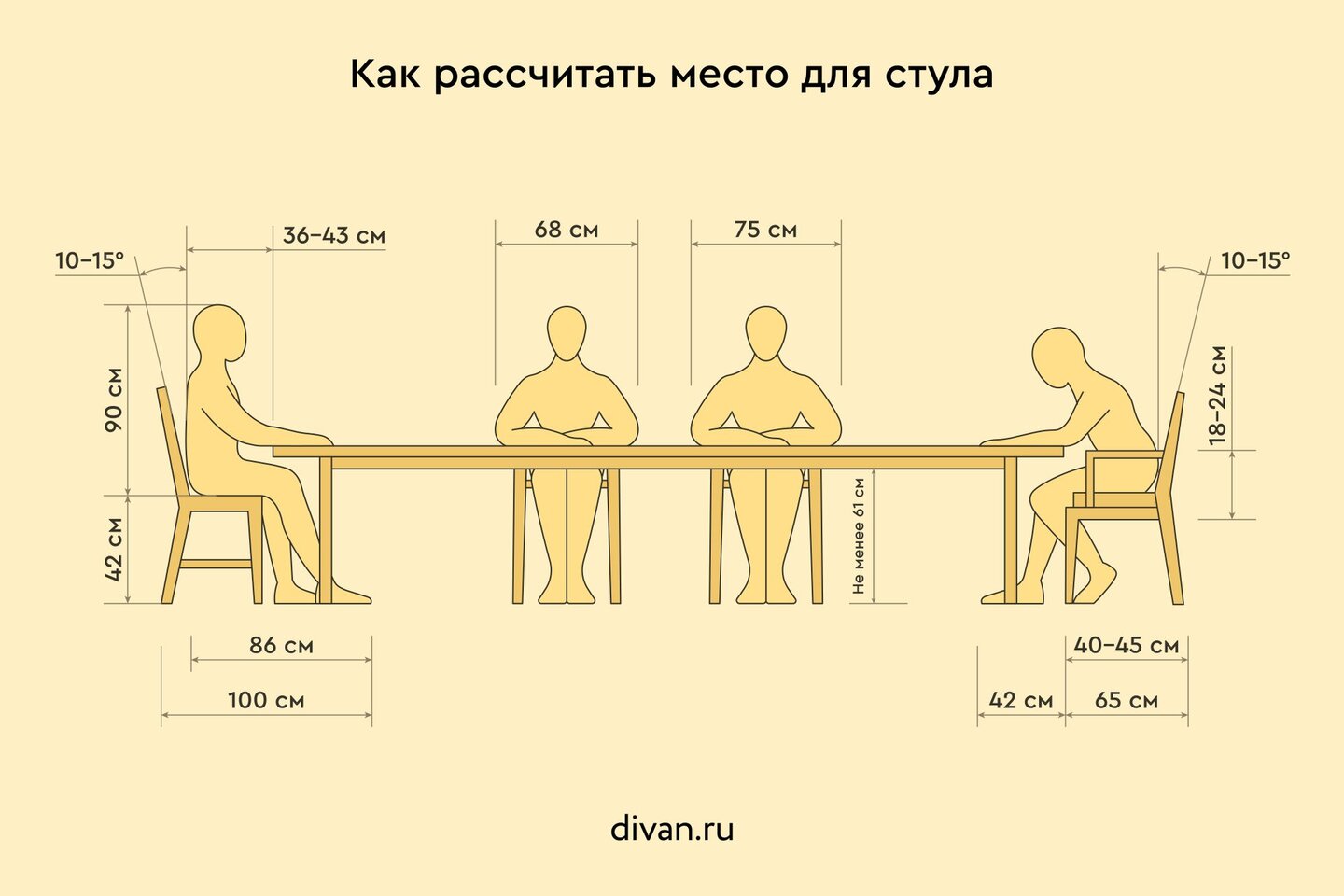
Industrial design fundamentally differs from pure painting or sculpture. The subject object exists under three inescapable constraints: the human body, the laws of physics, and mass production technology.
6.1. Anthropometry and Physiology
The shape of a subject is primarily dictated by the dimensions and capabilities of the human body. Design begins with anthropometric tables based on population percentile distribution (typically from the 5th to the 95th percentile).