Categories
1. Concept 2. «Circus» (1928) — The body as a tool of comedy 3. «Gold Rush» (1925) — The object as a source of comic and visual metaphor 4. «The Baby» (1921) — The unity of the comic and the dramatic 5. «City Lights» (1931) — Visual storytelling as a means of conveying complex emotions 6. «New Times» (1936) — Authorship style as a tool for social critique 7. Conclusion 8. Sources
Concept
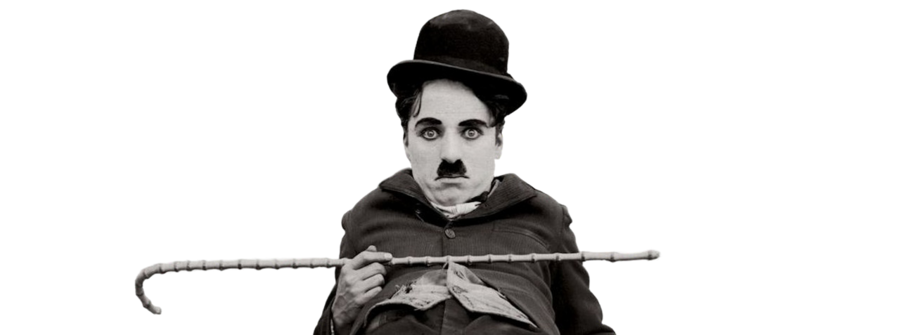
Charles Spencer (Charlie) Chaplin (April 16, 1889–December 25, 1977) — an English and American actor, screenwriter, and director, famous particularly for the globally recognizable Tramp character he created and portrayed.
Therefore, the research topic becomes the director’s creative method, including his visual language and stylistic features, which are vividly revealed in Charlie Chaplin’s comedic narratives. It is worth noting that his work is not solely dedicated to comedy, as it encompasses a socio-philosophical context, explores dramatic elements, and includes social criticism. Collectively, this creates a broad spectrum of themes addressed in the films, thanks to the director’s profound execution. Chaplin’s own creative versatility—which made him a true auteur—encompassed writing the music, working on the script and staging, directing, and starring in the lead role. This speaks to his professionalism and his ability to inject an authorial vision into the work. Visual comedy and movement transition into narrative complexity and social critique. For the visual study, early works by the director, created between 1921 and 1936, have been selected: «The Kid» (1921), «The Circus» (1928), «City Lights» (1931), «Modern Times» (1936), and «The Gold Rush» (1925). These films most fully reveal Chaplin’s evolution as a director and the formation of his creative method—from simple comedy to a firm social statement.
The film analysis in the research is structured according to the investigative order of a specific stylistic approach employed by the director. The research moves from specific expressive means toward a generalization of the creative method: starting with body and subject, the gradual transition to emotional dramaturgy gives way to an examination of visual storytelling and social issues.
The analysis covers each film, highlighting the key aspects of the author’s method, moving from the most comical and fluid narratives to the more complex and critical statements:
- «Circus» (1928) — the body as a tool for comedy; character plasticity.
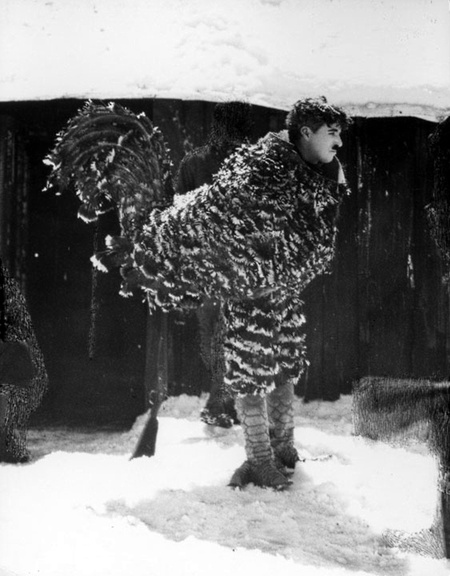
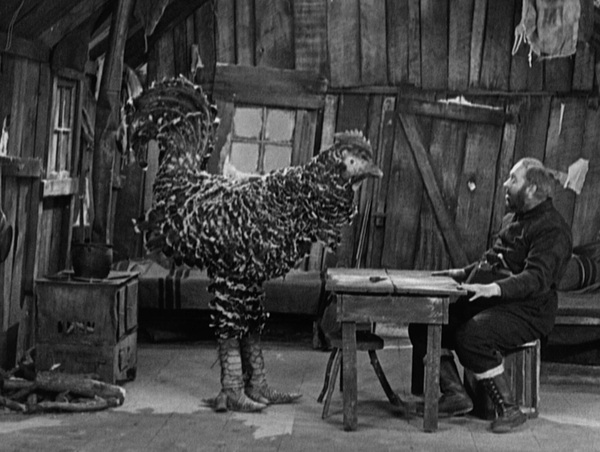
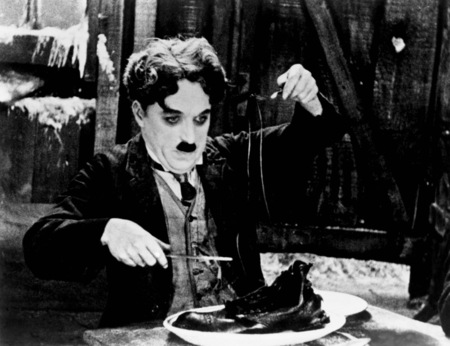
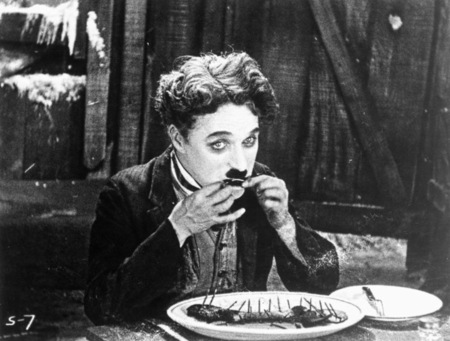
- «Gold Rush» (1925) — the object as a source of comic and visual metaphor; transforming everyday actions into expressive cinematic images, spatial stylization.
- «The Little One» (1921) — the unity of the comic and the dramatic; emotional expressiveness, character relationships.
- «City Lights» (1931) — visual storytelling as a means of conveying complex emotions; the contrast between external and internal life, the dramaturgy of the image.
- «New Times» (1936) — the author’s style as a tool for social critique; rhythm, the interaction between humanity and the industrial environment.
The main question of the research is how Charlie Chaplin forges his unique style at the intersection of physical comedy, visual storytelling, the fusion of complex emotions, and socio-philosophical critique?
«Circus» (1928)—The Body as a Comic Tool
The film «The Circus» is a 1928 comedy with touches of melancholy, chronicling the adventures of Charlie as he travels with a touring circus.
Since the review of Charlie Chaplin’s films focuses on silent cinema, which is sometimes accompanied only by music, he, as a director, emphasizes the visual interaction between characters, their own physicality as a tool for creating comedy, and the characters' connection with space.
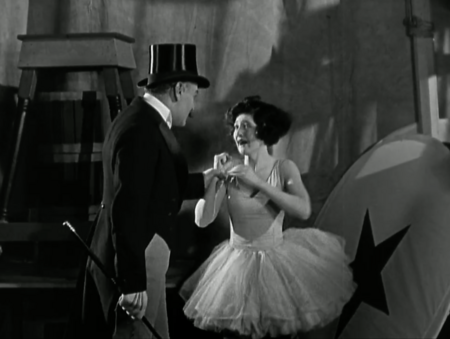
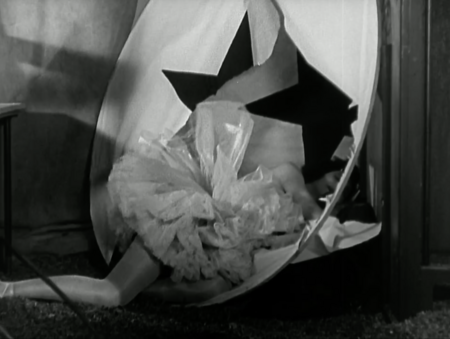
«The Circus, ” 1928, directed by Charlie Chaplin
The body becomes a tool of comedy here as the characters begin to interact, even in negative terms. For instance, one of the early scenes where the protagonist grabs the dancer’s hand and roughly throws her. The image of the fallen woman and the harsh way he treats her does not become tragic; rather, it draws the viewer’s attention and distracts them from the circus action. This scene serves as an interesting example of using a socio-philosophical context within a comedic narrative, adding depth to the film’s plot without hinting until the end that the audience will witness a humorous story.
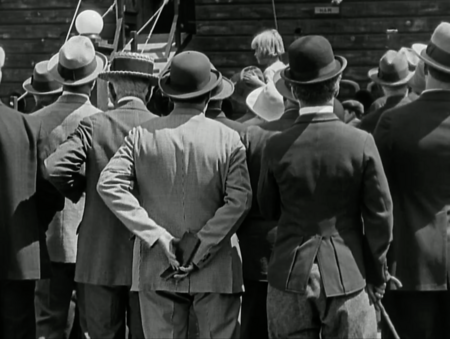
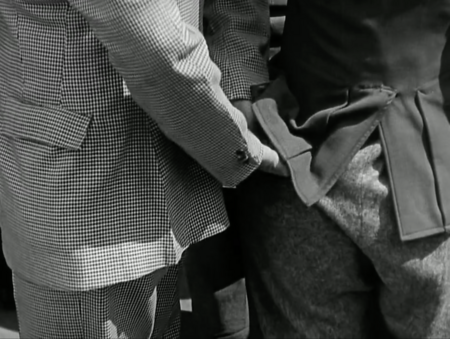
«The Circus, ” 1928, directed by Charlie Chaplin
Elements of subtext and hidden irony—where the audience recognizes something the character is unaware of—emerge when Chaplin begins working with accents in his scenes. For instance, instead of using emotional expression or physical interaction, all focus narrows to the lower third of the frame, exclusively on the hands, which become a self-sufficient object. Through skillful gestures and exaggerated movements (the character shifts his wallet, seems nervous, and tucks it not into his own pockets, but into his neighbor’s trousers), Chaplin elicits a wry smile from the viewer even in such a simple plot.
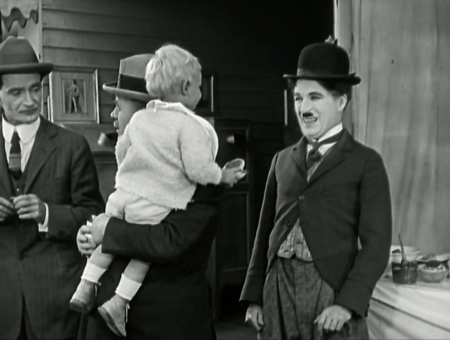
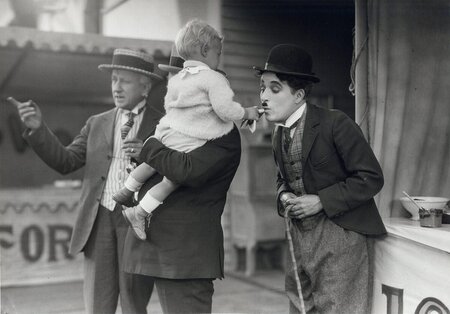
«The Circus,» 1928, directed by Charlie Chaplin
Here, the viewer’s attention shifts to the facial expressions, which become the focal point of silent cinema. Since Charlie Chaplin also placed great emphasis on pantomime, the scene takes on a comedic quality. The hero finds himself behind two men and turns his attention to a very small child, whose world is hyper-magnified—simple actions, such as a funny facial expression, become a source of «comedy» for him.
In this episode, there is also a subtle irony that is widespread in cinema. It carries an element of a «lurking» event, which is characteristic of both comedy and horror.
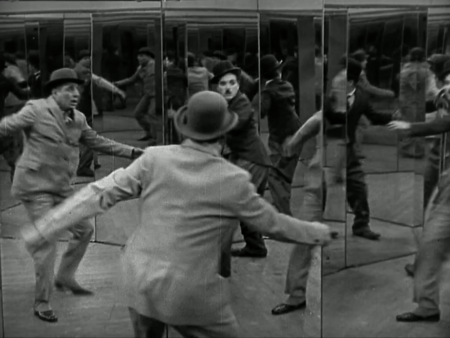
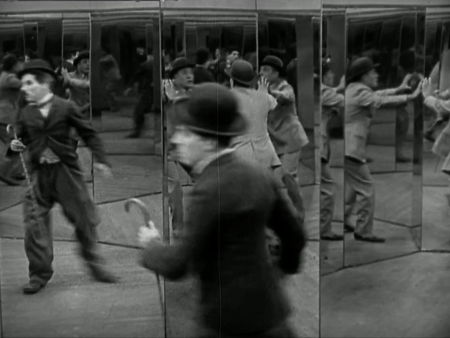
«The Circus,» 1928, dir. Charlie Chaplin
Plasticity here becomes a means of creating irony and mockery, as one character entangles another, while nearly finding themselves in the same situation. Charlie Chaplin skillfully constructs the mise-en-scène, confusing the viewer among numerous mirrors. At the same time, he manages to hide the camera, leaving the effect of the shooting unnoticed.Thanks to the thoughtful placement of mirrors in the frame, the reflection merges with the actual actors, and the viewer feels as if they are inside the action, without perceiving the frame or the edge of the scene.
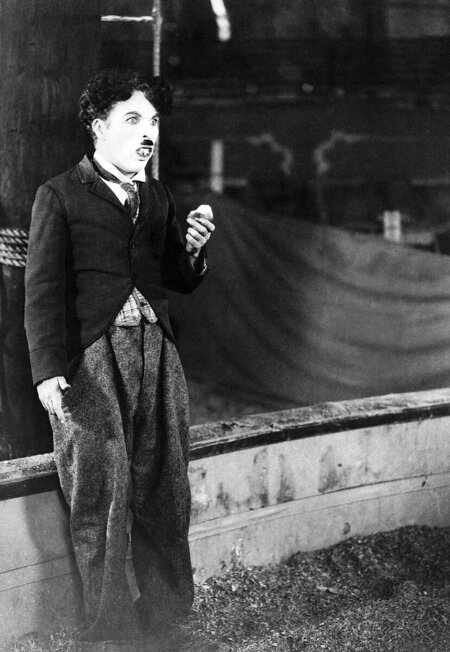
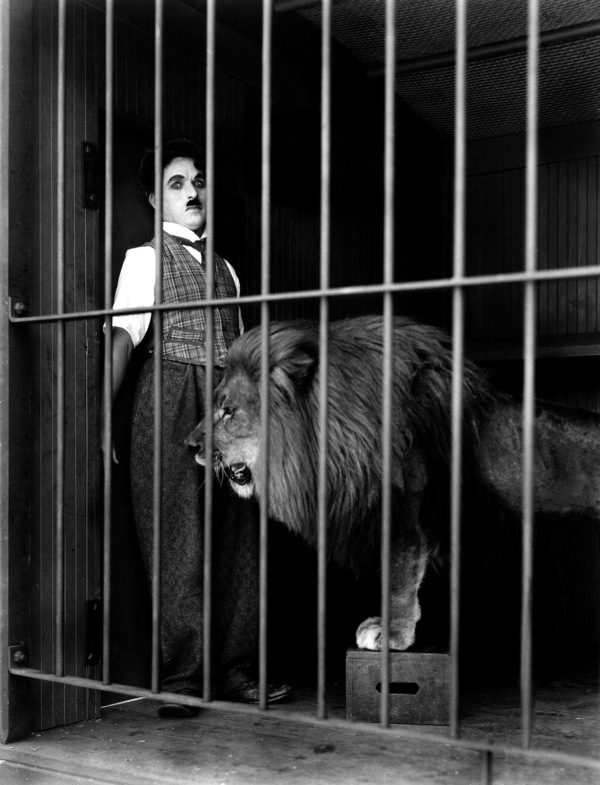
«Circus, ” 1928, directed by Charlie Chaplin
«The Circus, ” 1928, directed by Charlie Chaplin
Since the main character, portrayed by Charlie Chaplin, becomes the central source attracting comedic events and various adventures, the silent film becomes his own playground for «play.»
The pinnacle of the performance is Chaplin’s spectacular act on a tightrope during his show. Hoping to win the affection of the circus owner’s daughter, he strives to become what she sees as «the fearless tightrope walker.» [1]
The protagonist simultaneously engages with the audience and elicits laughter. The tightrope and the long stick he carries become a symbolic divider of the events, segmenting them into weightless fear and humor, life, and the possibility of falling.
The dynamic narrative is also supported by the ironic pairing of the performer’s assistant, who struggles to hold his safety line, and the fact that the line snaps at the most dangerous moment. The director does not limit himself to subtle irony but uses it here as well to balance the frightening and the funny.
As previously noted, physical comedy reaches its zenith and becomes the most pronounced characteristic of Chaplin’s films, harboring the source of his humor. This is because the way a person can contort within the frame allows the viewer to associate with them, projecting their qualities onto themselves and vice versa. Consequently, playing with the body and exploring the limits of its capabilities becomes a defining feature of the director’s work.
«Gold Rush» (1925)—the object as a source of comic and visual metaphor