Project Relevance
In contemporary visual communication, typography often becomes a complete tool for shaping brand character. However, punctuation and diacritics usually remain secondary elements of the typeface and are rarely considered standalone material for building an identity.
Concept
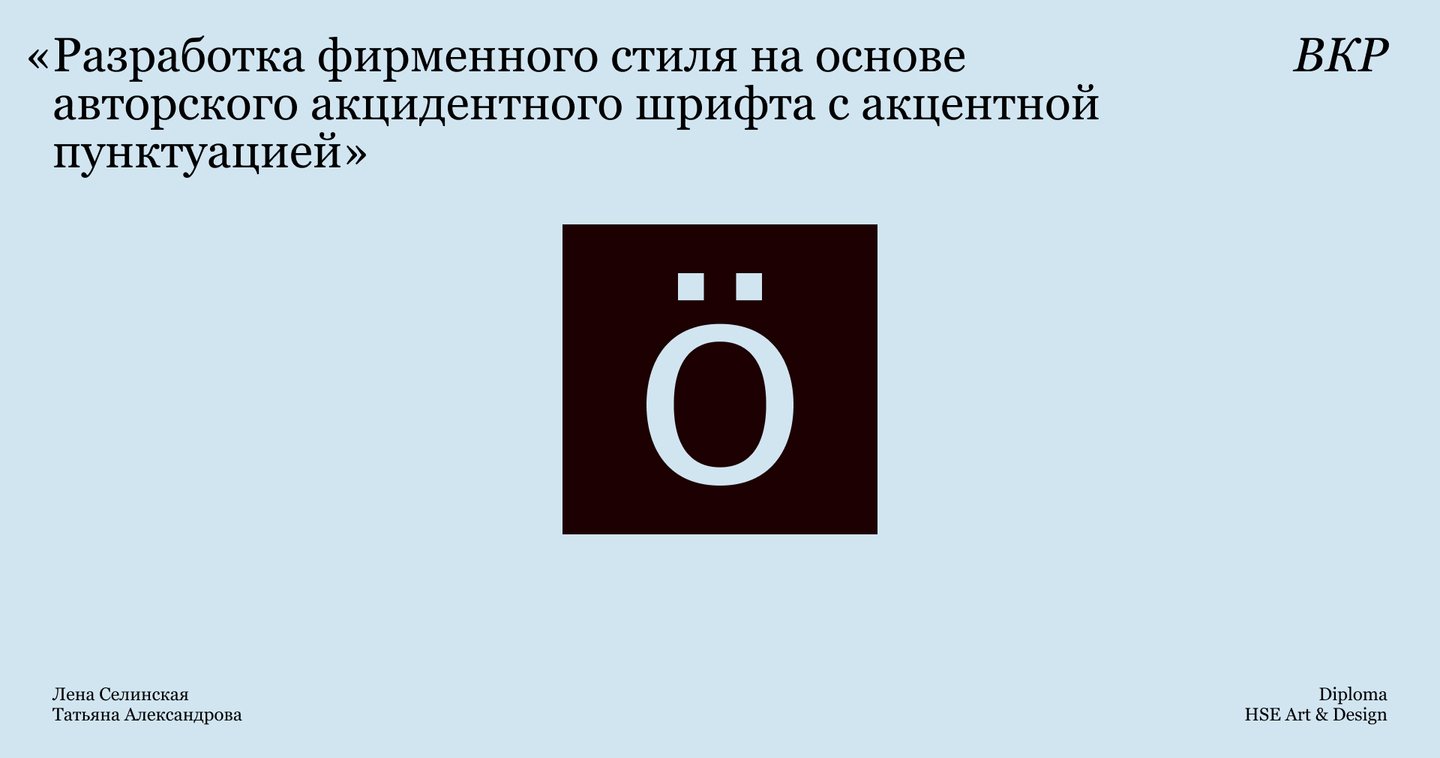
The project proposes transforming punctuation and diacritical marks into idiosyncratic forms that will define the brand’s character and communication when combined with a sparse and intentionally desiccated primary typeface. The developed font is tested within real-world branding applications.
Thesis Connection and Final Project Work
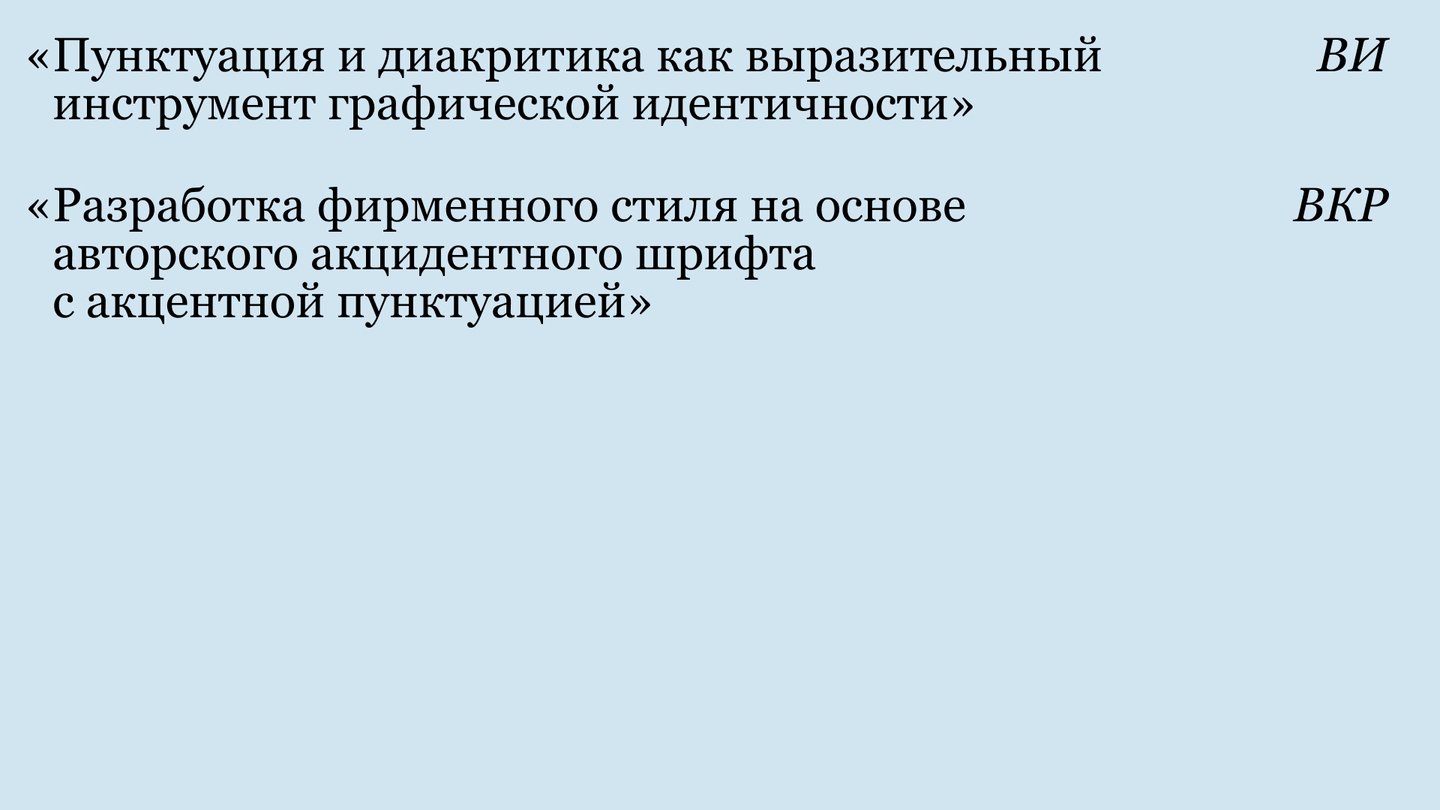
This research examines the transition of a sign from a linguistic function to a graphic one: How punctuation and diacritics are designed within a typeface, and how graphic designers transform them into an independent visual tool.
Windham–Campbell Prizes / Pentagram, Andrea Trabucco-Campos / 2025.
Task
Develop a visual identity for a selected real-world client, centered around a custom typeface system featuring accidental punctuation and diacritics. The goal is not simply to create unusual glyphs, but to test whether they can function as a complete, system-building branding tool: operating across the logo, typography, composition, navigation, patterns, and digital and motion media.
Moodboard
Moodboard
Theoretical Framework
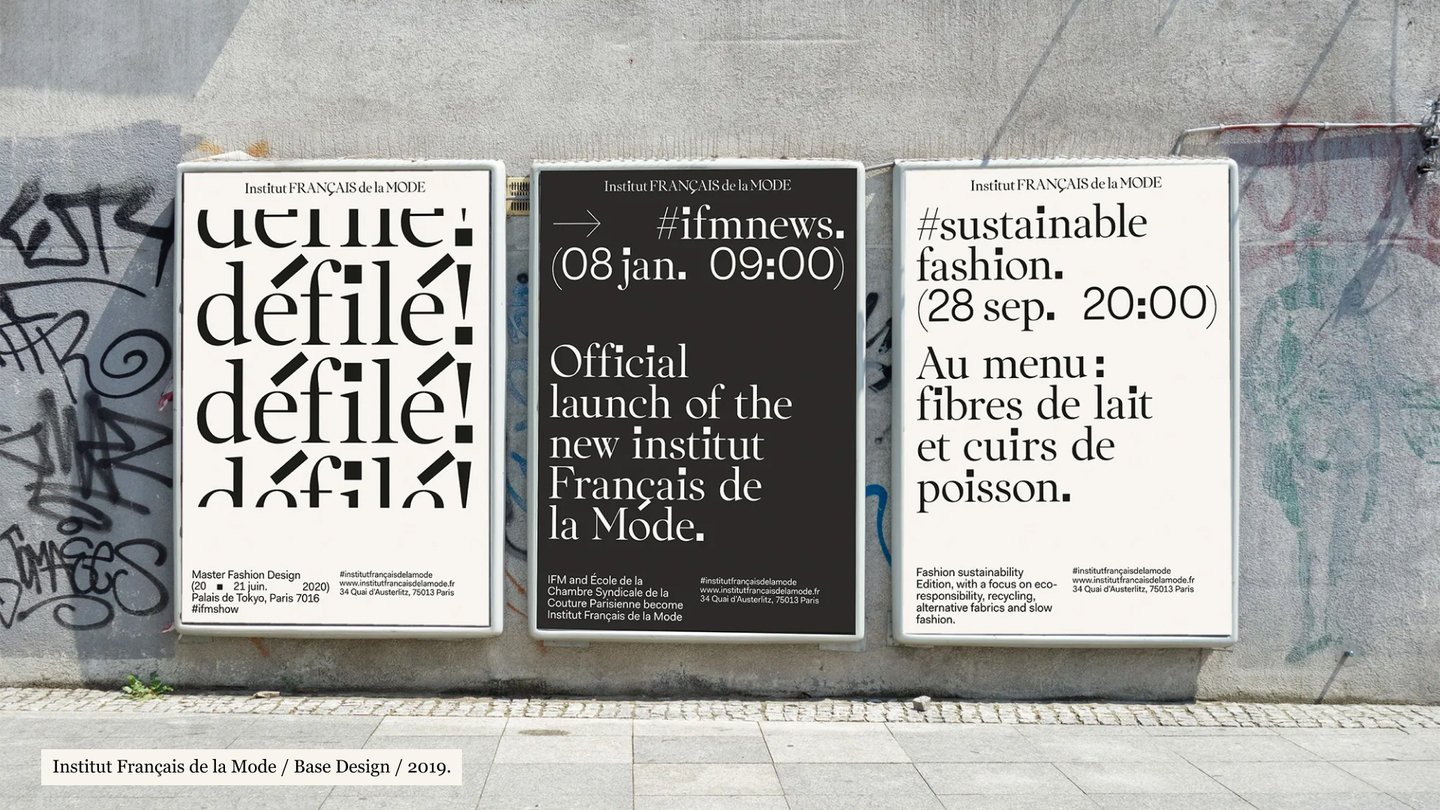
L’Alliance New York Identity / Pentagram, Eddie Opara / 2024.
Problem Statement
The project’s challenge is to determine whether punctuation and diacritics can form not just a singular visual gesture, but a flexible and cohesive identity system. Simultaneously, these marks must retain their connection to written language and recognizability, while gaining enough expressiveness and variability to function across diverse communication contexts. A separate objective is to avoid purely decorative use; the form and behavior of the signs must relate directly to the content, character, and objectives of a specific brand.
Font Usage Cloud