Target Audience (Who this course is for):Beginner Illustrators: People who love drawing and want to turn it into a career in children’s publishing.
Graphic Designers: Professionals who know layout and color but want to learn how to draw characters and tell stories for kids.
Children’s Book Authors: Writers who want to illustrate their own stories instead of hiring someone else.
Art Students: Students looking to build a specific portfolio for the children’s book market.
Parents and Educators: People who want to create custom, personalized picture books for their own children or students.
Beginner Illustrators
Prerequisites (What You Need Before Starting)
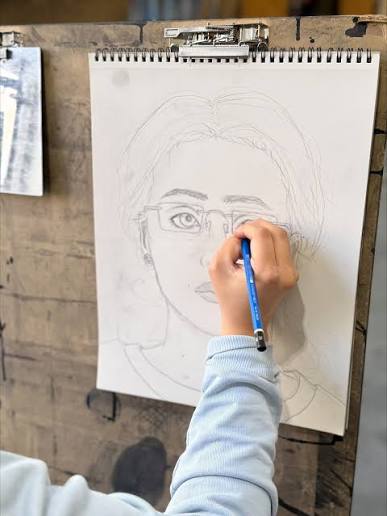
To succeed in this course, you should already have:— Basic Drawing Skills: You don’t need to be a master, but you should know how to draw basic shapes, simple human or animal figures, and understand basic perspective.
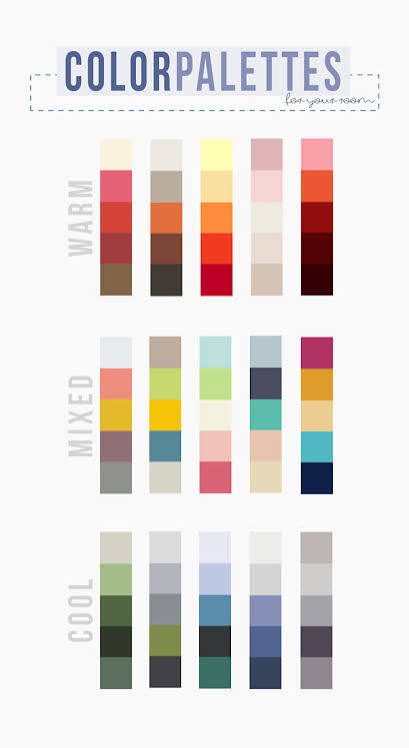
Basic Color Knowledge: Knowing the difference between warm and cool colors and how they evoke emotion.— Tool Familiarity: You should be comfortable using at least one art medium (such as watercolor, gouache, colored pencils, or a digital app like Procreate or Photoshop).— A Love for Reading: You should enjoy looking at picture books and be willing to explore many children’s books for inspiration.
Expected Learning Outcomes:— Understand Age Groups: Recognize the visual distinctions required for an infant (board book) versus an older child (picture book).— Design Characters: Develop characters that are charming, expressive, and maintain visual consistency across every page.— Draw Emotions: Clearly convey a character’s emotions—such as happiness, sadness, anger, or surprise—through facial expressions and body language.— Design for Text Layout: Grasp how to compose an illustration so that essential elements are not obscured by the accompanying text.— Structure a Book: Deconstruct a story and plan the accompanying visuals from the first page through the conclusion (storyboarding).— Select Color Palettes: Choose the appropriate colors to establish a mood—whether safe, joyful, or magical—that complements the narrative and appeals to young readers.
Assessment and Control Elements:Weekly Assignments: Brief, practical homework tasks (such as drawing the same character in three different emotional states).Class Critiques: In class, we will review everyone’s work together. You will give and receive constructive, supportive feedback—a practice that helps you see art through an editor’s perspective.Participation: Being an engaged contributor to class discussions and asking thoughtful questions.Final Project Rubric: Your final project will be evaluated using a clear rubric based on: 1) Narrative flow, 2) Character consistency, 3) Artistic quality, and 4) Appropriateness for the target demographic.Progress Tracking: The instructor will review your sketchbook midway through the term to verify your consistent practice and improvement of foundational skills.

Final Output/Result (What you will take away)— A «Dummy Book»: This is a rough, mini-version of a complete picture book. It includes your cover, character designs, a full storyboard, and 3 to 5 fully colored, finished illustrations. This is the most critical asset for gaining a publisher’s attention.— A Professional Portfolio: You will develop the foundation of a professional portfolio specifically tailored for presenting to children’s book publishers or literary agents.— A Step-by-Step Workflow: You will gain a clear, repeatable process for how to start and finish illustrating any children’s book in the future.
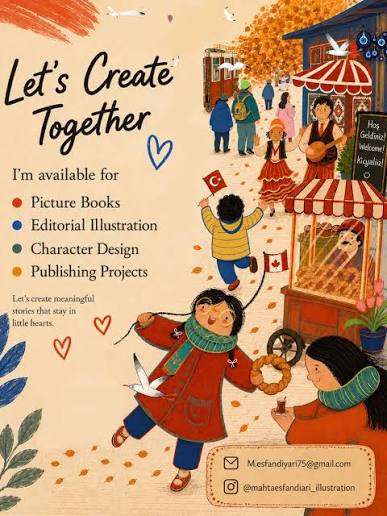
Approximate Syllabus (Course Plan)— Introduction to the Children’s Book World
What is a picture book? (Different types: Board books, Picture books, Chapter books).
How illustrations and text work together like a dance.
Understanding the child’s mind: How kids see pictures differently than adults.— Text Analysis and Page Planning
How to read a story and decide where to place the page turns.
Finding the most exciting moments in the story to illustrate.
Understanding negative space (leaving room for the words).— Character Design for Kids
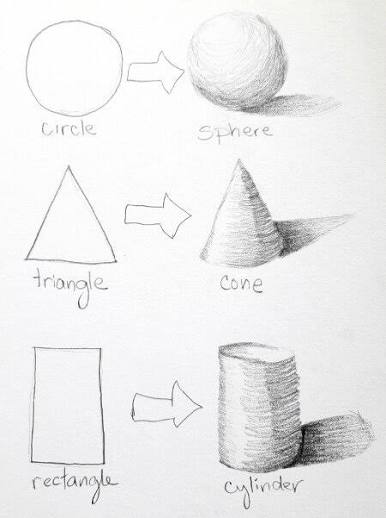
Using simple shapes (circles, squares, triangles) to create friendly characters.
Drawing human and animal characters.
Character consistency: Ensuring your character looks the same even if they are running, sitting, or crying.— Facial Expressions and Body Language
How to draw clear emotions on a character’s face.
Using the character’s pose (body language) to convey feeling.
Added Point: Making the villain scary but not nightmare-inducing for a child.— Composition and Environment
Arranging elements on the page so the reader’s eye moves exactly where you intend it.
Designing the background/world where the characters reside.
Ensuring the setting supports the narrative, rather than distracting from it.— Color, Light, and Mood
Choosing a limited color palette (using only a few primary colors) to keep the artwork clean and professional.
Using light and shadow to evoke a sense of morning, night, or magic.
Added Point: How to use color to show the passage of time (e.g., from morning to evening) within a single spread.— Publishing and Final Presentation
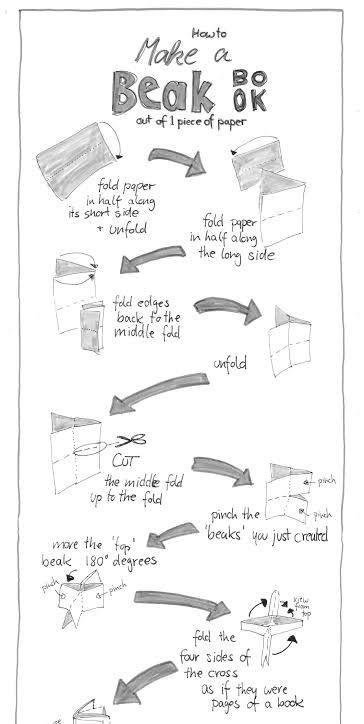
How to physically and digitally assemble your Dummy Book.
How to approach publishers and what they look for in a portfolio.
Added Point: Understanding basic copyright law and avoiding scams.
Final Class: Presenting your completed Dummy Boo