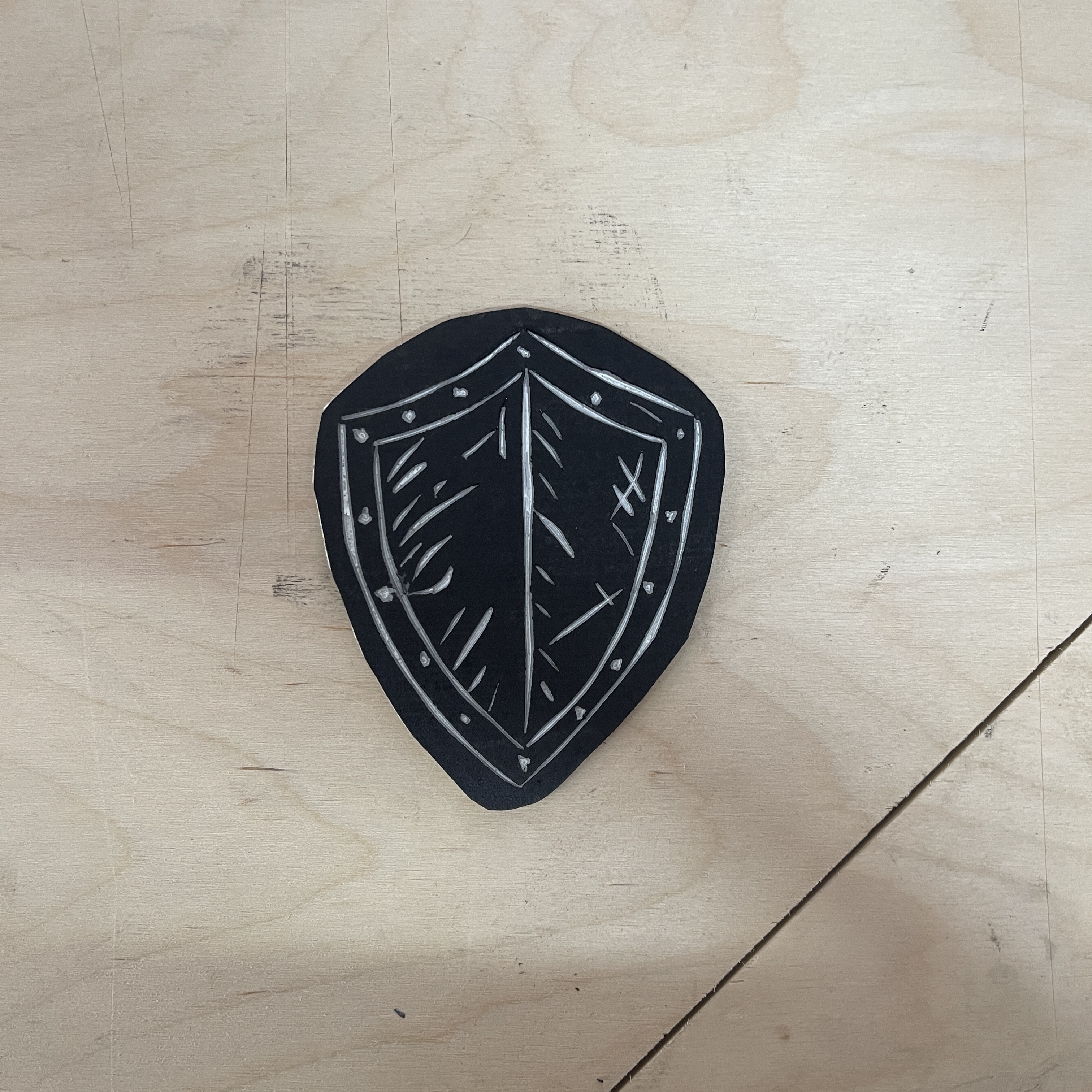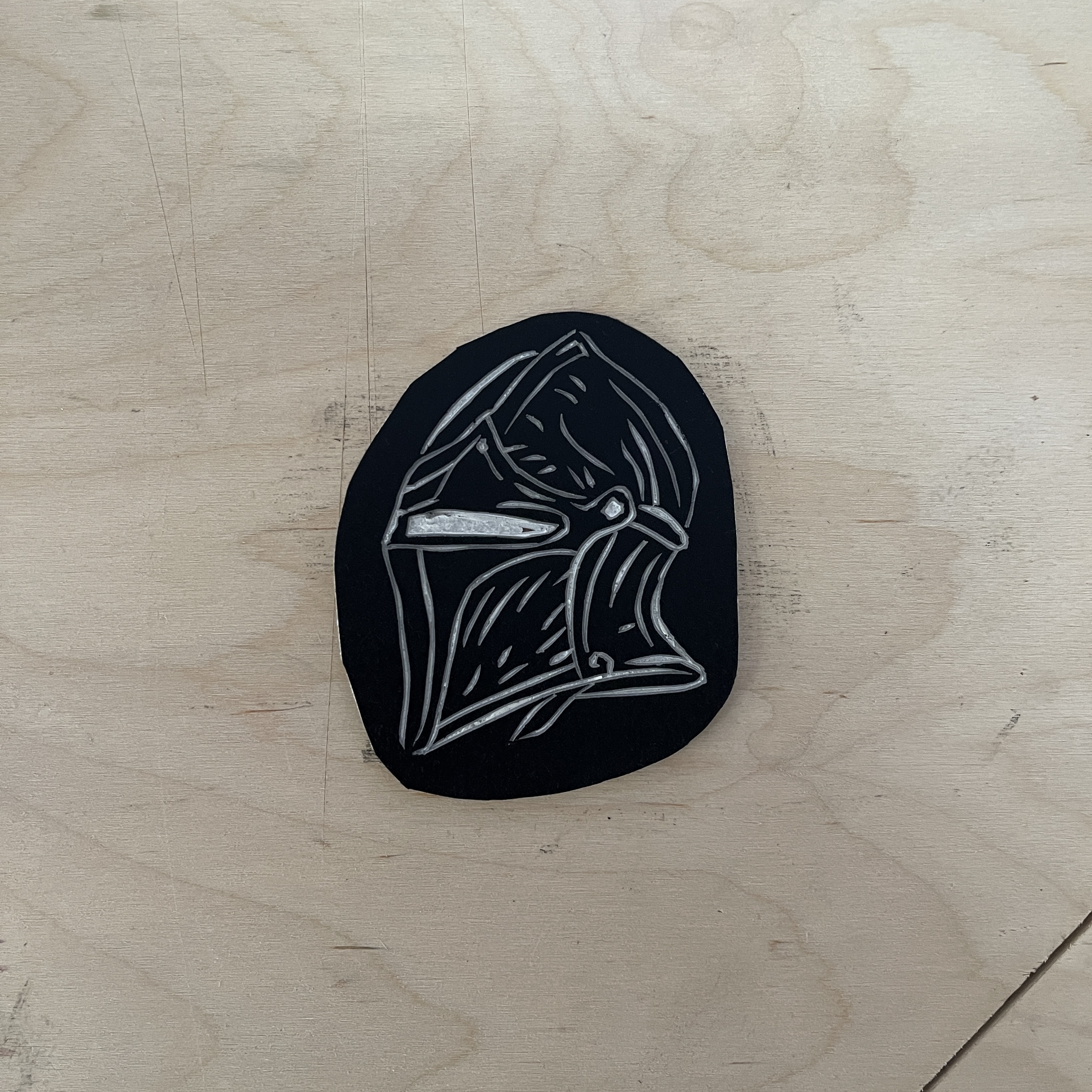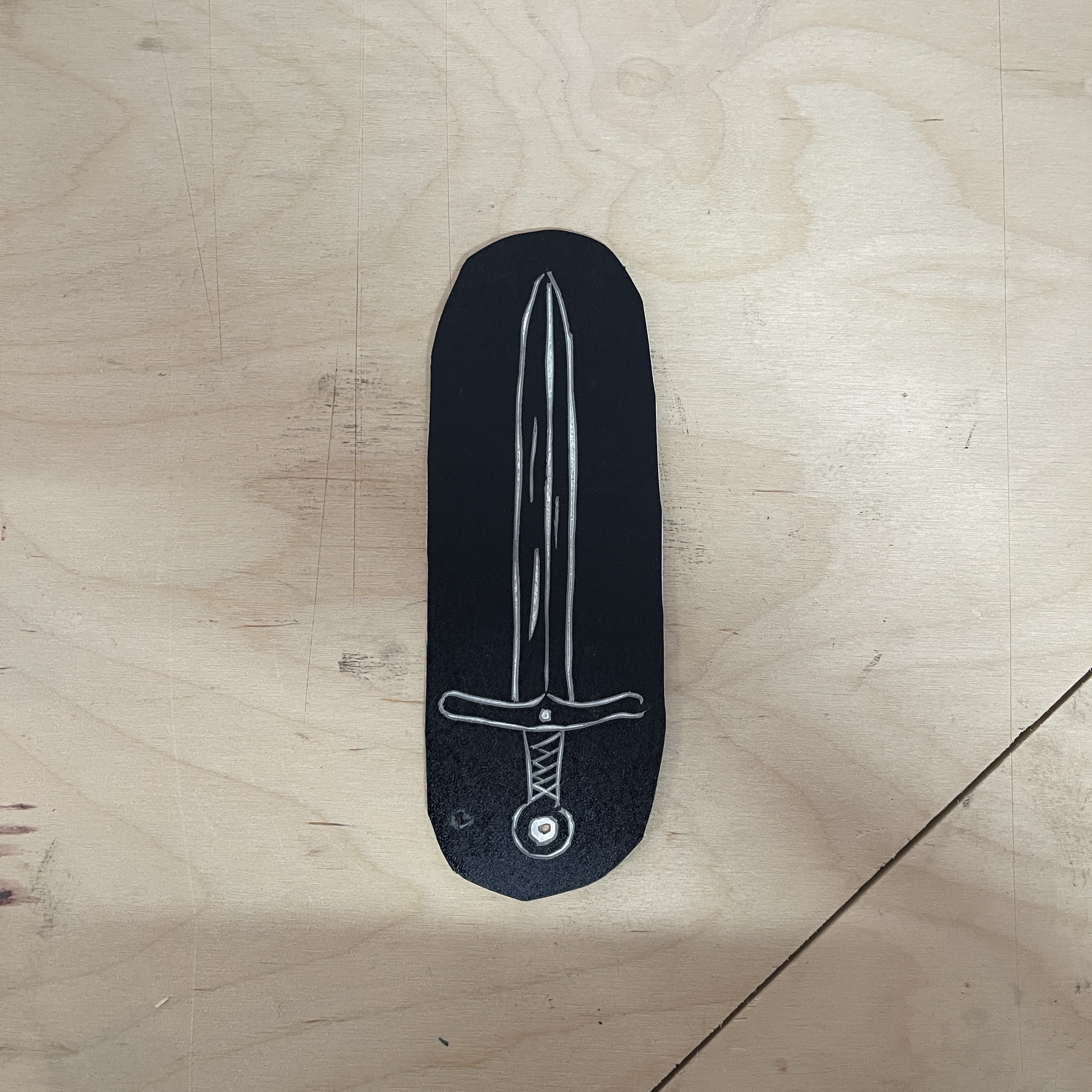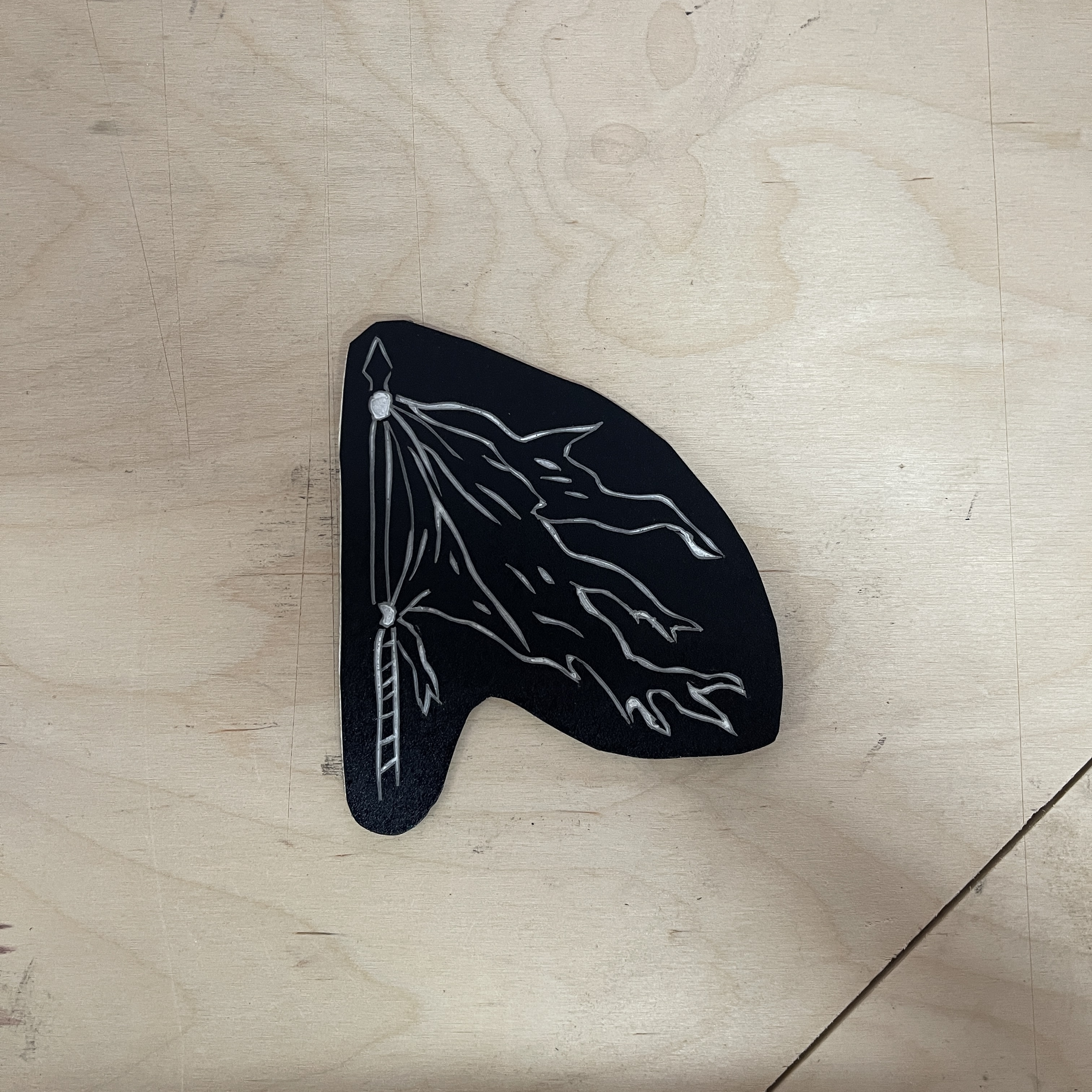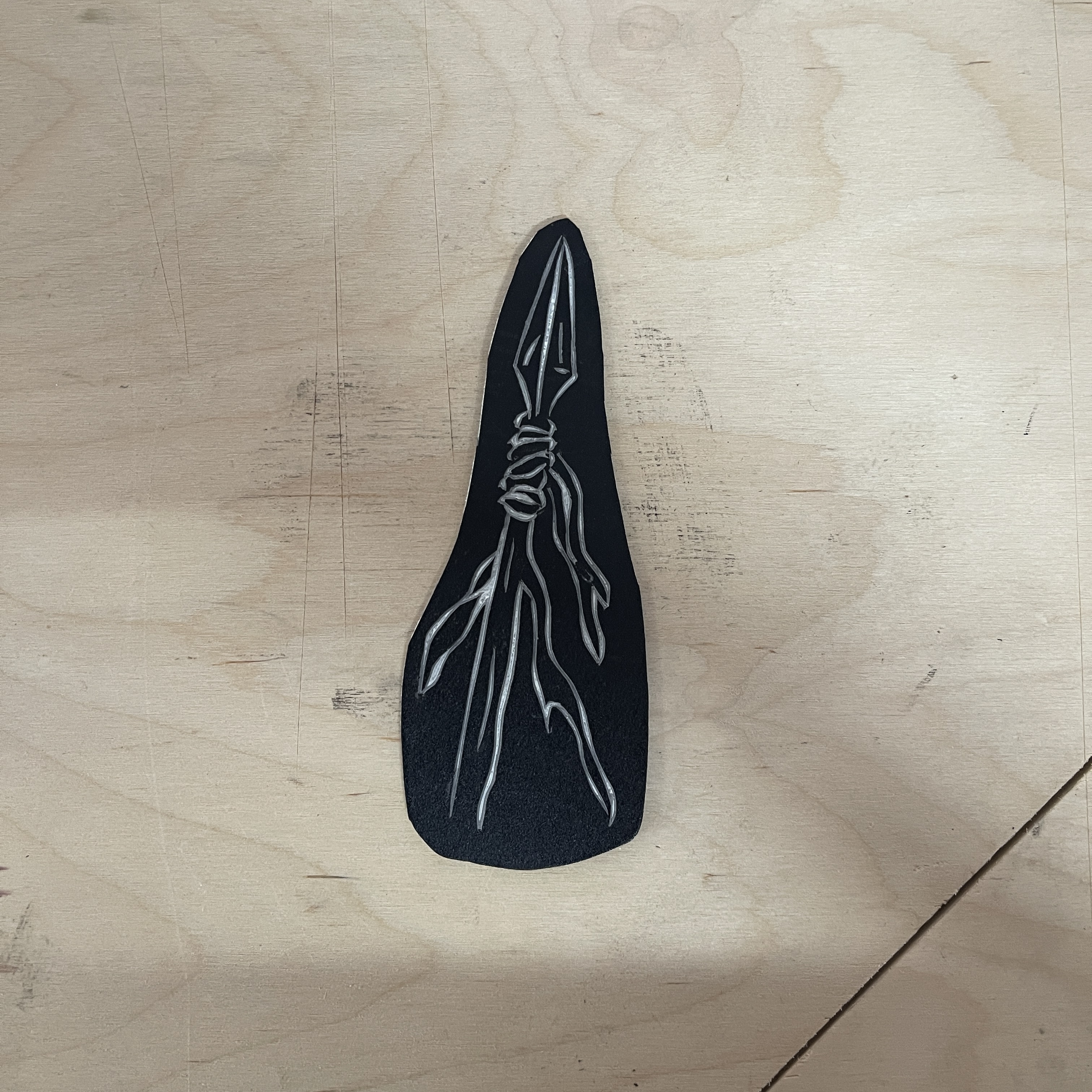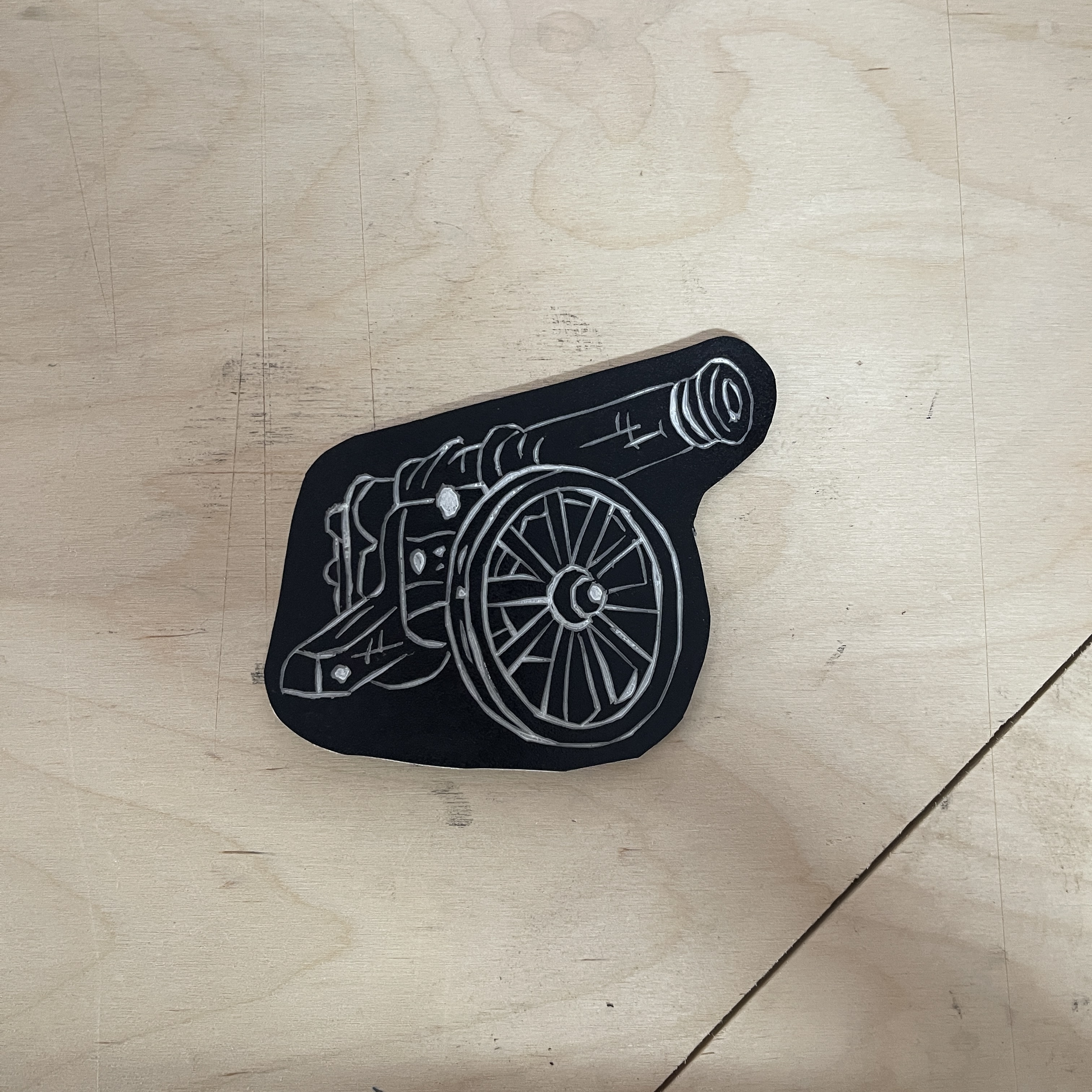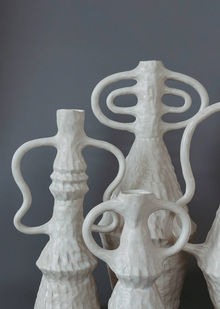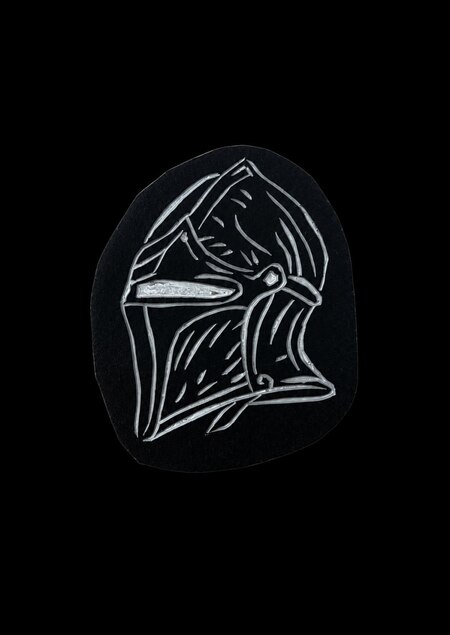
War is a project that explores the image of the Second Rider of the Apocalypse through the collision of an archaic myth and the contemporary media environment. War is presented simultaneously as physical destruction and as a media image that simplifies a complex system of conflicts into a collection of recognizable symbols. Through pictorial representations of weapons and flags, the work investigates how modernity transforms war into a system of visual labels, complicating the understanding of its true nature. The work is part of the «Apocalypse Riders» collection.
Collection Concept
Bits of myths are gradually infiltrating our lives in fragmented ways, and it is becoming increasingly difficult to ignore them. These myths are absolutely classic and self-referential; they constantly recur throughout history, which is why they are myths. However, history has never seen such a quintessence of these specters embodied in physical forms as in modernity. Our time can accommodate a thousand myths simultaneously due to media saturation, globalization, and the innate media literacy of modern individuals.
Media dismantles myths not only through print publications but also through television, advertising, film, art, politics, and any fashion industry. In this process, the myth becomes yet another endlessly multiplying conveyor belt, akin to Jacques Derrida’s description of ghosts—the myth stops creating new concepts; it merely multiplies those that already existed, and this trend only intensifies with the evolution of media. However, in the modern world, one myth has begun to stand out—one that is difficult to reproduce easily due to questions of archaism and humanity: the biblical myth of the Four Horsemen of the Apocalypse. Even people distant from the Bible are noticing how Hunger (inflation and sanctions) first infiltrated their lives, followed by War, and most recently, perhaps the most archaic of all—Plague (in Irkutsk).
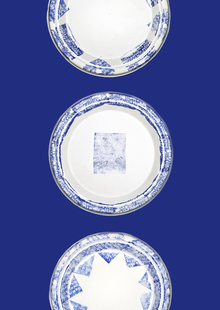
Only death looms—a death that, it seems, only achieves its physical embodiment so that the myth does not simply manifest in some new form, but manifests in its original, archaic state. Therefore, our work, which focuses on the Four Horsemen of the Apocalypse, addresses questions of mythologization and engages with the medium: the physical collection project will embody Dionysus during the Plague—that is, napkins printed with attributes of war, cups featuring attributes of the plague, plates marked with symbols of famine, and a tablecloth fragmented with symbols of death.
This highlights a question of historicity—that is, questions of collective memory and myth—how terrifying can a myth repeat itself, or does it die away in memory? This is the question our projects pose, which are created for a feast, but is such a feast possible with artifacts from the past?
Concept
The war in the myth of the Four Horsemen is not a specific conflict nor a defined enemy—it is humanity’s return to a state of conflict. History repeatedly tries to declare this state overcome, yet it continually resurfaces in new forms. If Plague infiltrates modernity as an invisible system of transmission, then War is its opposite; it is always striving to take form. It materializes in weaponry, borders, uniforms, ruined buildings, and human bodies.
However, modern warfare also exists as a media image: in photographs, live streams, newsfeeds, propaganda posters, and cinematic reports. Baudrillard would reimagine the Second Coming of the Apocalypse as another system now translated into media, but what we observe in reality represents an archaic form of war—much like the archaic outbreak of plague spilling out of a vial in Irkutsk—it has distinct differences.
Plague escapes from the broken ampoule, not through rats; similarly, war is no longer an exclusively fratricidal, simplistic system, but an anti-humanist system composed of countless postmodern systems and mediums—an impossible task to track.
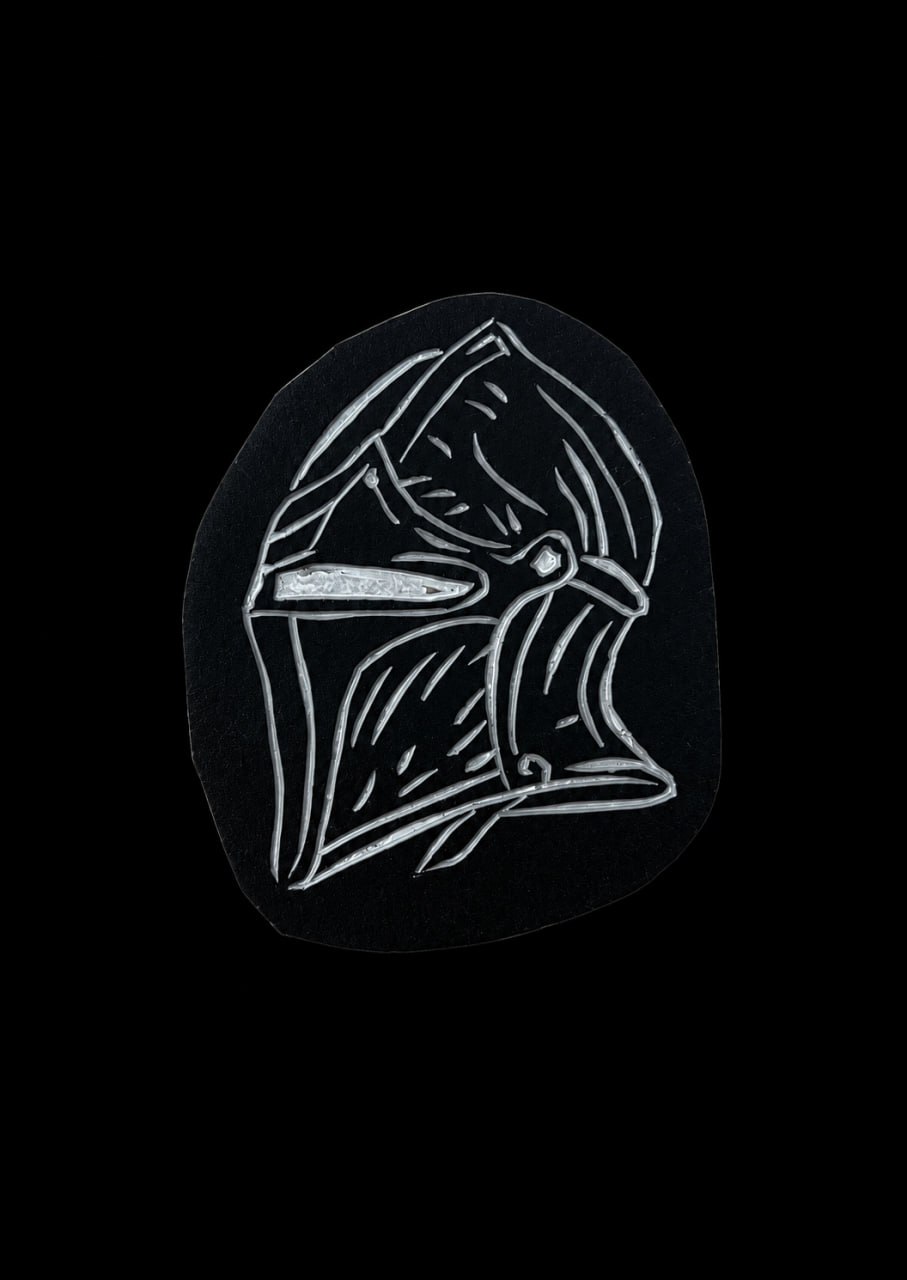
Therefore, in our project, we conceptualize war through simple poster symbols of trunks, cannons, nuclear devices, and flags, because this is how the postmodern era—the era of media, the internet, and post-internet—reinterprets war: when it is impossible to comprehend the infinite enormity of the system, it is replaced by a limited set of labels describing that system.
Stamps