Topics
- Introduction
- «Throne» (1982): Features 2.1. Logo and Opening Credits 2.2. The Teleportation Episode 2.3. Costumes 2.4. Technique and Beat
- «Throne: Legacy» (2010): Features 3.1. Costumes 3.2. Locations 3.3. The «Rejuvenation» Effect
- Visual Comparison
- Conclusion
- Bibliography
- Sources
Introduction
The films Tron (1982) and Tron: Legacy (2010) captivated audiences not only with their gripping plots but also with the exceptionally high standard of their visual special effects, setting them apart from other cinematic works. Examining the characteristics and evolution of special effects in these films is important because it prompts an awareness of how technological capabilities have changed over time and how this has affected the audience’s artistic perception. Before delving into the specifics of the films and their special effects, it is important to review the history of their creation. The 1982 film Tron, directed by Steven Lisberger, was one of the first feature-length films to extensively utilize computer graphics. This work was a genuine breakthrough and a demonstration of new technological possibilities in cinema. The work on the visual effects for the film involved a team of talented specialists, including graphic artists, programmers, and engineers.
Still from the original film (source: «The Empire Strikes Back» 1982)
The plot of «Tron» transports viewers into a world of computer programs and algorithms, presenting a completely new reality where every object possesses properties and behaviors inherent to the software environment. The main character gets sucked into this digital world and is forced to fight for his survival within it. This science fiction experiment gave cinema an incredible boost in the development of CGI and special effects overall. «Tron: Legacy,» released in 2010 and again featuring Steven Lisberger, once again stunned audiences with its innovative visual effects and continued the evolution of special effects. The connection between the two films is vital for studying the development of technology in CGI creation. «Tron: Legacy» improved the technology for creating not only visual but also technical special effects, while also introducing new possibilities for computer graphics.
Recognizer. A frame from a sequel (source: «Tron: Legacy» 2010)
In both parts of the films, attention is paid to CGI, which allows for an easy comparison of filming methods and the results achieved through various approaches across different, one might say, cinematic epochs. Studying the characteristics and evolution of special effects in the films Tron (1982) and Tron: Legacy (2010) is a vital step in understanding technological development in cinema. A comparative analysis of the special effects in these films will help illuminate how technological capabilities have changed over time and how that has influenced the audience’s artistic perception. In my visual study, I will address the creation of film title sequences, costumes, and visualizations of vehicles and transport using CG technologies, as well as specific effects and techniques characteristic of a particular film or specific filmmaking era.
«Throne» 1982: Features
Logo
Movie logo (Source: «The Art of TRON,» by Michael Bonifer)
Robert Abel & Associates Studio was assigned responsibility for animating the film’s title logo. It all began with concept development, which Sid Mead worked on. He then developed a preliminary storyboard featuring the logo’s appearance, which Richard Taylor and Bill Kroeger later refined. Animating a virtual camera flying through the word «TRON» was also required.
Developing the animation sequence frames for the logo (Source: «The Art of TRON,» by Michael Bonifer)
Episode of movement
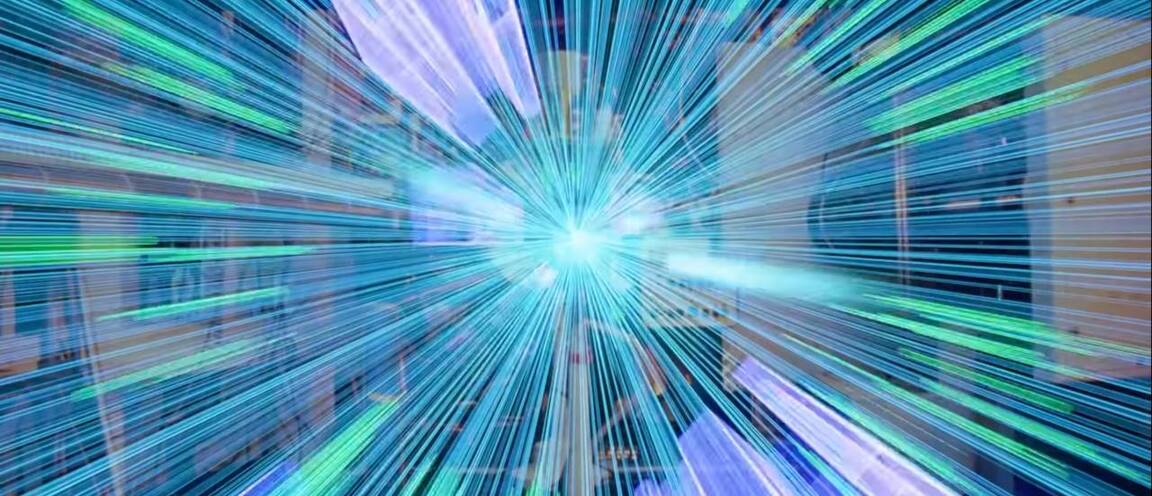
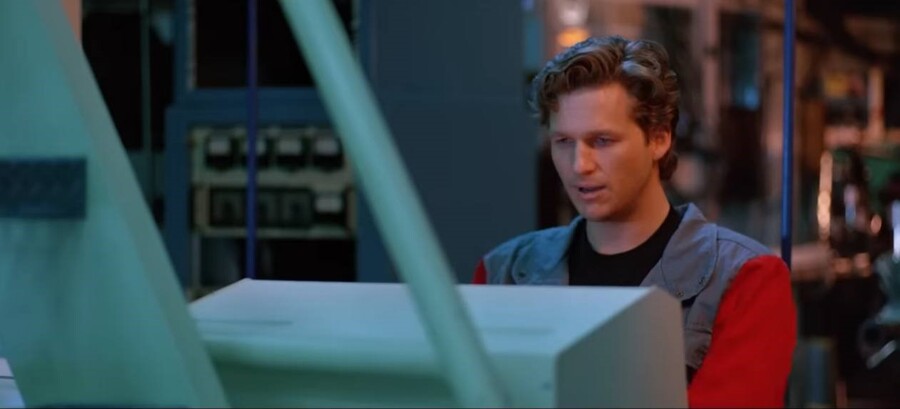
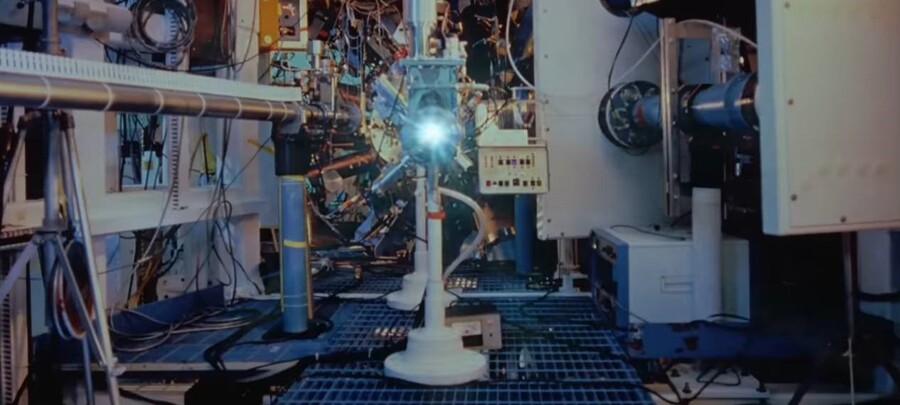
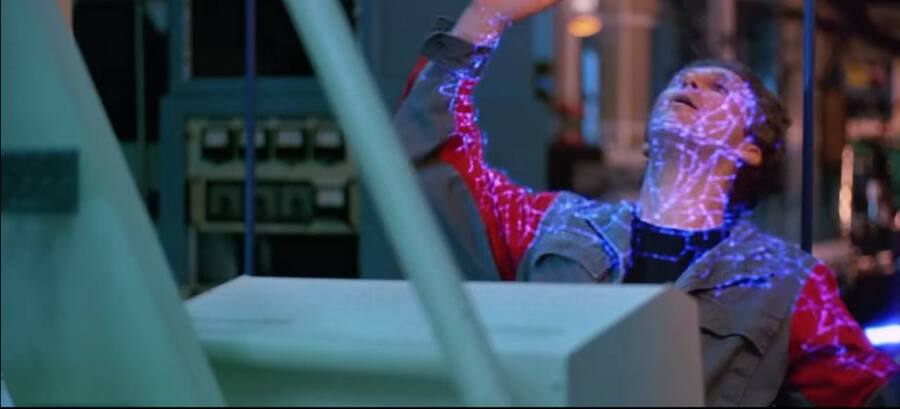
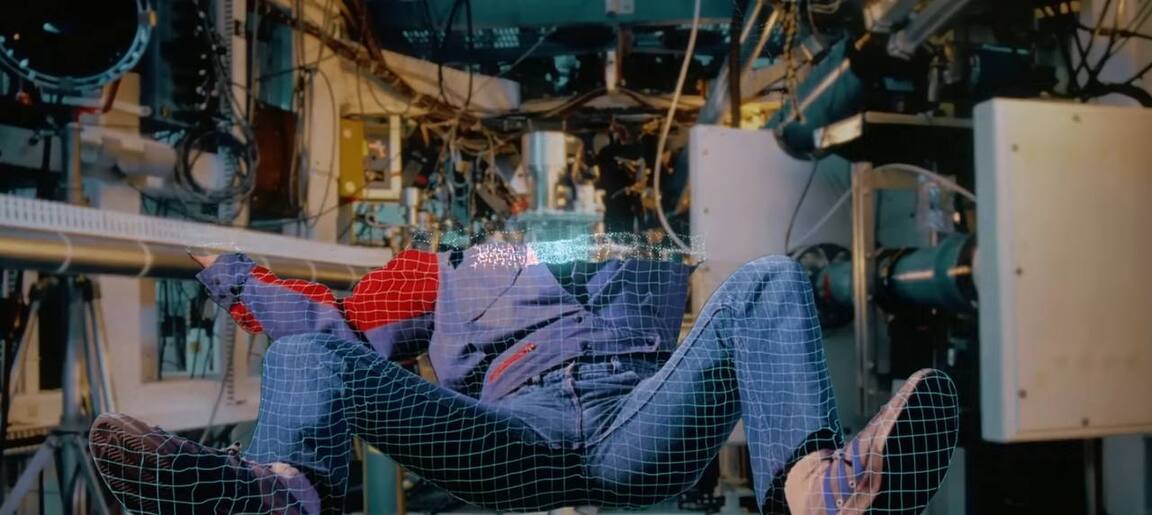
A laser beam splits Flynn into polygons and transports him into computer reality (Source: Tron, 1982)
In addition to the logo, the studio Robert Abel & Associates worked on a scene where the main character, Flynn, enters a computer reality via a beam that breaks him down into polygons, disassembles him in our world, and materializes Flynn inside the computer system. For this scene, in addition to computer graphics, the creators also utilized hand-drawn animation and retro-projection to control parameters such as scale, coloring, and depth of field. To create this sequence, animator John Van Vliet had to build a character mesh and animate his appearance in the digital environment frame by frame.
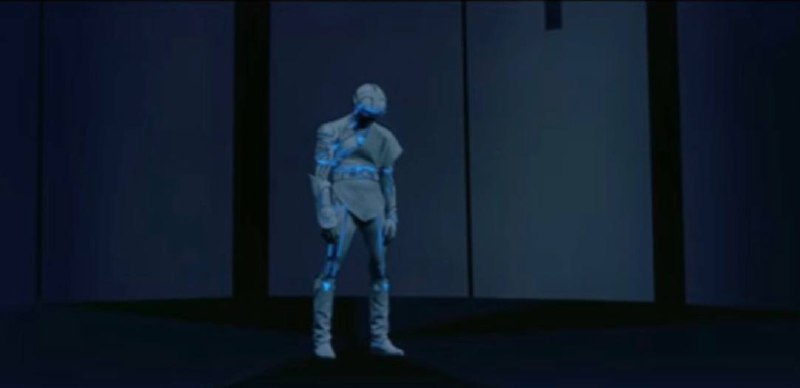
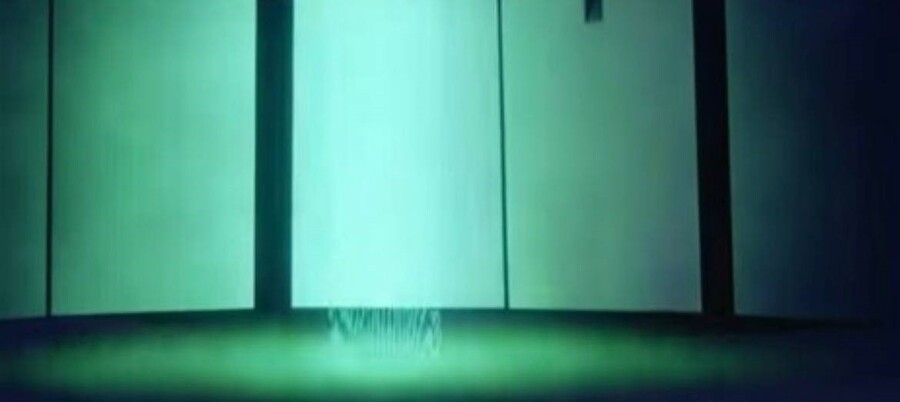
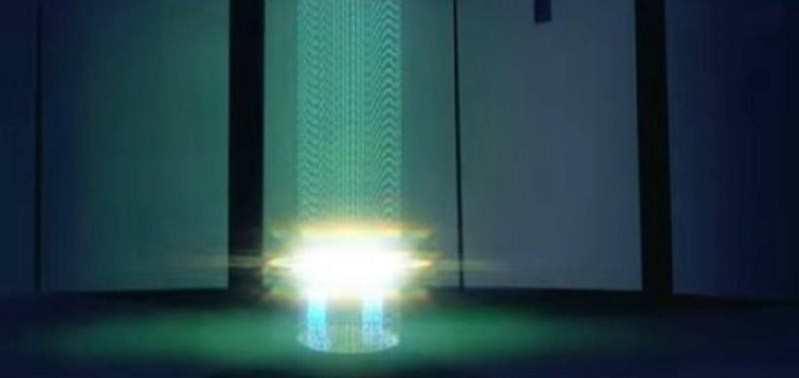
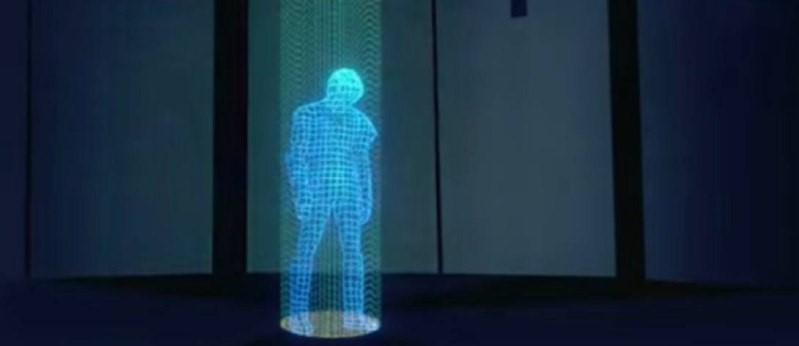
Digitalization of Flynn in computer reality (source: Tron, 1982)
Movement animation sketches (source: «The Art of TRON,» by Michael Bonifer)
Costumes
Sequence of positive stills (Source: https://propstore.com/product/tron-1982/set-of-29-kodaliths-and-behind-the-scenes-vfx-materials/.)
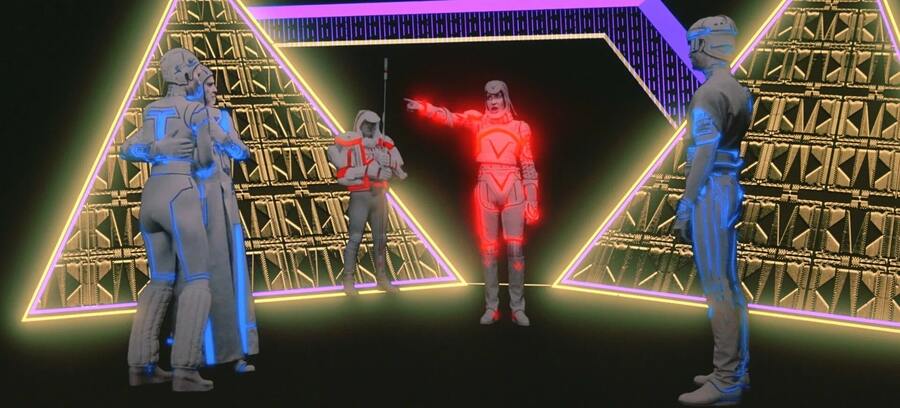
The futuristic costumes of the film’s characters, including the helmets, were adorned with black geometric stripes mimicking microchips, a design choice by costume designer Eloise Jensen. Initially, the creators planned to illuminate all these stripes with neon light, but the computer graphics technology of that time could not provide this effect, so they had to resort to the «Backlight Animation» method, which is often seen in classic animation.
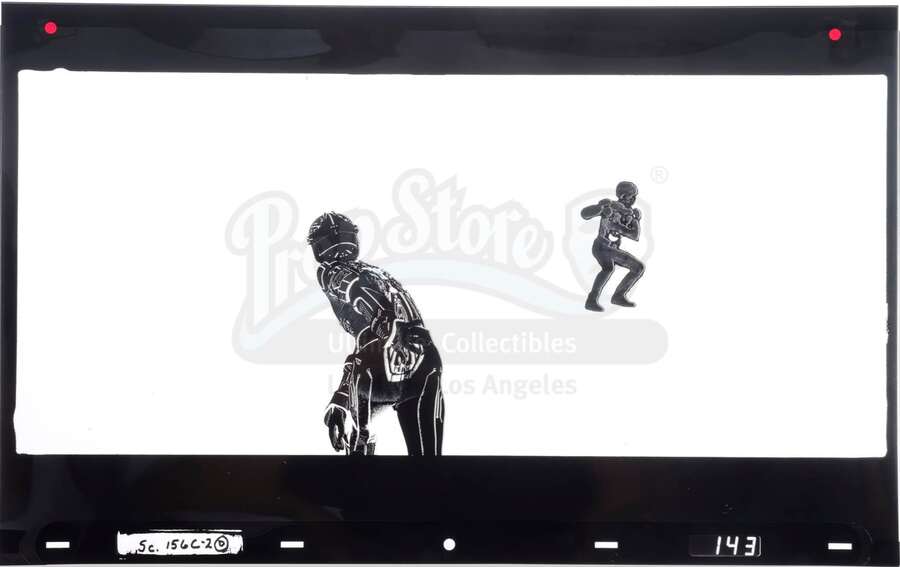
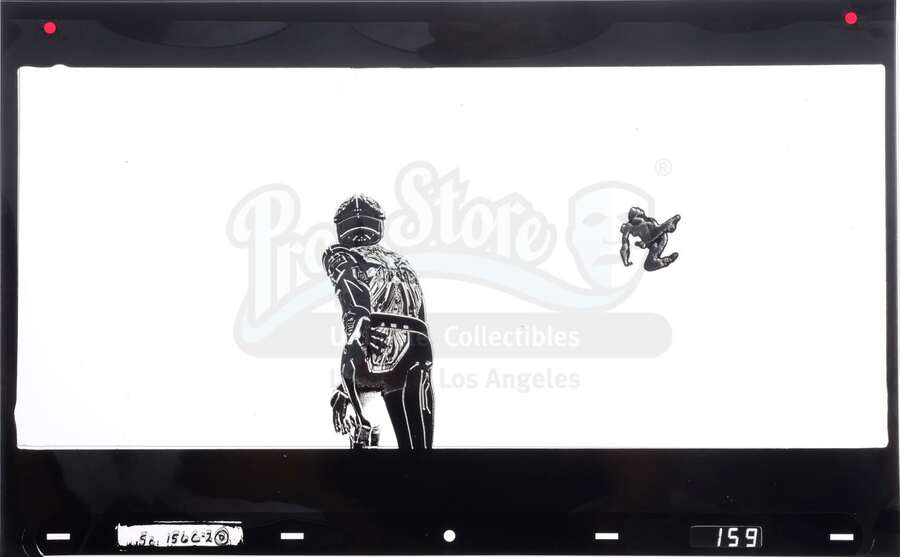
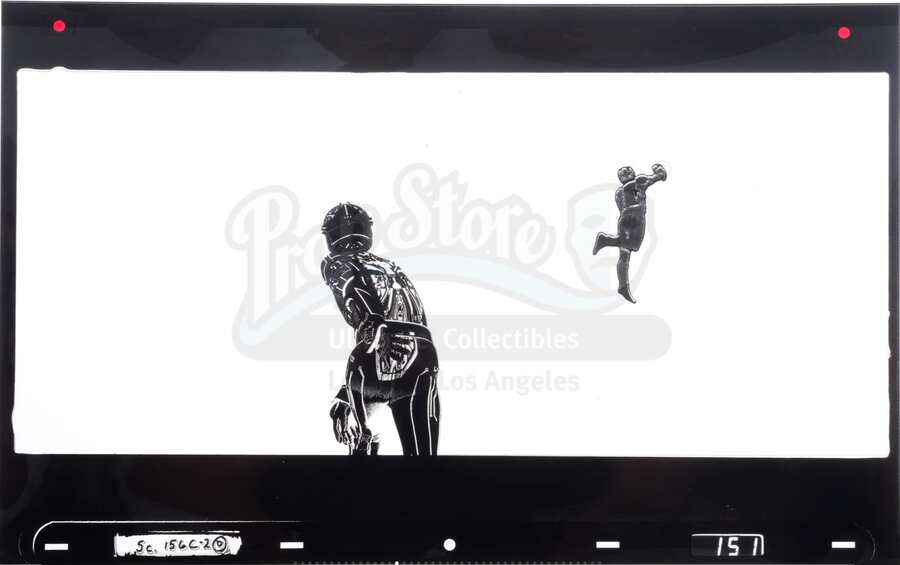
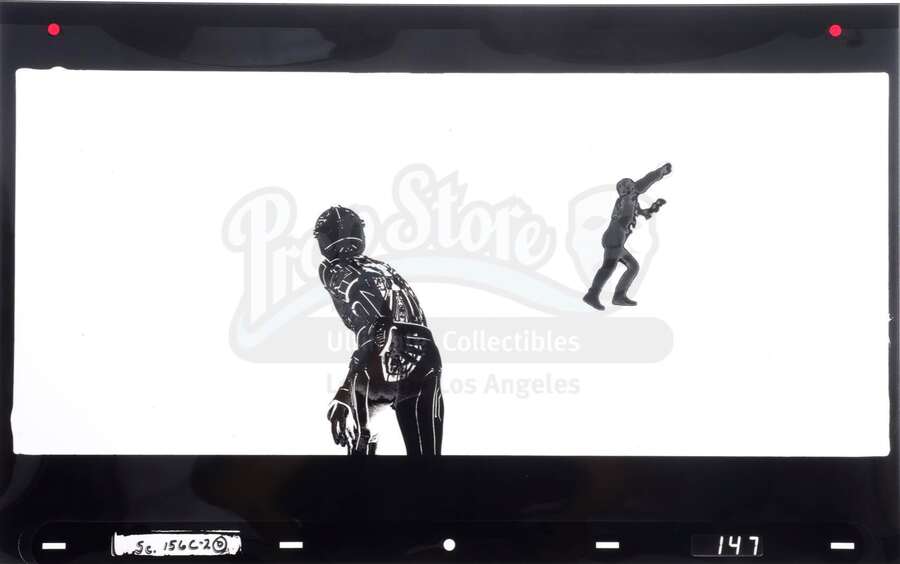
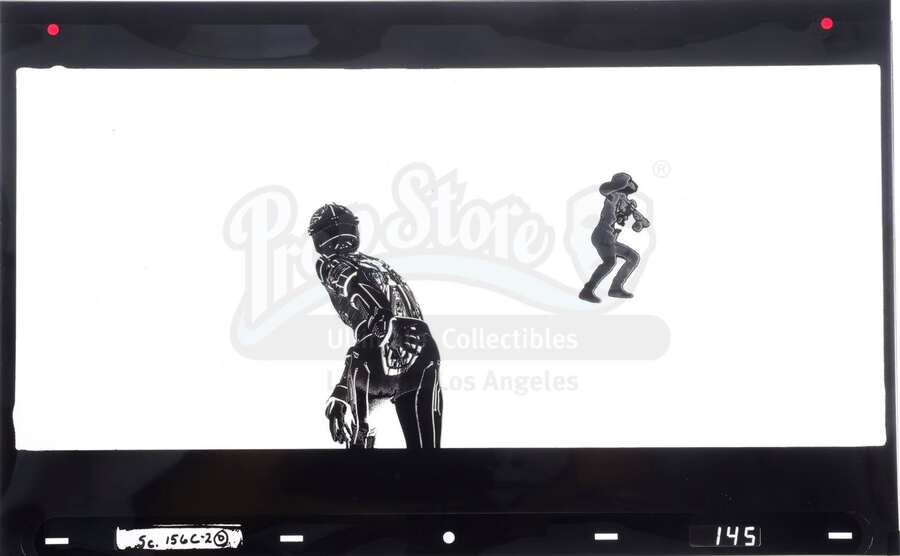
Sequence of inverted negative images (Source: https://propstore.com/product/tron-1982/set-of-29-kodaliths-and-behind-the-scenes-vfx-materials/.)
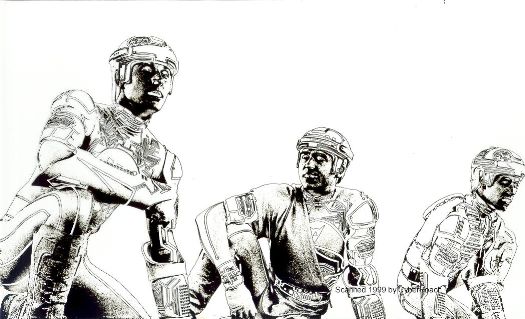
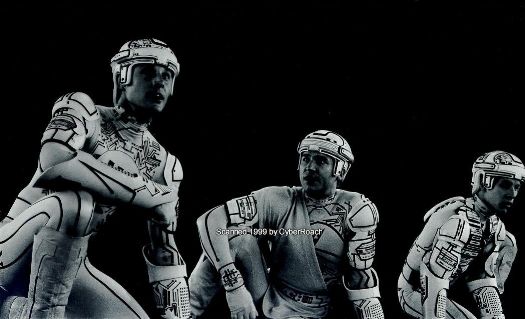
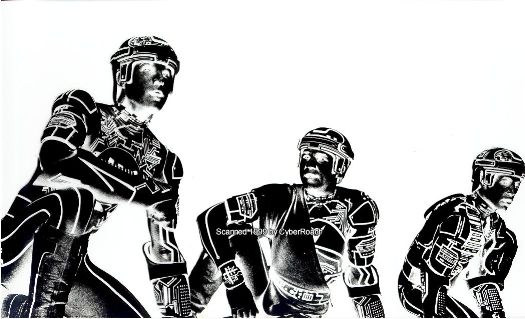
Original photograph (positive), high-contrast negative, outline matrix (Source: https://3dnews.ru/167126)
The film’s animation effects supervisor, Lee Dyer, coordinated a team of 18 people who worked on muzzle flashes, weapon sparks, and other effects. In total, approximately 17 minutes of animation effects were created. The «Backlight Animation» technique involves initially coloring the glowing areas black, followed by creating a negative image where black becomes white and vice versa. This allows for the identification of transparent elements that require backlighting. To achieve sharper inverted images, the creators used high-contrast Kodac Kodalith film.
Frame processing scheme (Source: «The Making of Tron (1982) (Full Documentary)»)
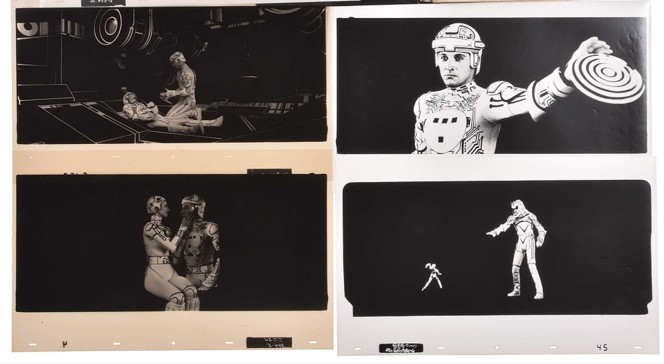
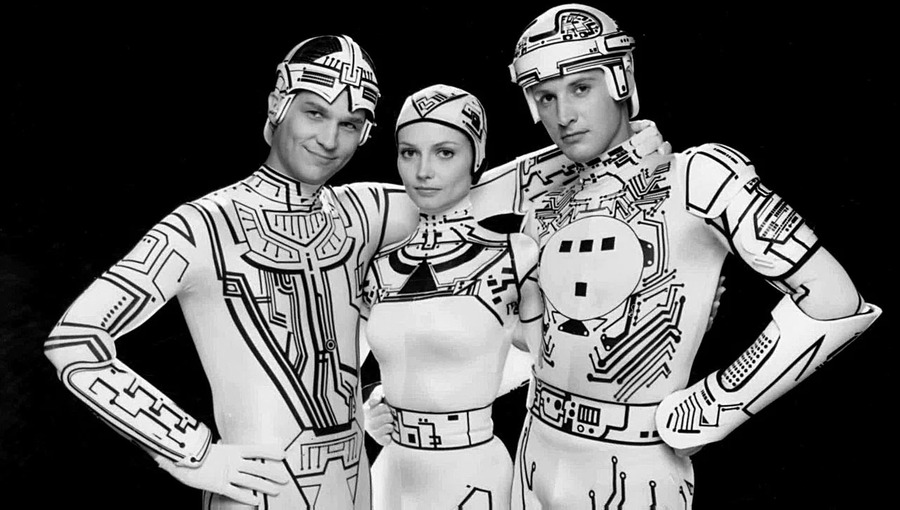
Black and white photographs of actors in costumes, positive (sources: https://www.kinopoisk.ru/picture/3513567/; https://robertedwardauctions.com/auction/2018/fall/2508/extraordinary-1982-tron-production-c)
According to the creators, the process wasn’t as simple as a mere inversion: each frame required layering anywhere from 5 to over 30 mask layers. Every frame was meticulously cut out by hand—first the hero’s silhouette, then the background, then the faces to brighten them and make them stand out from other elements, and finally the eyes and mouth to ensure they remained naturally white. Over 75,000 frames were processed using this labor-intensive method, requiring more than 500,000 masks.
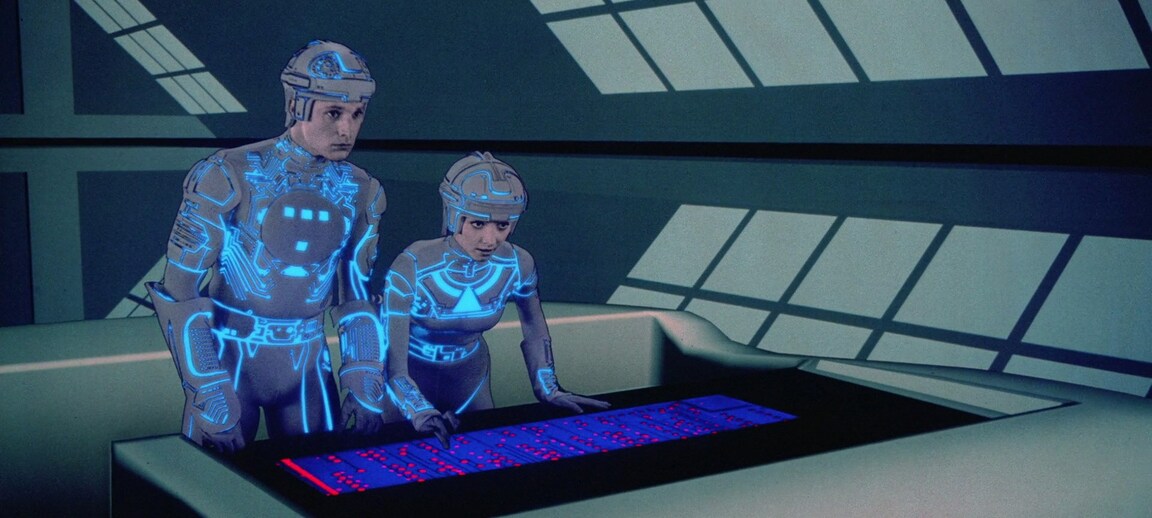
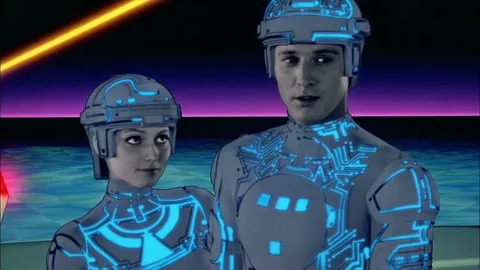
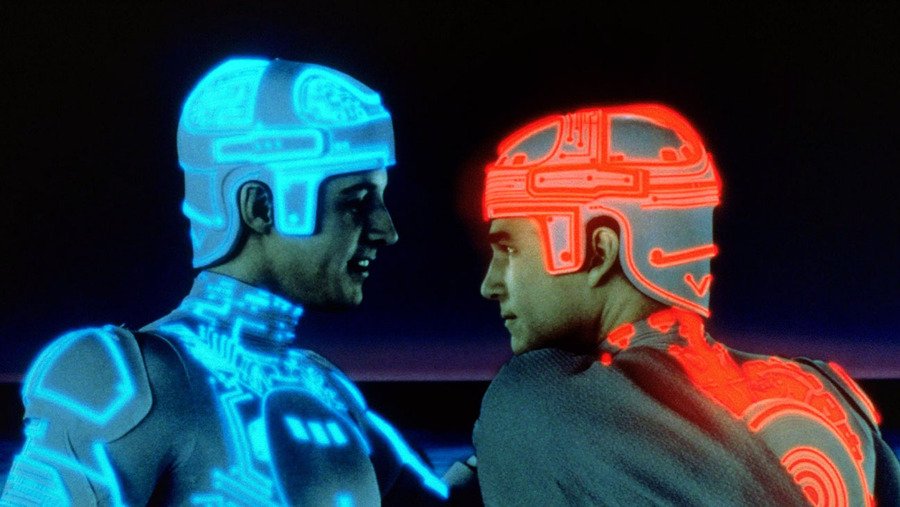
Result (Source: «Throne,» 1982)
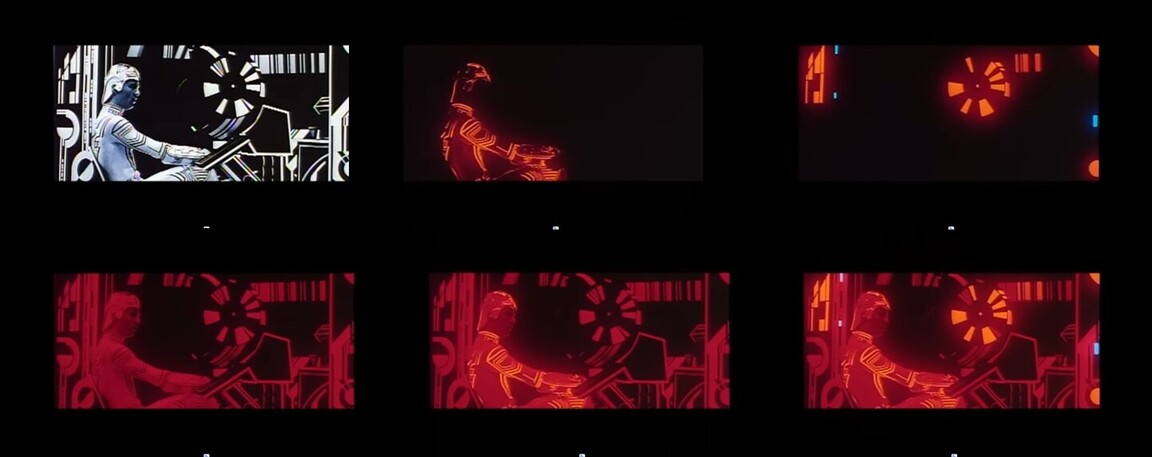
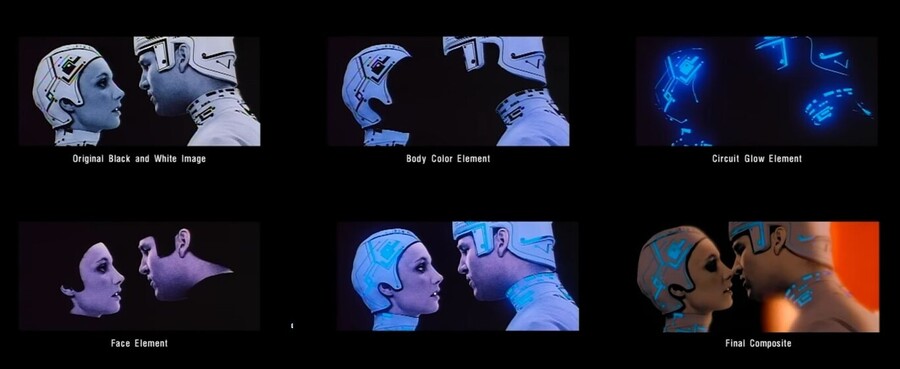
Staffing Layers (Source: «The Making of Tron (1982) (Full Documentary)»)
Technique and Beat