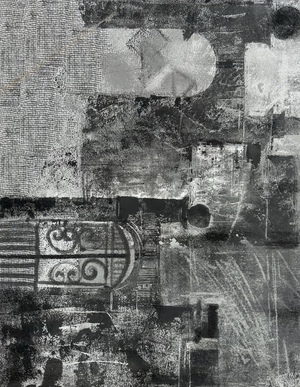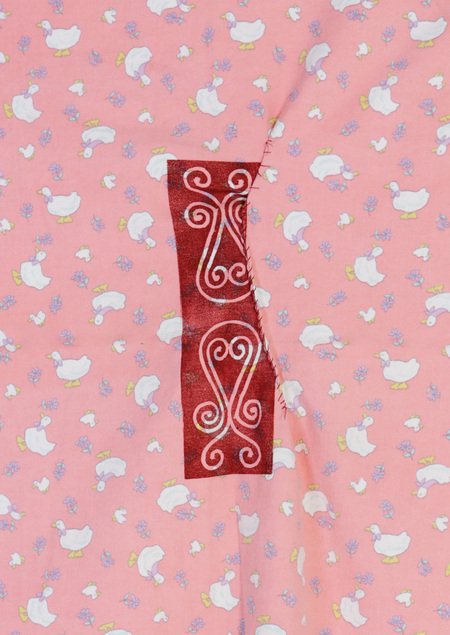
FGM (female genital mutilation) — the ritual partial or complete removal of external female genitalia without medical necessity. FGM practices are found in certain countries in Africa, Asia, and the Middle East, as well as in diaspora communities from countries where FGM is common.According to UNICEF data for 2024, this procedure has been performed on at least 230 million women alive today across 30 countries. This is 30 million more than the figure from 2016. Additionally, the practice of genital mutilation in women has been documented in several regions of Russia.
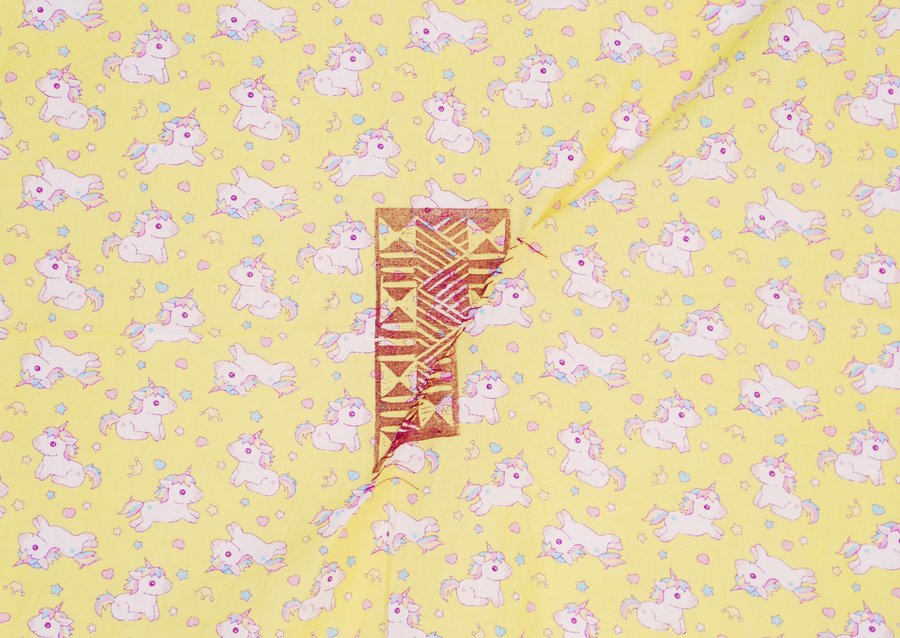
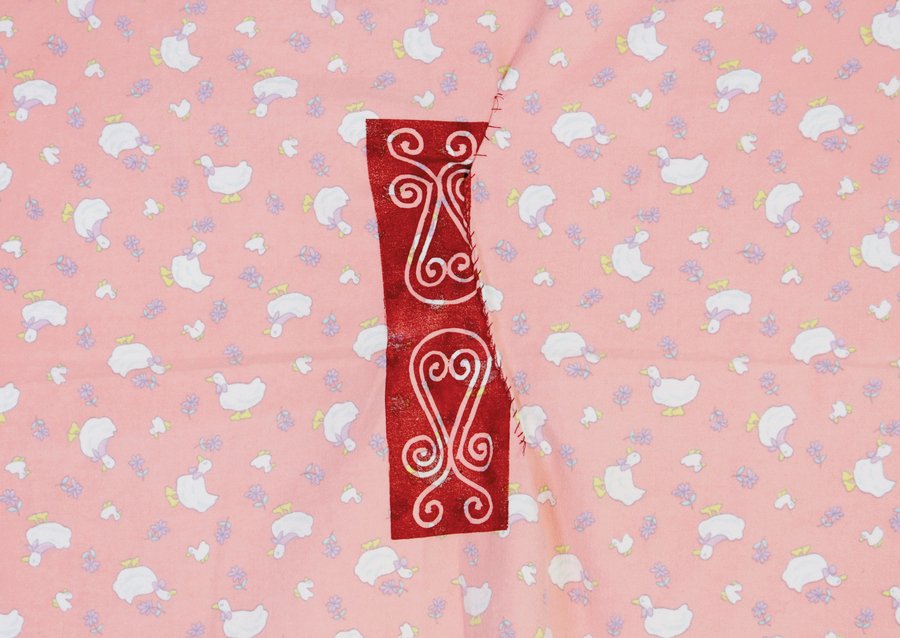
Both FGM and the cutting of ornaments are traditional practices belonging to a single culture. The project explores the contrast between the beauty of creation and the ritual mutilation of women.
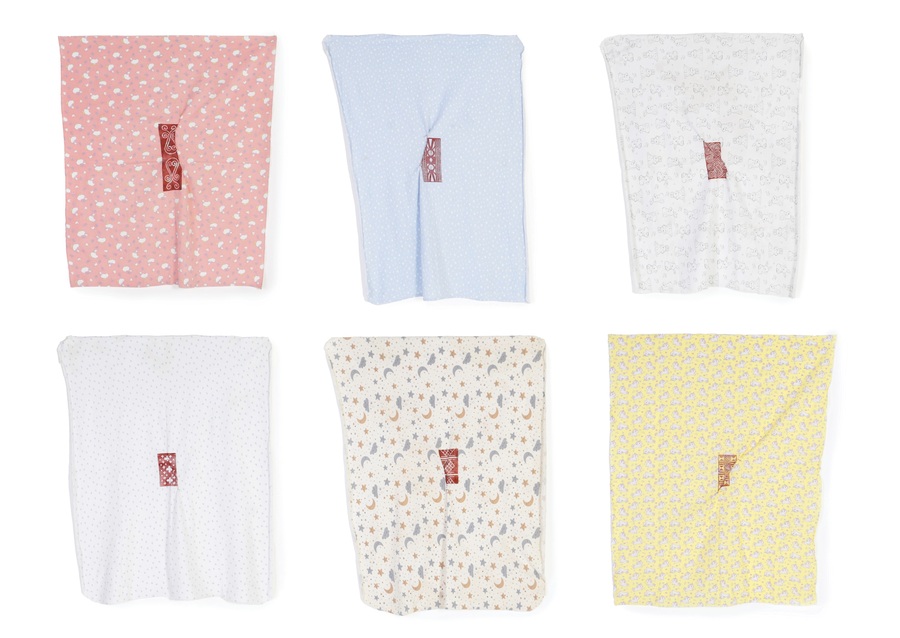
Xylography on Kids' Fabric Swaddles
30 in x 40 in
Ornament is a pattern created to make an object more beautiful and unique. FGM is a harmful form of controlling women’s bodies and sexuality—an attempt to standardize women and conform them to a convenient norm.
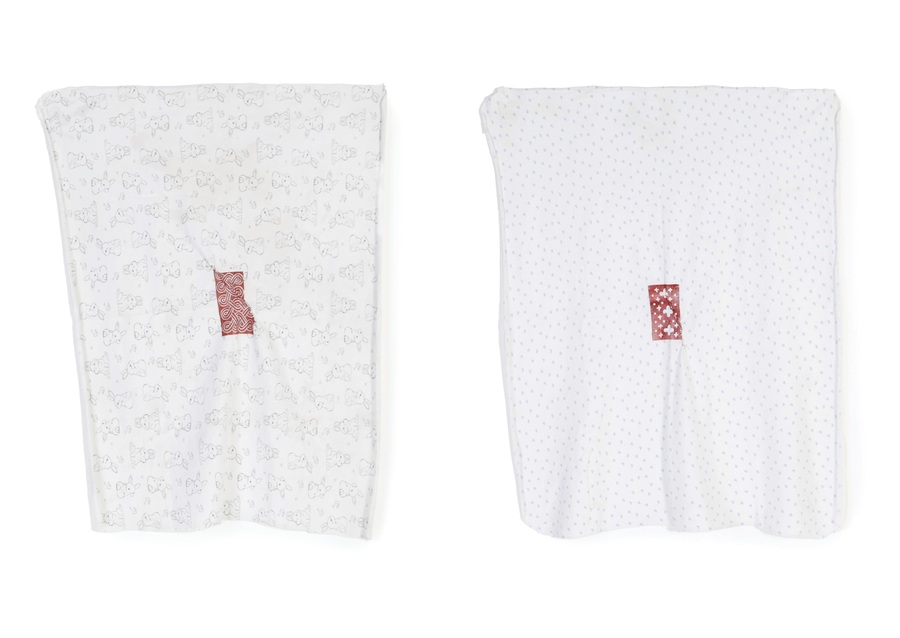
One variation of FGM is complete infibulation. Embroidery and weaving are traditional female crafts. The older generation of women teaches textiles to the younger. FGM is transmitted in the same way: older women—mothers, grandmothers, and midwives—are most often the initiators and practitioners of this procedure, because girls who have not undergone FGM become outcasts in the community.
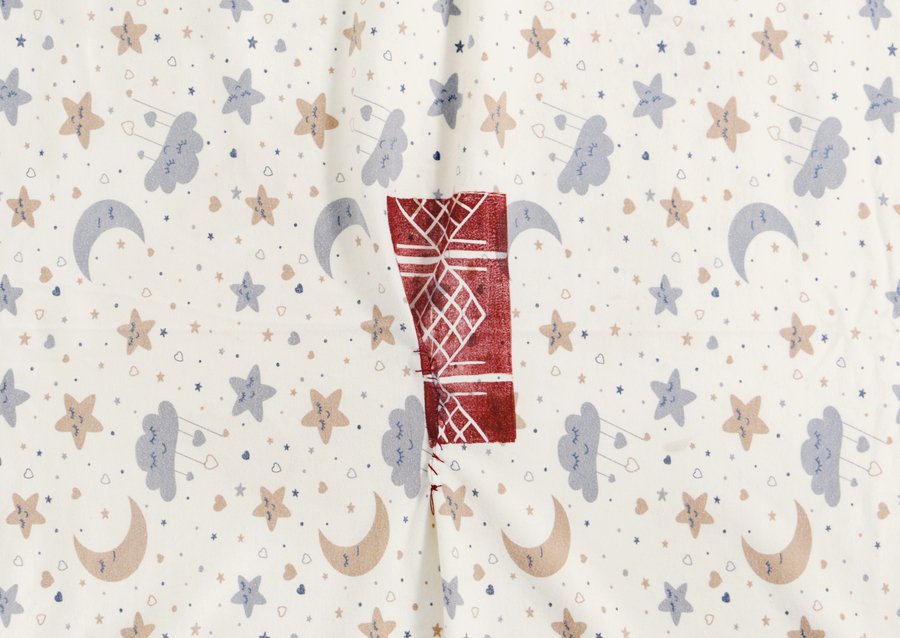
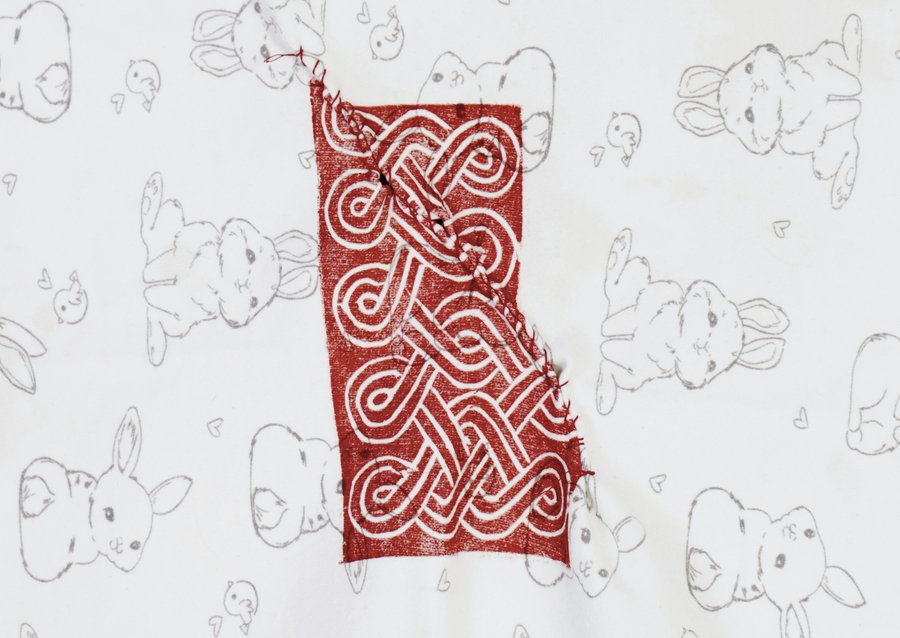
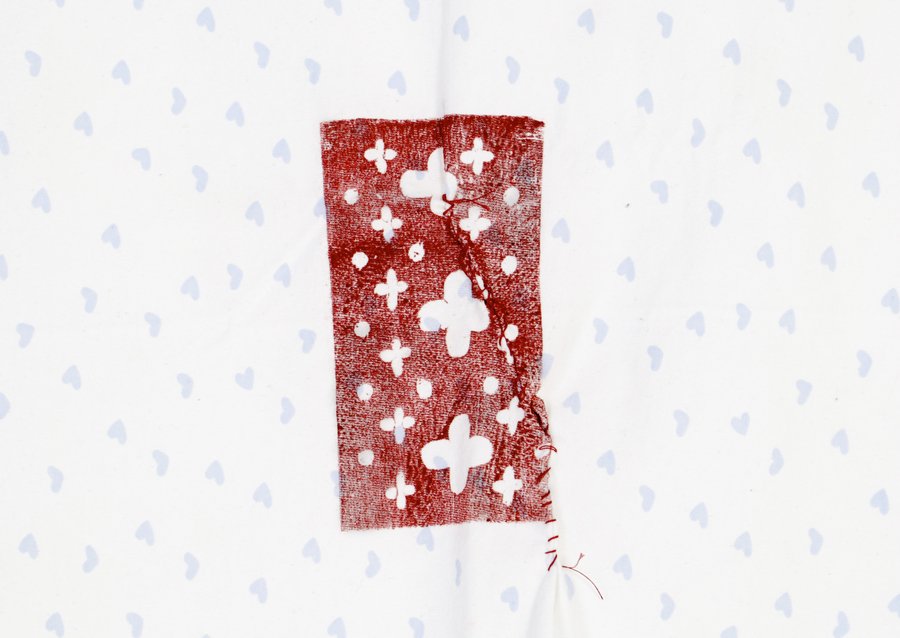
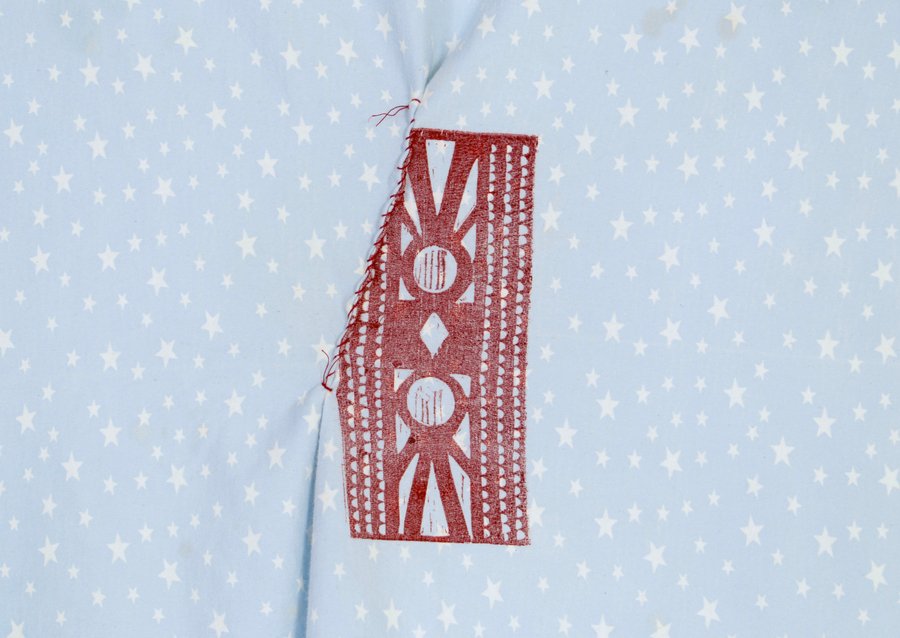
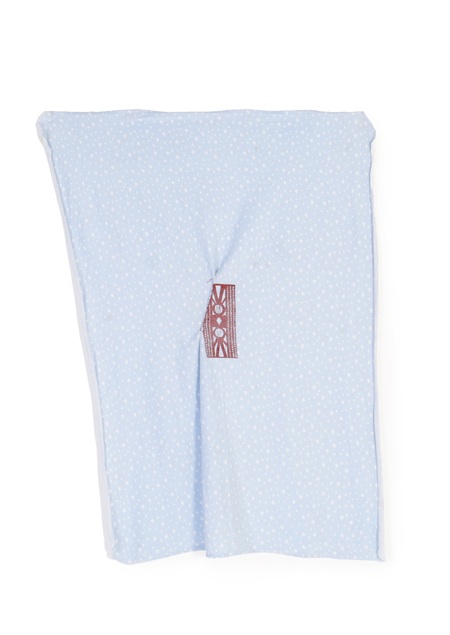
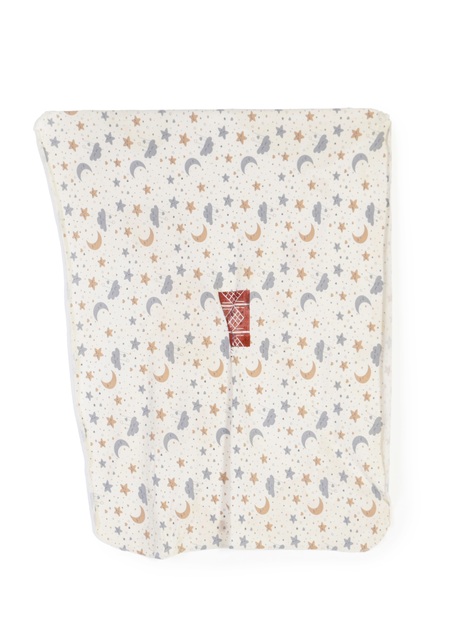
The patterns were applied to the swaddling cloths using the xylography technique. To create the printing block, the superfluous parts must be carved away. FGM also involves the removal of «unnecessary» parts of the body, viewing the woman as an object that needs to be brought into order. Matrix printing emphasizes the repetitive nature of this practice—its transmission from one generation to the next.
Most often, girls undergo FGM before the age of five. Innocent printed diapers and red ornaments create a stark contrast: some girls are born into a culture that idealizes childhood, while others must confront the harsh consequences of gender inequality in infancy.