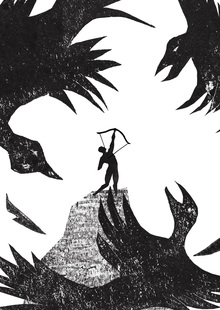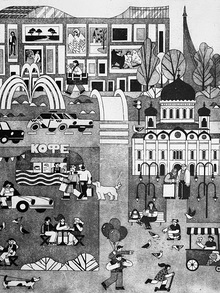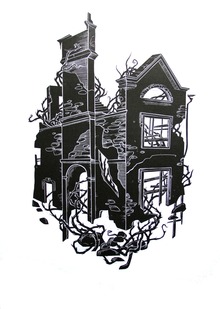
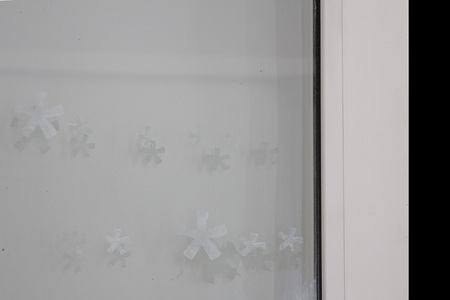
In winter, the air typically becomes less dense, making breathing more difficult. Everything outdoors is blindingly white: the sky is covered in clouds, and the ground is blanketed in a smooth layer of snow. This seems like the normal state of things—it’s hard to notice anything has changed amid the general weariness. The air has become thinner indoors as well. Subtly, the bricks that were concealing something have been replaced by emptiness; cold air has penetrated the apartments. Where censorship could once be noticed, people now try to hide its very existence. There is less air, but it is harder to understand why, because the eyes are dazzled and the head is spinning. A deafening emptiness is more dangerous than breached walls.
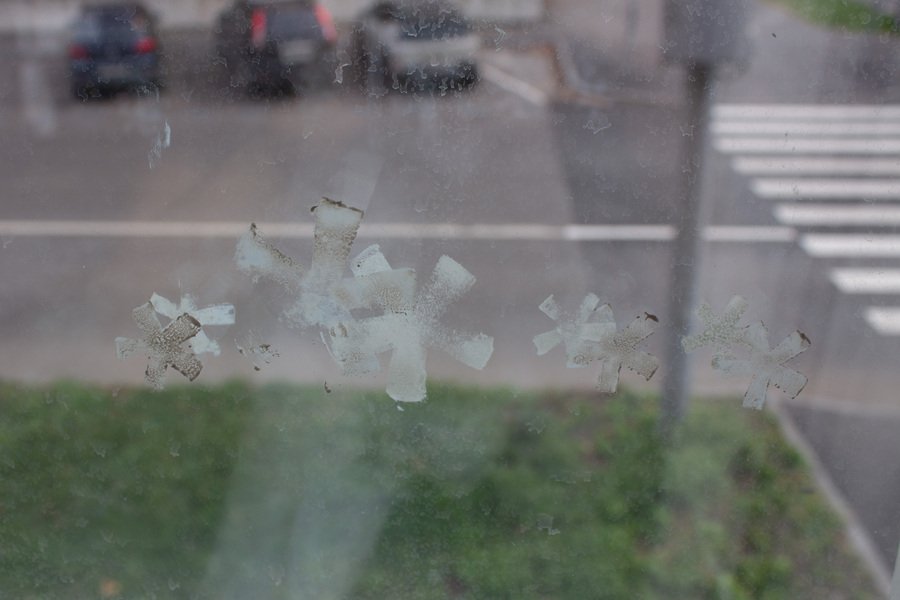
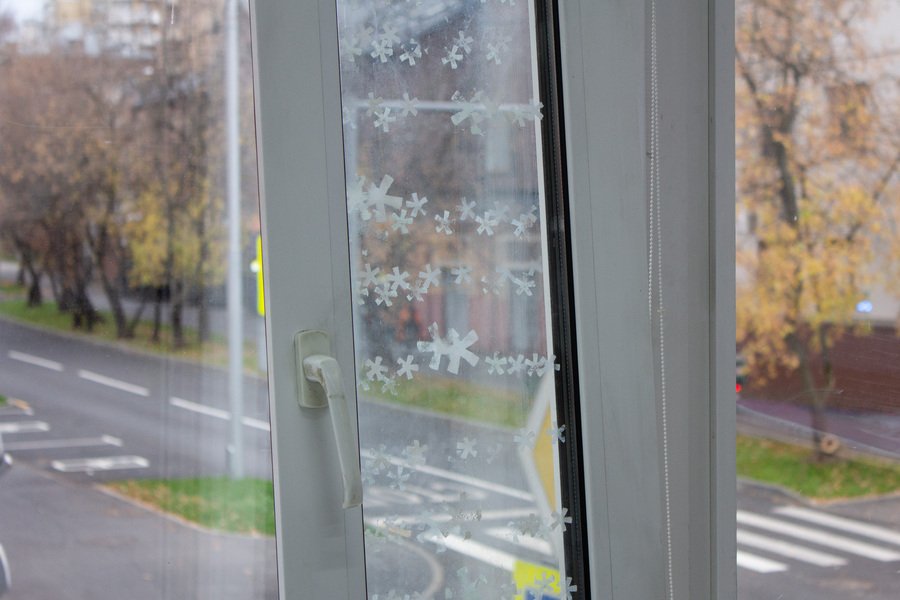
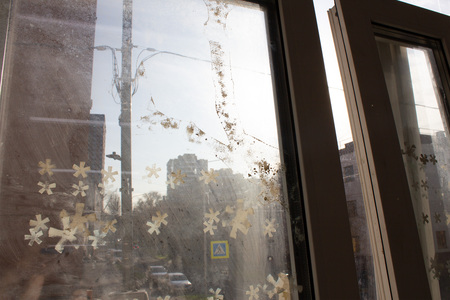
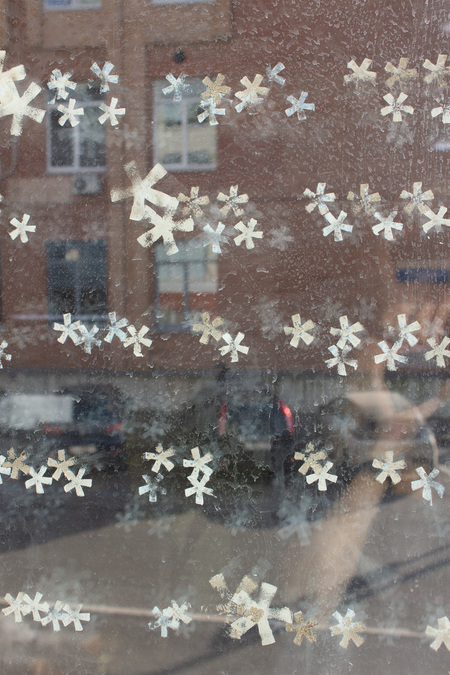
Snow is falling outside the window. Or is it a drawing left over from last New Year’s and never washed away, ingrained in the glass, giving the sensation of eternal winter? The degree of danger in uncertainty is impossible to grasp. Everything is tinged with anxiety, compelling the viewer to search for signs, constantly shifting perspective. This perpetual tension compels a kind of restlessness—an attempt to self-censor, decorating the windows and imitating the normalcy of reality with one’s own hands. The windows cease to be transparent, transforming into a screen. The already sparse communication is lost, deprived of its last breath of oxygen.
Installation «So Little Air…»; 2026