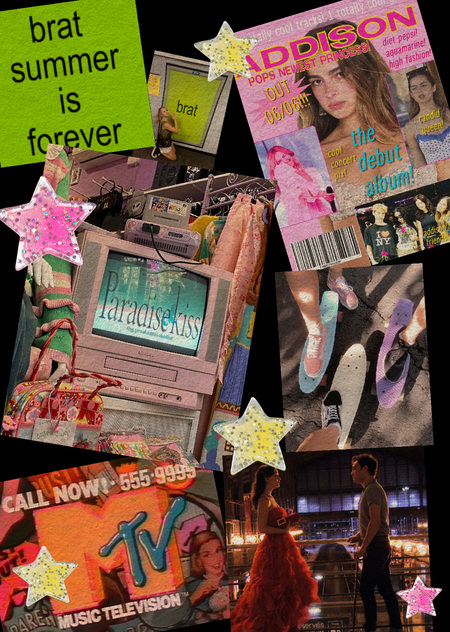
Concept
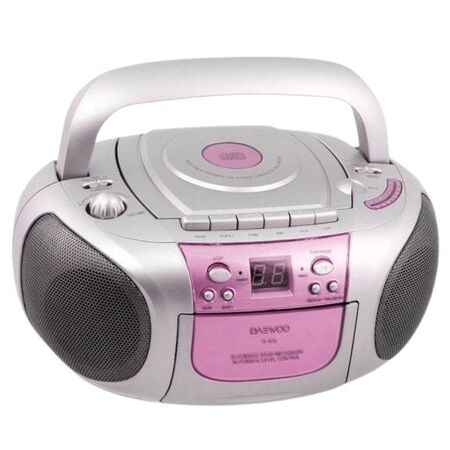
In recent years, visual culture has been actively returning to the aesthetics of the 2000s. Modern fashion, music, TikTok culture, television series, and advertising campaigns increasingly utilize visual codes from the early 21st century: digital cameras with flash, grainy photography, old phone interfaces, glossy pop aesthetics, club photography, and early internet aesthetics.
This is particularly evident on social media, where nostalgia aesthetics are evolving into a distinct visual language. TikTok and Pinterest users recreate images from the 2000s not as exact historical reconstructions, but as an emotional fantasy of the past. Contemporary culture is romanticizing the early digital era, transforming it into a space of collective memory.
The research topic is related to the course «Nonlinear Narratives: Studies of Memory and Forgetting, ” as it examines memory as a nonlinear process. The internet keeps the past constantly accessible—old clips, TV series, photographs, and musical archives persist within contemporary culture. Consequently, the past ceases to be a completed time period and begins to function as an active component of the present.
Why is 2000s aesthetics making a comeback, and how is digital culture transforming nostalgia into its own visual language?
Hypothesis
The popularity of 2000s aesthetics is linked not only to the cyclical nature of fashion but also to the characteristics of digital memory. The internet transforms the past into an infinitely accessible archive of images, music, and emotions. Nostalgia becomes a method of emotional stabilization and a collective experience of time.
Material Selection Principle
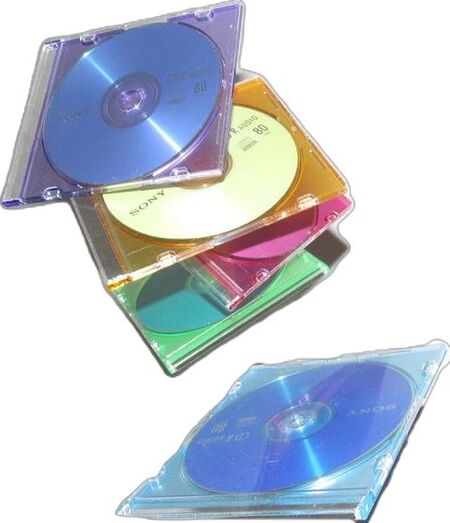
For research, the following materials are selected: music videos; TikTok videos; stills from series and films; paparazzi photography; Tumblr archives; MTV visuals; digital camera aesthetics; fan edits.
Materials are chosen based on the principle of repeatable visual codes: flash photography, grain, low quality, glossy textures, old digital interfaces, club photography, and teen aesthetics.
Topics
- Introduction
- Nostalgia as a Cultural Phenomenon
- The Return of Y2K Visual Language
- The Internet as a Memory Archive
- MTV Culture and the Birth of Digital Pop Culture
- Old Paparazzi Aesthetics and the Aesthetics of the «Candid Shot»
- Music as a Form of Digital Nostalgia: Charli XCX and Addison Rae
- 2000s TV Shows and Films as a Generational Emotional Archive
- Skins and the Aesthetics of Digital Adolescence
- The Aesthetics of «Low Quality» as a Form of Memory
- Conclusion
- Bibliography
- Image and Video Sources
Introduction
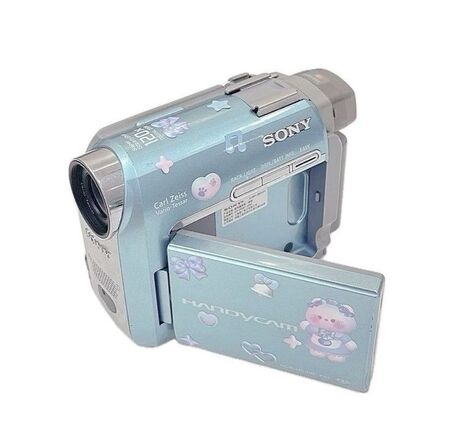
Modern culture is experiencing a strong resurgence of Y2K aesthetics. Digital cameras with flash, low-fidelity images, club photography, MTV-style graphics, Tumblr aesthetics, and teen dramas are once again permeating the visual language of social media.
Today, nostalgia transcends being merely a memory of the past and evolves into an independent mode of perceiving reality. TikTok, Pinterest, and YouTube create a space where the past is perpetually present within the present. Users can endlessly rewatch old music videos, series, paparazzi shots, and fan edits, transforming the past into a continuous visual stream.
Nostalgia is particularly linked to the image of the early internet. The 2000s era is perceived as a more authentic digital environment—less algorithmic, less commercialized, and more emotional. Therefore, the return of Y2K aesthetics is not just a fleeting trend but an attempt to reconnect emotionally with the past.
Nostalgia as a Cultural Phenomenon
Digital nostalgia differs from the traditional understanding of memory. Where the past was once perceived as lost experience, the internet makes it perpetually accessible. Archives on YouTube, TikTok, Pinterest, and Tumblr transform memories into endlessly reproducible content. Many users romanticize the 2000s even if they didn’t consciously experience that era. Thus, nostalgia begins to function not through personal experience, but through collective imagery.

Visual recurrence plays a special role. Users repeatedly reproduce the same codes:
— camera flash; — graininess; — digital noise; — low-rise fashion; — club photography; — glitter aesthetics.
Nostalgia becomes not just an emotion, but a visual mode of contemporary culture.
TikTok transforms collective memory into an endless visual archive.
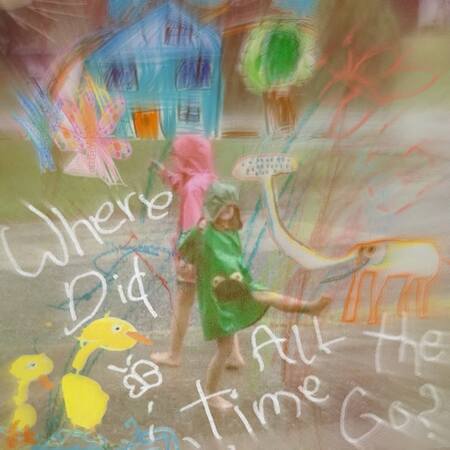
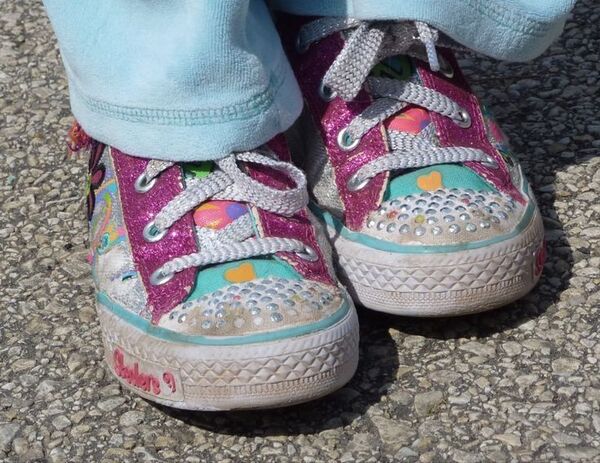
1. TikTok videos about nostalgia 2. Nostalgia aesthetics / Pinterest 3. Nostalgia aesthetics / Pinterest
The Return of the 2000s Visual Language
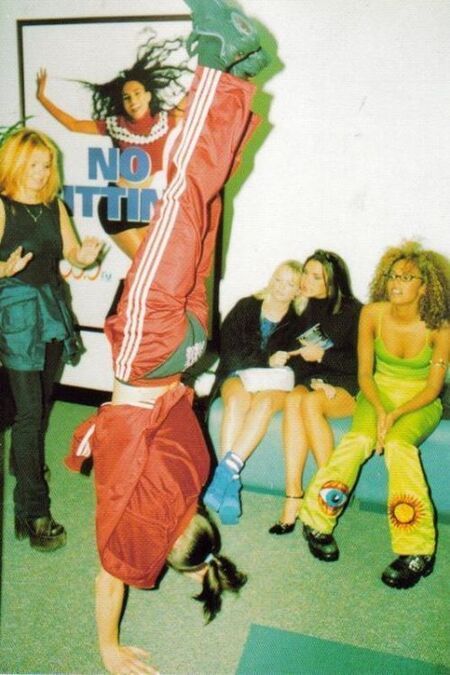
The aesthetics of the 2000s were built around early digital culture. The visual language of the era was shaped by:
— inexpensive digital cameras; — MTV graphics; — flash photography; — glossy magazines; — reality TV; — the first social networks.
Today, culture is repurposing these elements. Importantly, what is returning is not the actual 2000s era, but its romanticized version.
Flashes and overexposure become the visual code of memory.
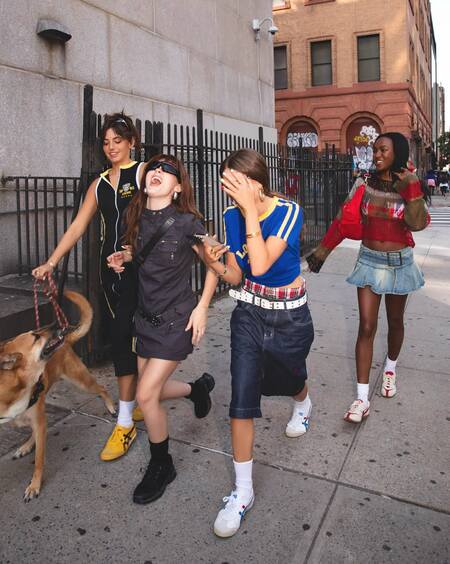
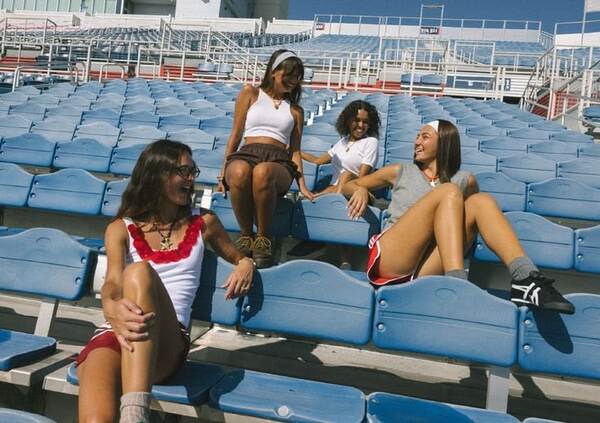
Photo: 2000s flash photography aesthetic / Pinterest
The Internet as a Memory Archive
Social media platforms function as a collective digital archive. Tumblr, TikTok, and Pinterest preserve images of the past, allowing them to circulate endlessly within contemporary culture.
Fandom culture plays a particularly important role in this. Users create edits, archival collections, music compilations, and mood boards, shaping the emotional memory of a generation.
The internet erases the distance between the past and the present. A user can exist simultaneously within contemporary culture and within the aesthetics of the 2000s.
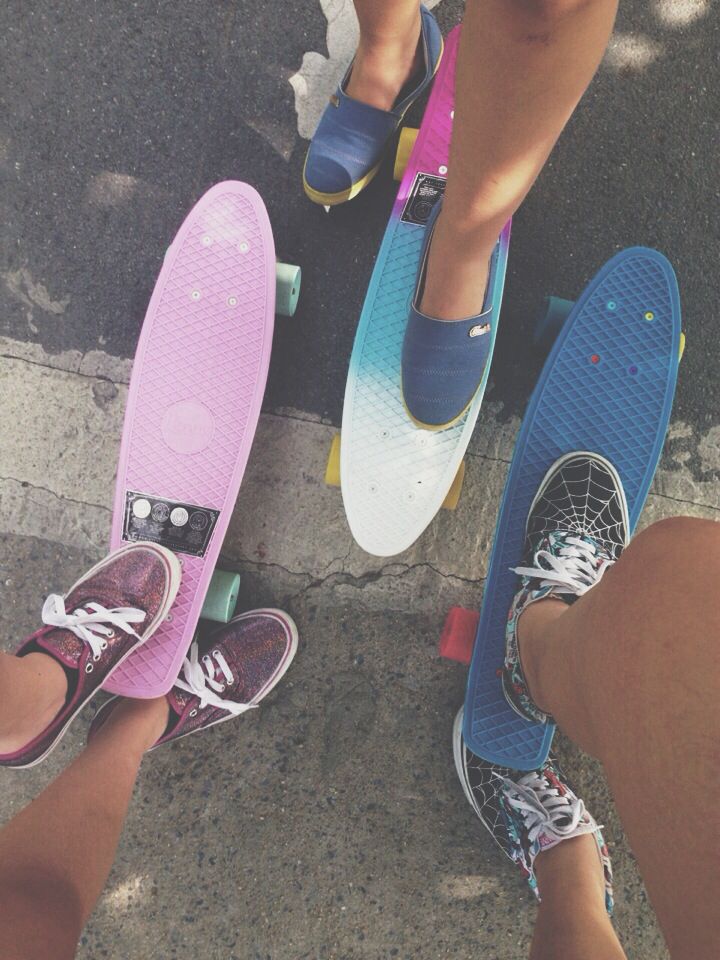
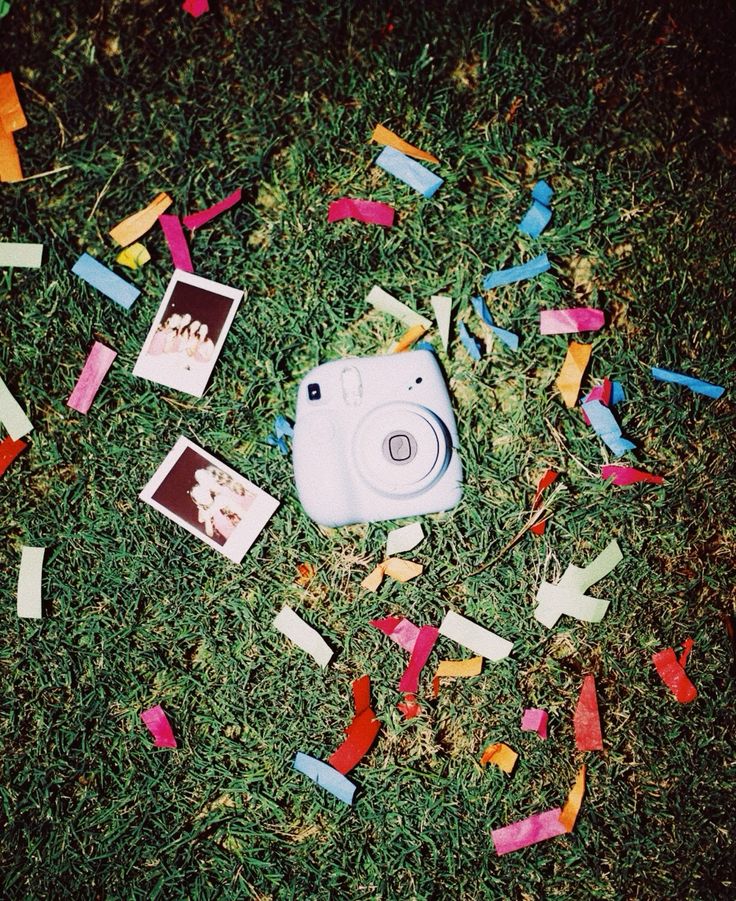
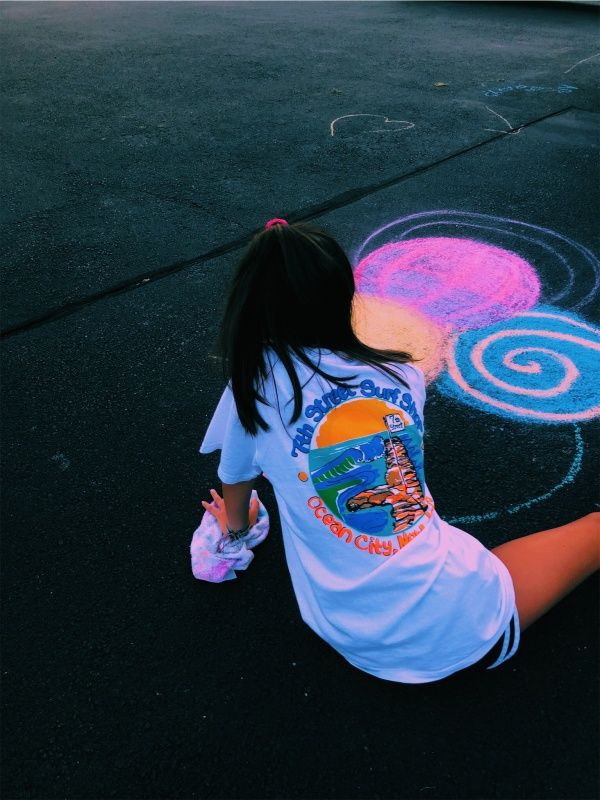
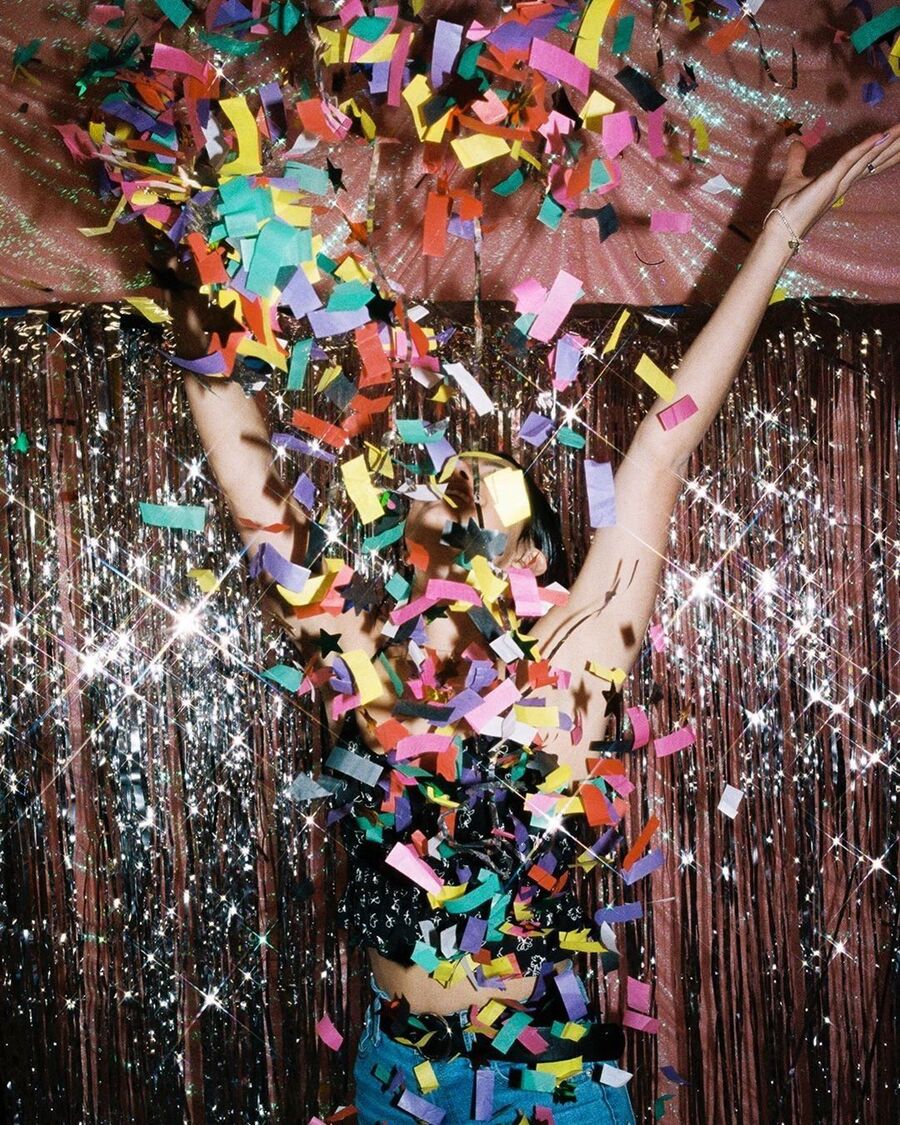
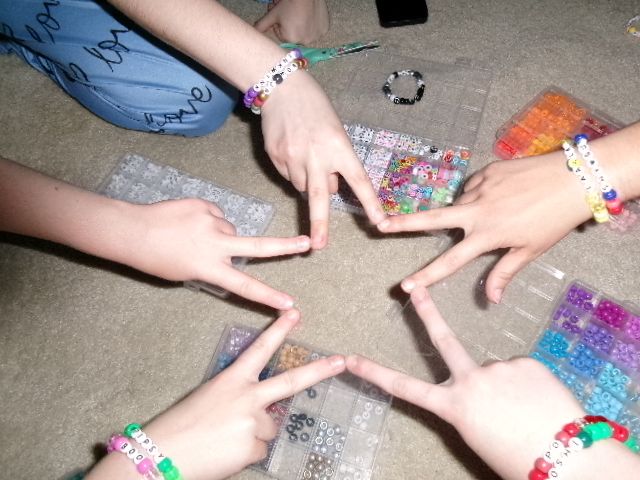

Tumblr nostalgia aesthetic/Pinterest photo
MTV CULTURE and the Birth of Digital Pop Culture
MTV culture became one of the defining visual symbols of the 2000s. Music television shaped the aesthetics of the era: fast editing, neon colors, celebrity culture, reality shows, and the cult of pop stars. MTV created a sensation of a continuous visual stream that TikTok and YouTube would later inherit. It was in the 2000s that pop culture fully transformed into a constant flow of imagery.
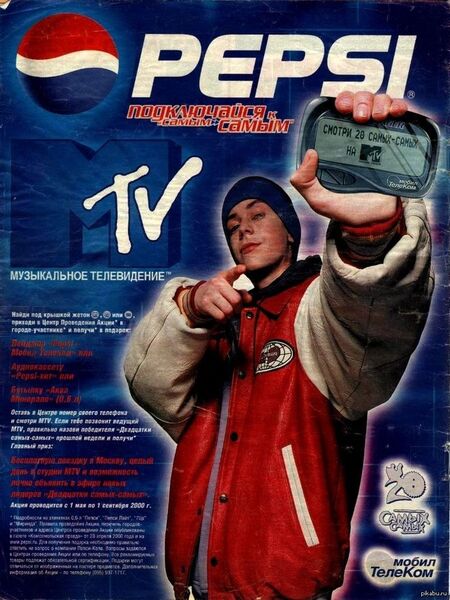
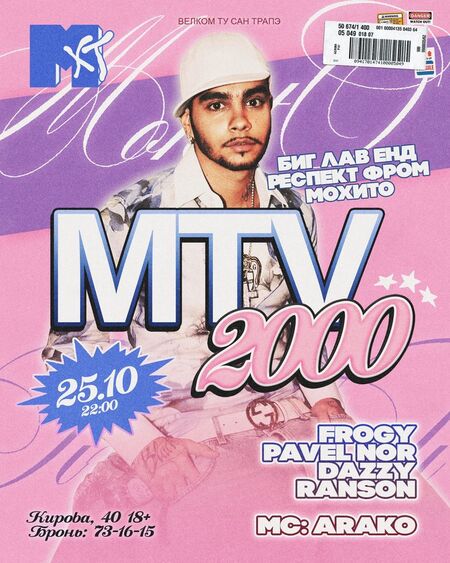
MTV 2000s Magazines/Posters/Pinterest
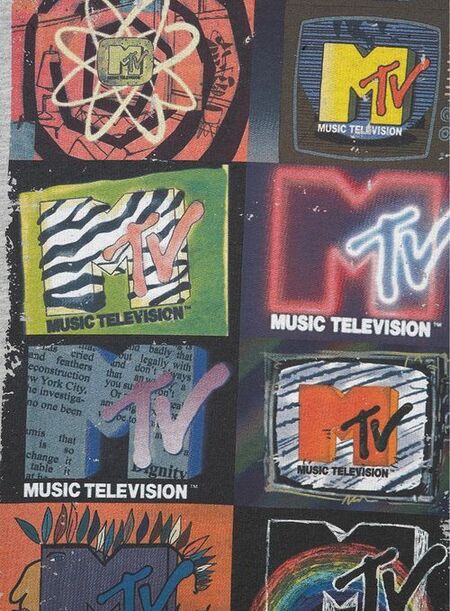
The following played a special role: — TRL; — reality TV; — celebrity interviews; — backstage aesthetics; — paparazzi culture.
Modern TikTok videos and music videos frequently reproduce MTV’s aesthetic directly.