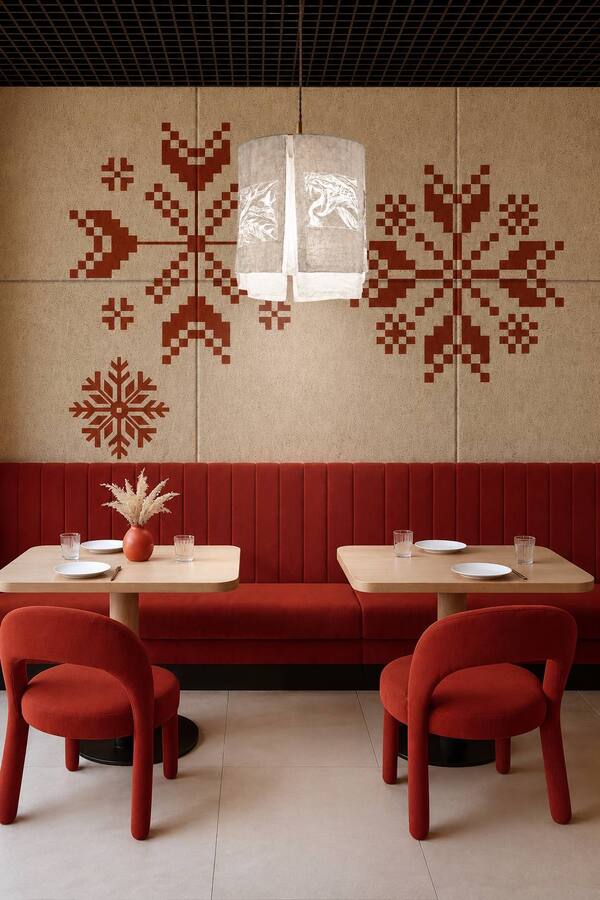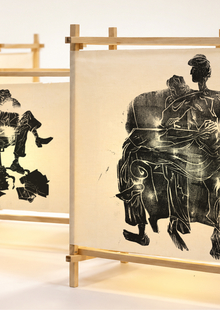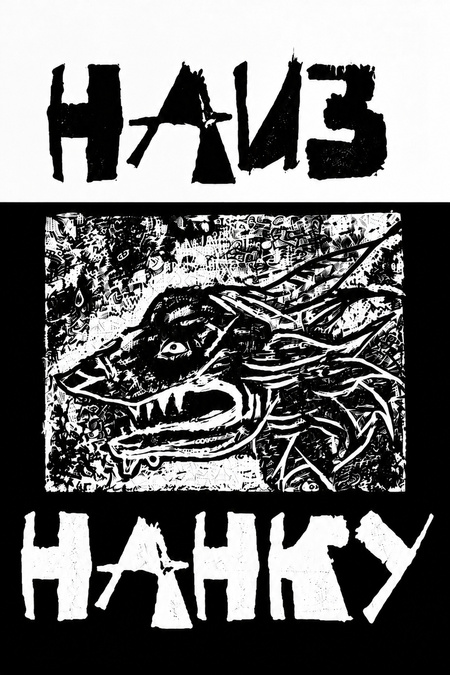
The project grew out of an interest in Russian fairy tales and folklore concerning the border between worlds. The forest can lead a traveler astray, a mirror can become a gateway, and familiar household objects can mark points where different spaces converge.
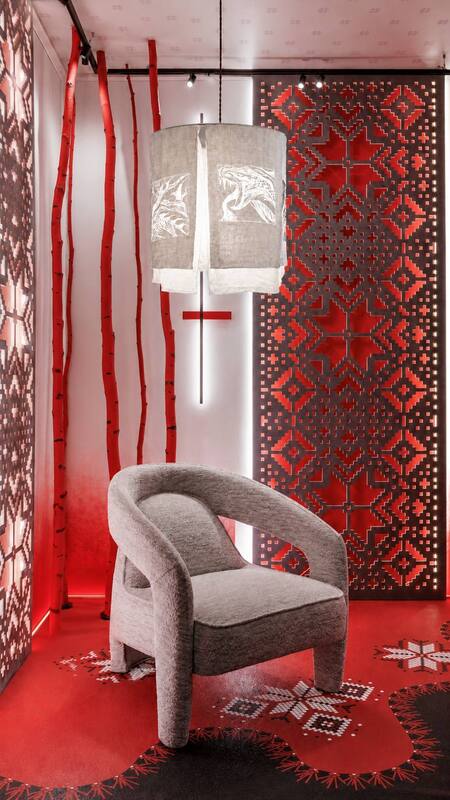
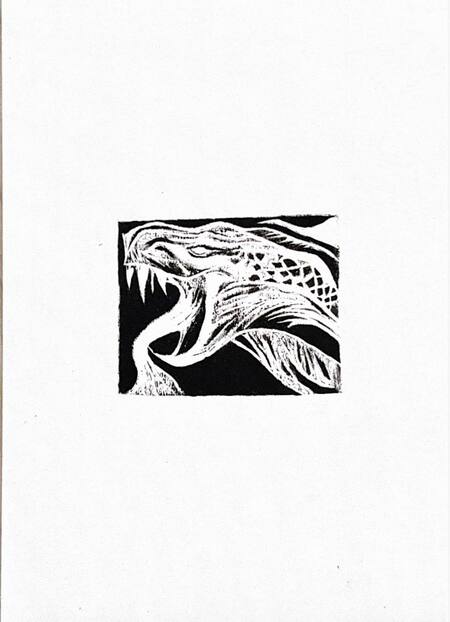
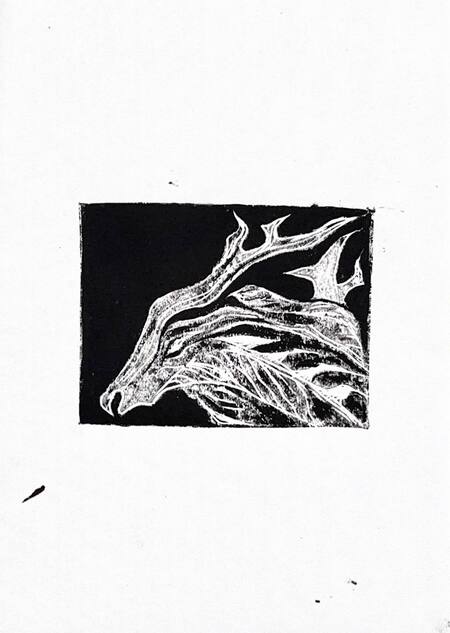
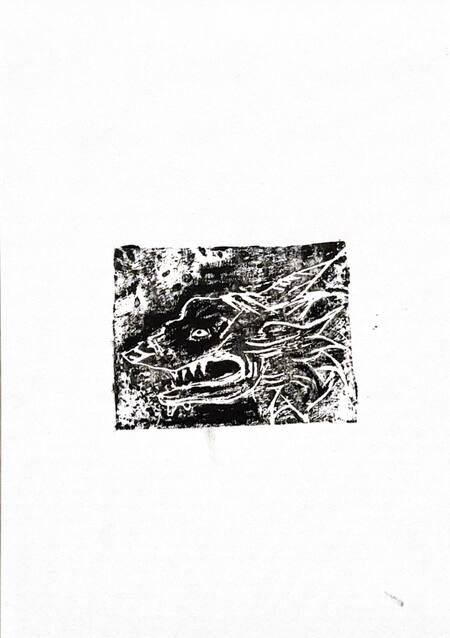
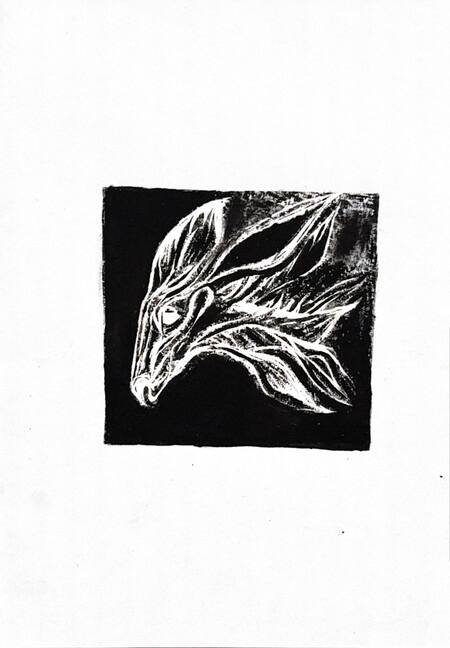
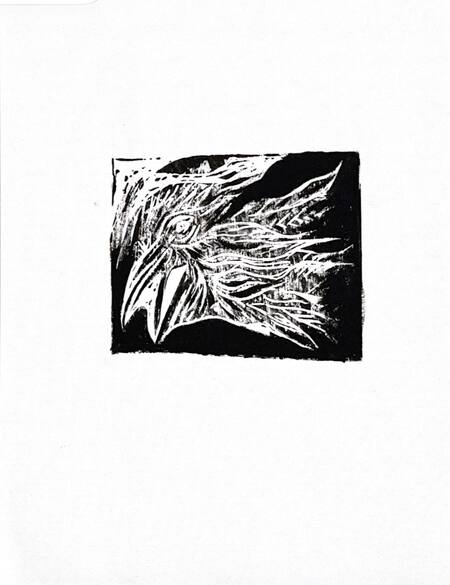
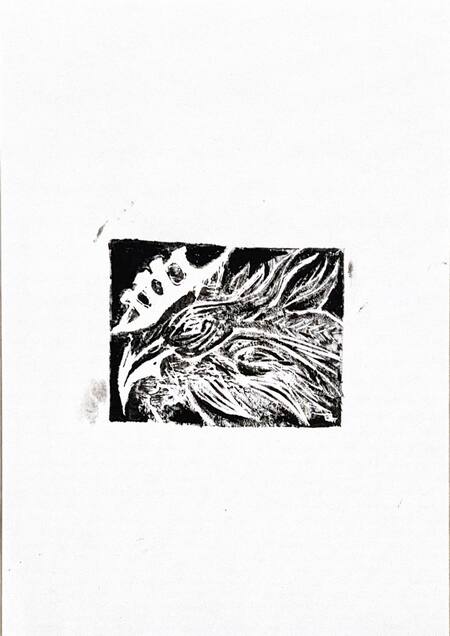
The resulting product is a hexagonal lamp. Each face represents a conceptual boundary between worlds and bears the image of a mediator animal—a creature symbolically linked in fairy tales and mythological depictions with transition. Together, these images form a circle of guardians enclosed within the object.
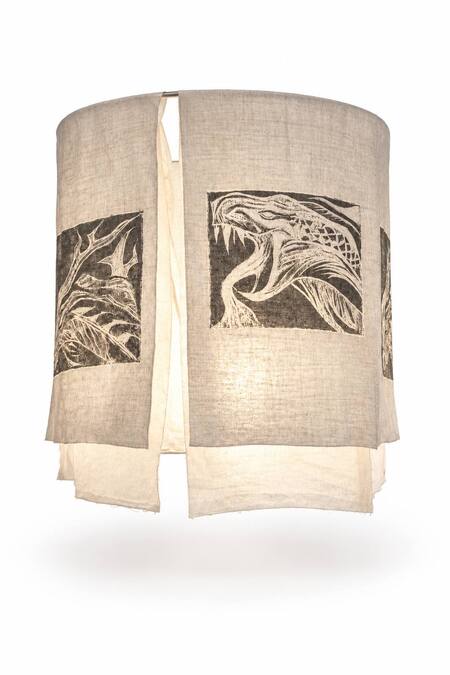
The prints are placed on the inside of the fixture, facing the bulb. When the light is off, the images are almost hidden within the fabric. When the light is on, they become visible through it from the outside. The light seems to unveil the inner layer of the object, releasing images that previously remained on the other side of the fabric. Thus, the fixture transforms into an image of a home, within which another world resides. Its six sides simultaneously divide and connect spaces, and the animals serve as signifiers of transition across this invisible boundary.
WHY LINOENGRAVING?
The images are located on the inside of the lampshade and become visible when the light fixture is turned on. Therefore, the technique functions not only as a printing method but also as part of the concept: hidden signs manifest when light appears inside the object. Furthermore, folklore and myths often mention that the boundary between worlds occurs where the familiar order is inverted: for the Leshy (forest spirit), the right side of the clothing is tucked over the left, and the shoes are put on the opposite feet. A lost person is saved by turning their clothes inside out, movement toward the sun brings good fortune, while moving against the sun serves witchcraft and communion with the dead. Thus, the printing process allows for the visual representation of these beliefs.
INTERIOR OBJECTS