Медиа о теориях заговора «Поверь»
Objective
Media concerning conspiracy theories as a cultural, psychological, and informational phenomenon. The main objective is to explore: how theories are born, why people believe in them, how they spread, and where the line between skepticism and paranoia lies.
Presentation
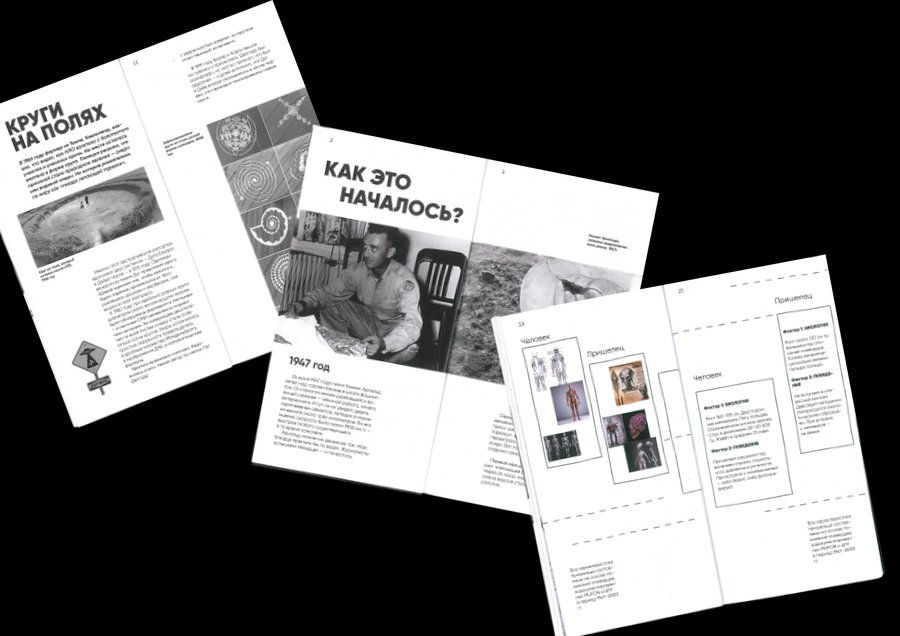
Themes
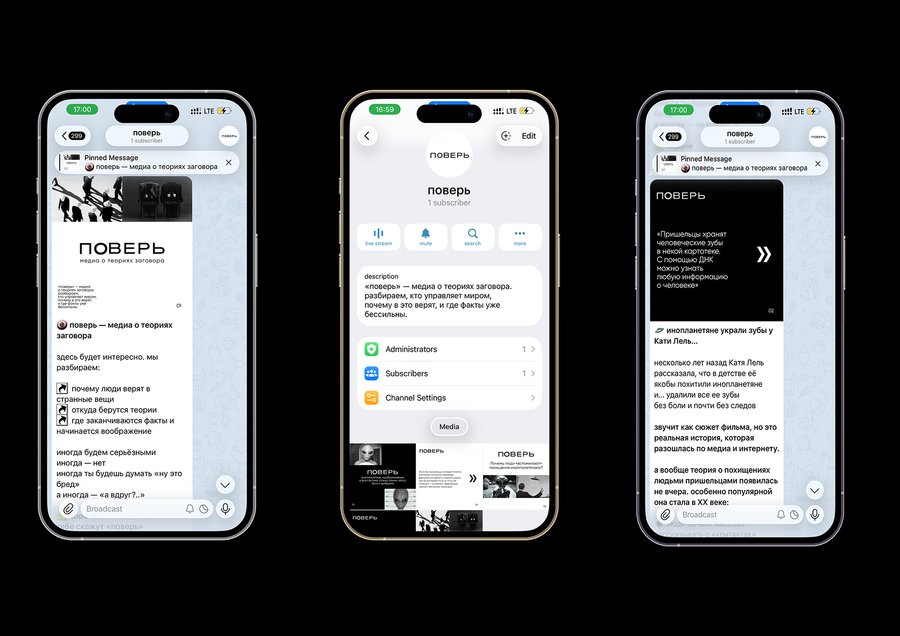
Segment: popular science and educational media focusing on media literacy and critical thinking. Narrow Topic: conspiracy theories as a cultural, psychological, and informational phenomenon. Each theory is examined as a separate «case»: its origins, the «evidence» it relies on, why people believe it, and what the facts reveal. Topics of the first «cases»: aliens and abductions, the world government, reptilians, microchipping, 5G, viruses.
Competitor Analysis
I reviewed open Russian-language content regarding conspiracy theories, pseudoscience, and hoaxes: YouTube, Telegram, podcasts, and online media.
Direct Competitors
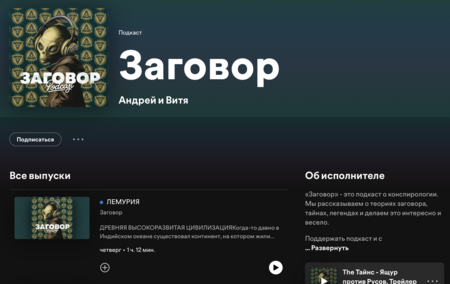
«Conspiracy» PodcastPlatform and Format: Audio podcast, 70–90 minute episodes, running since 2022; Season 10 is scheduled for 2026.Similarity: Closest competitor: conspiracy theory with humor, analyzing arguments from skeptics and proponents alike.Difference: We offer short visual formats, whereas the competition is limited to audio and long episodes.
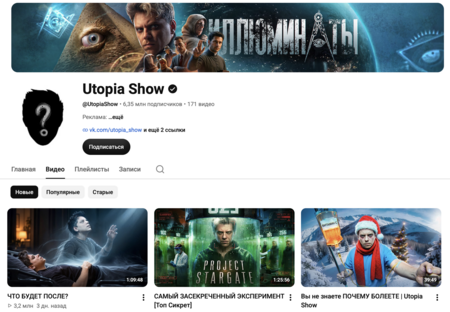
Utopia ShowPlatform and Format: YouTube, «Top Secret» series—long, scripted videos with a multi-million audience.Similarity: Debunking urban legends, mysticism, and conspiracy theories in a humorous way.Difference: Relies on the host’s personality and high production value; it is irregularly released.
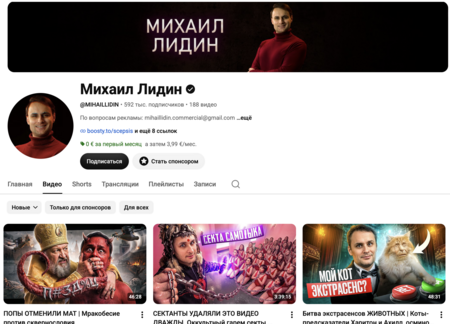
Mikhail LidinPlatform and Format: Skeptic’s YouTube blog; videos are about 20 minutes long.Similarity: Exposing pseudoscience, pseudohistory, and psychics.Difference: Focuses on charlatans and money, adopting a sharp tone; we discuss conspiracy theories and the psychology of belief without mocking individuals.
Indirect Competitors
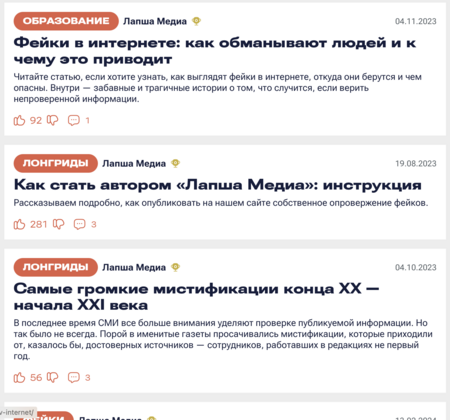
Lapsha MediaPlatform and Format: A fact-checking website, social networks with 1.8 million subscribers, and a news verification chatbot.Similarity: Debunking fakes and teaching media literacy.Difference: It works with the current news agenda, specifically the ANO «Dialog Regions» project; we analyze «eternal» conspiracy theories as a cultural phenomenon, with irony.
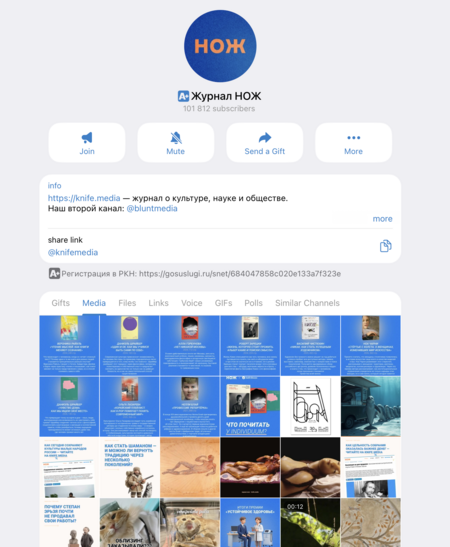
Media «Nozh»Platform and Format: Online media focusing on culture and science, featuring long-form articles.Similarity: Regularly covers conspiracy theories: a guide to conspiracy theories, interviews with researchers.Difference: Conspiracy theories are just one of dozens of topics for them, and the texts are lengthy; for us, this is the sole theme and the delivery is brief.
REN TVPlatform and Format: Television.Similarity: We advocate for user curiosity.Difference: They reinforce existing beliefs, while we aim to deconstruct hypotheses.
Insights and Solutions
First Insight. Most investigative content in the Russian internet is long-form: hour-long podcasts, 20-minute videos, and lectures.
Solution: Short formats—cards, videos under a minute, and posts that take two minutes to read.
Second Insight. Skeptics often mock believers, which pushes undecided people away.
Solution: An ironic yet respectful tone—we laugh at the theories, not the people.
Third Insight. Educators explain what is false, but they rarely discuss why people want to believe it.
Solution: In every case study, include a section on the psychology of belief.