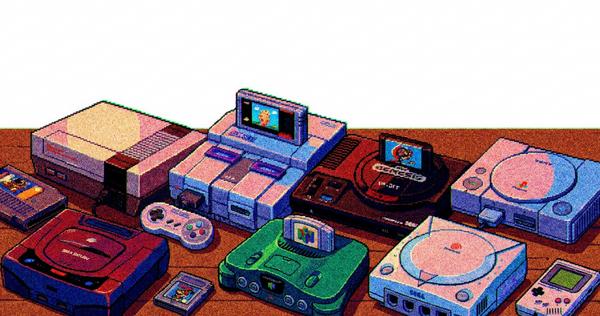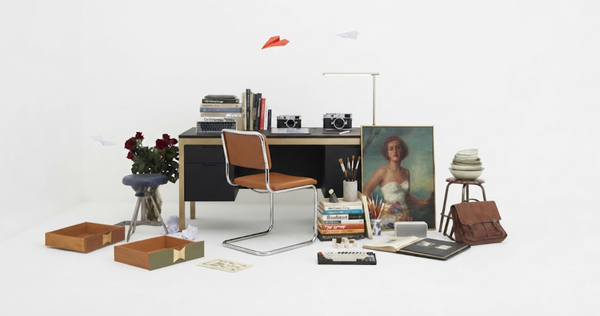
Today, we are surrounded by countless things that we recognize at first glance: the Barcelona chair, the Coca-Cola bottle, the iPod, Ray-Ban Aviator, LEGO, Converse, Polaroid, and many others.
We perceive these items as established cultural symbols, but we rarely stop to consider why these specific things became iconic while thousands of similar objects vanished from collective memory.
Good design alone is insufficient to explain this. The fate of an object is influenced by its historical context, technology, mass production, advertising, cinema, celebrities, subcultures, and the ways in which people begin to use the item.
Goal
«Cult» is a media platform that explores the journey of an object—from an ordinary item to a cultural symbol. The project’s goal is to teach the audience how to see the history behind familiar objects and to understand what exactly makes something iconic.
Topic
Segment: Educational lifestyle and design media covering objects, culture, and everyday life.
Niche Topic: The histories of objects that have become cultural icons, and the mechanisms behind their iconic status.
Media will explore not just the object itself, but its entire trajectory: creation → market debut → distribution → cultural context → media impact → transformation into a symbol.
For example:
• Why the Moka Express became a symbol of Italian coffee; • How Ray-Ban Aviators evolved from functional eyewear into a cultural code; • Why Polaroid is associated with a specific photographic aesthetic; • How Converse Chuck Taylors journeyed from athletic shoe to subculture icon; • How the iPod changed not only the tech market but also the visual language of the digital age; • How LEGO transformed from a children’s toy into a design object and collectible.
This type of project holds immense visual potential: archival photographs, advertisements, early sketches, vintage packaging, film stills, celebrity photos, objects from various eras, and contemporary reissues. Most importantly—each object tells a distinct story, meaning the content is virtually endless.
Competitive Analysis
Direct Competitors
Design MilkMedia about modern design, architecture, and objects. The main focus is on new design products, interiors, projects, and visual culture.
Strengths: visual presentation and a large collection of items.
Drawback for our project: the focus is primarily on design and the modern industry, rather than the object’s journey toward cultural status.
DezeenA major international media outlet covering architecture and design. It publishes news, projects, interviews, and research.
Strengths: scope, professional level, and relevance.
Weaknesses: the subject is primarily viewed as part of the design industry rather than as a cultural phenomenon.
HypebeastMedia at the intersection of design, fashion, music, art, and street culture.
Strength: It shows how objects become part of modern culture and communities.
Weakness: Its emphasis on current trends, brands, and pop culture, rather than a systemic investigation into why an object gains cultural status in the first place.
Indirect Competitors
Pinterest / Instagram
Users receive a massive volume of visual narratives about iconic objects, but the information remains fragmented—a single photograph, a quote, a curated collection, or an aesthetic reference.
YouTube
There are documentary films and video essays on individual subjects and designers, but the format requires a significant time commitment and doesn’t always allow for quick, specific answers.
Lifestyle mediaFor instance, materials about iconic interior design or design objects often recount the story of an individual piece’s creation. Such publications already indicate an audience interest in these kinds of narratives.
Conclusion
Existing projects: tell about design → showcase beautiful objects → publish news → or tell individual stories.
But «Cult» unites object, history, and cultural context in one format. That is, the question of the project is not, «What is this beautiful object?» but rather, «Why has this specific object become a symbol?»
Distribution Channel
Main Platform — Telegram
Telegram is ideal for short stories, cards, archival materials, polls, and discussions.Visual Platform — Instagram
Primary formats are carousels and Reels.For example:Carousel:
«Why did these glasses become iconic?»1. Aviator photo
2. What they were originally designed for
3. Who made them popular
4. Cinema and celebrities
5. How the design has changed
6. Why they remain recognizable todayReels:
«5 seconds to learn about an object that changed 20th-century design»
«Why does this chair cost thousands of dollars?»Supplementary Channel — Pinterest
For archives, visual research, collections, and content saving.
Target Audience

Victoria, 20 «I’m curious about where these things come from.»
People constantly encounter familiar objects, brands, and visual imagery, yet they only know the names.
«I want to understand the history of the things I see around me to better understand culture and design.»

Roman, 18 years old
«I’m interested in understanding how this works.»Students and young professionals from creative industries: designers, photographers, art directors, stylists, architects.«I want to find cultural and visual references for my own projects and understand the context from which they emerged.»

Alexandra, 27 years old «I save everything beautiful»
This person actively uses Pinterest, Instagram, and other visual platforms. They are interested in design, architecture, fashion, film, objects, and aesthetics.
«I don’t just want to save beautiful things—I want to understand why they became so significant.»
The primary audience comprises people aged 18–30 who are interested in contemporary visual culture but may not have a formal education or a professional interest in design.
These are individuals who constantly encounter cultural artifacts in everyday life—in film, music, social media, and retail spaces—but who are more familiar with the artifacts themselves than with their history or cultural context.
Unique Selling Proposition
More than just the history of the subject—it’s the history of its iconic status.