Concept
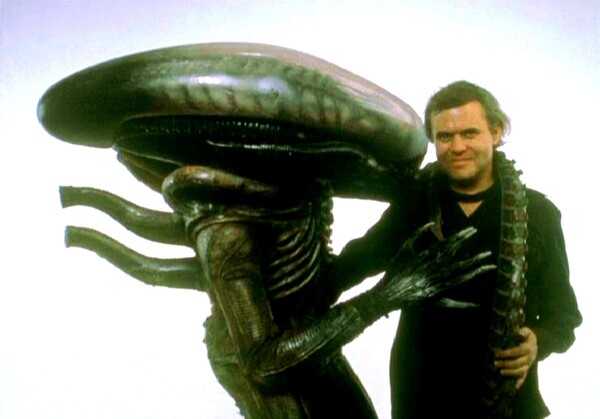
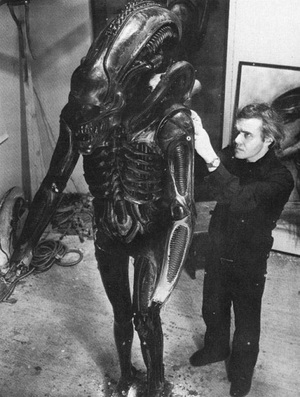
The creative work of Swiss artist and sculptor Hans Rudi Geiger, while rather somber, intertwines surrealist imagery with abstract elements. His series of works leave different impressions and address vastly differing themes. In this study, I aim to trace the origins of the core techniques, methods, images, and motifs of such a unique artist as Hans Rudi, and to compare them with early 20th-century masters—primarily Surrealists, Dadaists, and New Objectivity painters.
Visual material is selected so that for each work or series by Hans Rudi, an image, installation, photograph, or sculpture by another artist can be chosen to draw parallels regarding a specific aspect. From Giger’s work, we take not only paintings on canvas but also various objects and sculptures. The works of other artists, photographers, and figures of art and anti-art are examined within the context of time and existing philosophical currents and psychological thought.
The principle of structuring the material is built on a progression from technical and compositional features to the underlying meanings. The first section, «Chance, Rhythm, and Technique, ” addresses the chaotic arrangement of objects on the page, the multiple repetition of identical elements, and drawing techniques. The next section focuses on subjects, the surrounding environment, and the sense of solitude within the depicted spaces. The third section, „Surreal and Disturbing Imagery, ” examines the origins of the humanoid concept as well as strange and frightening designs. The final section is dedicated to erotic imagery and mechanisms, as „erotomechanics“ is one of Géger’s key motifs and appears indivisible. The third and fourth sections share common motifs, as their concepts are built upon the psychoanalytic influence on artists; however, they were separated because they are both quite extensive and self-contained.
Textual sources were selected according to the artistic trends and movements where common techniques and motifs with Giger’s work can be traced. The materials were also chosen on themes related to psychology, such as the problem of loneliness in the city and the influence of psychoanalysis on the works of early 20th-century artists. All sources are articles from scientific journals.
The research aims to track the visual and thematic similarities between Hans Rudi and preceding artists, masters, and sculptors. The main hypothesis is that Surrealists, photographers, and Dadaists greatly influenced Giger, as many of his works appear voluminous yet depersonalized, chaotic, and entirely lacking in narrative. However, it cannot be ruled out that Hans Rudi was also inspired by artists of New Objectivity and Precisionists, and Abstract Expressionists.
Chance, Rhythm, and Technique
The chaotic arrangement of elements on the sheet is one of the techniques in Giger’s later work. Elements in his self-portraits may feature a strange, inexplicable placement, connect with one another without depicting anything specific, yet simultaneously possessing volume and depth. Dadaism, and specifically the concept of automatism in drawing, can be considered the founder of this random method of arranging objects on canvas. Works by Jean Arp are a relevant example.
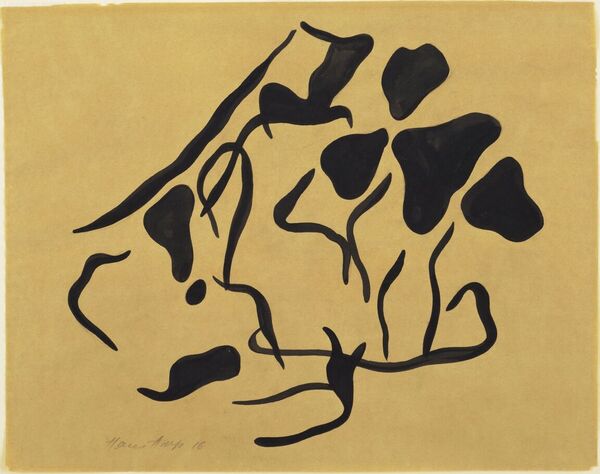
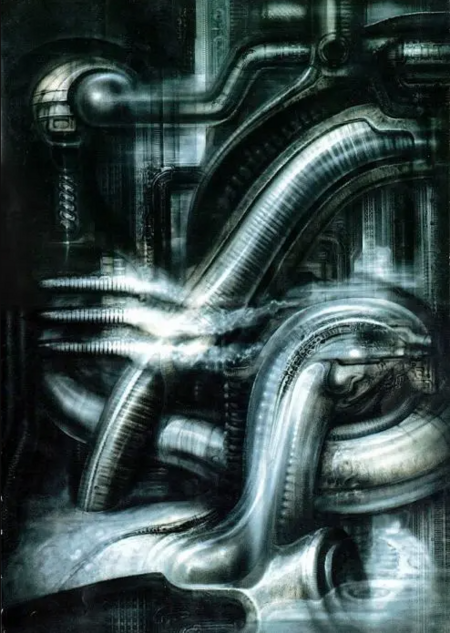
Left—Jean Arp. Automatic Drawing. 1916 Right—Hans Rudi Giger. Japanese Excursion. 1996
Organic forms and references to natural motifs also connect these two artists. They do not depict specific plants or animals, but rather evoke associations through the formation of indirect object edges.
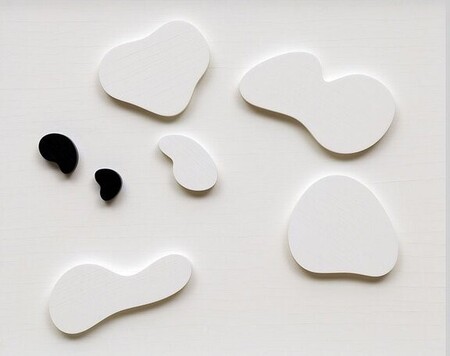
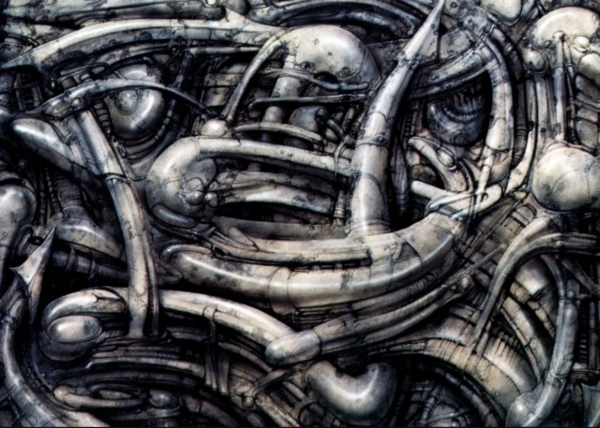
On the left—Jean Arp. Constellation with five white and two black shapes: Variation III. 1932 On the right—Hans Rudolf Higer. Landscape. 1979
Kurt Schwitters was one of the Dadaists who embraced chance art. His works are often quite abstract, yet some elements are recognizable—the viewer can discern specific objects within them. Hans’s work develops in a similar vein: we recognize certain objects or living beings and draw parallels to reality, while others manifest as filling volumes, unpredictable forms, or chaos.
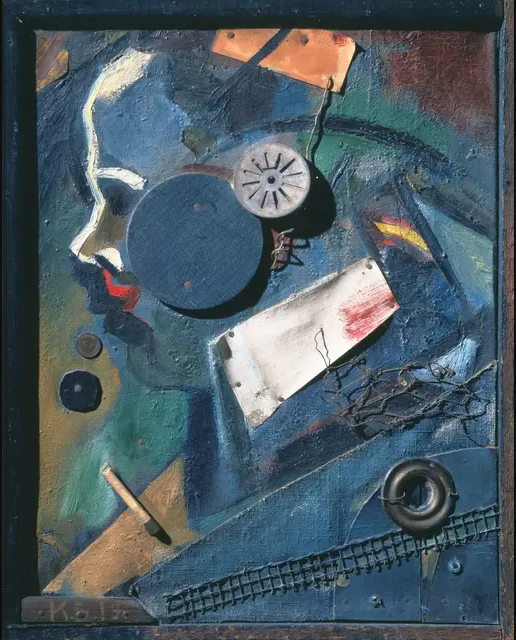
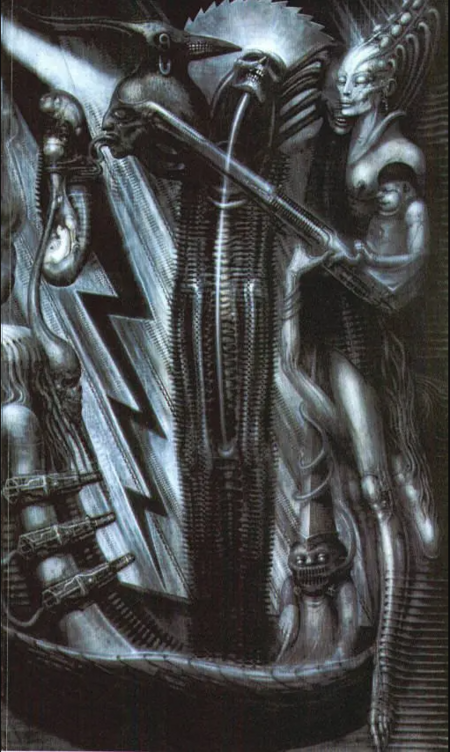
Left — Kurt Schwitters. Merzbild 1A. Psychiatrist. 1919 Right — Hans Ruedi Gugger. Unknown Anima (fragment). 1980
The invention of collage technique appears to be an influential event within Geiger’s creative work. He combines abstract forms, various perspectives, and objects that do not exist in reality on his canvas, as if gluing together disparate pieces of objects into a single composition with no inherent thematic connection.
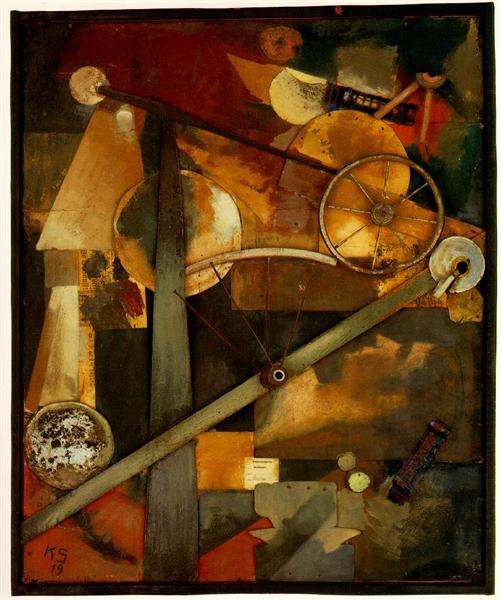
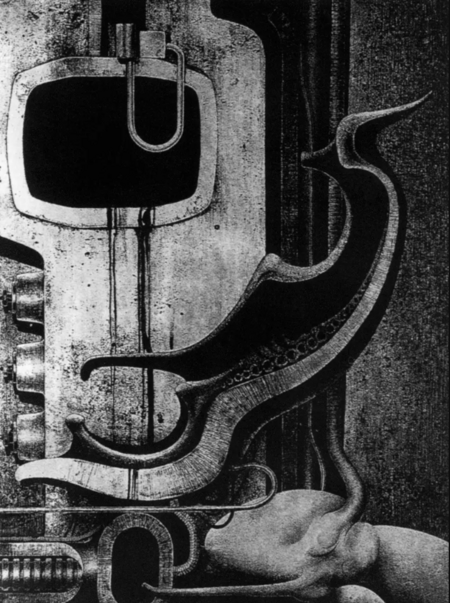
On the left—Kurt Schwitters. Construction for noble ladies. 1919 On the right—Hans Ruedi Giger. Underground. 1968
Man Ray’s «rayographs» are conceptually similar to collage, yet possess a different mode of creation—random objects are arranged on unexposed sheets for photography and subsequently subjected to light exposure, leaving behind the objects' outlines. Some of Hans Rudi’s works bear a striking resemblance to «rayographs» in tone, rhythm, and thematic content, as if random biomorphic objects and mechanisms were placed on the sheet and left their imprint.
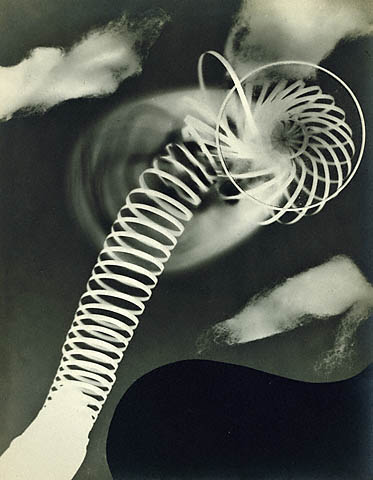
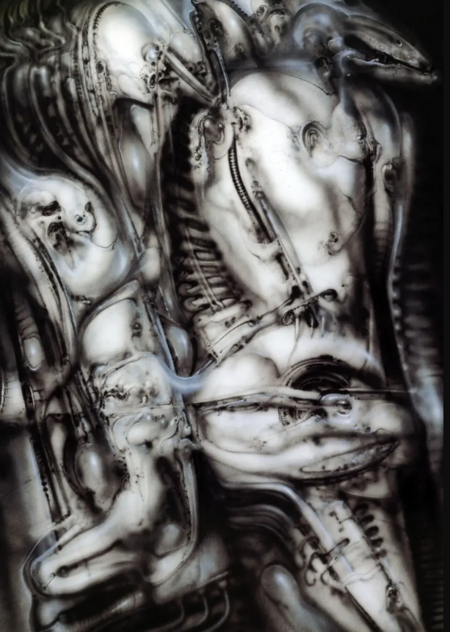
Left — Man Ray. Rayograph. 1922 Right — Hans Rudi Giger. Biomechanical humanoid. 1983
Some of Pollock’s works appear to share a similar density to Gienger’s creativity. The painting «Number 5» is chaotic and ambiguous, yet it features faces and recurring elements that establish a certain rhythm. Hans Rudi also incorporates random, strange objects, repeatedly duplicated forms, and familiar objects.
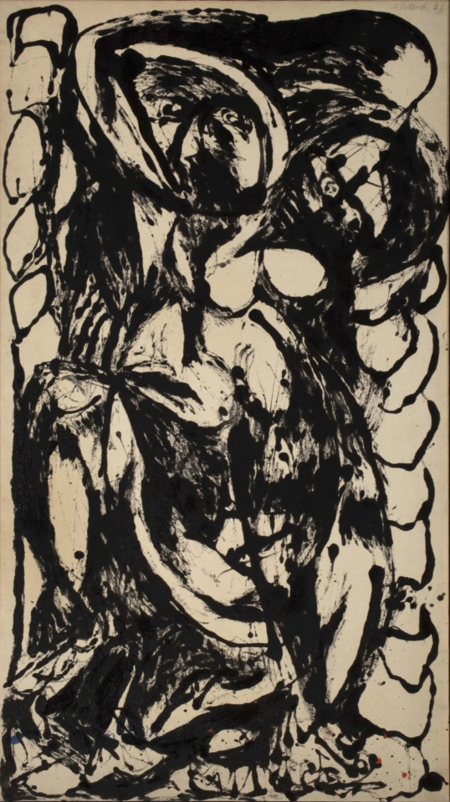
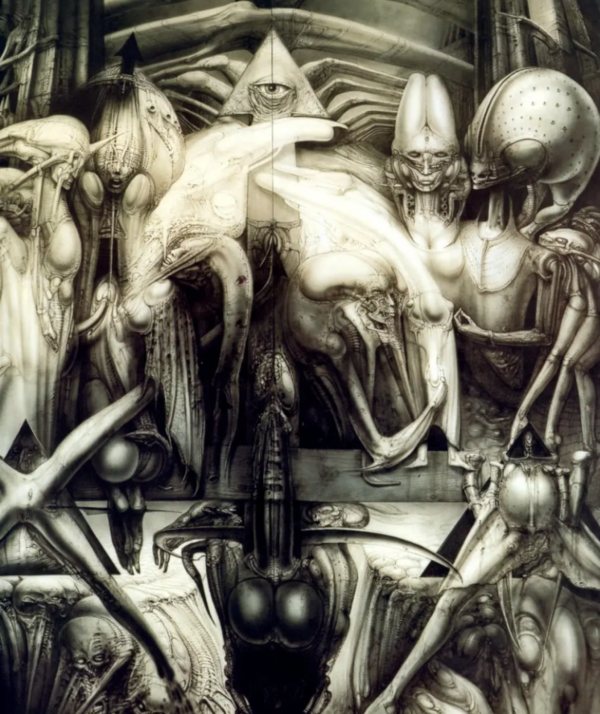
On the left: Jackson Pollock. Number 5. 1952. On the right: Hans Ruedi Giger. Aleph. 1973.
There are also more abstract works by these two creators, between which parallels can be drawn. They are similar in composition, density, and color, and feature an illegible subject. Although Jackson’s painting is entirely presented by chance and unplanned splashes of paint, while one can trace the movement of specific lines in Higer’s work, both images share a common mood of discomfort and chaos.
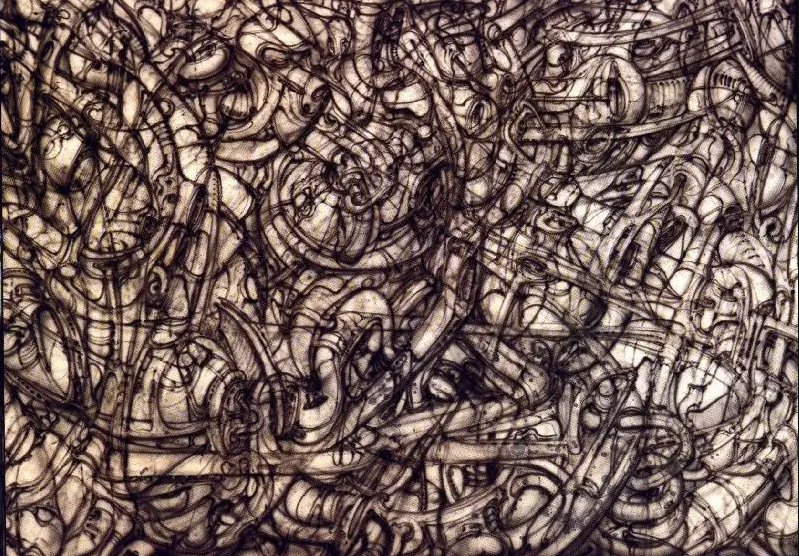
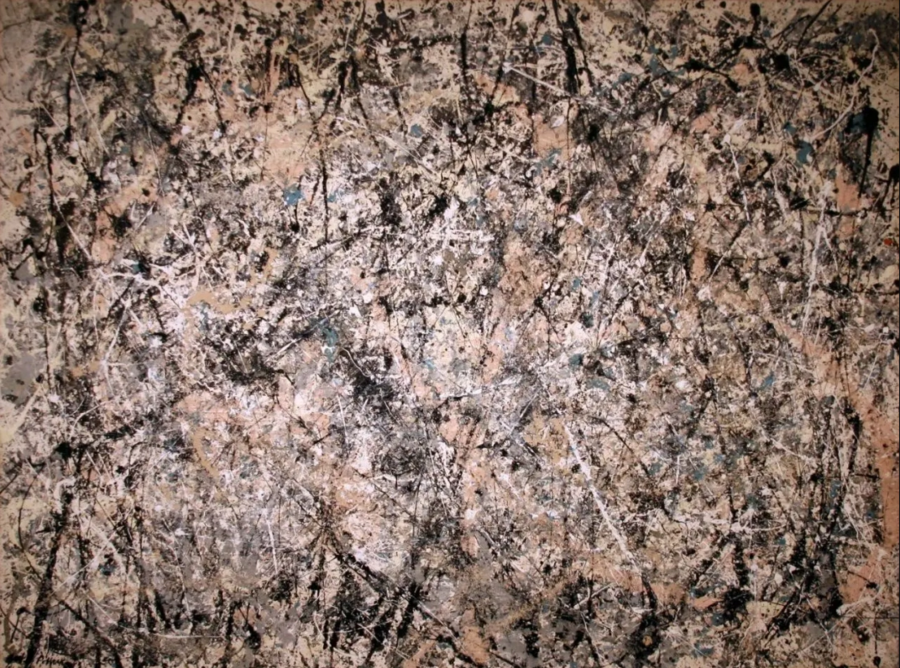
First image—Jackson Pollock. Number 1 (Lavender Mist). 1950 Second image—H.R. Giger. Biomechanical Landscape. 1980
Overall, Hans Rudi’s «Biomechanical Landscapes» series is reminiscent of Pollock’s work, both in its brushwork and in its dripped technique. They present a single plane clearly to the viewer, without particular depth or perspective.
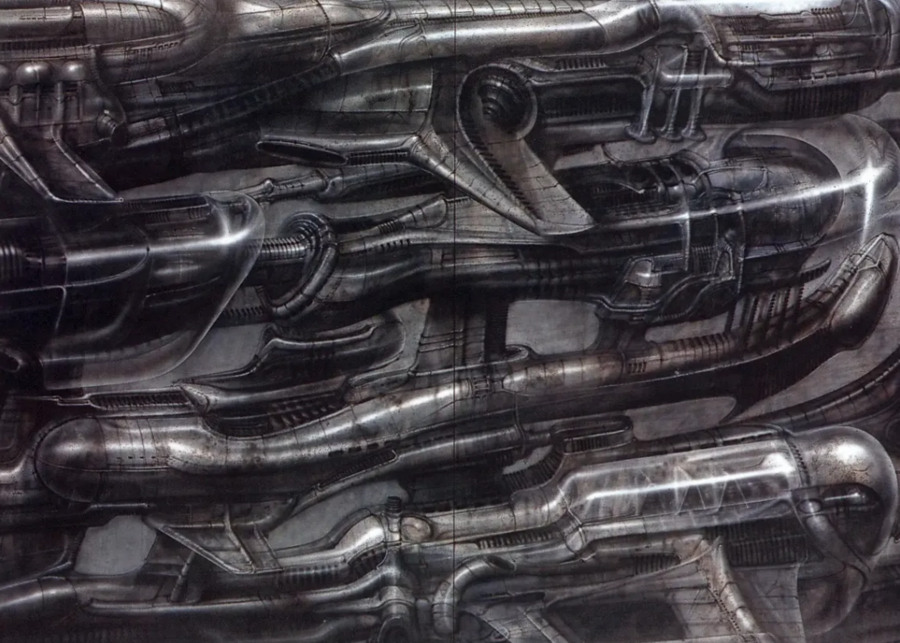
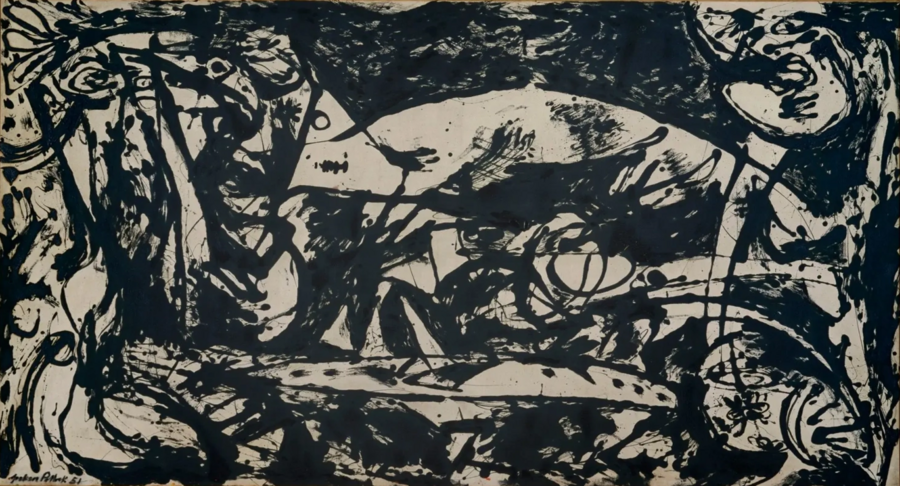
First image—Jackson Pollock. Number 14. 1951 Second—Hans Ruedi Giger. Speed. 1976
Sometimes Hans has several spaces, as if the artist wanted to paint two pictures but only had one canvas. You can see this technique of layering different subjects onto one another in Francis Picabia. It adds fragmentation and translucency to the image, causing the viewer to mentally separate one object from another and view the painting on multiple levels.
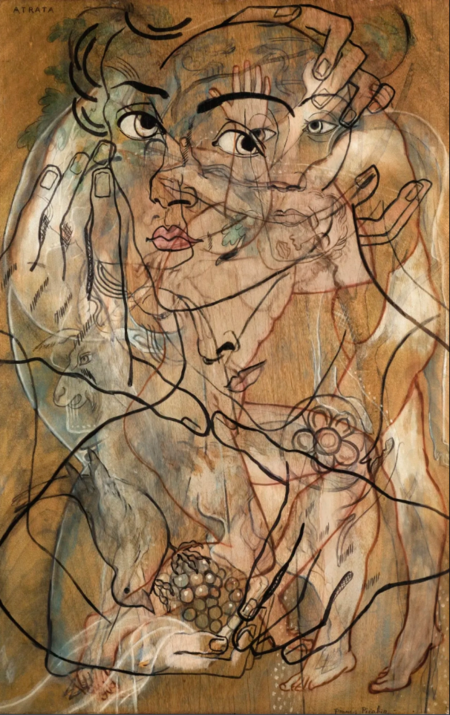
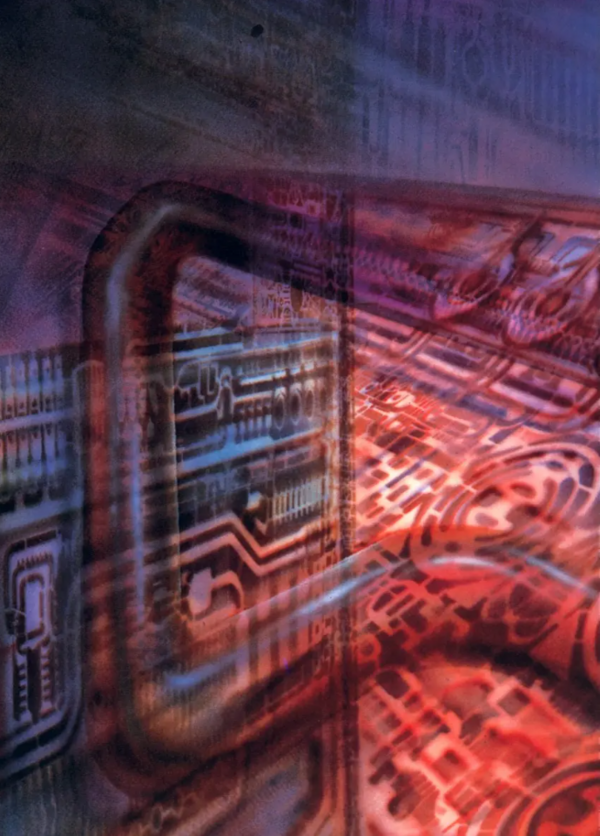
Left — Francis Picabia. Atrata. 1929 Right — Hans Rudiger Gerger. Landscape. 1978
Objects, Environment, and Loneliness
Giger’s series of works depicting plumbing fixtures is reminiscent of ready-made art, particularly Duchamp’s «Fountain.» Although the pieces are painted and possess certain artistic qualities, unlike manufactured objects, the imagery may have been influenced by the revolution in how we perceive what art can be.
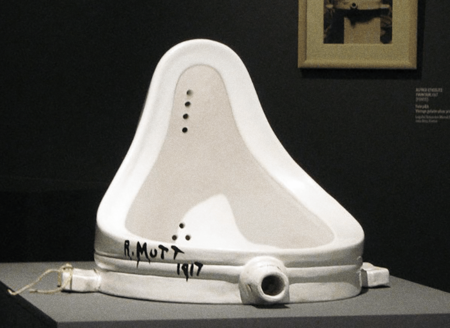
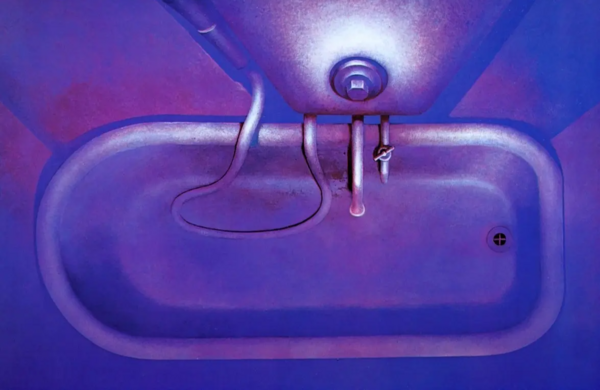
On the left—Marcel Duchamp. Fountain. 1917 On the right—Hans Rudolf Heger. Bathtub. 1970
While one won’t find strictly naturalistic landscapes in Giger’s work, some pieces vaguely evoke natural elements. Considering the context of the eroticized depiction of inanimate objects in Hans’s creative output, a parallel can be drawn to the work of Georgia O’Keeffe, whose art shares a similar tendency.