Андрей Артемов
The Way Home. Walk of Shame: How a Shame Walk Becomes a Lifestyle
«A friend gave me this name, joking, 'It’s you.'»
Андрей Артемов о названии Walk of Shame, 2018
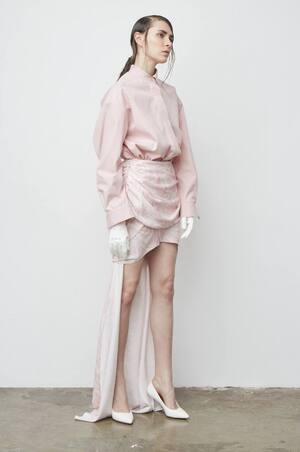
Walk of Shame — an American expression for the walk home after a wild night, wearing yesterday’s dress and a stranger’s jacket slung over the shoulders.
Concept
This morning has its own genre: a taxi at seven in the morning, a dress from yesterday, a borrowed jacket draped over the shoulders, and a question in the mind that one shouldn’t voice aloud. In English, it has a name—the walk of shame. Andrey Artemov took it as a brand name fifteen years ago, and it seems he never noticed how it became his biography.
A student in the Costume Design Department from Ufa, an intern at L’Officiel, a fashion stylist for glossy magazines, a party host, a person featured on the BoF 500 list, who has friends like Litvinova, Sobchak, and Khromchenko. Everything one is supposed to be ashamed of—the provinces, Soviet everyday life, childhood, a crumpled tulle skirt, a store-bought cake with creamy roses, Cyrillic script on a T-shirt—he doesn’t hide it; he embeds it in the DNA of his creativity. Initially, Artemov himself carries his «shame,» and then all of Moscow does.
This study looks at WOS not as a brand, but as a life lived in the mode of self-expression: where Instagram* and the designer’s personal brand end and the lookbook begins, where a friend becomes a muse, and the muse becomes a client.
Why This Matters
Russian fashion of the 2010s spoke with the West, marked by accent and self-consciousness. WOS was one of the first to make a statement through style: the Opening Ceremony purchased Cyrillic before Moscow embraced it. This history demonstrates how a local brand builds itself not by imitating global luxury, but through irony and engagement with its own cultural memory.
The research encompasses the entire system of expression: garments, runway shows and venues, boutiques, and the designer’s Instagram*, where captions like «me last night» and «my real face» function as brand texts alongside press releases.
A parallel track explores shame, place, and entourage—how a provincial individual’s experience in Moscow becomes the brand’s DNA and who transforms that shame into status.
The second part of the work translates this research into an exhibition proposal.
Ключевой вопрос
How a boy from Ufa became the main character of his own brand, and what happens to shame when it transforms into a lifestyle, and his entourage—into status?
Hypothesis
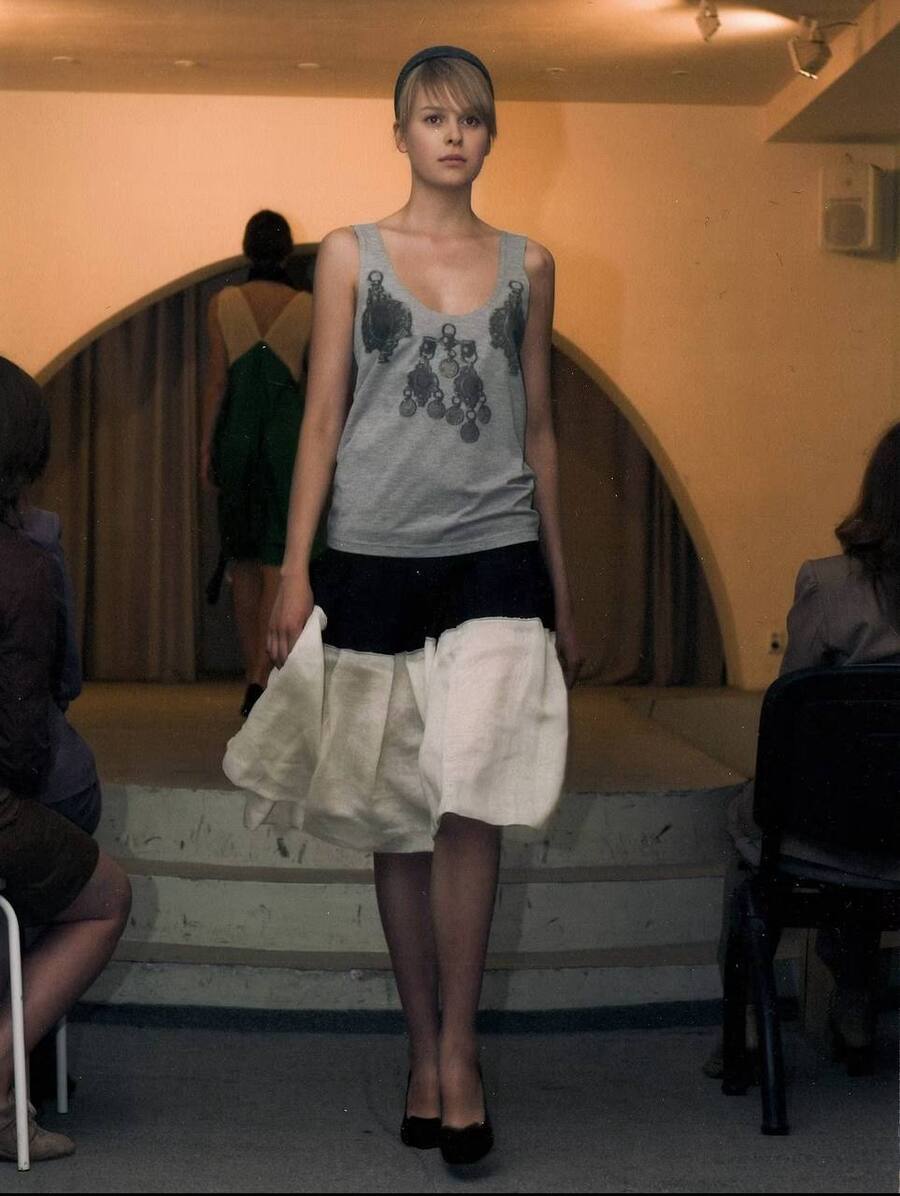
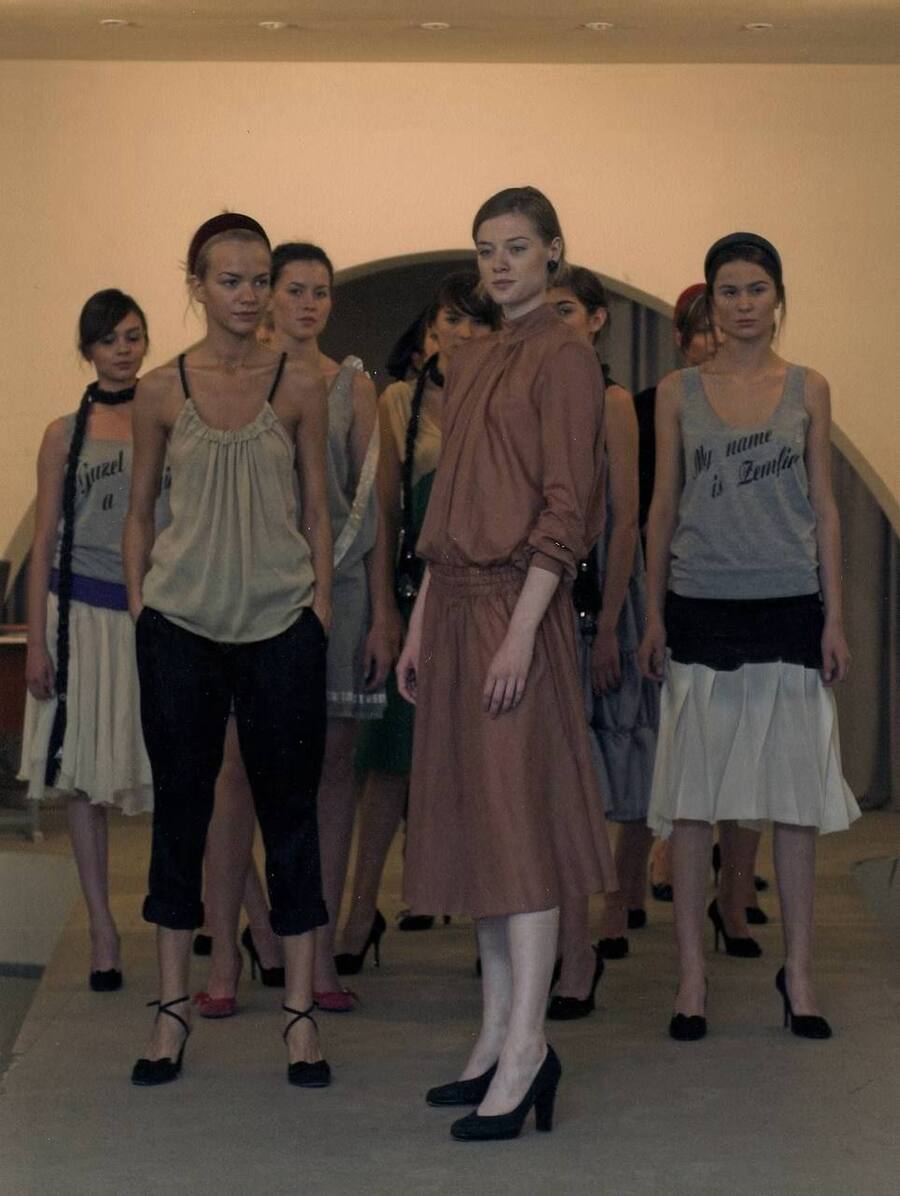
Walk of Shame has long ceased to be just a title. It is a scenario that Artemov enacts upon himself: the night is in Ufa—the editorial scene, the first parties; the morning after—crises and external recognition; the journey home—Bashkirian codes and his flagship home. Irony functions as anesthesia: the «awkward» elements—tulle, braiding, cake, the little mirror—repeat until they become a code, and then pride and status.Provincialism, in this context, is not overcome, but preserved as capital. The boy from Ufa hasn’t disappeared; he’s in slippers at the office, in a tank top at a student show, in the reflection of a museum display case. And the entourage—friends, muses, patrons—transforms the designer’s private life into a public brand.Параллельный трек / введение
Shame, place, environment: a secondary line of inquiry
Shame and Place
How does the feeling of being an outsider in Moscow influence the DNA of the Walk of Shame brand?
Each chapter pairs a biographical episode with a brand code: how the personal becomes an object, a name, or a place of display. Theoretical Framework. Pierre Bourdieu: taste transforms objects into «distinguishing signs.» What was read as provincial «bad» taste in the capital, WOS turns into a sign of distinction.
The Circle
What role did patrons play, and how does the Moscow elite influence the brand’s status?
Artemov’s inner circle: fellow natives and patrons (Evelina Khromchenko, the rector, parents), muse friends, the Simachyov bar, high-society Moscow, and international buyers. Preliminary conclusion: Artemov rarely speaks directly about shame. Shame is externalized—into the name, the objects, and the rituals—while his circle of friends is replaced by investors for the brand.
Principle of Material and Source Selection
The visual imagery was selected based on the «recurring code» principle: items and events were chosen where a motif first appears and where it returns in a transformed state. This includes the mirrored dress from 2012 and its later versions, sweatshirts with inscriptions, 2020–2021 collections featuring Bashkir motifs, shows at the «Simachyov» bar and the Griboyedov Civil Registry Office, shops on Strastny Boulevard, and the Zilart Tower.The main criterion for selecting texts is their proximity to the designer’s voice: interviews with Artemov (Vogue, HSE Art and Design School, Barise Design, «Snob, ” The Blueprint), relevant media (Buro, The Blueprint, „Sobaka.ru, ” „Editorial Opinion“), and the Brandmine profile for business chronology. The theoretical framework is established by the books of R. Arnold, V. Puyar, and M. Guryanova, and an article by A. Aladzhalova in „Fashion Theory.“Rubric: the «night—morning—journey home» route
Material Selection Principle
The visual sequence was chosen based on the «recurring code» principle: pieces and events are selected where a motif first appears and where it returns in a modified form. This includes the mirrored dress from 2012 and its later iterations, sweatshirts with inscriptions, the 2020–2021 collections featuring Bashkir motifs, shows held at the «Simachyov» bar and the Griboedov registry office, and stores located on Stratny Boulevard and in Zilart Tower.The main criterion for selecting texts is their proximity to the designer’s own voice: interviews with Artemov (Vogue, HSE Art and Design School, Barise Design, «Snob, ” The Blueprint), specialized media (Buro, The Blueprint, „Sobaka.ru, ” „Editor’s Opinion“), and the Brandmine profile for business chronology. For the parallel track, statements concerning childhood, Ufa, relocation, friends, and patrons were selected (RBK, „Snob, ” „Sobaka.ru, ” The City). The visual sequence detailing the designer’s life and social circle was sourced from Andrey Artemov’s official Instagram page* (@andreyartyomov): posts and captions are treated as authorial text. The theoretical framework includes books by R. Arnold, V. Puyar, and M. Guryanova, excerpts from P. Bourdieu’s *Distinction*, and an article by A. Aladzhalova in *Fashion Theory*.Theoretical Framework
CHAPTERS I, V, VI / STYLISTICSVeronica Pujar
1960s Stylists: From Department Store Consultants to Ready-to-Wear Designers; The Decentralization of Fashion Beyond ParisCHAPTERS II–III / FEMININITY
Rebecca Arnold
«Good» and «Bad» Femininity, Exaggerated Femininity as Self-IndulgenceCHAPTER V / TRANSGRESSION
Maria Guryanova
The Boundary Violation That Becomes Norm When It SpreadsCHAPTERS III, V / CRAFTSMANSHIP
Anastasia Aladjalova
Vintage Style as «Ukhroniya» [Fantasy/Escapism], Home Textiles, and Handicrafts; Handmade as LuxuryPARALLEL TRACK / SHAME AND TASTE
Pierre Bourdieu
Taste as the «Distinguishing Sign» of Class: Provincial «Bad» Taste and Its Appropriation
ГЛАВА I / НОЧЬ
The night begins in Ufa
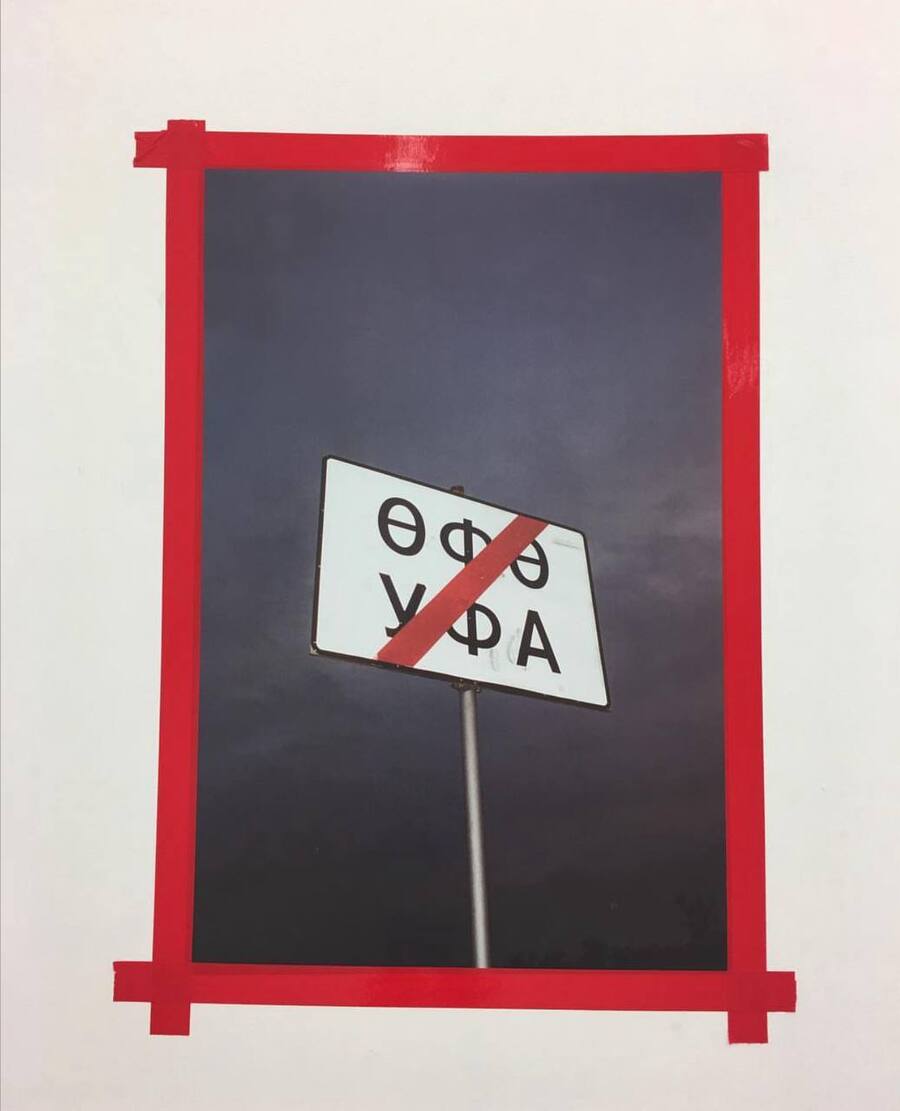
It all begins where one is expected to leave. Ufa is the first «shameful» detail that Artemov will later wear with pride.
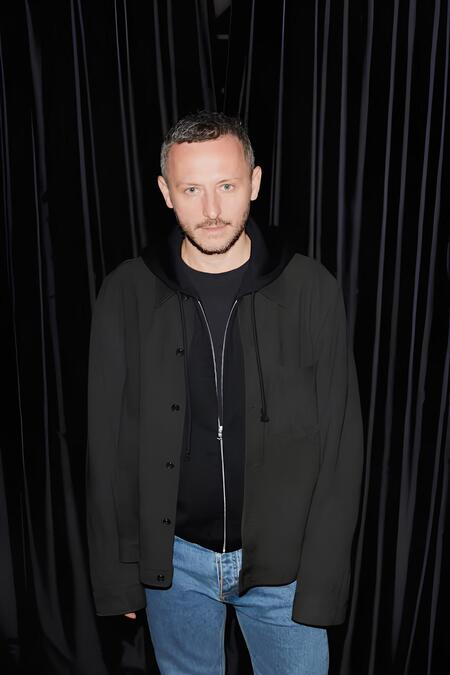
Born in Ufa in 1981, 1,400 km from Moscow. His father managed finances for Bashkirenergo, and his mother worked at the Ministry of Trade. A very proper family for a very unconventional profession.His family insisted he attend an economics university, but he chose costume design at the Ufa University of Service. This was one of many awkward choices that would later prove to be right.Photo: Andrey Artemov, founder and Creative Director of WOS
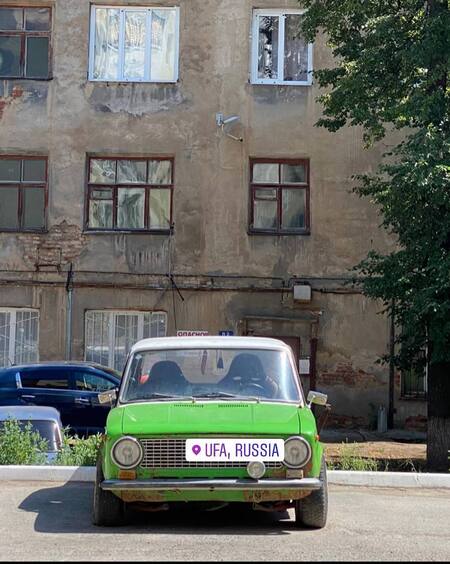
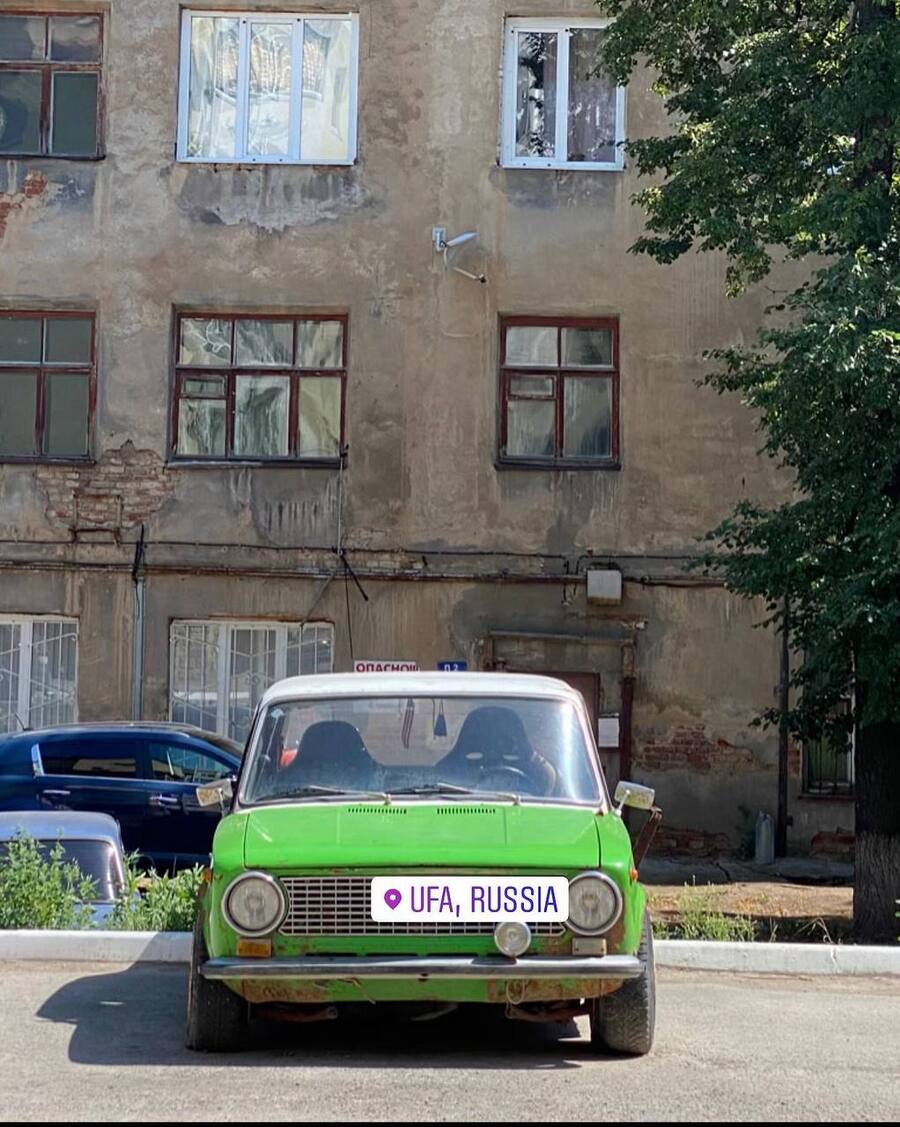
The Ufa wholesale market will later be named a source of inspiration by the designer.
The city, often relegated as merely a «provincial town,» will become the central theme of his collections in twenty years.
(Andrey Artemov, founder of Walk Of Shame: «The wholesale market in Ufa is a source of inspiration» // Snob)
Photo from Andrey Artemov’s social media
«My Son Has Come So Far»
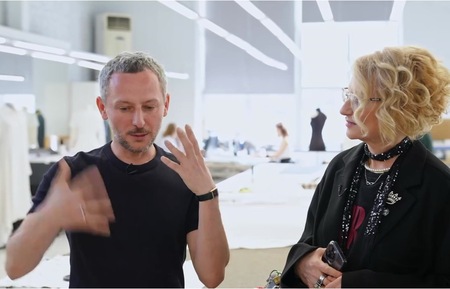
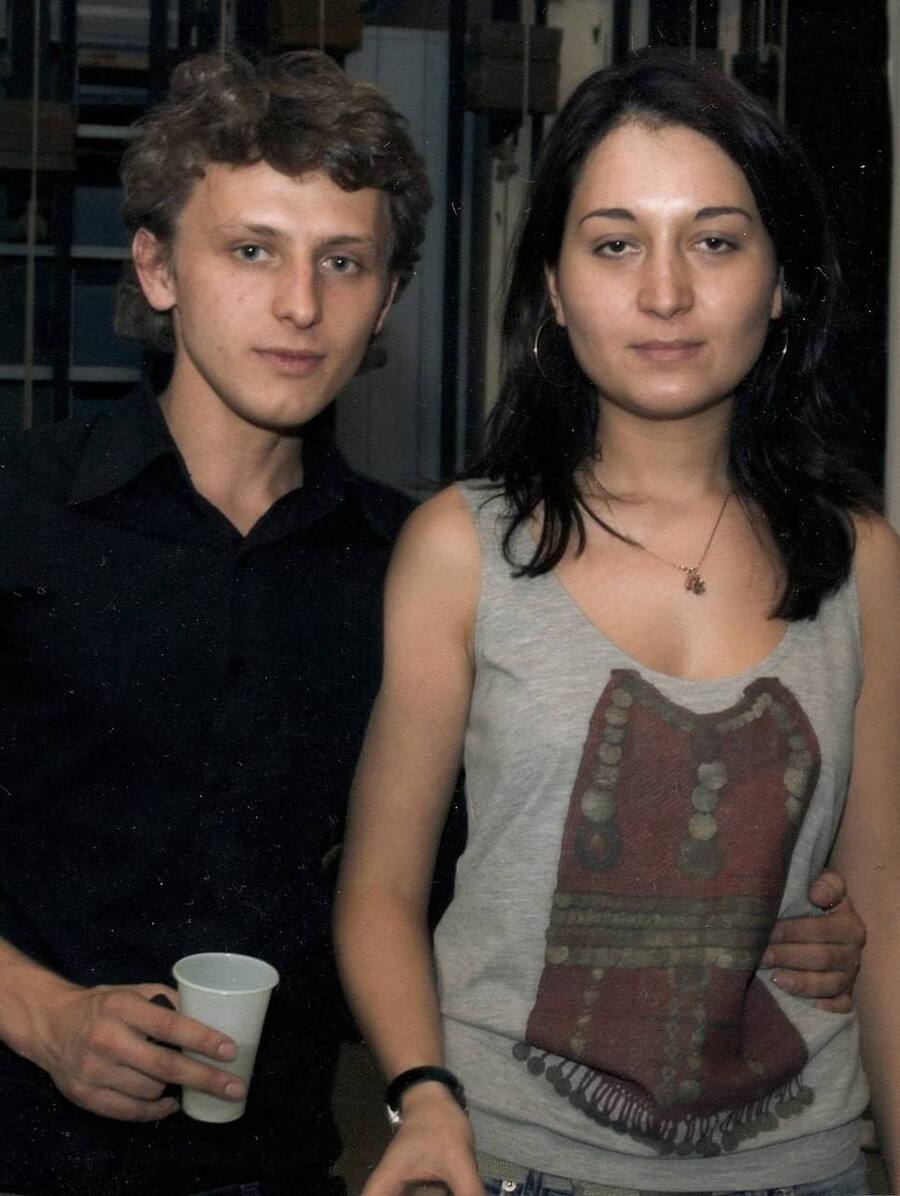
2002: A student from Ufa wins the young designers competition. In the jury: Evelina Khromchenko, editor-in-chief of L’Officiel, a native of Ufa—she practically awards him the Grand Prize and invites him for an internship in Moscow.Over twenty years later, they meet again in the workshop of his brand.The brand itself calls her «OG WОS mom.»Photo: Andrey Artemov and Evelina Khromchenko in the Walk of Shame workshop. Still from the documentary film about Evelina Khromchenko, by Laura Djugelia
Provincial in the Capital Edition: Leaving and Returning
Stylist: From Concept to Collection
FRANCE, 1960s
Stylist
According to Véronique Puyard, the genesis of new fashion lay in the «stylist offices—a new category of consultants and designers.» Many began as department store consultants, responsible for their trendy image.RUSSIA, 2000s
Stylist
In glossy magazines, the stylist is the image creator for a photoshoot. They don’t sew; they assemble existing garments into a narrative and are responsible for the magazine’s fashion identity.ARTEMOV, 2002–2015
From One to Another
The same trajectory as the French stylists: moving from a consultant who «gives an image» to someone else’s clothes—to establishing their own ready-to-wear line. Four years of work as a stylist financed the brand.
Before developing his own fashion, Artemov, at age seven, explained other people’s. The editorial team gave him the crucial skill of WOS—seeing an object as a narrative.
В 2009 году вместе с Анной Дюльгеровой он запускает альтернативную неделю моды Cycles and Seasons
ГЛАВА II / НОЧЬ
Party: Brand Genesis
Название, первая коллекция и главная вещь бренда — платье, расшитое зеркалами
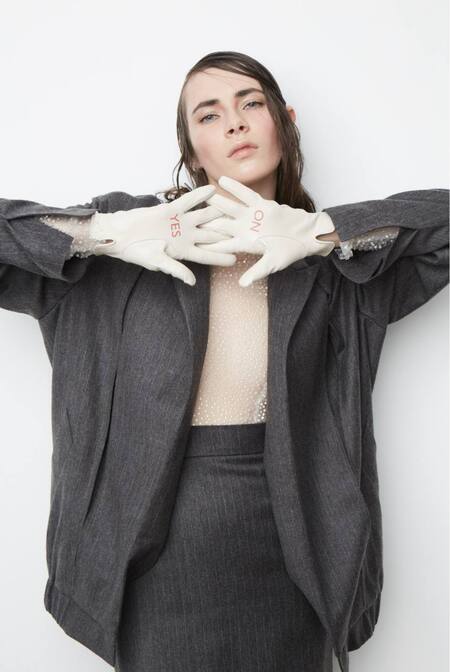
WALK OF SHAME
WALK OF SHAMEThe name first appeared at a party in 2008: Charlotte Phillips, a friend, jokingly introduced Artemov as such. The launch was in December 2011, at Spiridonov’s mansion.The title quickly became a motif on various items: «Walk of Shame» in Cyrillic on a sweater, «WALK» on a glove, and YES and NO on the backs of the palms. The ambiguity of «the aftermath» transforms into an accessory.Photo: YES / NO gloves, WOS