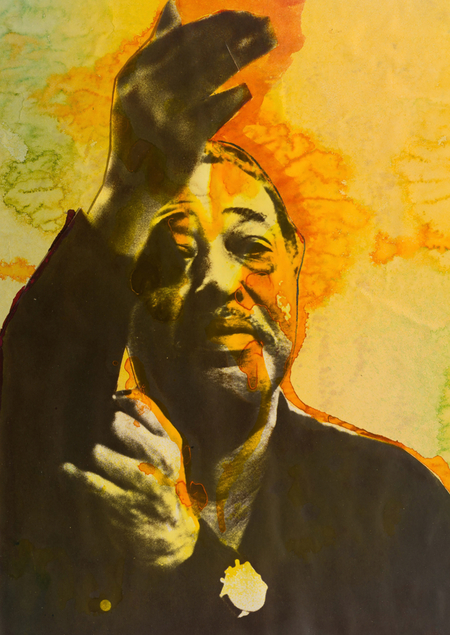
What techniques do artists use to convey the spontaneity, rhythm, and freedom of jazz?
Jazz, from its inception, was not merely music, but a distinct mode of thought. Its primary strength lies in improvisation: the ability to take a familiar theme and reconstruct it anew each time, responding to a partner, shifting emphasis, and leaving room for the unexpected. This freedom within a structure proved infectious, not just for musicians. Artists, graphic designers, and comic book writers also recognized a kindred language in jazz—a language where rhythm, variation, the simultaneous presence of multiple voices, and the sensation that a work is being born right now, before the audience, are paramount.
This is precisely why jazz so often becomes not just a subject matter for an image, but its underlying principle. When an artist works with collage—cutting paper, shifting frames in a comic book, or assembling an image from scraps—they are essentially doing what a jazz musician does: taking existing material and improvising with it. At these moments, visual art ceases to be mere illustration for music and begins to «sound» according to jazz principles.
In this study, we are interested specifically in this transition—from the depiction of jazz to jazz as a visual language. We will examine how artists of the 20th and 21st centuries attempted to convey the qualities that define jazz—spontaneity, variability, polyphony, and a unique sense of time—using graphics, collage, and comics. Our focus will not be on the musician’s portrait or the club scene in isolation, but rather on how the form of the image begins to operate improvisationally.
For this, we will look at several key examples. We will look at Henri Matisse’s Jazz, where color and cut-out form become almost independent «voices.» We will look at Romare Bearden’s collages, in which the assembly of borrowed fragments resembles a collective improvisation. We will look at comics where multiple panels on a single page sound simultaneously, like instruments in an ensemble. And we will look at more contemporary practices in which graphic notation and digital visualization continue to seek visual equivalents to free play.
This perspective allows us to see jazz as more than just a musical genre. It emerges as a method of organizing material, as a model of creative thinking that has resonated with the most diverse artists. Ultimately, the image ceases to be a static object and begins to live according to laws familiar to anyone who has ever listened to a genuine jazz solo: it breathes, responds to itself, constantly changes, and yet maintains internal coherence.
The research is built upon a simple premise: just as jazz can speak without words, visual art can «play» without notes. Our goal is to trace exactly how this occurs.
I. What do we mean by «visual jazz»?
Visual jazz, to us, is not simply an image of musicians or nightclub scenes; it is a method of image construction where the image itself begins to function according to the laws of jazz improvisation.
Jazz has a recognizable theme that musicians re-explore every time—they shift accents, respond to each other, allow for pauses, and create the feeling that the music is being born right now. Similar processes occur in visual art when an artist works with collage, graphic design, or comics.
The artist takes ready-made material—colored paper, a photographic fragment, a piece of text—and begins to improvise with it: cutting, shifting, layering, and changing scale.
Henri Matisse «Jazz» (1947)
The image ceases to be static and begins to feel like a process. The viewer perceives not just the finished result, but the moment of its creation itself. This is precisely how, for example, Henri Matisse’s cutout technique functions.
Romare Bearden stated that he didn’t want to «paint about jazz,» but rather «paint jazz,» and employed collage as a visual equivalent of the «call and response» principle characteristic of jazz and blues.
Romar Burden in his studio Photograph by Frank Stuart 1980–1981
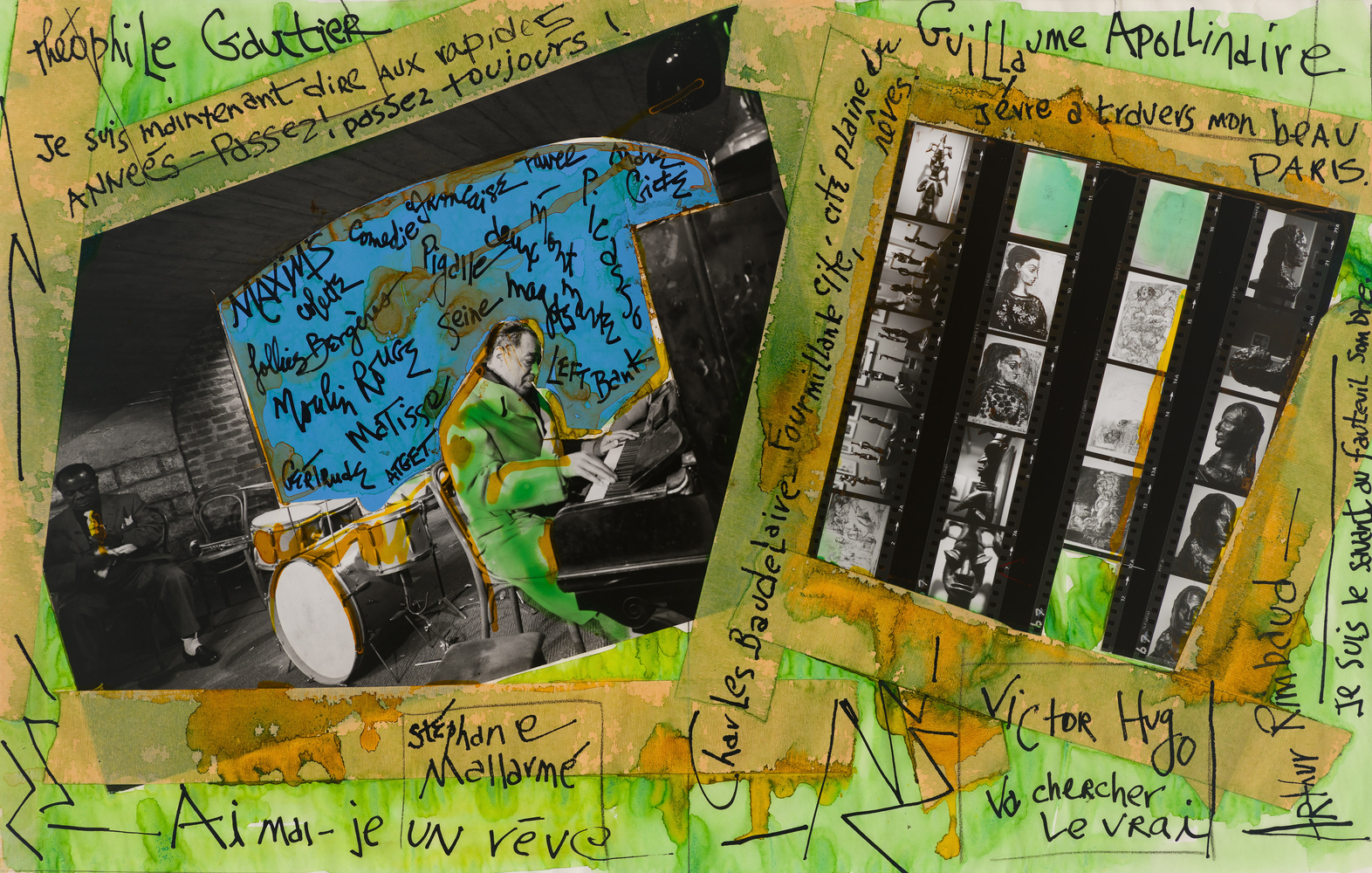
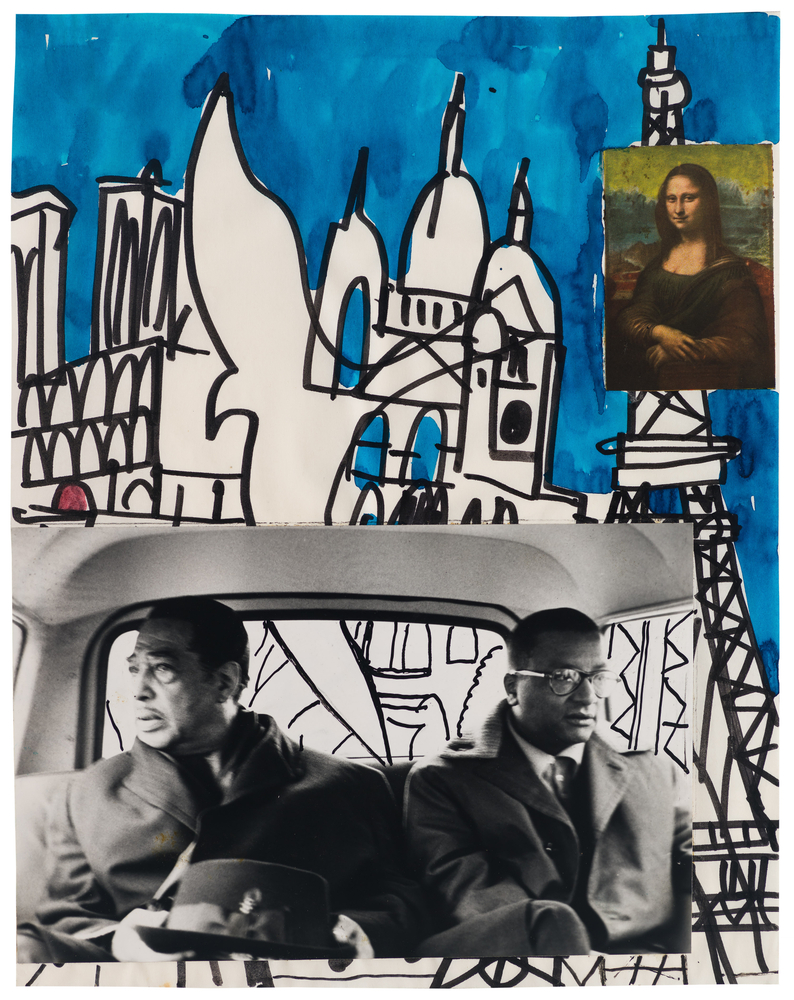
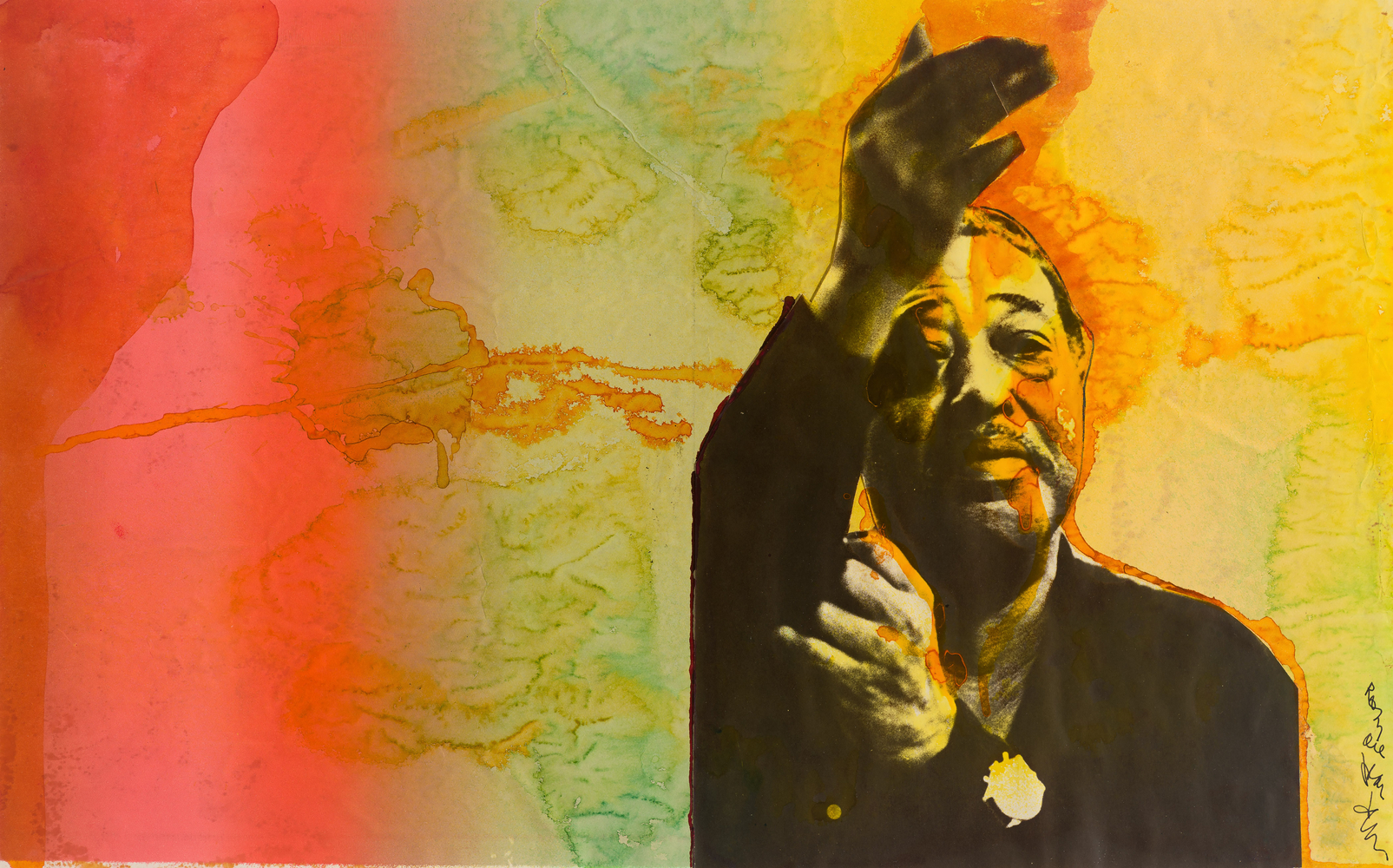
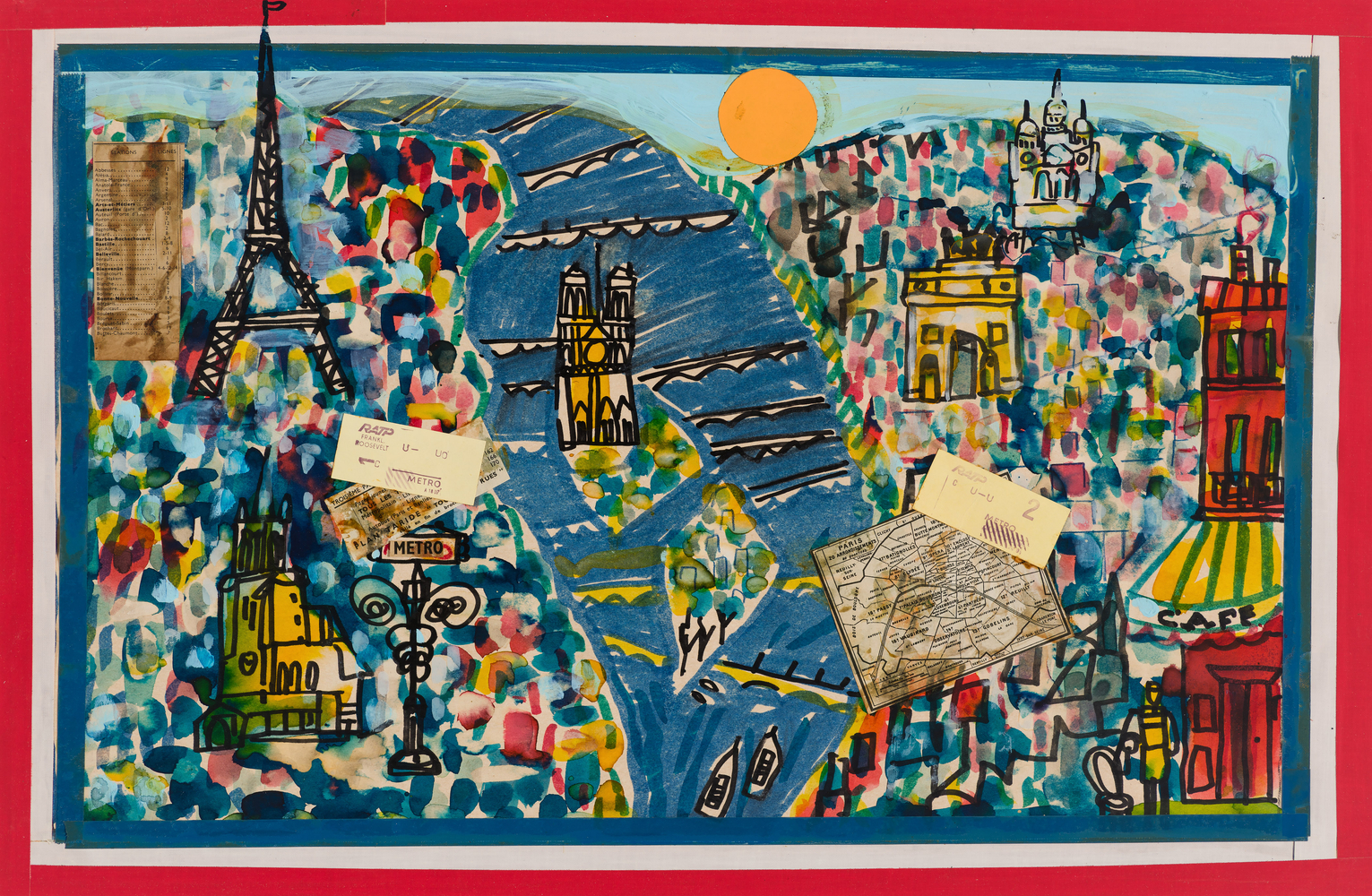
Romare Birden «Parisian Blues/Jazz Cycle» 1981