Navigation Menu
01 — New and Normal02 — Non-acceptance as a Reaction03 — Three Cases04 — From Exception to Norm05 — Conclusion
01. New and Normal
What do we call the norm?
Each generation forms its own idea of what music should sound like, what an artist should look like, and how their audience should behave. But musical norms are not static. They are constructed from already familiar genres, aesthetics, and cultural codes—and they gradually change along with society.
New things are not always immediately recognized.
When a new musical aesthetic emerges, it is rarely received neutrally. It might seem strange, excessive, or even comical—especially if it doesn’t align with conventional notions of what music and its creator should be. However, perception evolves alongside culture.
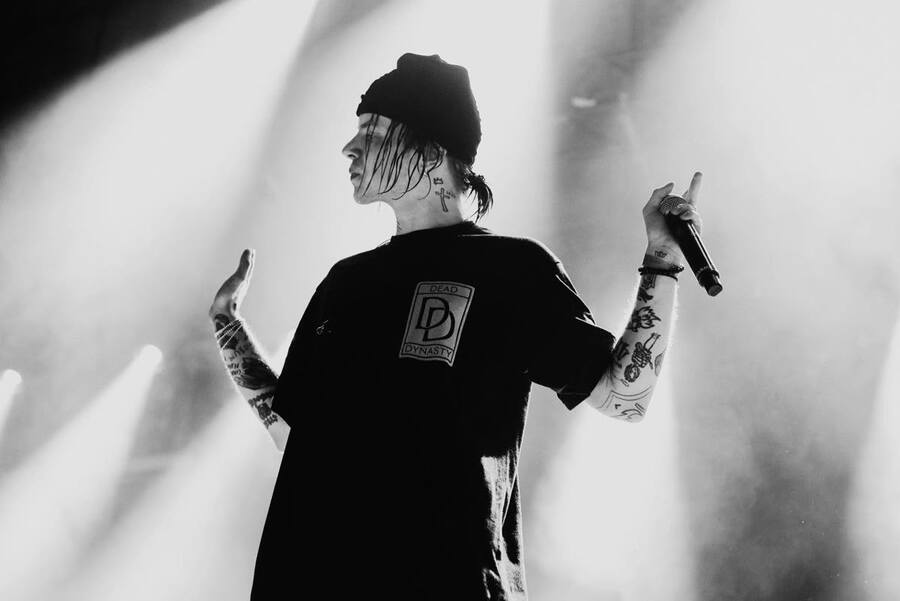
Paper PHARAOH, 2017
What seems familiar today was once perceived as novel.Musical culture evolves not only through the emergence of new genres but also through changes in the relationship to existing ones.The new can initially exist outside the norm and then gradually expand its boundaries.
02. Refusal as a Reaction
When is something new met with ridicule?
One of the first reactions to the unfamiliar is mockery.Thus, the new is quickly defined as «other»: too strange, too loud, too artificial, or simply incomprehensible.This is particularly noticeable in internet culture, where the audience’s reaction becomes part of the artist’s very existence.
Why do people resist the unfamiliar?
It is easier for a person to process what fits within a familiar frame of reference. If an artist disrupts conventional notions of music, appearance, or behavior, the audience is forced to re-evaluate: what is this? How should I perceive it? Do I like it? Therefore, the initial reaction does not always align with the subsequent engagement with the phenomenon.
03. Three Cases
PHARAOH — sound.
In the song «Black Siemens,» the unusual vocal style and the recurring sound «skr» became one of the track’s most noticeable features.
For some listeners, this sounded absurd and became a target for ridicule.
However, it was precisely these kinds of techniques that allowed PHARAOH to forge his own musical language.
The track and its music video later became significant phenomena of mid-2010s internet culture: «skr-skr-skr» transformed into a recognizable meme, and Black Siemens himself became a symbol of a new wave of artists.
Clip still from PHARAOH — BLACK SIEMENS (PROD. BY FROZENGANGBEATZ)
FACE — appearance.
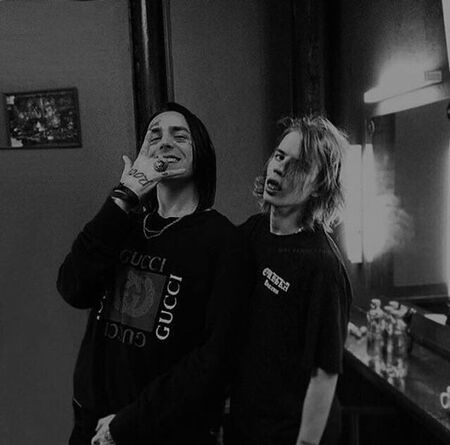
Early FACE was intentionally built on provocation: his appearance, clothing, lyrics, and public demeanor sharply diverged from the conventional image of a rapper.His scorched Gucci, showmanship, and deliberate carelessness became targets of mockery.However, over time, elements of this persona began to transition from that of a specific artist into a broader youth aesthetic.
What they laughed at—they started repeating.
Designated as a foreign agent in the Russian Federation.
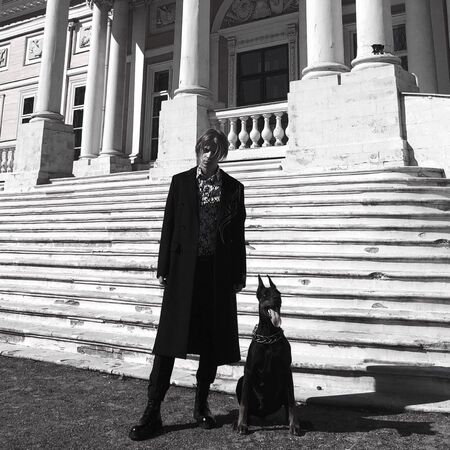
KAI ANGEL × 9MICE — image.
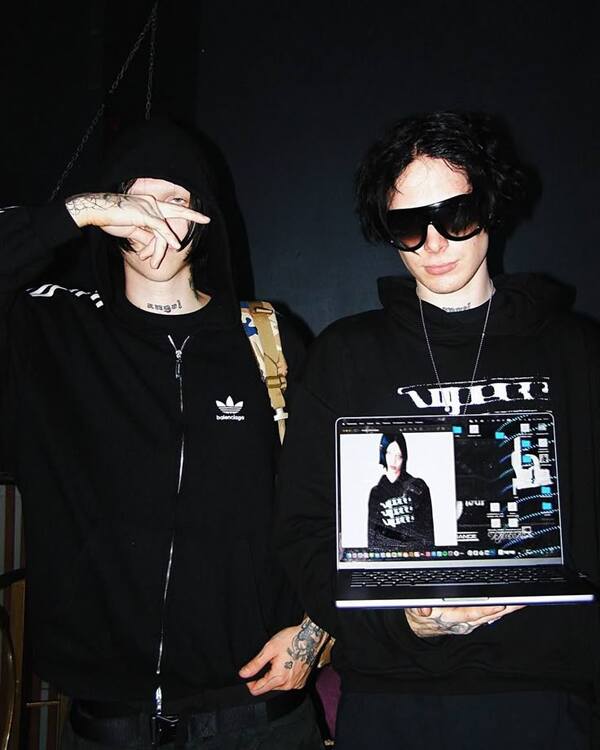
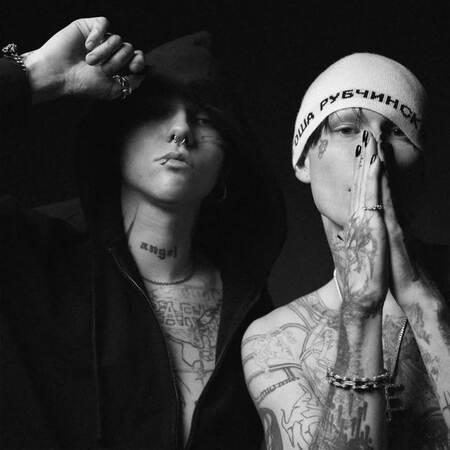
Kai Angel and 9mice work not only with music but also with an integrated visual system: clothing, silhouettes, accessories, photography, and demeanor. What might initially be perceived as excess or shock value gradually transforms into a recognizable aesthetic. Their creative work exists at the intersection of music, high fashion, and internet culture; the artists themselves openly discuss the influence of Opium and the creation of their own visual and musical language.
First, people think:
«What are they wearing?»
Then:
«Where can I buy this?»04. From exception to standard practice.