Navigator:1. Media Concept
2. Six-Month Thematic Plan
3. Content Samples
MEDIA CONCEPT
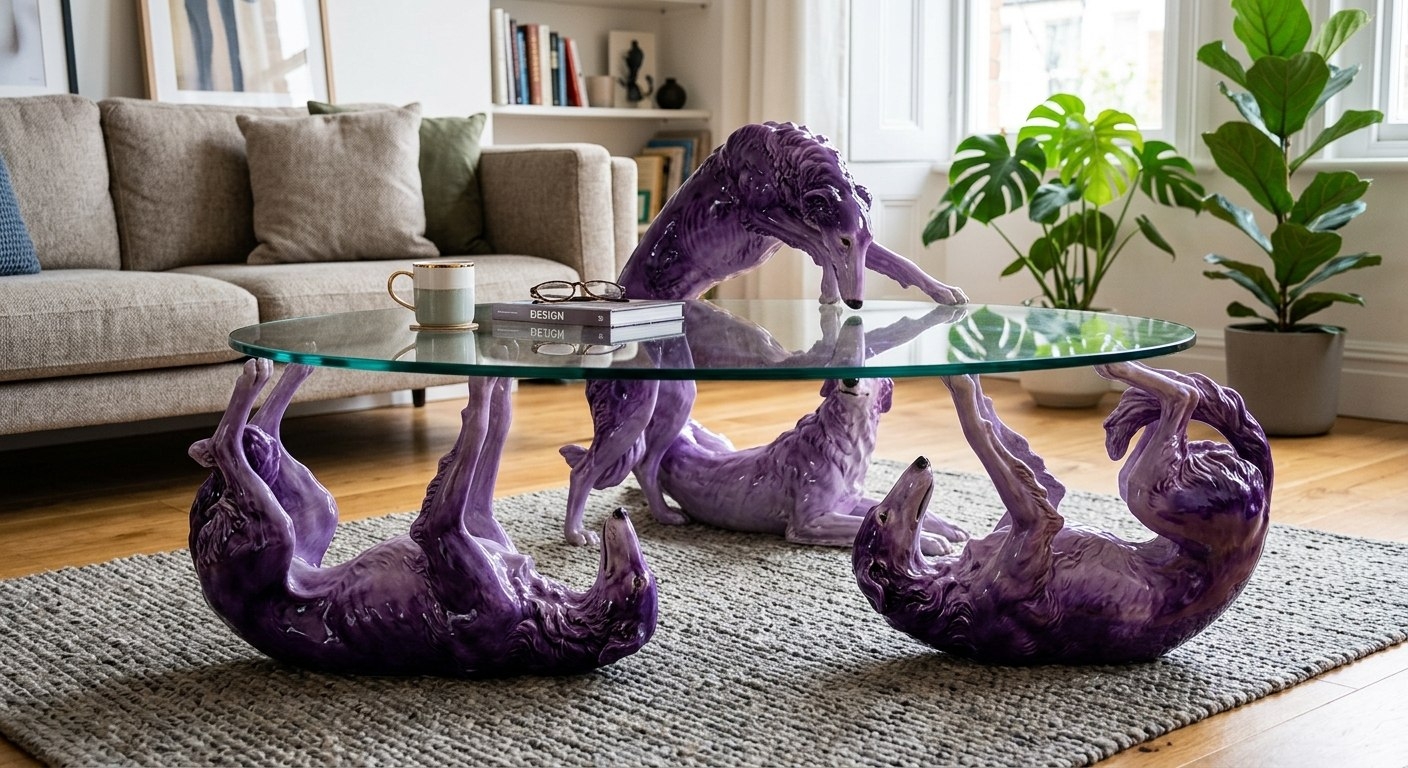
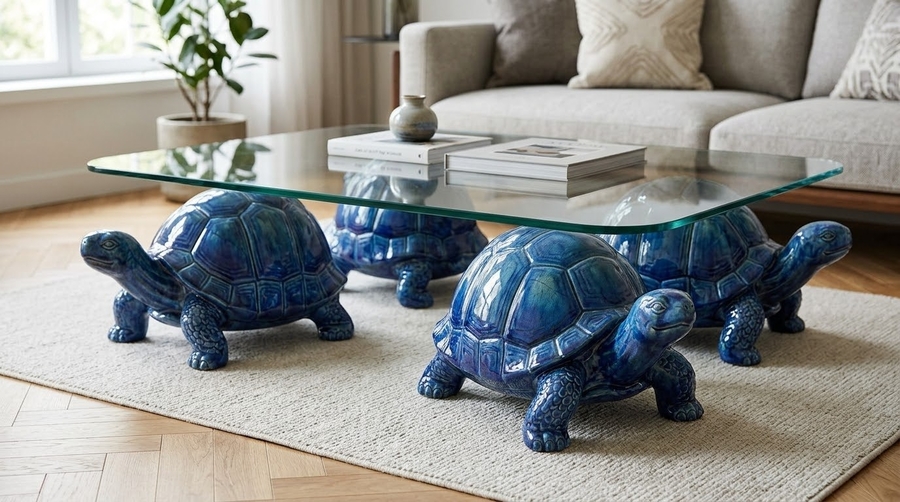
Design tables featuring glass tops supported by ceramic animal figures. The media revolves around the idea of the figure holding the glass, but this is a metaphor: the ceramics support not only the tabletop but also the enclosed space, a defined place. The media illustrates how an original object is born from handcrafted work, unconventional color, and character, and how it subsequently lives within a home.
Format: Telegram channel for core content, Instagram* as a showcase for visual elements, process documentation, short stories, and the website as a portfolio and point of order.
(*social network banned in the Russian Federation)
Topics: ++ Portraiture — studies of individual figures: character, pose, color, and role within the composition ++ Hands — the process: modeling, firing, glazing, errors, and discoveries ++ Scene — interior design tables: how an object transforms a space ++ Conversation — dialogues with buyers, designers, and curators ++ Glossary — defining terms: what is functional sculpture, why ceramic, and how a cast figure differs from tile cladding
SEMESTER THEMATIC PLAN
1 month
Introduction to the product: why the stool stands on animalsRubric:
++ Who holds it: the first three figures—animals with names and personalities
++ Hands: first molding, first firing, first mistakesPost explaining: how cast ceramic differs from tile cladding
Month 2
Working with Material
Section: ++ Hands-on: How Glaze is Selected, Why Color is Character and Not Just a Decorative Element ++ Glossary: What is Functional Sculpture ++ Scene: The First Table in an Interior
Explanatory Post: Ceramics versus Bronze or Resin—Why Material Dictates Value
Month 3
Justification for the Glass Tabletop
Category: ++ Glossary: Why glass is a frame, not just a tabletop ++ Hands: How glass is affixed, how the figure is viewed in its entirety ++ Who holds it: Composition of multiple figures—how they interact with each other ++ Conversation: A customer’s first review
Explanatory Post: The glass tabletop allows viewers to see the animal figures from every angle, making them indispensable participants in the scene within the room.
Month 4
Interior Design Work
Rubric: ++ Scene: tables in various interior settings ++ Conversation: an interview with an interior designer about the necessity of custom pieces ++ Hands: customization for one’s own interior
Post explanation: why this is not a sculpture, but a complete interior object
Month 5
People’s ReactionsTopics:
++ Conversation: The story of one order—from request to installation
++ Who Holds It: A figure ordered as a gift—the story of the selection
++ Glossary: What is a print run and why is it important?
++ Scene: The table as the center of space, and how the interior is built around itExplanatory post: how a simple decorative object can serve people in various situations
6 Months
ResultsSection:
++ Hands: What changed in the process over six months
++ Dialogue: A conversation with the curator or platform about the project’s place in collectible design
++ Who Holds It: A new composition, announcing the next seriesExplanatory Post: Presentation of final works, visualization of project development
CONTENT EXAMPLES
1 sample
Channel Launch
This table does not stand on legs. It stands on animals. Each one is handmade, fired, and glazed. Each has its own color, its own pose, its own character. One figure leans on, another peeks, and the third pretends not to care. The glass on top is positioned so that they can be seen from all sides. We aren’t just making furniture. We are creating a space where characters live. And if you are ready to live with them—let’s get acquainted.
Sample 2
Characters
A composition featuring three pink deer. Their color symbolizes youth, vitality, and vibrancy, yet it also conveys shyness and tenderness. Their poses are light and flexible; however, the glass tabletop is supported by their poise and strength. They serve wonderfully as a structural support and as partners, as they are the first things guests notice.
Sample 3
Mistakes happenThe first figure cracked during firing. Not so much because of the temperature, but because the leg was rolled too thinly. In the pursuit of delicacy, we achieved fragile vulnerability. Instead of discarding the figure, we restored it, sanded it, and coated it with glaze. A thin crack, like a hairline fracture, remains—a reminder that ceramics does not forgive haste, but it knows how to forgive mistakes. Perhaps this is the best figure of all, because it has a scar.
Sample 4