«Art Nearby» is a digital platform for discovering contemporary art and purchasing original works by emerging and independent artists. The website combines a catalog of artworks, artist pages with information about their creative process, and materials detailing how pieces are made. Its goal is to streamline the path from discovering an artist to acquiring their work—helping artists find an audience while enabling buyers to discover new names and select art that speaks to them.
The «Art Nearby» media supplement enriches the website with articles about artists, their creative methods, the stories of collectors, and the specifics of contemporary art. It helps engage the audience, make art more accessible, and motivate visitors to study works and proceed with a purchase.
Media about artists, their creative methods, and the stories of works that find their audience and buyers.
Media formula: artist — creative process — work — buyer interest.
Goal: To engage the audience with contemporary art, help emerging artists introduce themselves, and allow potential buyers to discover new names and select pieces for their own collections.
Visual Style
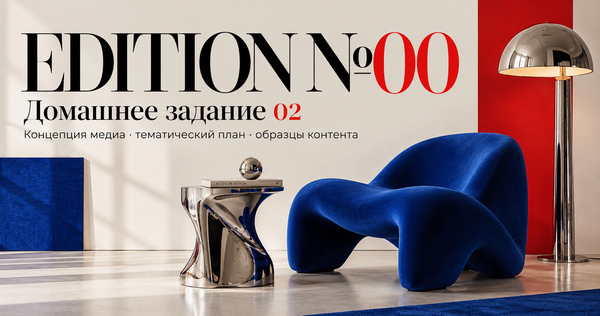
The visual presentation of «Art Nearby» is built on experimentation, diversity, and individuality. The content must not just display artworks but also convey the character of the artists through color, composition, textures, and publication design. The design incorporates photographs of studios, excerpts from artworks, close-ups of materials, scans of sketches, and shots of the creative process. Bold color combinations, asymmetry, collages, unconventional typography, image layering, and plays on scale are encouraged.
However, the style of publications may change depending on the author: from a minimalist presentation to bold graphic experiments. Design becomes an extension of artistic language and helps reveal the individuality of each artist. The main principle is diversity without sacrificing meaning. Visual content must capture attention, spark interest in the works, and encourage the audience to learn about the artists and acquire their pieces.
Six-Month Thematic Plan
October — Method and Material
How do artists select materials, find ideas, and experiment with form? An introduction to the creative process and the individual approach of the artists.
November — Contemporary Artists
Stories from emerging and independent artists.
Their first exhibitions, creative explorations, struggles,
and how they found their own audience.
December — Collecting Practices
Case studies of collectors and buyers who found artworks through the website. Why they chose this specific piece, how it fit into their interior design, or how it became part of their personal collection.
January — Context and Interpretation
Informative publications on conceptual art, readymades, unusual materials, and artistic techniques. Explanations of how an everyday object can acquire new meaning and value.
February — Preference Analytics
Collections of artists' work that generate the most interest on the platform. An analysis of popular formats, materials, themes, and styles without reducing art solely to sales rankings.
March — Selection Practice
Practical advice on selecting works, getting acquainted with artists, evaluating dimensions, materials, and purchasing conditions. How to start collecting art, even if you have no prior experience.
Ten Examples of Publications
Post 1. Material as an Artistic Method
Section: «Method and Material»
In contemporary art, material does not always serve as a neutral foundation for a piece. Sometimes, it becomes the starting point of the artistic statement itself.
Creased paper, used packaging, fabric scraps, or fragments of old objects retain traces of their former existence. The artist may not conceal these traces, but rather incorporate them into a new composition, thereby altering the conventional perception of objects.
In this approach, not only the visual outcome matters, but also the selection of the material. Why does the artist use found objects instead of new materials? How does their origin influence the meaning of the work? Can the trace of use become part of the artistic form?
To understand this type of practice, simply showing a finished piece is not enough. It is crucial to trace the process: from the selection of materials to the formation of the composition, paying close attention to texture, methods of joining elements, and the changes that occur throughout the work.
Visual presentation: a sequence of photographs showing materials, working stages, and the finished piece. Close-ups should reveal texture and assembly method, rather than replacing them with decorative treatments.
Editorial Focus: The material is viewed not as a technical detail, but as an integral part of the artistic method.