Categories
Concept Trap Geometry: Subframing and Architectural Barriers Optical Compression: Transforming Space Through Focal Length Light Filtration and Color Palette: Light as a Spatial Censor Conclusion Bibliography Filmography
Concept
Rationale for Topic Selection This topic was chosen due to the importance of deeply analyzing the visual techniques in cinema that generate psychological tension within confined spaces. When directors are limited in using large sets, location changes, or complex special effects, the composition of the frame becomes the primary narrative tool. It is crucial to investigate how cinematographic techniques—including cinematography, editing, and lighting—have evolved throughout Hollywood’s history—from the classical era to the digital age—transforming enclosed interiors from passive backdrops into active participants in screen action that evokes a sense of claustrophobia.
Principle of Material Selection The research focuses on the visual solutions and genre consistency of American films from the latter half of the 20th century and the beginning of the 21st century. Filmmakers deliberately constrained the shooting space to emphasize dramatic tension. The analysis includes iconic Hollywood thrillers and mysteries that showcase shifts in camera and compositional techniques.
The selection includes five films:
- The Rope (Dir. Alfred Hitchcock, 1948) — an early example of experimenting with continuous editing within a single space.
- 12 Angry Men (Dir. Sidney Lumet, 1957) — masterful use of lens focal lengths.
- The Room (Dir. Tommy Wiseau, 2003) — transition toward digital control over space.
- The Dirty Dozen (Dir. Quentin Tarantino, 2015) — utilization of the Ultra Panavision 70 ultra-wide aspect ratio to intensify the sense of confinement.
- The Lighthouse (Dir. Robert Eggers, 2019) — a return to the archaic 1.19:1 aspect ratio, which narrows the frame.
Principle of Material Categorization The material is not structured chronologically but according to methods of visual impact on space. It is divided into three thematic blocks:
- The Trap’s Geometry: Subframing and Architectural Barriers. This section explores framing techniques where doorways, window frames, furniture, and wall elements are used to create visual boundaries around characters. This enhances the sense of enclosure.
- Optical Compression: How long focal lenses «flatten» shots by artificially bringing the back wall of a room close to the characters’ faces. Conversely, extremely wide angles are used to build aggressive linear perspective, creating a tunnel effect that rapidly compresses the frame’s boundaries and locks characters rigidly within the vanishing point.
- Light Filtration and Color Palette: Light as a Spatial Censor. This section focuses on the color and light tools used to compress the location. It analyzes how tonal monochrome densifies the atmospheric environment of the frame, while harsh temperature contrasts create invisible color barriers that fix the characters’ isolation.
Principle of Source Selection and Analysis Source selection is based on professional journals on cinematography mastery and analytical materials from leading film portals. Materials dedicated solely to plot summaries or amateur reviews were excluded from the analysis. The theoretical and practical foundation of this research utilized professional analyses of cinematic strategies from specialized publications such as The American Cinematographer and British Cinematographer, technical archives from Panavision and FilmGrab, as well as expert analytical content from the platforms StudioBinder, No Film School, and pioneers of video visual analysis of cinematic form, Every Frame a Painting.
The key research question is: through what visual and plastic distortions of frame and space does Hollywood cinema construct a sense of claustrophobia within confined locations?
The study posits that the visual language of the Hollywood «chamber» thriller has evolved from the theatrical staging and intimate choreography of the classical era to a total optical and digital deconstruction of space in the post-classical and contemporary periods. The limitation of physical space is compensated for by the increasing complexity of the frame’s internal geometry. Deep staging, sub-framing, and lens management do more than simply convey claustrophobia; they fundamentally alter the perception of the screen’s boundaries, transforming it into a psychological trap.
TRAPPING GEOMETRY: SUBDIVISION AND ARCHITECTURAL BARRIERS
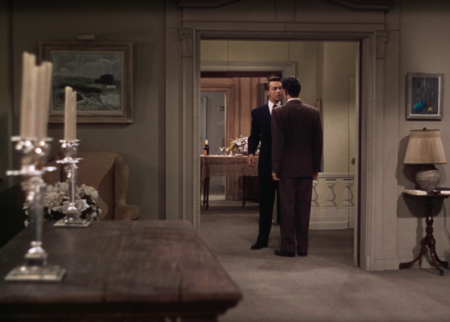
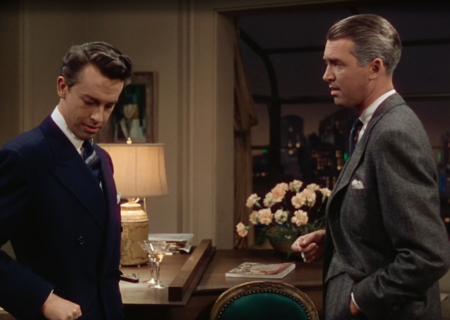
«The Rope, ” dir. Alfred Hitchcock, 1948
«Frame within a Frame» The use of doorways, window frames, and arches as additional boundaries that narrow the space surrounding the character.
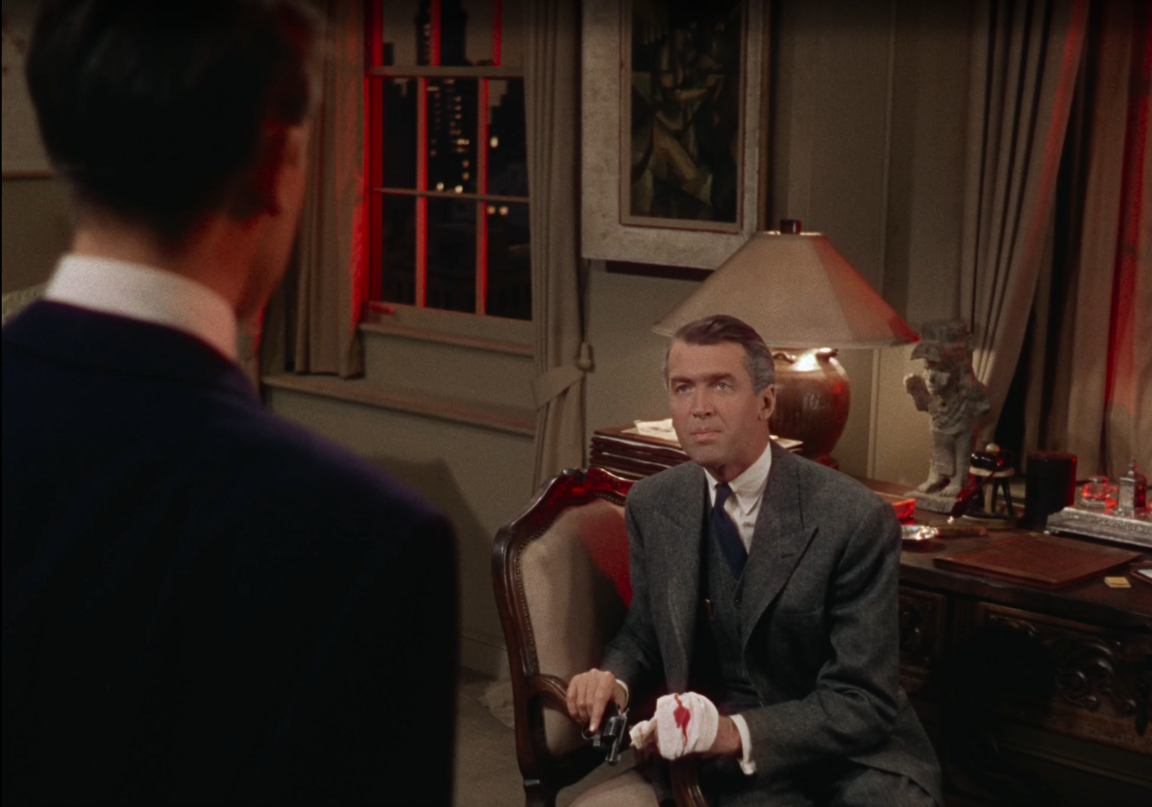
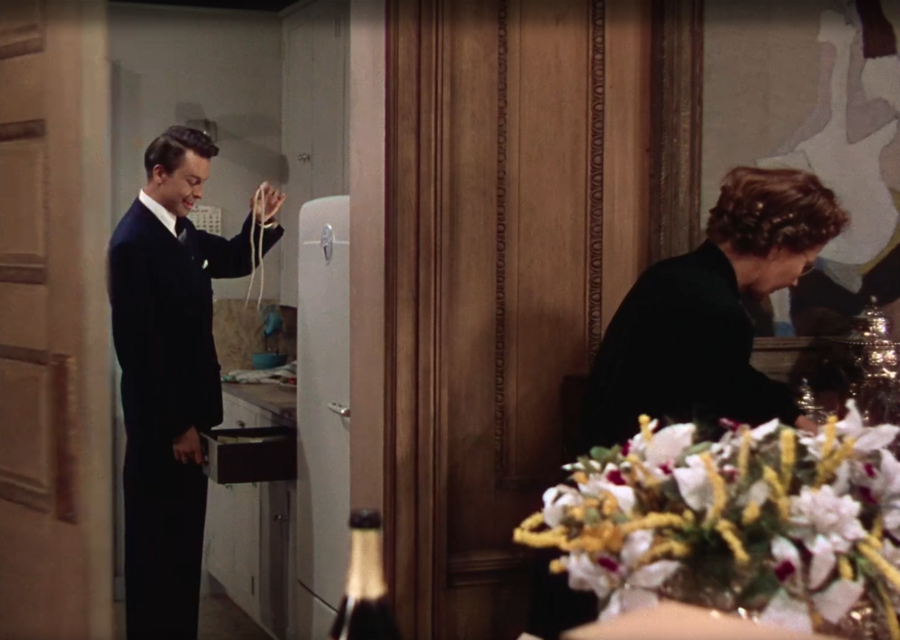
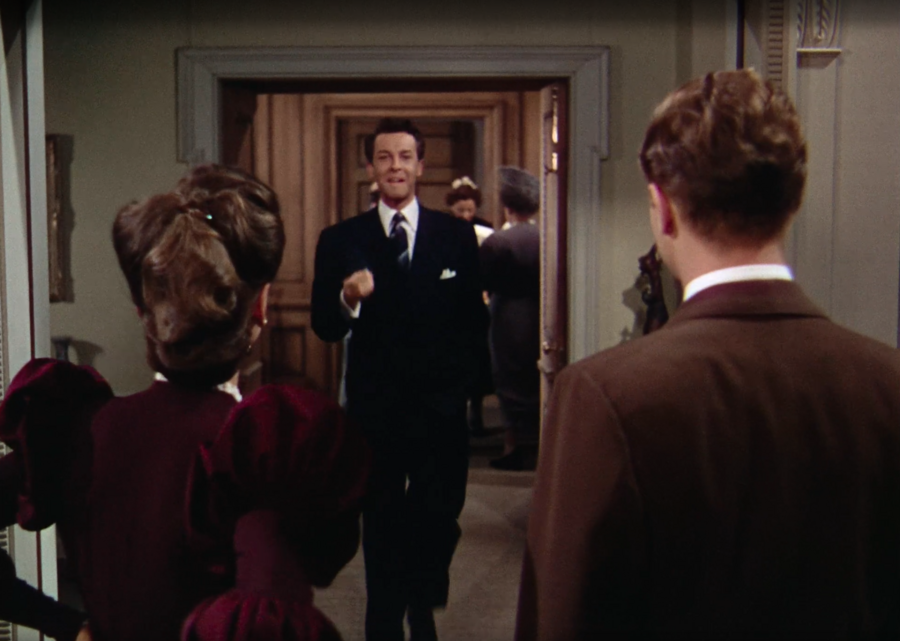
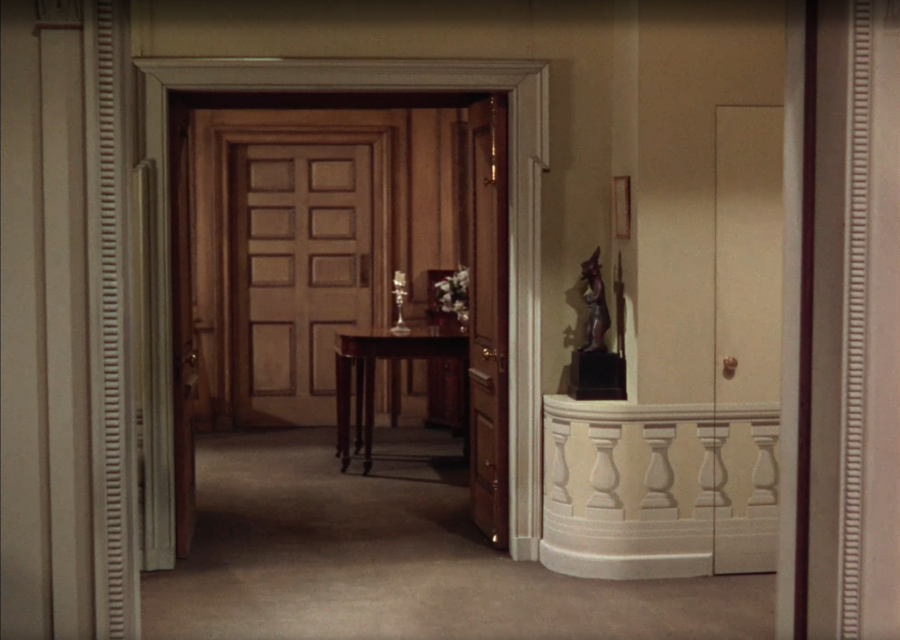
«Rope,» directed by Alfred Hitchcock, 1948
Internal framing, or subframing, serves as the primary tool for visually constricting space. It duplicates the physical boundaries of the screen using set design elements within the frame. In Alfred Hitchcock’s film The Rope, the frame’s boundaries are artificially narrowed by the heavy wooden arches of the penthouse and the massive window mullions. They constantly «crop» the characters from one another, fixing them within narrow vertical segments.
More than half a century later, David Fincher elevates this technique in The Room. He utilizes the capabilities of a digitally movable camera, shooting characters through the steel doorways of a high-tech bunker. The thickness of the concrete and steel walls becomes an additional frame, visually engulfing the human figure. The screen transforms into a concentric trap, where one contour of enclosure overlays another.
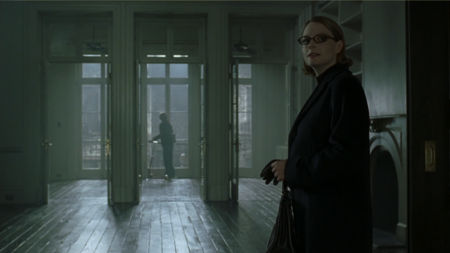
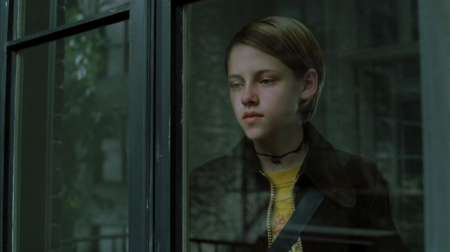
«Panic Room, ” directed by David Fincher, 2002
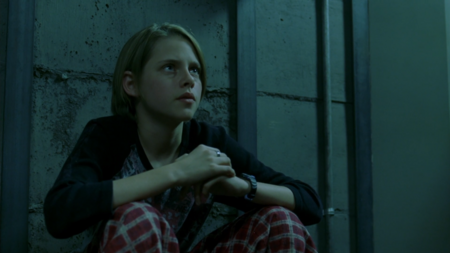
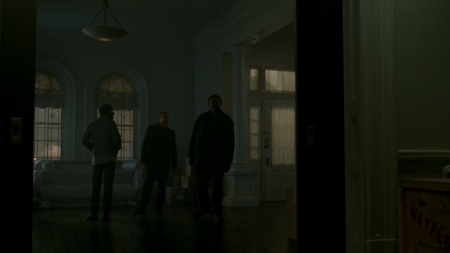
«Panic Room,» directed by David Fincher, 2002
Furniture as a Barrier Analysis of mise-en-scène where tables, chairs, columns, or lattices are placed in the foreground, separating the viewer from the protagonist and creating a sense of visual obstruction.
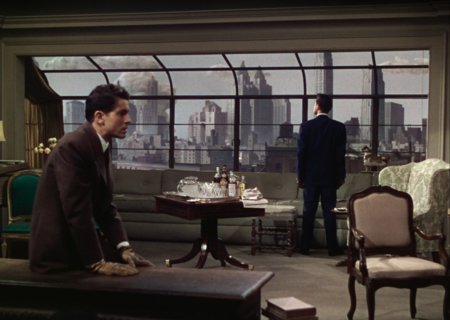
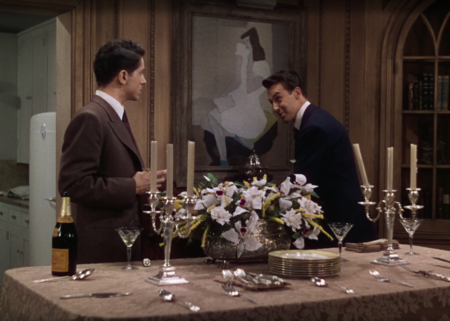
«Rope,» dir. Alfred Hitchcock, 1948
«The Rope, ” directed by Alfred Hitchcock, 1948
Massive objects in the foreground help create a visual barrier between the viewer and the character. This intensifies the feeling of psychological suffocation. In the film The Rope, the chest concealing the body plays a central role. Hitchcock deliberately stages the scene so that the chest always dominates the lower center of the frame. This visually «supports» the characters and restricts the room’s open space. In Quentin Tarantino’s The Hateful Eight, the interior of Minnie’s haberdashery serves a similar function. Hanging hams, massive beams, and the bar counter often appear out of focus in the foreground. This not only creates a sense of clutter but also physically restricts the view, turning the space into a labyrinth within a single wooden structure.
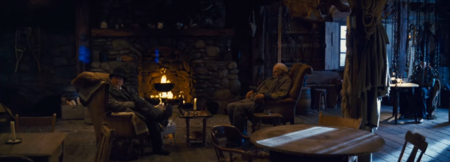
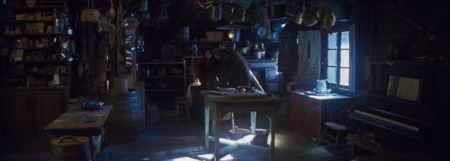
«The Hateful Eight, ” directed by Quentin Tarantino, 2015
«The Hateful Eight, ” directed by Quentin Tarantino, 2015
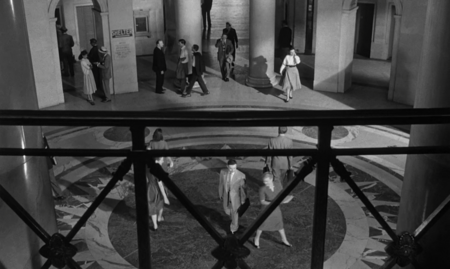
Plane Interruption Using vertical and diagonal lines that visually «cut» the room into tight segments.
«12 Angry Men,» directed by Sidney Lumet, 1957
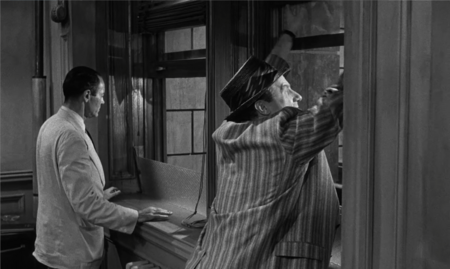
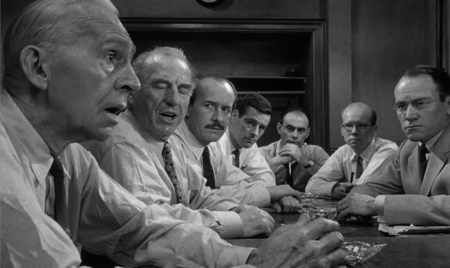
«12 Angry Men, ” directed by Sidney Lumet, 1957
In Sydney Lumet’s film «12 Angry Men,» the linear rhythm is established by massive columns and the jury box, which cut the screen plane into isolated vertical corridors from the film’s opening moments. This technique is further complicated within the deliberation room: the edge of the single window frame divides the frame exactly in half, and the dense, regular rows of actors' profiles create rigid diagonal chains of bodies. These geometric barriers fragment the space into tight, psychologically incompatible cells, emphasizing mental alienation.
In Robert Eggers' black-and-white film «The Lighthouse,» this technique achieves Expressionist expressiveness. Harsh, contrasting shadows cast by the spiral staircase, the bars, and the brickwork fall across the characters' faces, creating a sensation of a prison grid. The space ceases to be unified and breaks down into graphic segments, reflecting the characters' internal disintegration.
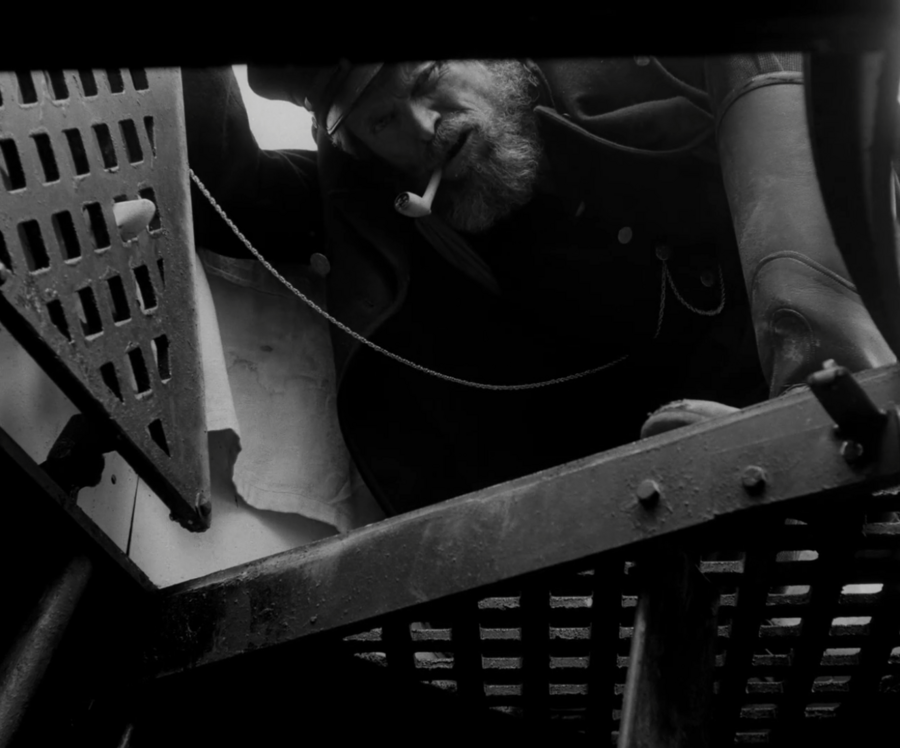
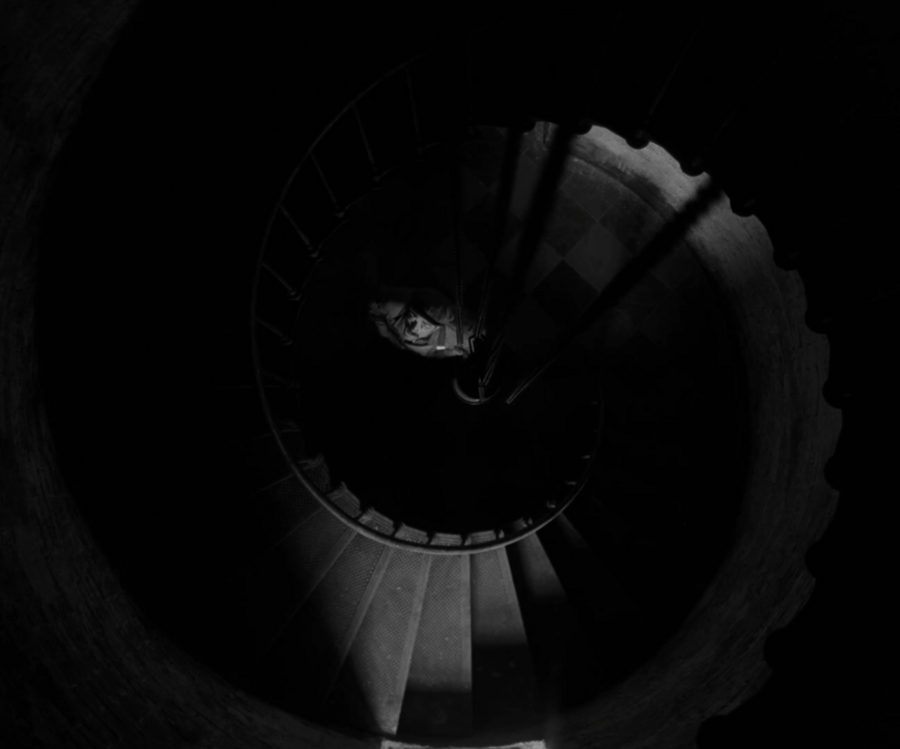
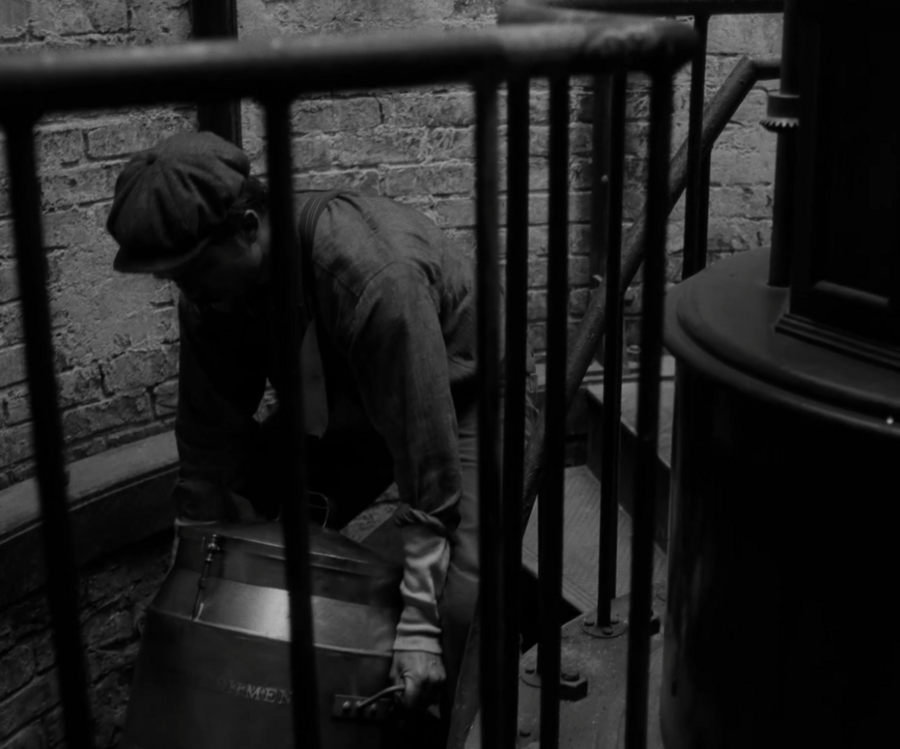
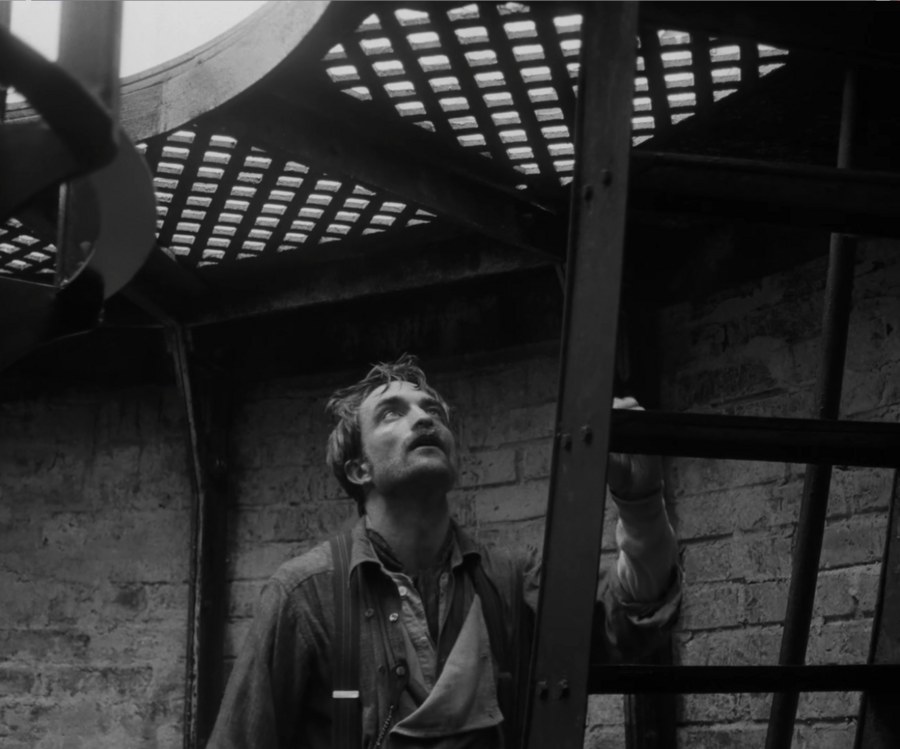
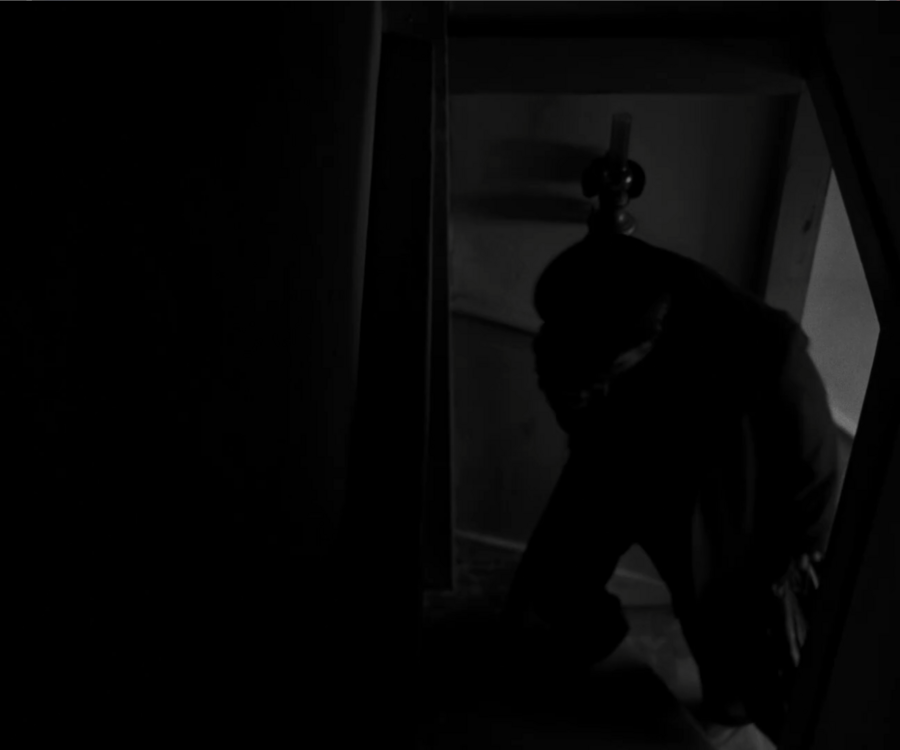
«The Lighthouse,» directed by Robert Eggers, 2019
Thus, the architectural structure of the chamber film is built upon the principle of total visual confinement. Regardless of the historical period, Hollywood writers employ elements of interior design, furniture, and chiaroscuro to fragment the frame. This transforms the horizontal plane of the room into a complex system that strips the protagonist of freedom.
«The Lighthouse,» directed by Robert Eggers, 2019
OPTICAL COMPRESSION: TRANSFORMING SPACE THROUGH FOCAL LENGTH
Telephoto Lenses and the Collapse of Space How long focal length optics destroys air in the frame, «pinching» the background and walls against the characters.
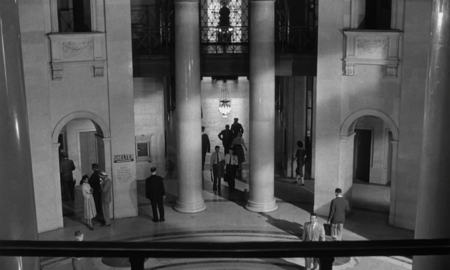
«12 Angry Men, ” dir. Sidney Lumet, 1957