The amazing story behind one of the most recognizable sounds of an entire generation.
This sound—short, warm, slightly cosmic—was heard by millions of people across the globe over several years. Most people never considered that this brief melody had an author. Some believed it was simply «how the computer booted up.» After all, the first thing a computer running the Windows 95 operating system heard upon startup was a melody created by Brian Eno, one of the most significant music producers of the 20th century and a leading pioneer of electronic music experimentation.
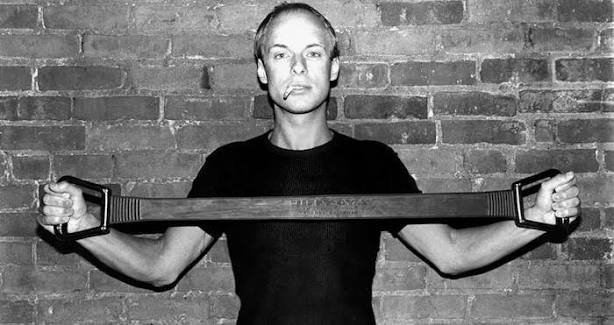
The first half of the 1990s was creatively underwhelming for Ino. Electronic music, armed with its innovative spirit, was sweeping the scene, and one of its pioneers fell into a prolonged creative slump. Long ago, through several of his albums, he laid down the canons of an entire genre—ambient music—and later produced a great deal, including underground Soviet rockers (such as Pyotr Mamonov’s «Zvuki Mu»). But all of that was missing the mark; it wasn’t capturing people’s interest. Then, the company Microsoft made a strange proposition. The brief was roughly this:
«We need music that is inspiring, universal, optimistic, futuristic, sentimental, and emotional… and lasts exactly 3.25 seconds.»
Later, Ino often recalled what he had read and laughed. For someone accustomed to writing plays that lasted 20–60 minutes, this felt like «creating a tiny jewel.»
However, the task still seemed interesting to him. He became engrossed. He created 84 different variations. He immersed himself so deeply in the world of microseconds that even three-minute compositions began to feel like «oceans of time.» Ultimately, his creative block was over. Many years later, an ironic detail resurfaced: he wrote the iconic theme song for «Wind» on a Mac. «I never used a PC in my life, ” Ino said later. „I just don’t like them.“
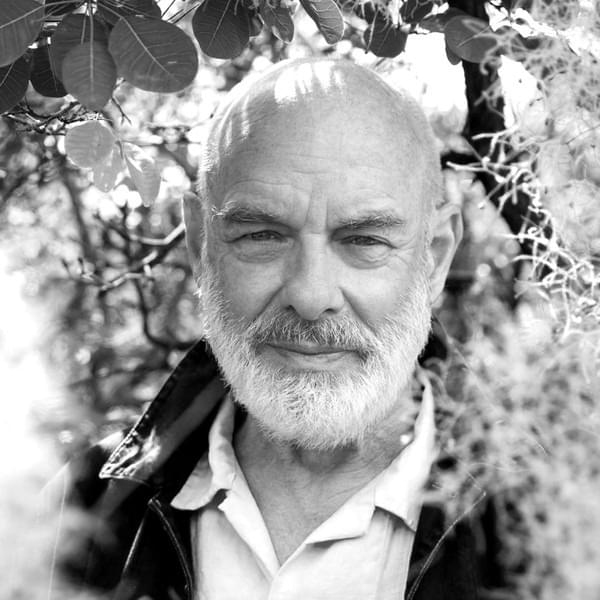
Ever since then, this short sound has played billions of times. And almost no one knows that there is a person behind it—someone who once desperately needed a harsh constraint just to start hearing music again. After many more years, through several Windows updates and startup sounds, a new generation of musical experimentalists found a strange source of inspiration in that sound—for instance, versions of that jingle slowed down a hundredfold, or even a thousandfold, became very popular.