The School of Design is the first issue of the ECU Electronic Scientific Journal on Art and Design / HSE University Journal of Art & Design.
Our magazine is a research project, a platform for interesting discussions on topical art and design issues, and a venue for the presentation of creative design practices. The journal ' s editorial sought to create an original scientific publication that would present a unique material that had long been outside the scope of research and would also address an important range of discussion issues related to the expanded field of humanitarian knowledge. The design school’s collection sets ambitious goals for cultural education, influencing the formation of modern academic discourse.
In the first issue, we sought to build a bridge from the past to the present, to present a panorama of the integrated research field, to use the work of Visual Studies School and the «new history of art», to look at art practices in terms of the current «optic» and panorama vision. The magazine opens a collection of articles on the design of the late 1920s and early 1930s. We wanted to do some embroidery for those who had proposed a experimental concept of art over 100 years ago. Our authors have adopted innovative, sometimes deliberative approaches to analysing the legacy of such landmark figures of Russian designism as El Lyszki, Alexander Rodchenko, Gustav Klutzis, Solomon Telingater. Research has focused on a wide variety of genres and materials: the figure «New», the spatial photomontage, the designer printing industry, the Soviet mass textiles of the 1930s.
«Alexandre Rodchenko, Gustav Clutzis, El Lisitski. Spatial photo editing is the equivalent of modern media, which deals with both the history of photo repair technology and the development of new forms of communication based on current media — film and photography — for the 1920s. Various design objects are analysed, ranging from polygraphy to a new class of „media------------------------------------------------------------------------------------------------------------------------------------------------------------------------------------------------------------------------------------------------------------------------------------------------------------------------------------------------------------------------------------------------------------------------------------------------------------------------------------------------------------ The creation of synthetic forms of art, designed to bring together the various channels of communication — movies, audio broadcasts, photographs and printing — is a feature of the post-revolutionary era and reflects the theory of „mass action“, the new concept of theatrical art, other social reality, where slogans, debates and rallies become a key form of communication. These kinds of art and the innovative approach to creating a visual form of communication are in line with the contemporary objectives of multimedia.
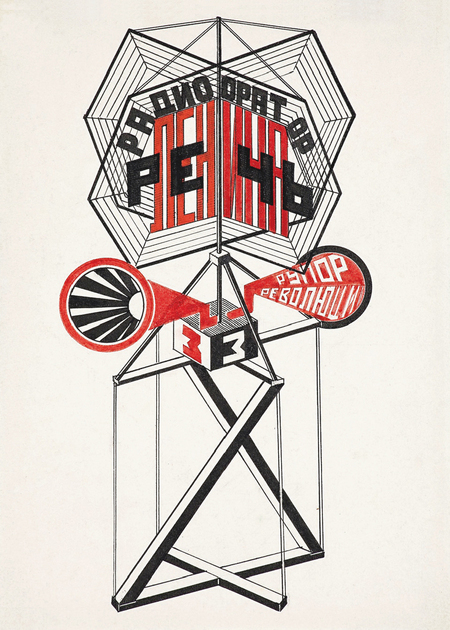
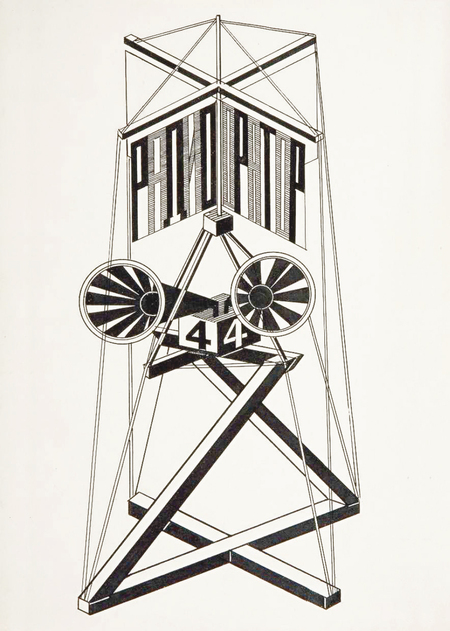
Alexander Rodchenko. The cover of «Genius Survey» of the Miss Mend Detective Series. 1924
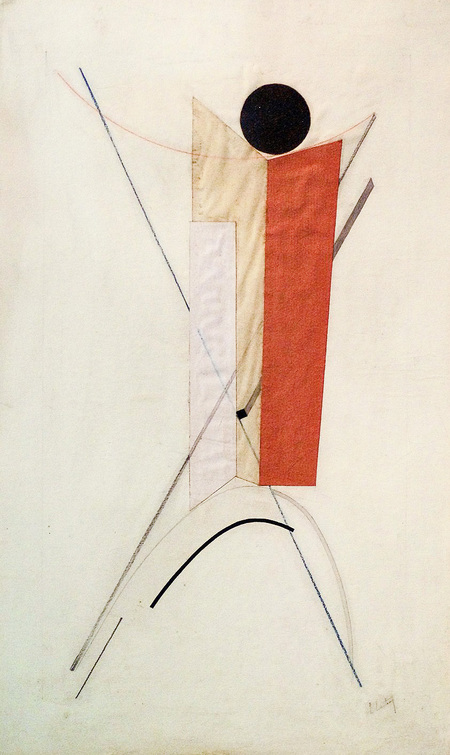
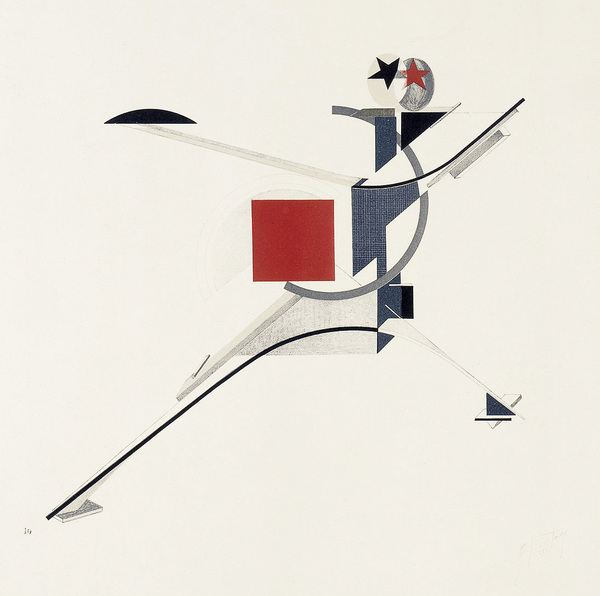
Dmitri Kozlov in his article «The New» by Lazarus of Lysice. Attempted interpretation» is a project of a mechanical doll, the character of a futuristic opera called Victory over the Sun. The author creates an image design, a dynamic, twin of two beings, which clearly corresponds to a complex symbolic scenario. The article attempts to interpret the figure «New» as an image that would be further developed by Lystic in Soviet art. Lisic’s work has attracted the attention of many researchers and has won two important analytical formulas. The first of these was made by Yves-Alen Bois, calling the space of the puncture «radical reversibility». Reverseness is a possibility to change meanings depending on the variation in the perception of shape. This concept is the basis of many works by Lystic. John Bowlt called the Lystic method «manipulation metaphors». The author showed the dependence of the shapes of the misses and their close-knit works on the industrial design of the 1910s, and pointed to the subsequent attention of the Lisic to the technical and constructive industrial drawings.
Sahno Irina’s research focus — the poem by Alexander of the Besameman / Solomon Thelingter «Comsomolia» (1928) — is not only a text forgotten by everyone but also outside the field of scientific interest both in Russia and abroad for almost a century. The author re-thinks the book in the context of modern research optics — as a literary monument of the 1920s and as a historical testimony of the existence of Comsomolians of the Civil Service era in Russia, and as a masterpiece of designism that embodied the experimental printing practice of the Russian vanguard. By rejecting ideological bias, she analyses historical realities and the most important signs of time that have influenced the meaningful context of poetry and led to its romantic paphos. In response to a question as to whether Komsomoliya is a Soviet propaganda comic book, a narration presented in simple pictures and photographs, the researcher denies such an unequivocal imperative and proves a lack of political climate, based on the early biography of Besmensky.
Unnamen A. I. Komsomoliya [Text]: pages of the epipae/preparation of the book Telingater S. B. Moscow; Leningrad: Guiz, 1928. Turn of the book. C. 20 — 21
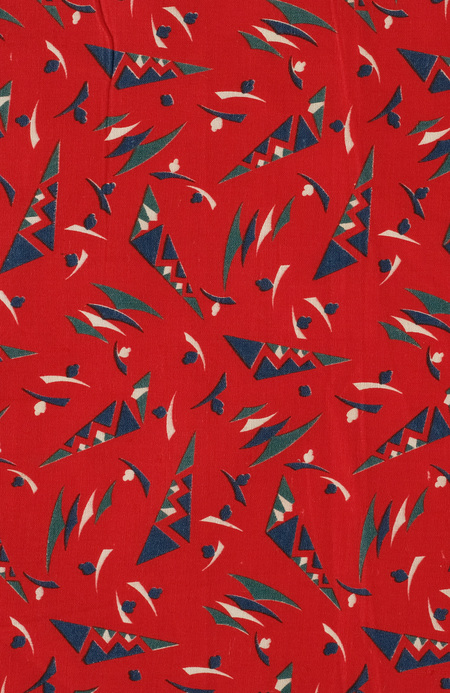
Kseniya Gusev, in an article entitled «Receptions of avant-garde in a Soviet mass textiles of the 1930's», describes how the principles and approaches underlying avant-garde synthetic thinking were applied and re-thinked in the art of mass textiles in the 1930's. The situation of textiles in the first revolutionary years is briefly outlined, as well as the reasons for drawing the attention of both the vanguardists and the authorities to the issue of the systemic education of textile artists. This article deals with how the VHUTEMAS — XWHUTEIN textile faculty has become the site for the formation of a new type of artist who has fully demonstrated himself since the end of the institute in the 1930s. As authors with equally artistic skills, design thinking, and knowledge of technical and chemical factors capable of performing different types of tasks, they were able to demonstrate the win-win effect of the program offered by the teachers of the main school of avant-garde for the textile arts industry.
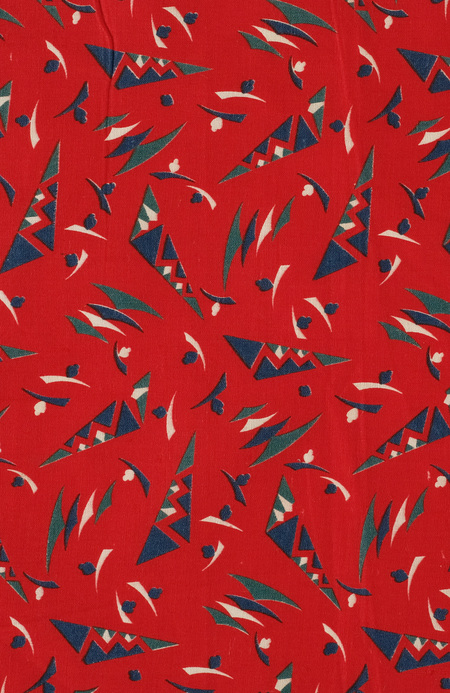
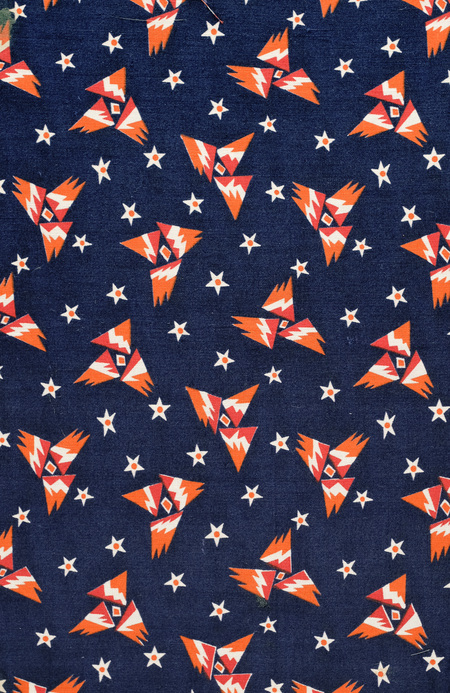
Olga Davivova’s article «East Sides of Modernity: From Japan to Turkestan» focuses on a comprehensive analysis of the perception of «East» by artists in the second half of the 19th and early 20th century in the process of shaping new aesthetic and plastic qualities of the creative paradigm of modernity. To this end, eastern historical and cultural regions have been singled out as distinct as possible in their influence on the interpretation method of artists of the emerging modernist currents. While initially prepared by external socio-political circumstances, interest in certain eastern habitats had internal reasons for artistic purposes. At the international level, the genetics of the poetic aspects of real motives, which began in romanticism, coincided organically with the discovery of Japan’s western civilization of artistic achievements, the attraction of which led to a qualitatively new understanding of the possibilities of visual language in the creative practices of the nineteenth-XX-century frontier. However, in the context of the history of domestic art, the master of Russian modernism, at different stages of his development, had not only pan-European but also spiritual and geographical eastern orientations.
P. V. blacksmiths. By the water body. Bukhara. 1913. Halst, butter.
In an article entitled «The art of Iran of the Kajar era: European influence and „the Persian style“ on exports, „Polina Korotčíkova meditates on the importance of Europe and European art in the development and development of Kadjar art, addressing two opposing processes. The borrowing of Western techniques and technicians, educational models and innovations, on the one hand, and European fashion on Persian things, which affected local production and its transformation, on the other. The first process is best seen in the machine painting and style of „European“ in the interior decorator, and the second in the composition of the updated carpet and ceramic production in Persian. Illustrative material will be selected items from the collection of the State Museum of the East in Moscow, including court portraits, paintings on glass, kalamkars, razors, etc.
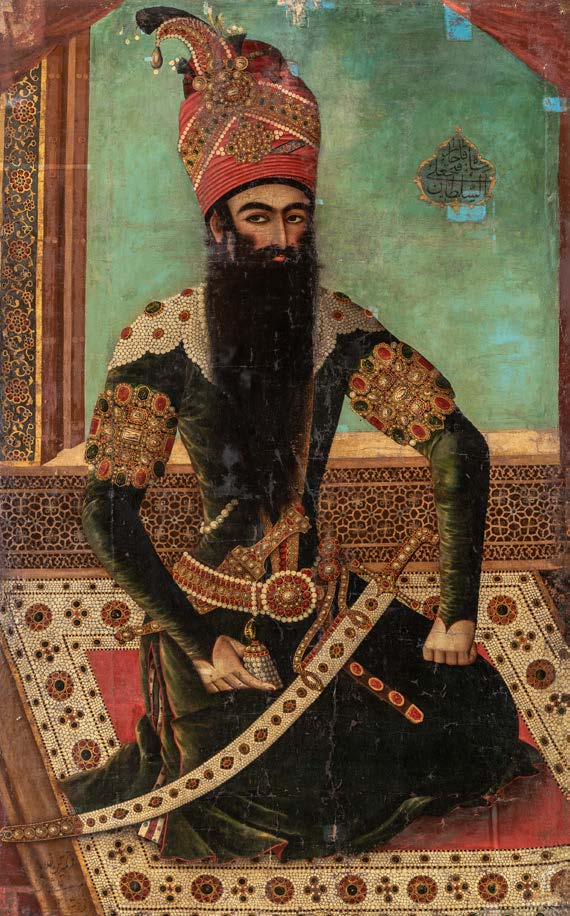
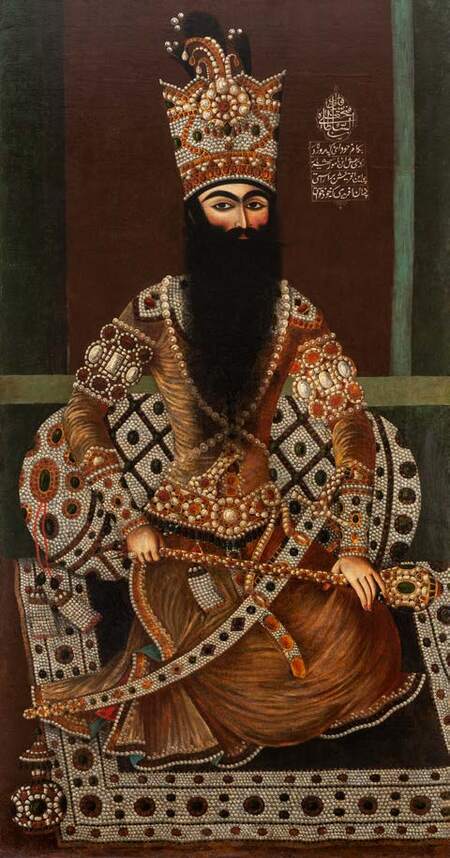
The joys of the great Khan. == sync, corrected by elderman == @elder_man 2810), National Library of France, Paris [1264]
The article by Eugenia Shidlovska «Triumpha» Petrra in the Italian book miniatur Quatrochenkoto: from the triumphal themes of ancient Rome to the Renaissance synthesis examined the evolution of the illustration of the «Triumphs» of Petrka in the art of the 15th century illuminated book, the most common iconographic patterns, as well as the relationship of these illustrations to the machine painting of the Early Renaissance and the legacy of antiquity. Special attention has been paid to the emergence of a qualitatively new type of book space in the art of the book miniatur of the fifteenth century, which brought together the entire text and all the elements of the decor of the page, when the presentation of the book sheet was not based on the principle of decorating parts of the book, but rather on the principle of creating a single painting space based on the new visual model of the picture of Quatrochenko, thereby creating a living synthesis of the antiquity heritage, transformed techniques of the model system of the Middle Ages and Renaissance Artistic Culture.
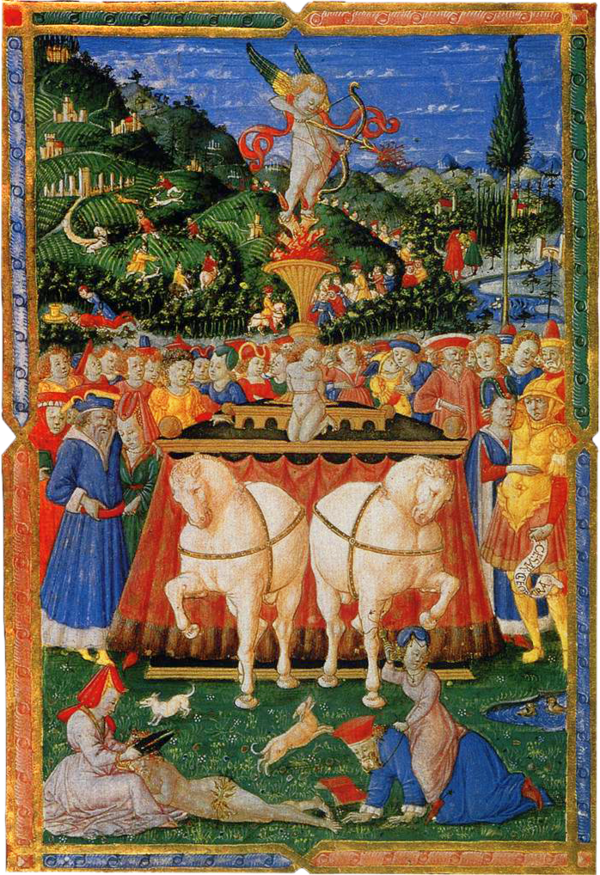
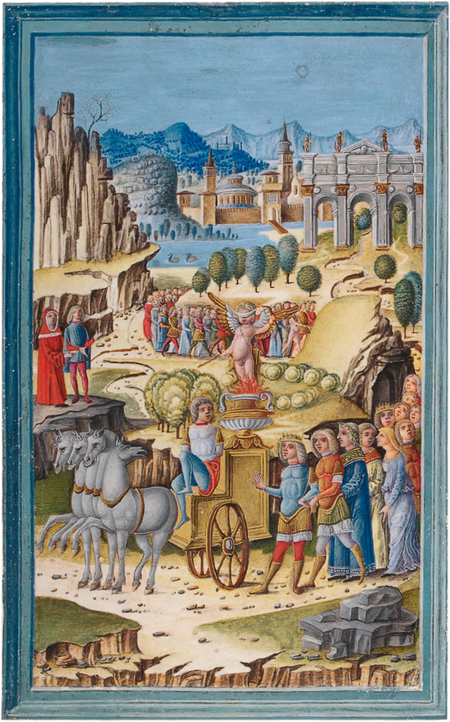
On the left: Francesco d’Antonio del Kjaerico. The triumph of Love. 1456 Right: Unknown North Italian Master. The triumph of Love. End of XV.
Vasily Kistyakovsky, in an article entitled «EC Comics — a publisher that almost defeated America», notes that the work is being carried out by comic books of the American publisher EC Comics in the early 1950s, when it was at the centre of the process of renewal and transformation of the local industry. And the study will target an age- and industry-specific combination of social and political criticism of existing systems, and of narrations based on sufficiently superficial emotional and shock factors. Only by looking at them as a whole will we be able to fully appreciate the defining position and role of the EU Comics in shaping the American comic book system as a whole. Also, the publisher is hardly represented in modern Russian history, although in the United States there have been several important papers about EC Comics in the last two decades, which are used in this article.
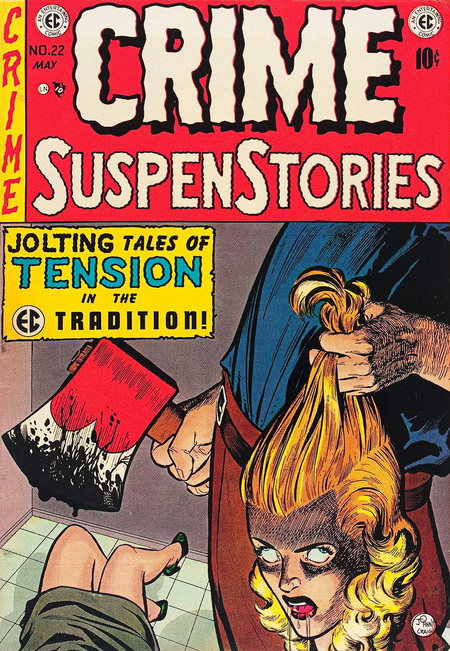
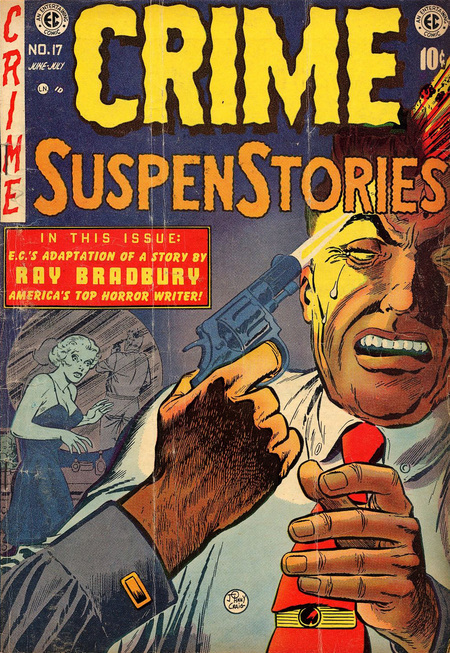
Crime SuspenStores #22 (left) and #17 (right)
The cover of Mad Magazine #48
Julia Lebedev’s article «The Second Dimension. The modern art assembly of cardiohirg Michael Alshibay» devotes an outstanding collector of informal Soviet and modern Russian art, a famous cardiohirgu, head of the coronary surgery department of the A.N. Bakulev Scientific Centre for Cardiovascular Surgery, Professor Mikhail Alshiba and works from his congregation. The details of the biography, the history of the collection, its addition and the unique cases of the acquisition of works, and the discussion of the hero of the article on art, collection and life are given.
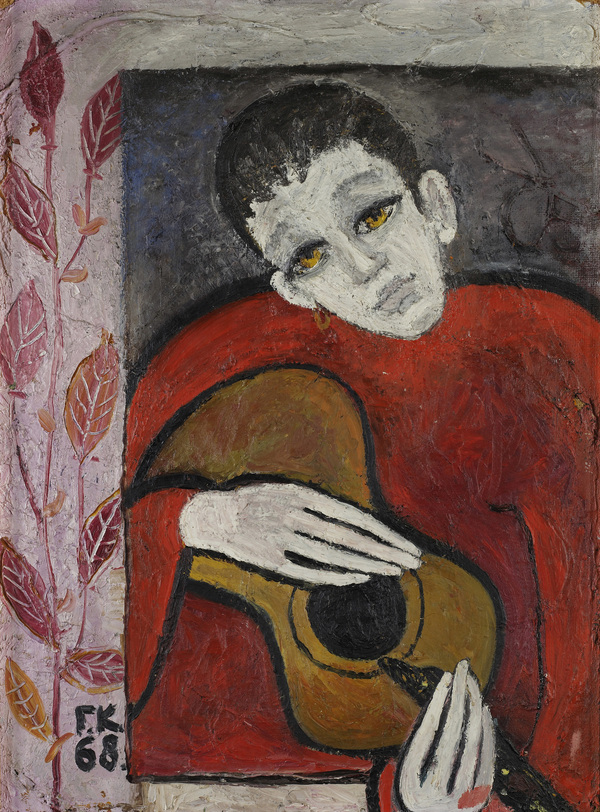
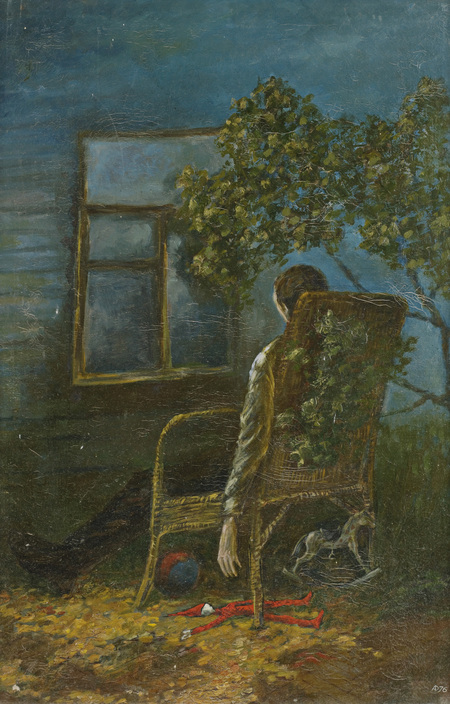
On the left: Guyana Kajjan. The autoportra with the guitar. 1968 Right: Andrei Demokin. Nostalgia to childhood. 1976
An attempt is also being made to analyse the collection of material that entered the 2014 permanent exhibition of the Museum of «Other Arts» at the Russian State Humanitarian University. The works selected for display presented the collection as a single organism, an exhibition that was an experience of looking at the history of the art of art over the past 80 years, using an example of work collected by a private individual and, in many ways, by accident. The comments of the collector, recorded specifically for the article, reveal the secrets of the acquisition of works and «exhumation», as he likes to express, forgotten artists.
Michael Albhai’s apartment. 2011. Photo by Julia Lebedeva
We very much hope that we will be able to maintain a high bar of «not boring» science, present relevant research boundaries of art and design, and contribute to a domestic science school in cultural science, art and design. We wish everyone a fascinating reading and intellectual curiosity. You can see the full version of the magazine by this link.