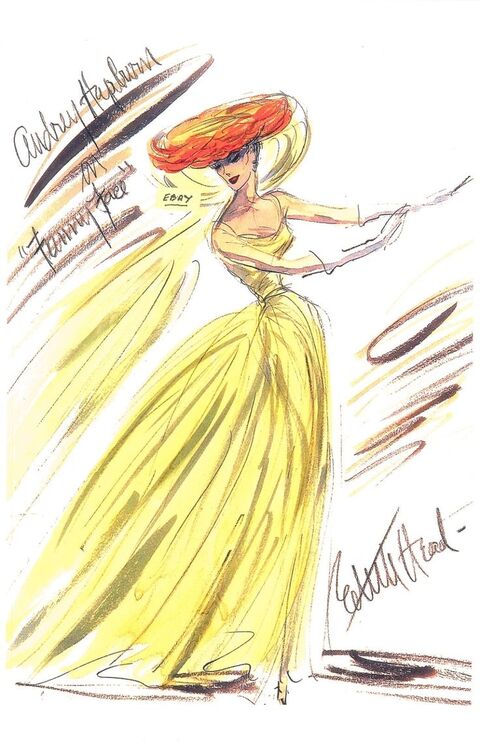
Tatyana Bakina’s film project on the Lectr platform (formerly Storytel). Audio lectures are available by reference.

The course «Creatures in Classical Hollywood Film» consists of six lectures, each covering the main milestones in the development of the costume from its inception in American cinema to the period of extinction of the classic Hollywood system. You’ll learn about how the costume talks about the character and how it became a means of artistic expression, how it became a marketing tool for Hollywood films in the 30s, and how the American film industry interacted with the fashion context to create alternative and expressive fashion on the screen.
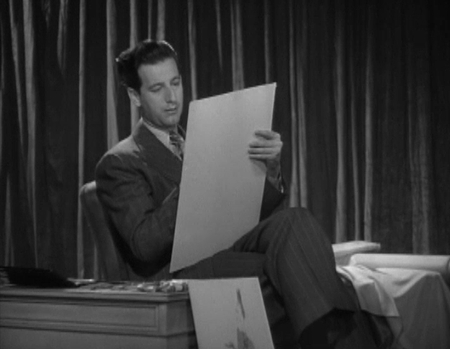
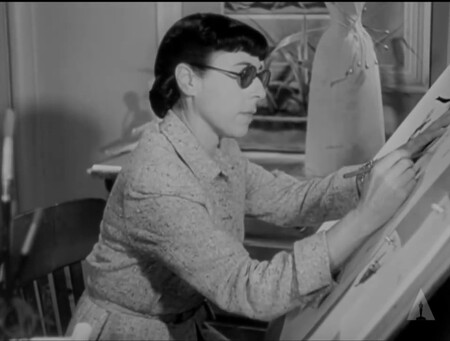
On the left: «Hollywood is the world style center» (Hollywood: Style Center of the World, 1940) on the right: «The Costume Designer» (The Costume Designer, 1950)
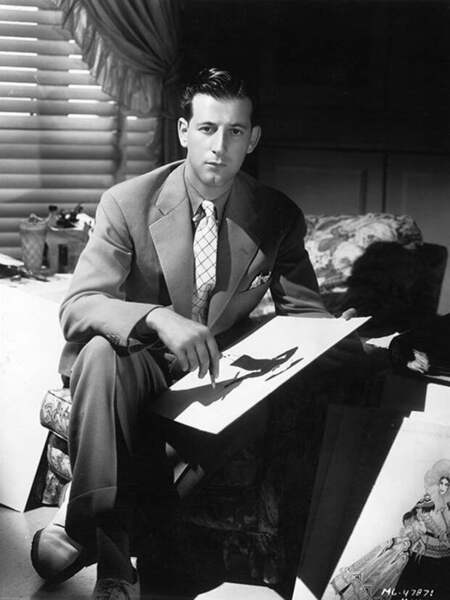
Lecture 1. Between fashion and film: Who made costumes for Hollywood stars? The history of the Hollywood costume dates back to the 1910s, when American film production gradually spreads from the eastern coast of the United States to the west coast of Hollywood. And it’s not just geographical formalism. Hollywood at the time could not boast of a developed infrastructure — especially in the area of the costumes or the shop that manufactures them. Such opportunities were available to filmmakers in New York City and other major cities, where the first American film studios were concentrated at the dawn of the twentieth century.
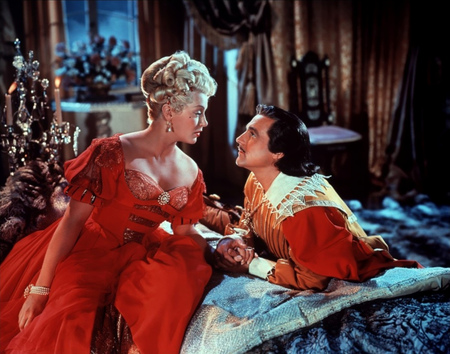
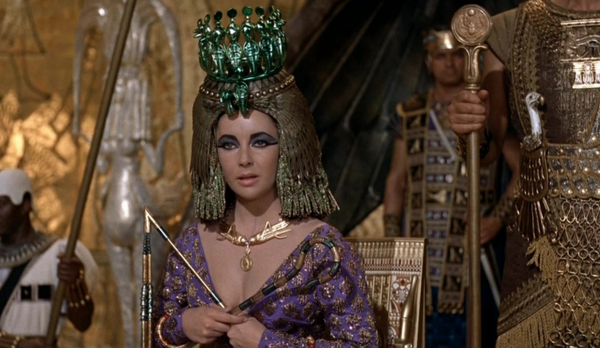
On the left: «The Three Musketeers» on the right: «The Three Musketeers», by George Sidney, 1948: «Cleopatra» (Cleopatra, by Joseph Leo Mankevich, 1963)
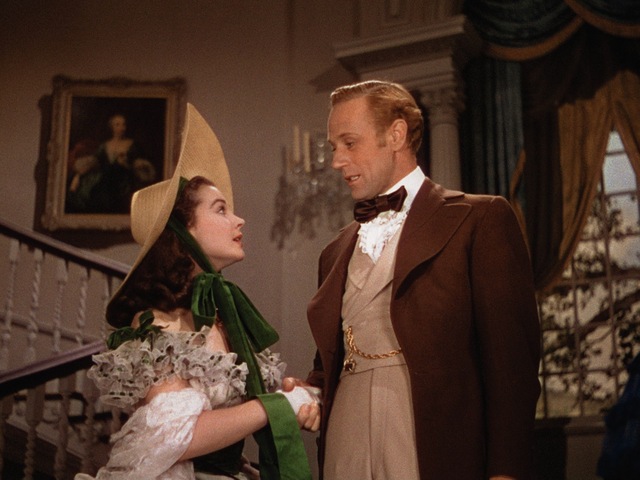
Lecture 2. Back to the future: An interpretation of the costumes of the past in historical films. The production of historical films by Hollywood film studios has hardly been done since their founding. Whether it was a high-budget historical epoch or chamber melodrama, turning to the past and reconstructing it on the screen was as important to Hollywood mythology as the paintings of today. In turn, historical films largely shape the viewers ' perception of an era ' s visual image, because it is on the screen of the story that literally lives in all greatness.
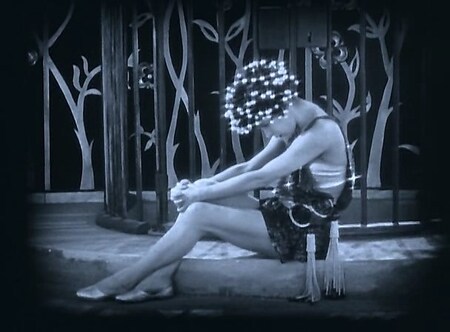
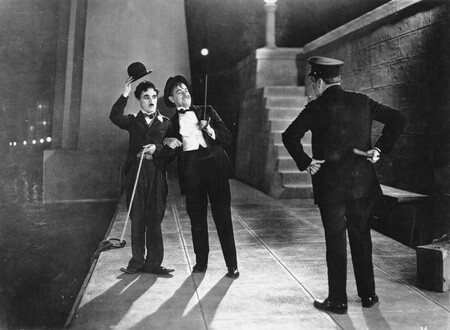
On the left: «Salome, Charles Bryant, 1922» on the right: «City Lights, Charles Chaplin, 1931»
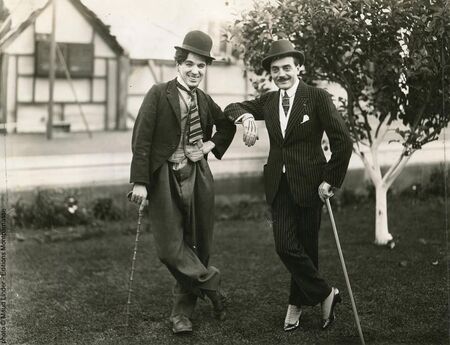
Lecture 3. Heroy is silent, the costume says: the costume functions in the silent American film. The cinema has been silent since its inception — and has remained so for the next 30 years. And over the decades, not only the methods of film production and technical aspects have changed, but also the role of costumes in movies has changed. In the first 15 to 20 years of filming, film characters were almost irrelevant. The situation is changing in the mid-1910s, when, in an effort to attract a respectable audience to the cinemas, filmmakers begin, among other things, to bet on the aesthetic qualities of the clothing in which the actors are filmed. The performers of the roles were no longer nameless faces scrambling in front of the audience — the first stars of the movie were now known by name.
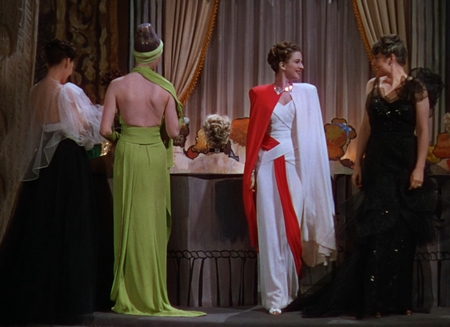
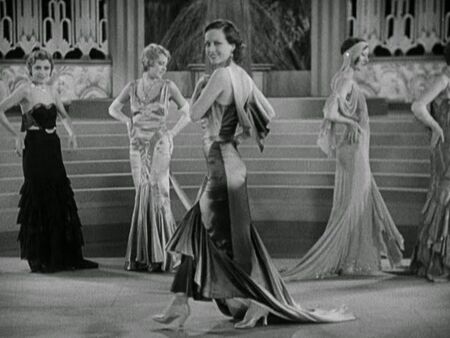
On the left: «The Women,» by George Kucor, 1939, on the right: «Our Blushing Brides,» by Harry Beaumont, 1930
Lecture 4 Hollywood, the world style center: Dreams of Hollywood Fashion in the 1930s. During the 1930s, American filmmakers entered the Golden Age. The sustained business model of the Hollywood studios has successfully overcome all the challenges of this complex era, characterized by economic recession, self-censorship and a difficult period of sound transition. Hollywood costume artists are now becoming stars of American mass fashion. The studios are actively promoting their designers by writing about them in specialized publications and making short documentaries about them. The costumes they created were trying to copy, and the trends they provoked were being translated into reality.
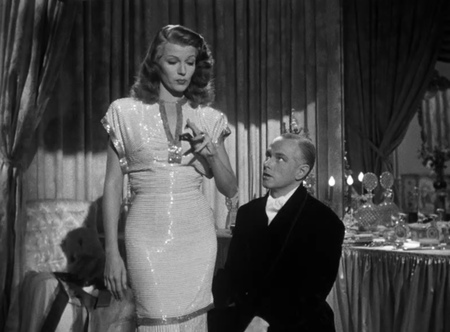
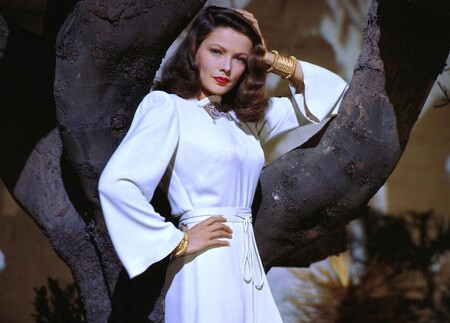
On the left: Film from Gilda (Gilda, cut Charles Widor, 1946) On the right: «Leave Her to Heaven, cut by John M. Steel, 1945)
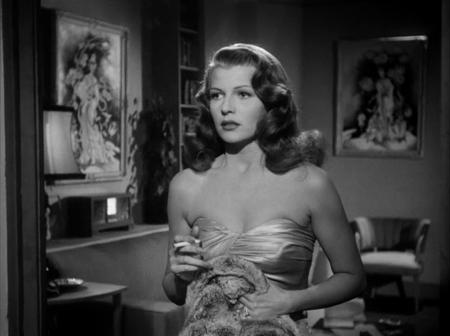
Lecture 5. Murderly dressed: the image of a fatal woman in the film Noir. The Golden Age of Hollywood Film continued in the 1940s — but much has changed in this decade. The costume design is coming to an end, with the American government imposing standards on the consumption of fabrics and other materials during the war years. Most natural tissues, and especially the much-loved Hollywood silk artists, have now gone into military service. Finally, there was a serious shortage of staff at the studios in the costume workshops.
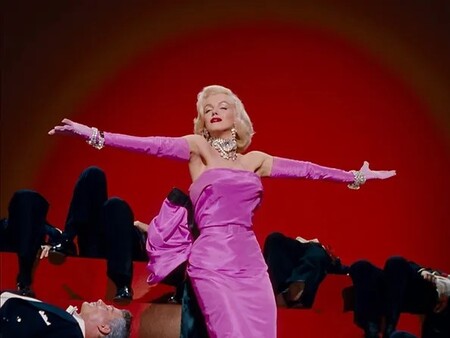
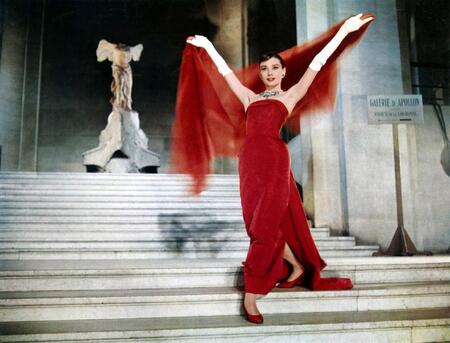
On the left: «Gentlemen prefer blondes» (Gentlemen Prefer Blondes, directed by Howard Hawkes, 1953) On the right: «Funny Face» (Funny Face, Stanley Donen, 1957)
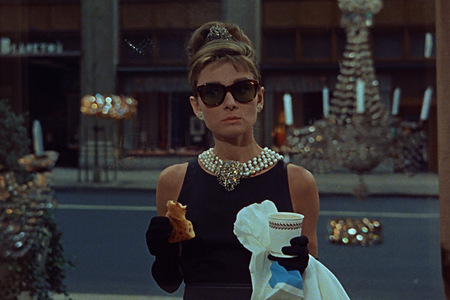
Lecture 6. Between the old and the new Hollywood: costumes in American films of the 1950s. The flying skirt of Marilyn Monroe’s plissed dress, the refined Couture Suits of Audrey Hepburn, Elizabeth Taylor’s women’s dresses with open shoulders — a new Hollywood fashion in the 1950s. On the one hand, it was motivated by the French new onion, and on the other hand by the Hollywood film industry’s desire to create spectacular films. These could be historical epics with thousands of masses and fantasies of artists on the subject of costumes of the past, and there could be romantic comedies about modern-day girls dreaming of a safe life. Combines their production scope and emphasis on visual performance.