Concept
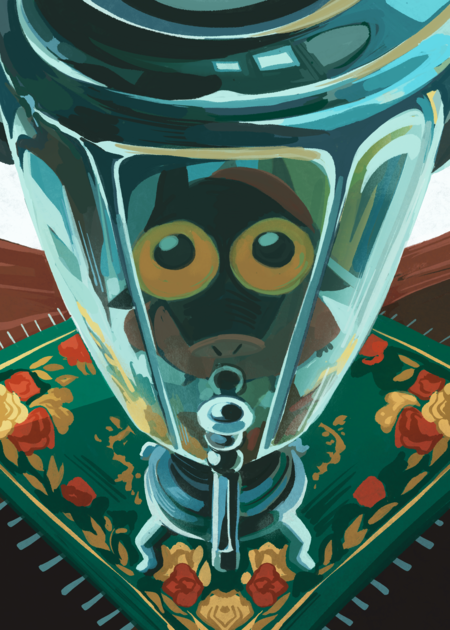
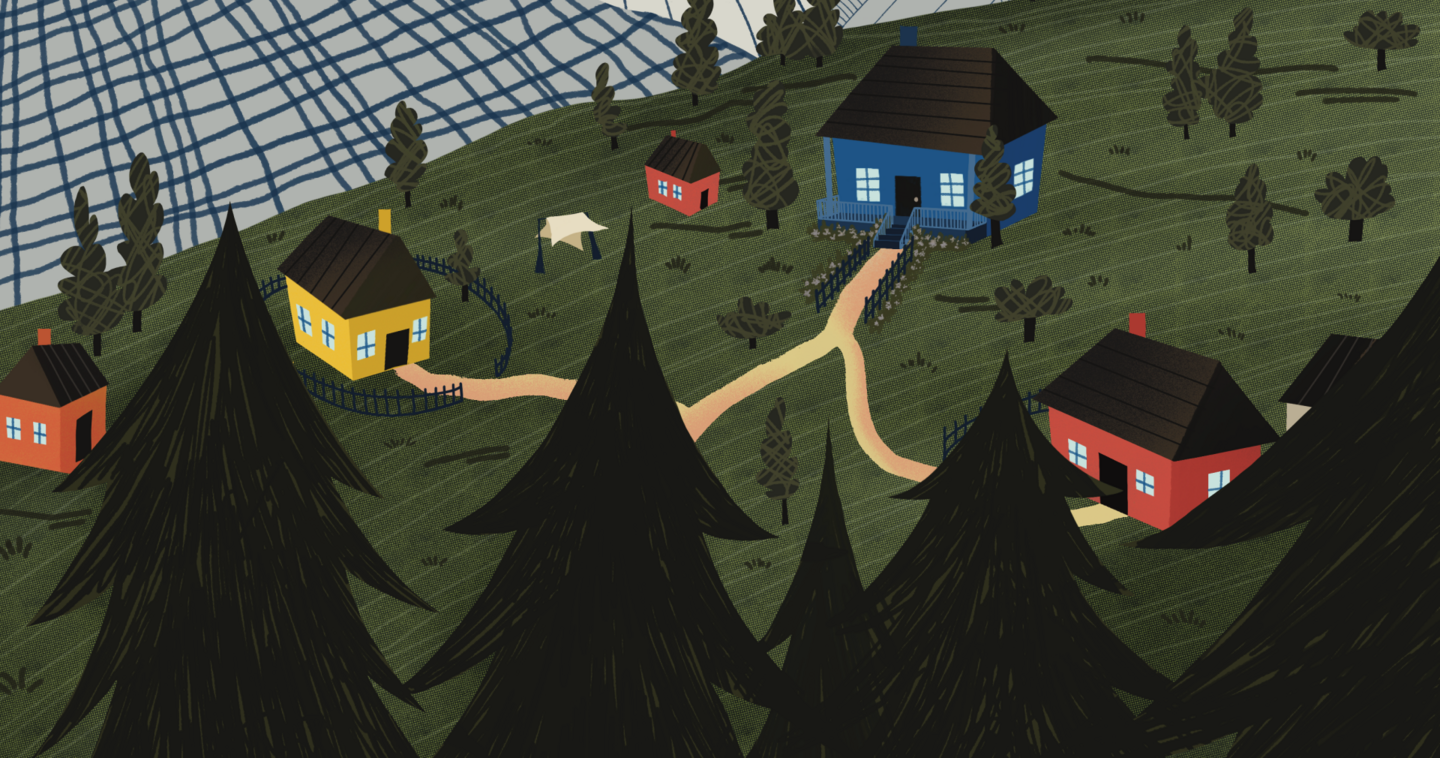
An illustrated book about a girl who tries to understand herself through the search and analysis of her people’s traditions, customs, mentality, values, and history—through conversations with elders, her peers, and so on.
Problem and Relevance
Many young people who grow up between two cultures face this problem: at home, one language and one set of rules prevail, but outside, everything is different. At some point, the question arises: who am I, and which of my people’s traditions truly belong to me? This book invites the reader to find an answer to this question through the protagonist’s lively conversations with elders, peers, and loved ones. The book helps fill a niche by showing culture from the inside—through a girl’s eyes, rather than from an encyclopedia.
Target Audience
The primary target audience is teens aged 12–16 who are interested in their culture and are beginning to ask questions: Who am I? What do I represent? What role do my people’s traditions play in my life? This is the age when a person compares themselves to others most acutely and seeks support from family and peers.
— People who are growing up or living between cultures: in a big city, far from their hometowns, or in blended families
— They grapple with the question of «who am I?»
— Those who have gone through this search themselves and wish to reconnect with their roots or explain them to their children
— Family, teachers, culture and language instructors, and diaspora curators
— Libraries, schools, and cultural centers
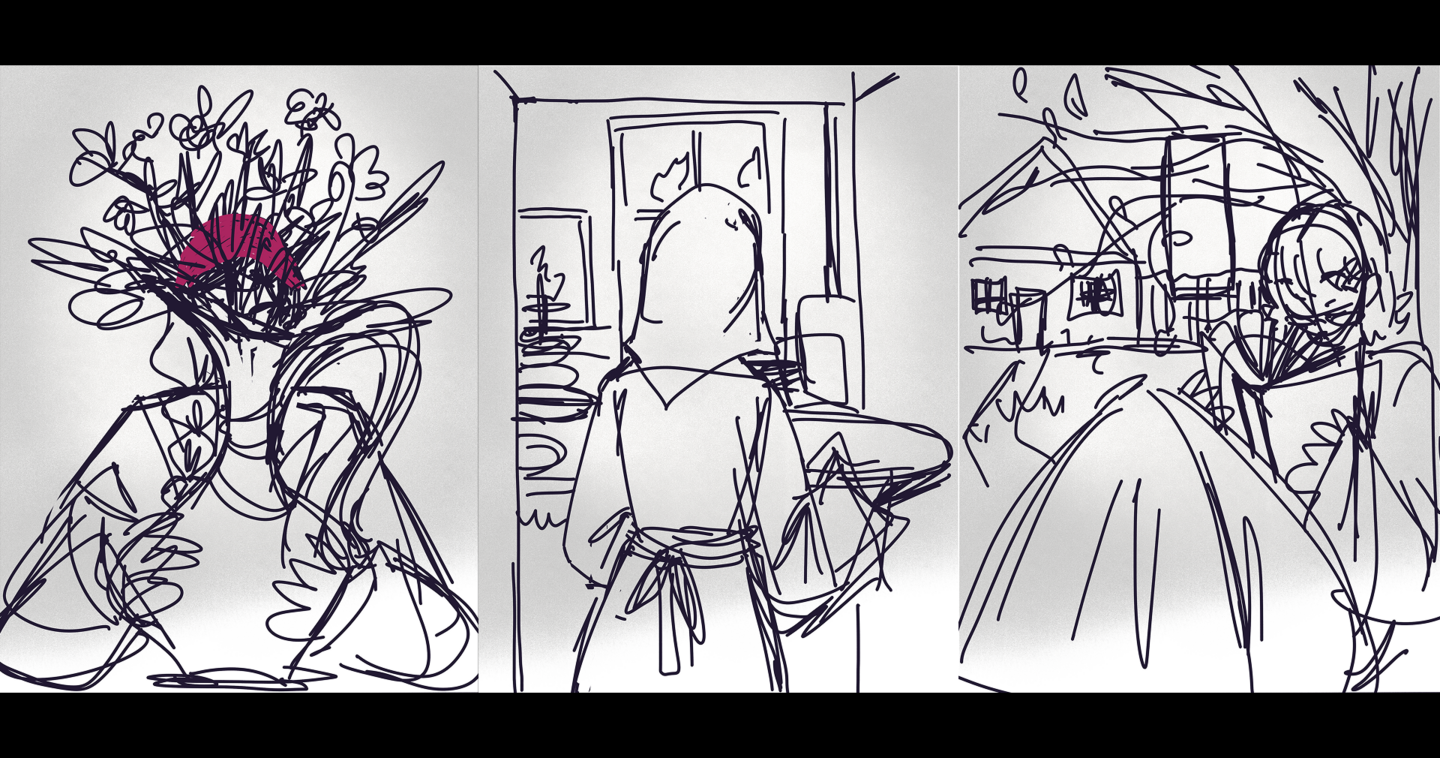
Product: Book Architecture and Grid
Genre: Illustrated book for young adults
Tagline: A girl searching for herself in the voices of her people
Page Count: 48 plates±
Format: 460 × 310 mm, horizontal
Binding: Hardcover
Paper: Matte
Characters, settings, and pipeline
Characters: A girl around 12 years old, her siblings, parents, grandparents, and so on.
Locations: city, villages, streets, nature
Positioning and Distribution
«Mirror, mirror, tell me the truth» — an illustrated book for teens aged 12–16 about a girl who seeks her roots through conversations with elders and peers. Unlike reference guides on traditions or academic texts on culture, it showcases heritage from within—not through rules, but through the living dialogue between generations. Through the imagery of the mirror, the book helps the reader see that the search for self is composed of many reflections: family, friends, the history of their people, and their own choices.
Project Status and Team
The project is under development