Запуск героя: продвижение и стоп-моушн анимация
Стоп-моушн-сериал для социальных сетей. Курс 1
Developing an animated character, creating initial stop-motion videos, and mastering ways to present the character to a social media audience.
What is this course about?
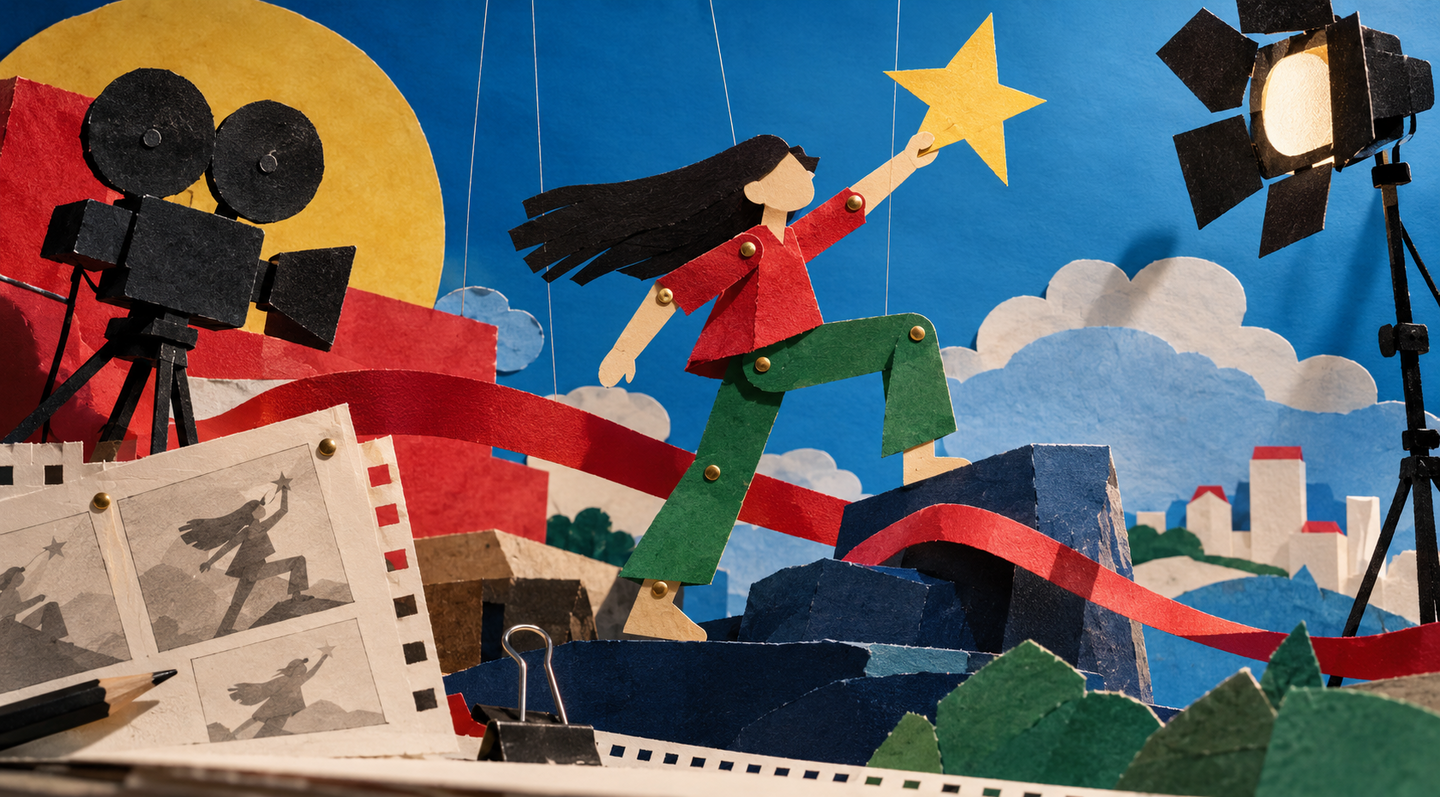
Stop-motion is an animation technique where movement is created through frame-by-frame filming of physical objects. Paper, clay, and everyday items become the material for characters capable of acting, expressing emotions, and telling stories. A distinct feature of this technique is the preservation of visible materiality—texture, evidence of manual craftsmanship, and construction details contribute to the creation of the character’s image.In social media, an animated character can become the foundation of an independent creative project. Its recognizability stems from its appearance, character, manner of movement, and recurring situations. Short videos gradually introduce the viewer to the character and their world, and the presentation and sequence of posts help unify individual works. Promoting such a project begins with defining the audience and finding an expressive way to present the character to them.
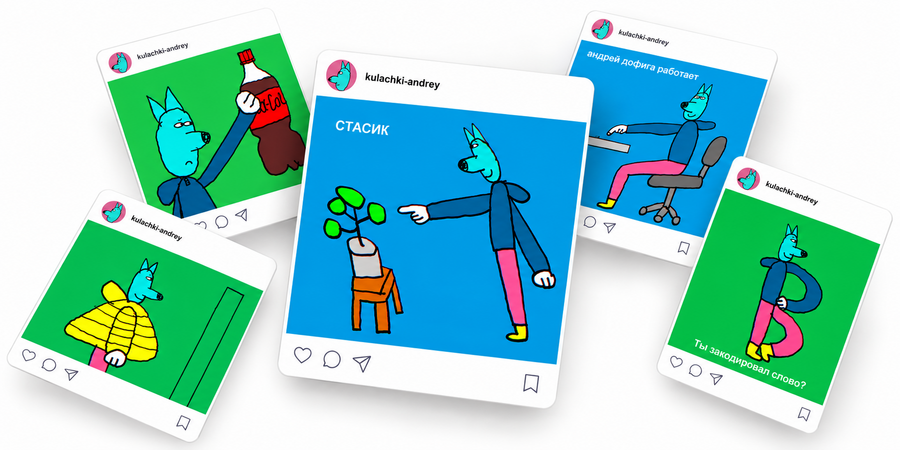
Синий пёс Андрей. Аниматор: Леонид Шмельков. 2026
As part of the course, students will explore the possibilities of object, clay, and paper cutout animation. They will develop the character and visual design of a protagonist, create a model, and master the fundamentals of stop-motion filming. Through practical exercises, they will investigate how movement, gesture, and pause convey a character’s mood and individuality. Concurrently, they will define the project’s target audience, create a title and visual identity, and prepare concepts for initial publications. Rehearsals and critiques will allow them to compare their original creative vision with the audience’s perception.
The outcome of the work will be a complete starter kit for an original animation project: the character, short filming studies, a video business card, visual branding, and a plan for the first episodes. The project is developed individually, with opportunities for peer support during filming, and will serve as the foundation for developing a mini-series.
The Tiny Chef Show, Rachel Larsen, Özlem Aktürk, and Adam Reed
Who is this course for?
This course is for:
Students aged 12–15 interested in creating short videos, developing characters, and producing their own series or skits. This course is perfect for anyone wanting to try stop-motion filming on a smartphone and learn how to present their creative work.| Course Duration: 8 weeks.
| Contact Hours: 64 academic hours.
| Classes are held online.
Course Prerequisites
Prior knowledge of animation, professional drawing skills, and social media experience are not required.
The student must be able to:
◆ use a smartphone camera; ◆ open, save, and locate files
To complete the course, you will need a smartphone or tablet with a frame-by-frame capture application, a stable mount, a constant light source, a device with a basic video editor, paper, cardboard, plasticine, and character-making tools.
What will students learn in this course?
Throughout the course, students will learn to:
1. Define the project’s audience and articulate its core idea while considering viewer interests.2. Develop the character’s personality, behavioral traits, and the rules of their world.3. Create the character using a chosen technique, prioritizing expressiveness and ease of animation.4. Organize the shooting location and maintain stability for the camera, lighting, and settings during filming.5. Create frame-by-frame movement by controlling the speed of object translation and the duration of pauses.6. Convey the character’s personality and emotional response through poses, gestures, and interaction with the environment.7. Develop a script and storyboard for a short video featuring a clear beginning, action, and conclusion.8. Shoot and edit a short character video resume, coordinating visuals, sound, and text.9. Present an original project and justify potential directions for its future development.What practical assignments will students complete in the course?
Throughout this course, students will complete the following assignments:
1. One-sheet concept presentation: who it is for, what it is about, and what might engage the audience.2. Character and world schematic: traits, desires, environment, and recurring situations.3. Physical character design project, including necessary articulated or interchangeable parts.4. Practical shooting exercise: setting up a workstation and a test shot sequence.5. Animation exercise: «Hero’s First Appearance.»6. Animation exercise focused on conveying the hero’s emotions.7. Video business card script project: a brief script and a 4–6 frame storyboard.8. Animation project: «Hero’s Video Business Card, ” lasting 10–15 seconds.9. Final project presentation, including a video demonstration and a plan for future installments.Thematic Lesson Plan
01. The Hero in a Short Video
Features of short animation formats. Introducing the viewer to a character through appearance, action, and situation. Differences between a continuous series and a collection of standalone sketches. The role of the opening shot and the conclusion.Format: lecture with example viewing, seminar discussion, workshop.
Assessment: comparative study of two short videos.
02. Project Idea and Its Audience
The interests of the intended viewers. Selecting the project’s theme, mood, and format. Formulating the reasons why the character and their future appearances might interest the audience.
Format: lecture, idea-finding workshop.
Assessment: single-sheet project concept presentation.
03. Character Traits and the Structure of Their World
The character’s desires, habits, contradictions, and characteristic reactions. The world’s environment, objects, and rules. Finding recurring situations that can form the basis of several episodes.
Format: lecture, scriptwriting workshop.
Assessment: character and world diagram.
04. Material and Construction of the Character
The potential of object, clay, and paper cutout animation. Expressiveness of silhouette and color, structural stability, moving parts, and interchangeable details. Creation and testing of the character.
Format: technique demonstration, individual consultations.
Assessment: physical character prototype.
05. Filming Frame by Frame
Camera, rigging, lighting, and background. Focus, exposure, and consistency of shooting conditions. Basic operation in stop-motion software, viewing the previous frame, and saving material. Composition of a vertical frame.
Composition: Practical exercise.
Assessment Element: Practical exercise on setting up a shoot.
06. The Hero’s First Movement
The relationship between movement between frames and speed. Uniform motion, acceleration, deceleration, and pause. The hero’s entrance into the frame, stopping, and simple action. Reviewing and correcting test shots.
Composition: Lecture, workshops.
Assessment Element: Animation exercise: «The Hero’s First Appearance.»
07. Character Through Action
Key poses, preparation for action, gesture, and reaction. Interaction with objects and obstacles. Conveying emotion without explanatory text. Expressive pause and comedic moment.
Composition: Workshop.
Assessment Element: Animation exercise: «The Hero Meets an Obstacle.»
08. Short Introduction Script
Selecting a situation that reveals the hero. Beginning, action, and conclusion of a short clip. Economy of events and details. Creating a script and storyboard based on the experience of the first shoots.
Composition: Lecture, workshop, consultation.
Assessment Element: Video introduction script project.
09. Hero Character and Project Positioning
Target audience interests—the themes, situations, and emotions that resonate with them. Analyzing similar projects and identifying the unique characteristics of your own protagonist. Formulating the core idea: who is the project for, and why is the character compelling to watch?
Format: Lecture and research workshop.
Assessment: Research of two comparable projects and a brief positioning diagram for your hero.
10. Character Recognition and Image in Social Media
Name, distinct physical traits, mannerisms, habits, and recurring details. Alignment of the character’s persona with the target audience. Consistency of the character’s behavior across video, text, and visual design.
Format: Case study review and practical workshop.
Assessment: One-page presentation of the character’s image.
11. Filming and Editing a Video Introduction
Preparing props, frame-by-frame shooting according to the storyboard. Material selection, assembly, pacing and pause adjustment. Adding sound effects and necessary text overlays, checking mobile readability, and exporting.
Format: Filming and editing workshops, individual consultations.
Assessment: Animated project: «Character Video Introduction.»
12.Pilot Screening and Refinement
Assessing audience reception of the character: what they understood, what they remembered, and what kind of continuation they expect. Comparing the initial concept with the feedback. Selecting and implementing specific changes.
Components: Project discussion.
Assessment Item: Video or design refinement exercise.
13.Project Presentation and Series Development
Showing the first videos and introducing the character. Justifying the chosen creative decisions. Outlining the plan for subsequent episodes and defining what ties them together as a series or a collection of sketches.
Components: Final screening, participant presentations.
Assessment Item: Final project presentation
Final Project
Starter kit for a stop-motion series or sketch collection, including:
a physical character; the hero’s concept, their world, and target audience; two animated vignettes lasting 3–5 seconds each; a finished video introduction lasting 10–15 seconds; the project title and basic design; a plan for the first three releases, including the video introduction, along with brief concepts for subsequent episodes.
Technologies and Learning Environment
Instruction takes place in an in-person studio featuring areas for character design, frame-by-frame filming, editing, and general screenings. The core approach is project-based learning: exercises progressively build the components of a single project. Brief lectures and demonstrations alternate with practical application.
The following methods are employed: → Lectures and case studies — to introduce animation techniques and character presentation; → Workshops — for developing the character, script, and overall design; → Filming lab assignments — to test movement, lighting, and character structure; → Individual consultations — to resolve artistic and technical challenges; → Mid-project screenings and refinements — to develop the project based on feedback; → Final presentation — to discuss outcomes and future directions.