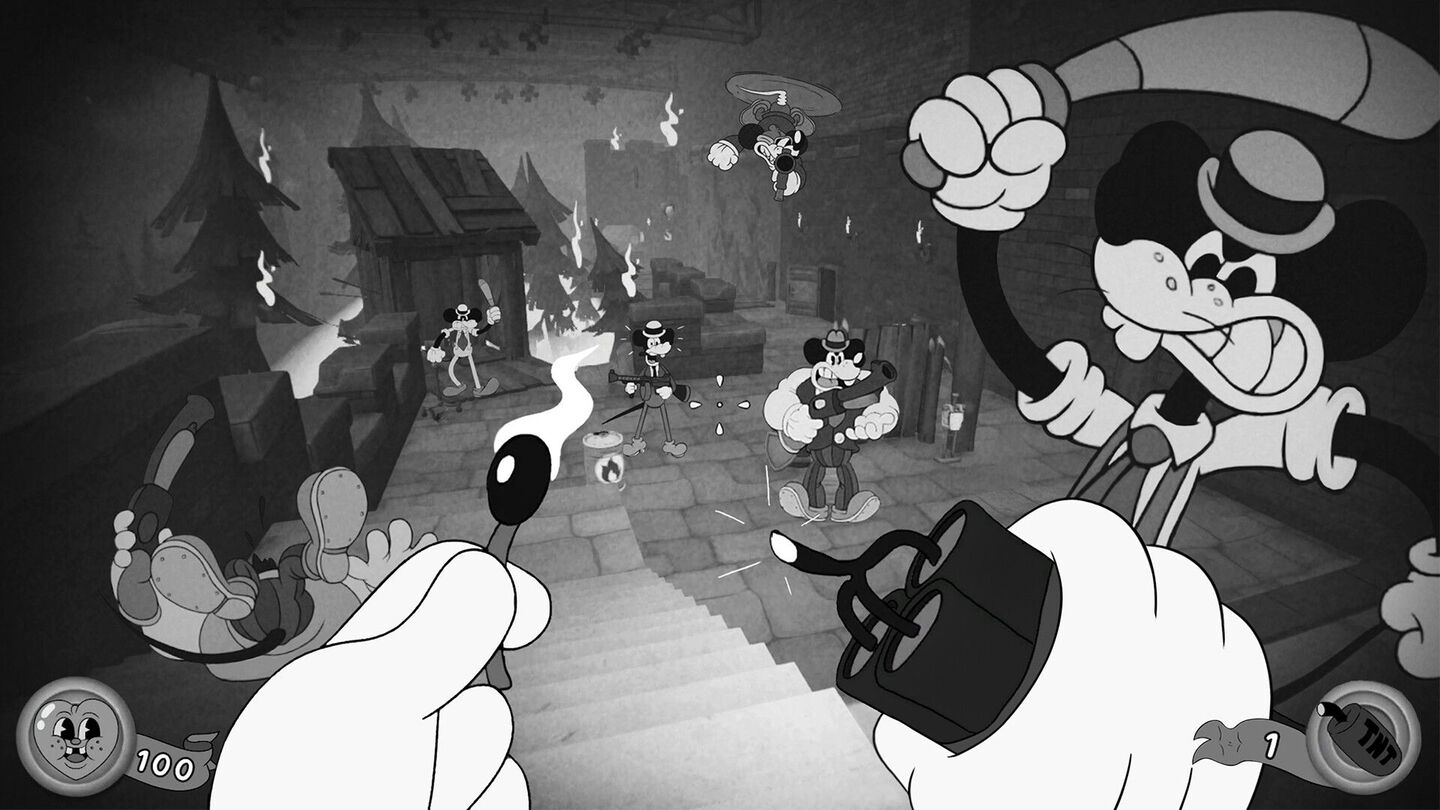
Реализация игрового персонажа жанра шутер в Unreal Engine 5
A Practical Guide to Character Integration in a Game Engine: Material Transfer and Creating a Controllable Avatar for a Shooter Game.
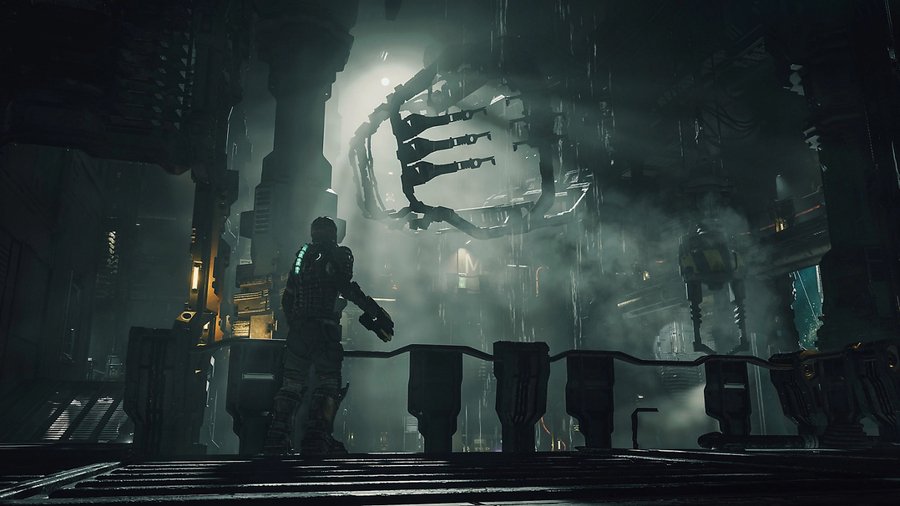
Dead Space, Motive Studio, 2023
What will this course cover?
In a shooter game, the player character is more than just a model holding a weapon. Our avatar is the primary tool through which the player confronts the hostile game world. The rhythm and tension of combat depend on the character’s settings—its movement, jump height, firing rate, weapon recoil, control responsiveness, and behavior while taking cover. A well-tuned character makes combat predictable: the player’s expectations align with the actual outcome of the firefight, and poorly calibrated settings shatter the sense of control, turning every engagement into a struggle against the mechanics rather than the opponent.
Resident Evil 4, Capcom, 2023
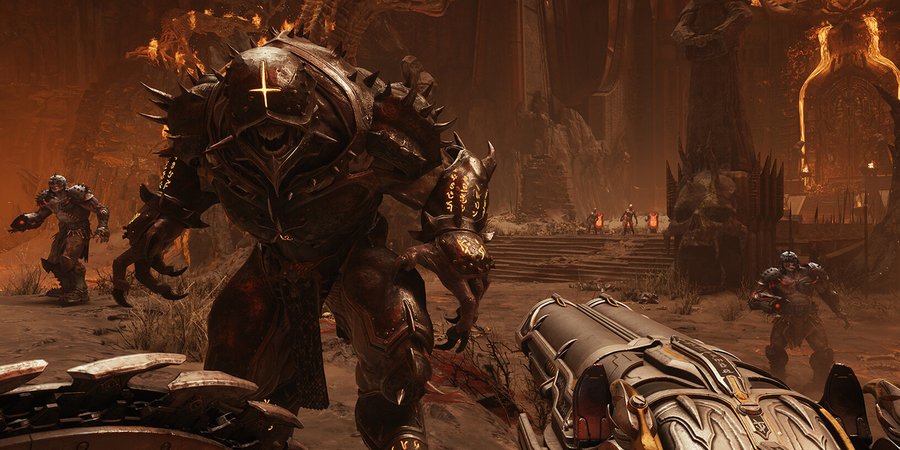
Doom: The Dark Ages, id Software, 2025
A character’s parameters dictate the nature of the locale itself. If the protagonist is fast, aggressive, and closes distance easily, the arenas can be vast and open, featuring long lines of fire and minimal cover—much like Doom, where the Doom Slayer is constantly in motion, and enemies and their attacks prevent any stationary posture.If the character is slow, cautious, and vulnerable, the space becomes cramped and intricate: narrow corridors, numerous cover points, and limited visibility—as seen in Resident Evil, where Leon Kennedy survives through positioning and precision rather than speed. In Valorant, not just one agent determines the outcome, but a synergy of agents with unique abilities: their parameters—speed, weapon type, ability range—define the map’s geometry, the placement of entry points, the height of positions, and the density of shootable zones. A spacious arena with long sightlines establishes one combat rhythm—sweeping the map like a sniper—whereas a densely packed locale demands precise maneuvers and positional combat, akin to close-quarters shotgun fighting.Thus, character customization in a shooter is the foundation upon which level design, cover placement, and the overall pace of combat are built.
Alan Wake, Remedy Entertainment, D3t, 2010
Who is this course for?
This course is ideal for beginner game developers who want to get acquainted with Unreal Engine by working with the program’s basic tools and importing graphical assets into the engine, using the shooter genre as a practical example.
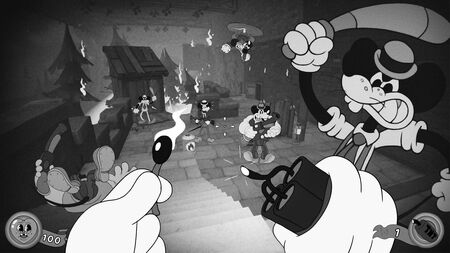
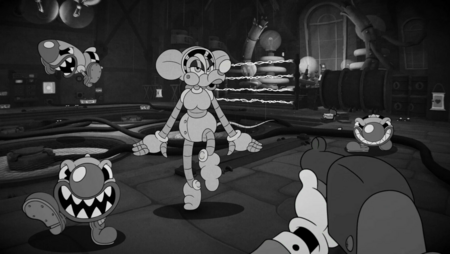
MOUSE: P.I. For Hire, Fumi Games, 2026
Course duration: 8 weeks.
Number of contact hours:
32 academic hours.
Classes are held online.
Course Prerequisites
Successfully completing the previous course, «Game Character Design and Animation (Shooter Genre), ” or providing existing 2D or 3D animation work featuring characters. Experience playing video games, particularly in the shooter genre, is required.
The Evil Within, Tango Gameworks, 2014
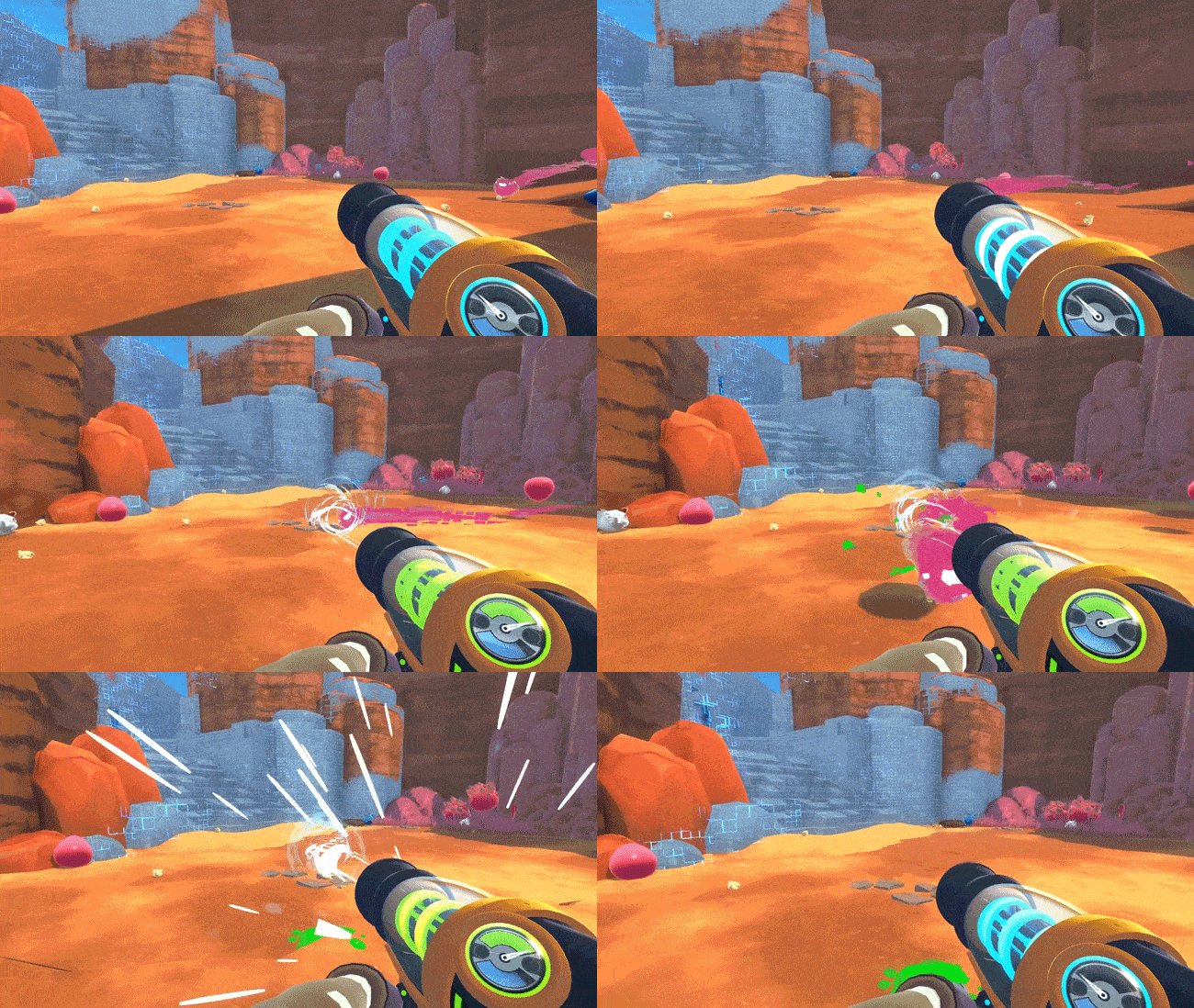
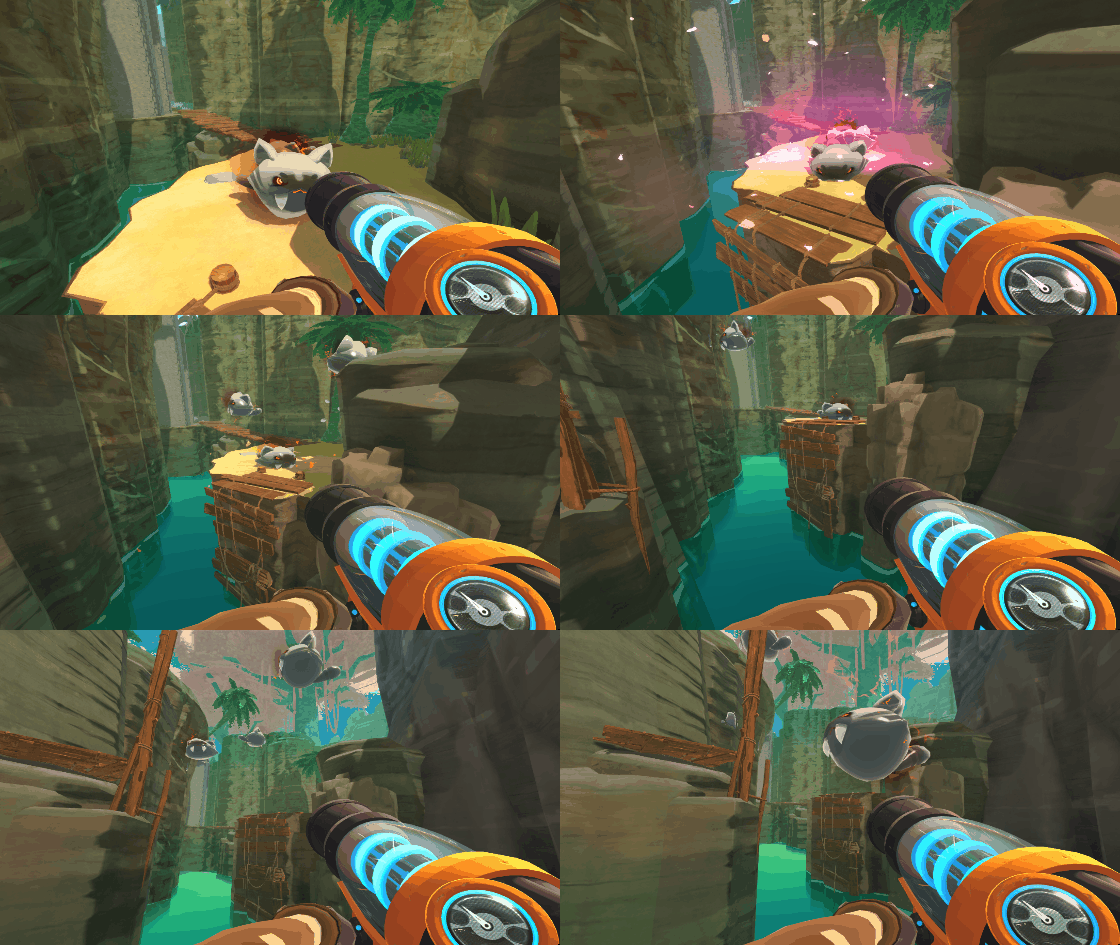
Slime Rancher, Monomi Park, 2017
What will students learn in this course?
— Prepare 2D or 3D assets (sprites, textures, 3D models) for import into Unreal Engine;— Import assets into Unreal Engine and perform basic setup within the engine;— Create a character based on the Character class—configure the in-game camera and character movement via the CharacterMovementComponent, and set up basic shooting;— Implement the character and weapon animation switching system using Animation Blueprint or PaperZD;— Develop core game mechanics: shooting, reloading, jumping, crouching, and item pickup.
What practical assignments will students complete in the course?
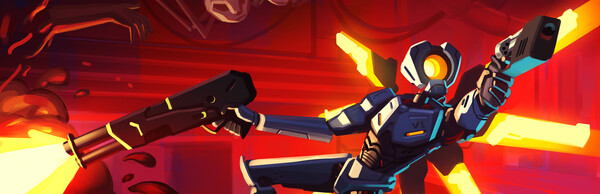
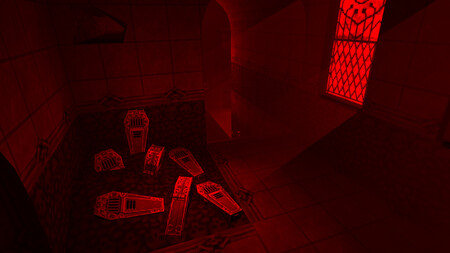
ULTRAKILL, Arsi «Hakita» Patala, 2020
— Testing — verification of knowledge regarding formats, import requirements, and common errors;— Scene Prototype — an assembled scene featuring the correctly imported and configured assets for the character under development;— Practical Assignment — creation of the Character Blueprint, addition of Spring Arm and camera, and configuration of Enhanced Input based on the character being developed;— Practical Assignment — creation of the Animation Blueprint or PaperZD graph, setup of the State Machine and transitions, and integration with the character being developed;— Test — verification of Blueprint logic knowledge;— Project Presentation — demonstration of the final result, justifying the technical and artistic decisions—the character, complete with prepared assets, configured camera, movement, animations, and core mechanics.
CONTROL, Remedy Entertainment, 2020
Thematic Syllabus