Concept
«Behind the Render» is a media platform exploring the mechanics of computer graphics and the visual decisions that drive impressive CGI imagery. Each piece focuses on a specific frame from a film, game, commercial, VFX project, or independent 3D artist’s work. We deconstruct these images to explain how individual elements coalesce into a single, cohesive visual.
The central question explored in the media: «How is this done, and why does it work?»
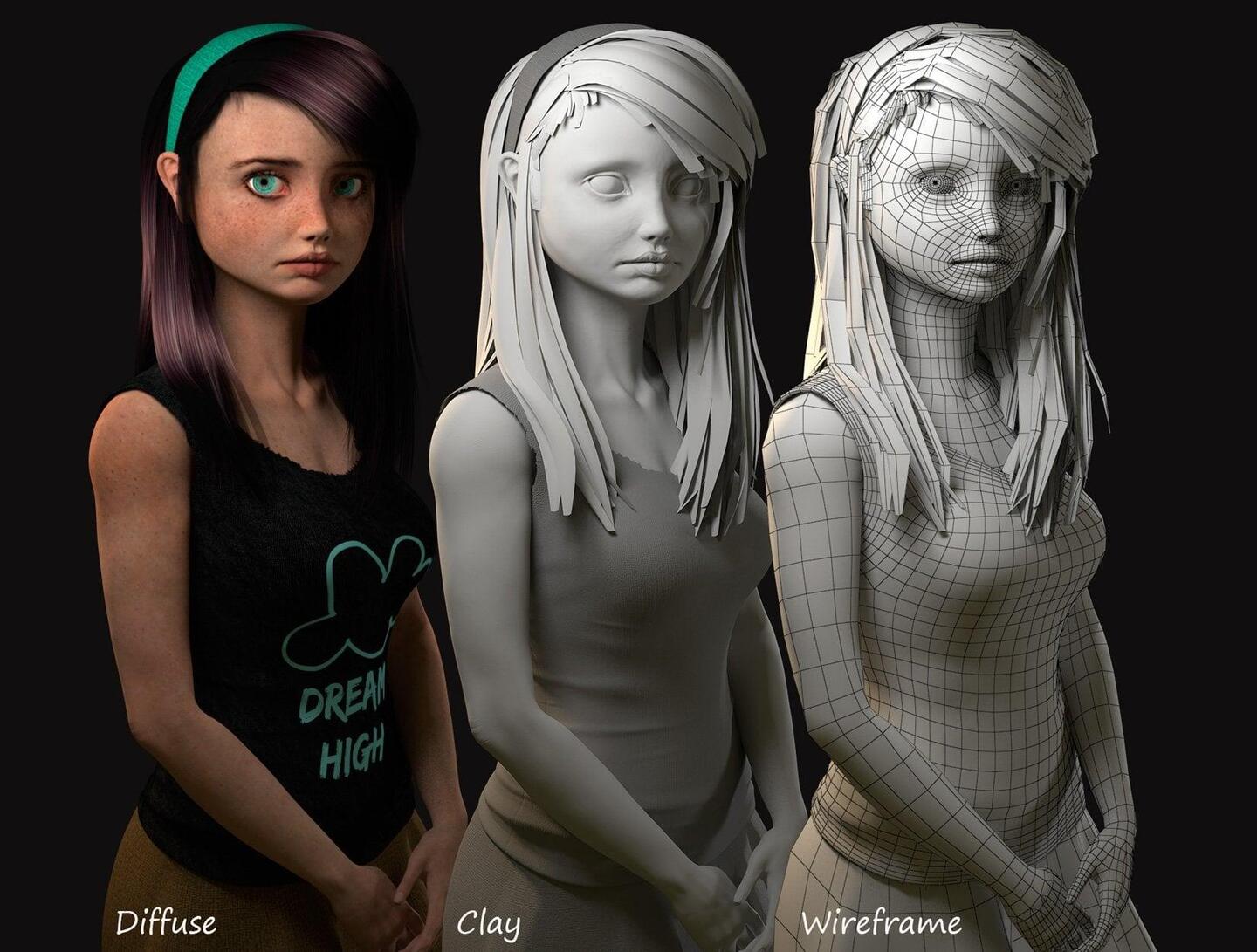
The primary media focus is on deconstructing the creation of specific CGI frames from film, television series, games, advertisements, VFX, and original projects—covering everything from composition, geometry, and materials to final compositing.
The main distribution channel is short-form video: TikTok, YouTube Shorts, VK Clips, and other available vertical video platforms.
The duration is predominantly 30–90 seconds, presenting a dynamic breakdown of a single visual solution with illustrative comparisons, captions, and voiceover.
A supplementary channel is Telegram.
Here, analyses featuring images, diagrams, explanations, and source links—along with additional details that wouldn’t fit into a short video—can be posted.
A short video captures attention, Telegram delves deeper into the topic, and a series of posts gradually builds a catalog of analyses for specific visual challenges.
Six-Month Content Plan
The plan is designed for the first six months of media operation. The primary publication pace is two short videos per week, supplemented by content on Telegram. Over six months, this equates to about 52 short videos and 24–26 in-depth publications, factoring in regular releases and additional analyses.
The plan progresses from introducing the format to deeper professional analysis. In the initial months, it is important to demonstrate that CGI can be analyzed using accessible language, subsequently gradually increasing the complexity of the topics and involving the audience in discussions about visual solutions.
Month 1. Learning to See CGI
Goal: Familiarization with media and the formation of a foundational understanding.
What lies behind the final render?
What constitutes a CGI frame?
Why does one render look high-end while another does not?
How do silhouette, composition, and visual hierarchy work?
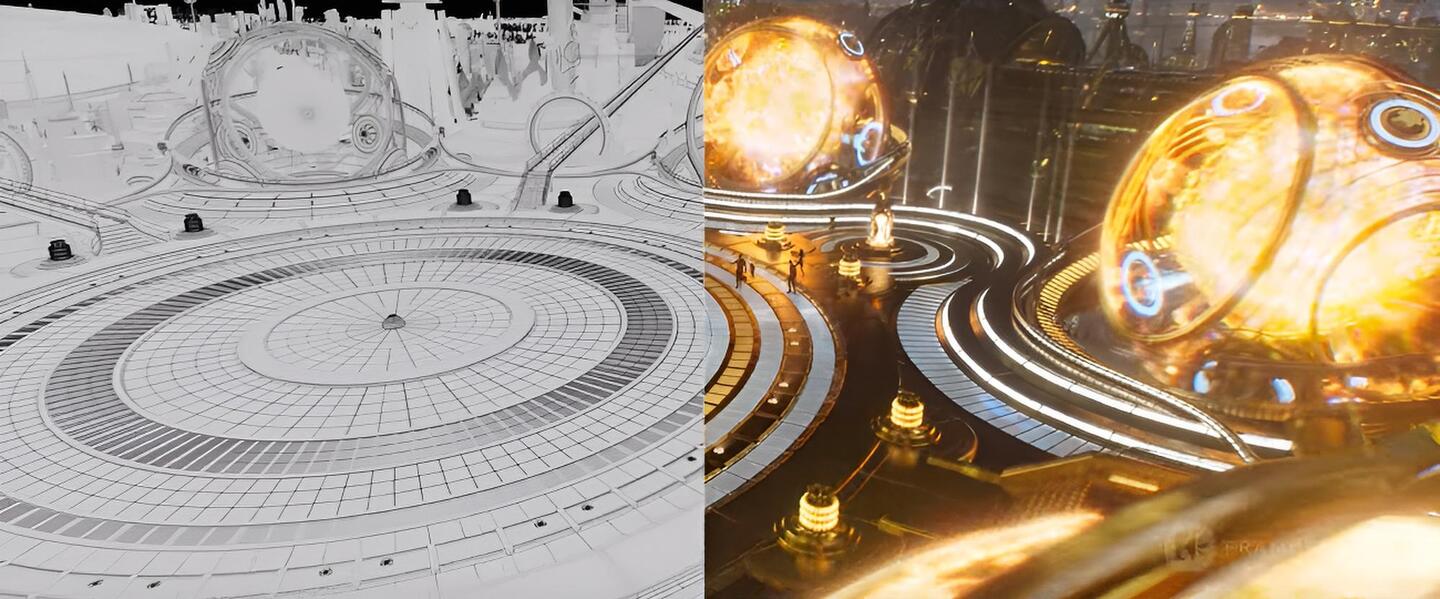
Clay render and wireframe: what do they reveal?
Analysis of a simple product render
Result: The audience grasps the project’s mechanics and begins noticing the image’s details.
Month 2. Light, Color, and Atmosphere
Goal: to teach the viewer how to understand lighting solutions.
Goal: To teach the viewer how to understand lighting solutions.
How does light create volume?
Why does backlighting separate an object from the background?
How does the color of the light change the mood?
How is the lighting setup for a night scene designed?
What happens to an image without shadows?
One object under three lighting schemes.
Result: The class begins to understand why light affects not only brightness but also the perception of form.
Month 3. Materials and Modeling
Goal: to explore the origins of surface persuasiveness
Why does metal look like metal?
How does roughness change reflections?
Why are chamfers needed on hard objects?
How does geometry influence a silhouette?
Why does the same material look different under varying light?
Analyzing aging and surface wear
Result: The viewer learns to distinguish the contribution of geometry, material, texture, and lighting.
Month 4. Camera and Composition
Goal: To demonstrate how a frame controls the viewer’s attention.
Why does a low angle make a subject monumental?How does focal length alter the perception of space?How does depth of field separate an object from its environment?Why can empty space be more significant than detail?How do diagonals create a sense of movement?One setup, two angles, two different impressions.
Result: The audience understands that the quality of CGI depends not only on the model itself but also on how it is presented.
Month 5. Image Effects and Composition
Goal: To explore the complex components of CGI and post-production.
How does smoke create depth?What constitutes realistic fire?How are CGI objects integrated into filmed footage?Why are images built from separate layers?How does color grading unify the elements of a frame?What can ruin a realistic render at the final stage?