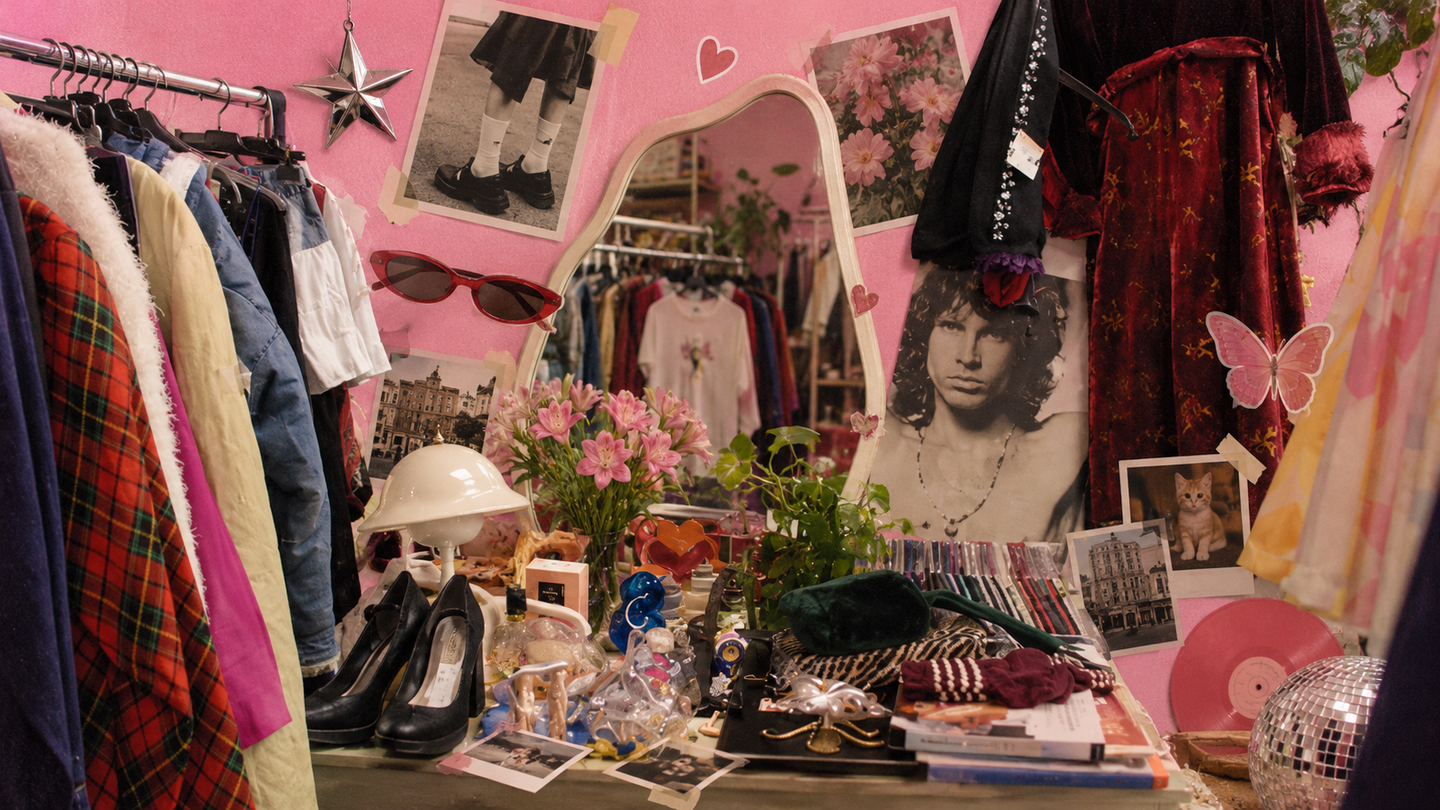
«Second Life» is a media outlet dedicated to vintage fashion and conscious clothing consumption. The project explores how to build interesting looks on a small budget and discover unique items in the resale market.
The project concept was developed as part of the first homework assignment. At that time, we defined the core idea of the media, studied the interests of potential readers, analyzed competitors, and selected platforms for material publication.Fashion trends change rapidly, causing many items to lose relevance and go unused. «Second Life» proposes an alternative approach to wardrobes through vintage and upcycling clothing. The project introduces readers to the possibilities of reusing items and demonstrates how to create stylish looks without constant purchasing.
The main platform for the project is a website featuring curated collections and interactive materials. Social media—Telegram and VKontakte—will be used to publish short tips and announcements. The goal of the media is to cultivate interest in clothing reuse among a young audience and to help them build a personal wardrobe without the constant expense of buying new items.
Fashion with a Past
Vintage clothing retains the defining characteristics of the era in which it was created. Through individual wardrobe pieces, we will introduce readers to the history of fashion and the return of trends from past decades. We will pay special attention to how such items look in contemporary outfits.
A practical approach to purchasing
Buying secondhand clothing comes with certain complexities. You need to assess the item’s condition, decipher the sizing, and determine how well it will fit into your existing wardrobe. Our resources will provide recommendations on choosing clothes, finding great deals, and planning your purchases.
Creativity over consumption
Changing your usual wardrobe can be a standalone way to refresh your style. We will introduce the audience to upcycling and showcase the results of small experiments with clothing. Some of the materials will be designed for readers without sewing experience.
Wardrobe tailored to individual needs
An additional focus of the project will be developing a digital assistant for outfit creation. Users will be able to upload photos of their own clothing and receive styling recommendations.
Six-Month Thematic Plan
The publication program is designed for six months and is divided into six thematic areas. Each area explores a different facet of interacting with clothing, ranging from getting acquainted with vintage culture to independently updating one’s wardrobe. Over the first few months, the focus will be on sourcing and selecting items. We will then move on to topics like styling and upcycling. The final segment of the program will integrate materials on purchasing habits and sustainable uses for unwanted clothing.
Publication schedule — three main materials per week.
Hosting platform — the «Second Life» website.
Additional distribution — Telegram and VKontakte.
Content types — editorial articles, photo collections, guides on upcycling, style breakdowns, interviews, video content, and interactive posts.
Regular Features
«Wardrobe Archive» A column dedicated to the fashion of past decades and vintage finds. Articles will explore characteristic silhouettes, materials, and clothing details, as well as the history of individual pieces. Readers will discover how fashion preferences have evolved and why certain items are gaining popularity again.
«Rebuild Your Look» Practical guides on combining clothing and updating it on your own. This section will feature step-by-step tutorials, examples of styling a single piece in multiple ways, and small experiments with existing wardrobe items.
«Treasure Hunting» Materials for those who buy clothing at thrift stores and resale platforms. This column will include tips for sourcing items, store reviews, price comparisons, and advice on assessing clothing quality.
First month. Vintage as part of modern fashion
Theme of the month: «Timeless Pieces»
The project will begin by introducing students to vintage culture. We will explore why clothing from past decades is becoming sought-after again and what role it plays in contemporary fashion. We will discuss the distinctions between vintage, retro style, and simply second-hand clothing. We will examine the characteristic features of 1970s, 1980s, and 1990s fashion, and determine what details help date an item approximately. A significant part of the month will involve visual comparisons of old and modern clothing styles. Using specific examples, we will trace how designers engage with fashion heritage and reimagine familiar silhouettes.
Second month. The search for the perfect find
This month’s theme: «Thrifting without random purchases»
The second month will focus on skills for sourcing clothing on the second-hand market. Readers will learn about the specifics of thrift stores, vintage shops, and online resale platforms. We will cover how to inspect material quality, spot hidden defects, and navigate the sizing charts of various manufacturers. We will also examine buying clothing online, including communicating with the seller and vetting listings. Practical materials will help distinguish truly great finds from purchases that are merely attractive due to their low price.
Third Month. A New Look at Your Own Wardrobe
This Month’s Theme: «Style Starts With What You Already Have»
The focus of the third month will be on working with existing wardrobe pieces. We will explore ways to create looks from a limited number of items and demonstrate how vintage elements can be styled with a modern foundation. We will prepare several curated selections for different situations—from everyday classes to work and evening events. We will compare outfits with various budgets and try to create several styling variations for a single garment. Furthermore, we will introduce readers to the principles of building a small, functional wardrobe and explain how to identify the pieces you are truly missing.
Fourth Month. Clothing as a Medium for Creativity
This Month’s Theme: «Reimagine and Rewear»
The fourth month will focus on independent clothing modifications and design upcycling. We will demonstrate simple ways to refresh old shirts, jeans, and T-shirts. We will prepare instructions tailored to different levels of difficulty, including options that do not require a sewing machine. We will pay special attention to young designers who work with existing materials. Through examples of their projects, we will show how old clothing can be transformed into new wardrobe pieces and accessories.
Fifth Month: How to Keep Your Favorite Things
This Month’s Theme: «Wear Longer»
The fifth month will focus on garment care. Even high-quality items gradually wear out, but proper material handling helps preserve their appearance. We will prepare guidelines for washing, drying, and storing different fabrics. We will explain why pilling occurs, how to care for vintage denim, and what to do about minor damages. The practical component will consist of instructions for small repairs and restoring items that are still usable.
Sixth month. Minimalist Wardrobe
This month’s theme: «Conscious Consumption»
The final month will focus on re-examining our relationship with clothing and purchasing habits. We will explore how fashion trends influence the desire to acquire new items, the causes of impulse buying, and methods for more rational spending planning. We will also cover how to prepare clothes for sale, organize clothing exchanges, and find suitable ways to pass on unwanted garments. Finally, we will encourage readers to conduct a personal wardrobe audit and create a plan for its future refresh.
Publication Examples