1. Concept
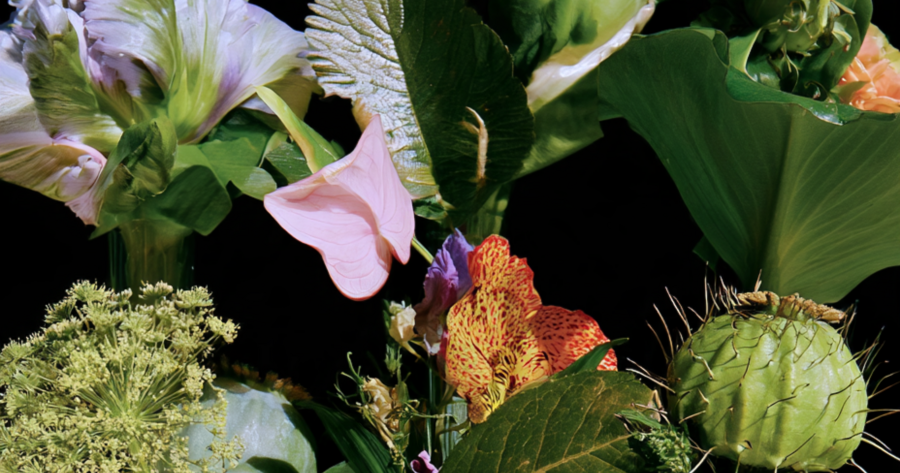
«ALL THINGS FLOWER» is a media outlet focused on modern floristry as a profession—its visual culture and its role in Russian life. Here, we explore the people in the industry, the ideas, and the processes that are shaping floristry today.
2. Data Sources for Media
The main objective of the media outlet «ВСЕ СВОЁ» is to cover contemporary Russian floristry—its artists, aesthetic, projects, and professional community. Therefore, several groups of data sources are used to prepare publications.
1. Primary Sources
Information directly gathered by the editorial team from participants in the floriculture industry.
— Interviews with Russian florists and studio founders;
— Authors’ personal commentary on their work and creative approaches;
— Photos and videos from workshops, studios, and events;
— Visits to exhibitions, competitions, master classes, and professional events;
— Surveys and feedback from readers;
— Materials provided by authors and studios for publication.
2. Secondary Sources
Published materials that assist in studying the floristic environment and finding topics for new publications.
— official websites and social media of floristry studios; — portfolios and public pages of Russian florists; — publications on design, art, architecture, and visual culture; — exhibition and festival catalogs; — open educational materials and professional journals; — press releases and announcements of industry events.
3. Internal Media Data Sources
Information generated during the project’s development process.
— statistics on views, reach, and reactions to posts; — results from surveys and audience comments; — data on the most in-demand sections and formats; — editorial calendar and archive of published materials; — feedback from subjects of publications and partners.
Utilizing diverse sources allows for the integration of professional information, author narratives, visual materials, and audience interests. Primary focus is placed on data veracity, information relevance, and the ability to verify its provenance.
3. Data Schema with Human and Machine Processing Separation
4. Guidelines for Automated Services in the Scheme
When using automated services, it is crucial to maintain consistent guidelines so that technology assists the editorial process without compromising the credibility or quality of publications.
- Utilize automation for auxiliary tasks.Automated tools can transcribe interviews, sort files, prepare draft descriptions, extract keywords, and gather statistics. However, they should not unilaterally determine editorial stance or publish materials without review.2. Verify factual information.All names, studio titles, dates, quotes, project details, and professional activities must be verified by the editor against original sources. Formulations generated automatically are not considered confirmed facts.3. Maintain connection to the original source.For every piece of content, it is necessary to record the original links, documents, the information source, and the date of retrieval. This allows for verification of the information and the ability to refer back to the primary source if necessary.4. Do not fabricate interviews or quotes.Automated services can transcribe real interviews and assist in text editing, but they must not invent responses from subjects or present generated statements as genuine commentary from florists.5. Respect copyright.
- Respect Copyrights.Photos, videos, and texts may only be used with the appropriate rights or permission. Automated image processing does not eliminate the need to check usage terms or provide attribution.6. Manage Personal Data.When processing interviews and contacts of subjects, consent for the use of the provided information must be considered. Private and confidential information cannot be shared with third-party services without the necessary grounds and permissions.7. Maintain a Unified Media Style.When preparing headlines, captions, and text adaptations, automated tools must adhere to the «ALL OURS» tone: modern, professional, visually oriented, and easily understood by a broad audience. Materials must not devolve into boilerplate marketing copy.8. Label AI-Generated Content.If automated tools are used to create images, illustrations, or a significant portion of the text, the editorial team must document this in the publication’s internal data. If an image could be perceived as documentary photography of a real project, misleading the reader must be avoided.9. Ensure Final Human Review.All material undergoes editorial review before publication. Automated services act as editorial assistants, but the editor makes the final decision regarding the content, accuracy, and placement of the material.