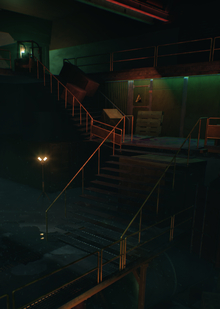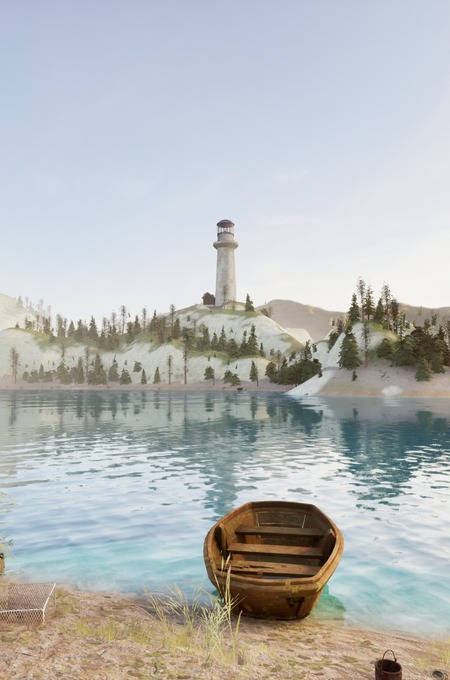
A house at the edge of the forest, where the morning begins in silence. A path leads away from the warm light of the windows into the dense, shadowy woods, eventually opening up to the water—where a lighthouse stands on a cliff on the opposite shore. You cannot reach it. You can only watch.
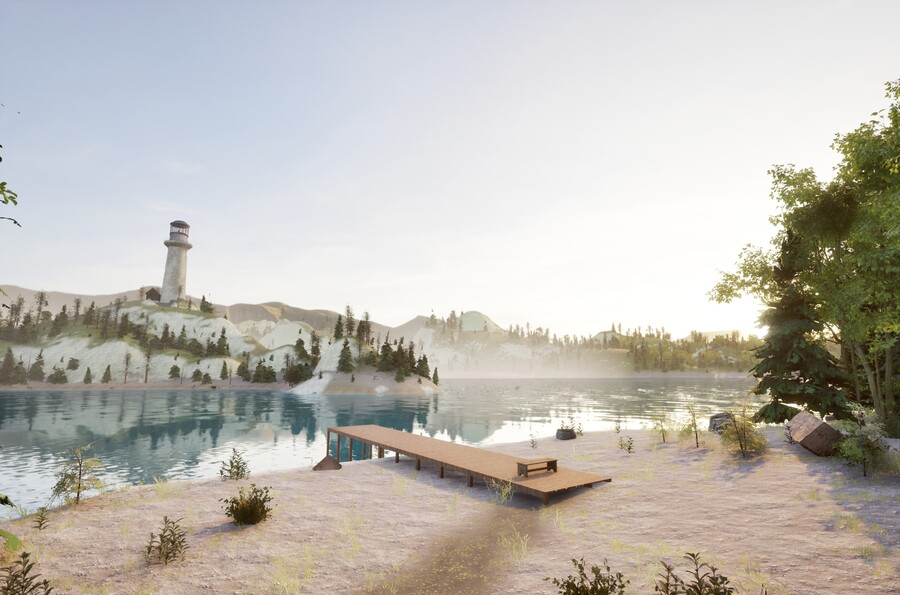
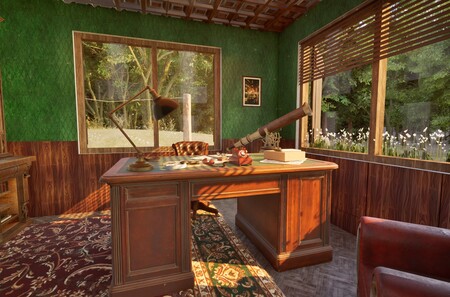
In The Far Shore, it is difficult to pinpoint exactly when the action takes place. There are no explicit markers of a specific era—the house, the objects, and the yard all look familiar, yet strangely detached from real time.
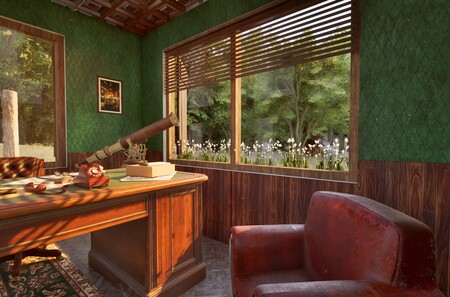
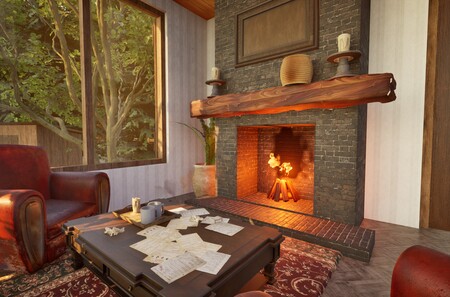
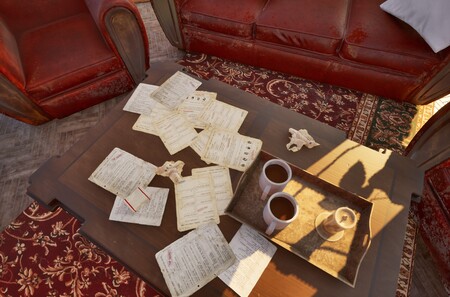
A fireplace glows in the living room. Two mugs are cooling on the table, and scattered papers suggest the occupants left the room just a minute ago.
Beyond the palace gates: a bonfire, an axe in the rack, a table under the trees. From here, the path leads into the woods.
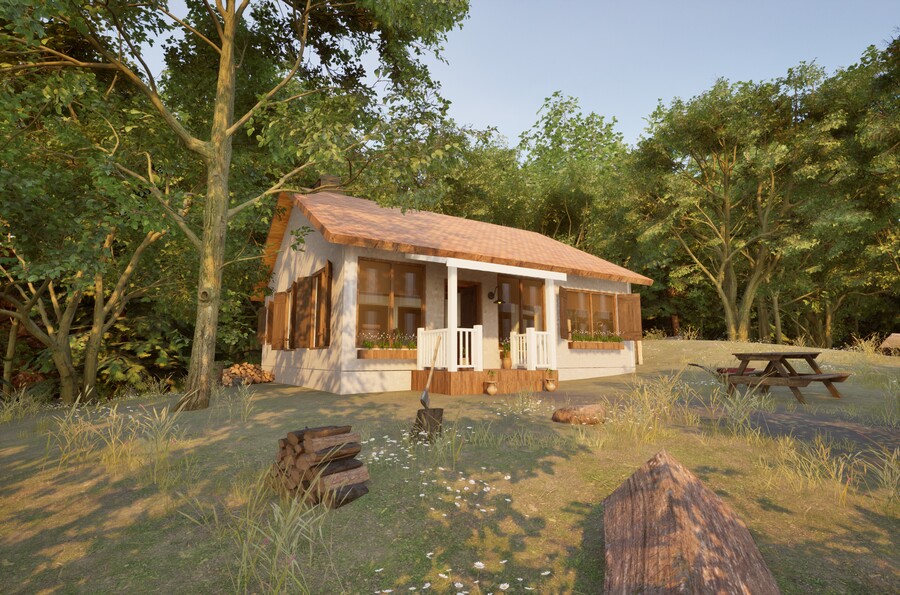
From the house, through the courtyard, the path leads into a dense forest. With every step, it grows darker and quieter; the trail winds between the trees, concealing whatever lies ahead.
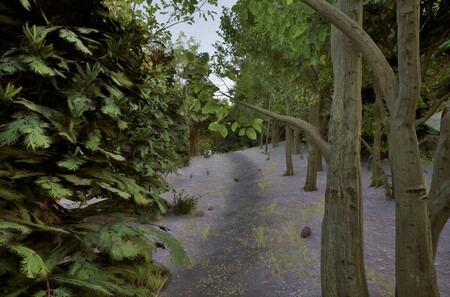
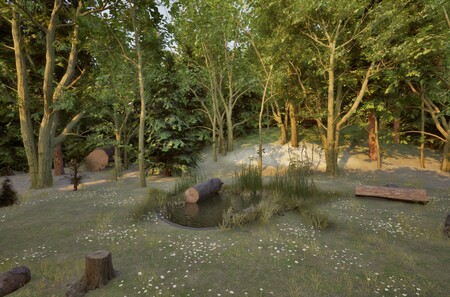
Through the branches, a beacon first appears.
The edge of the forest opens onto a shore. Before it lies a lake, mountains, and a lighthouse on a distant rocky island. After the dense woods, there is an unexpected expanse of air and space.
The location is built on the feeling of a gradual transition from the familiar world into the unknown.
Assets sourced from the Fab library.
Sounds: zvukipro.com library