1. Media Concept
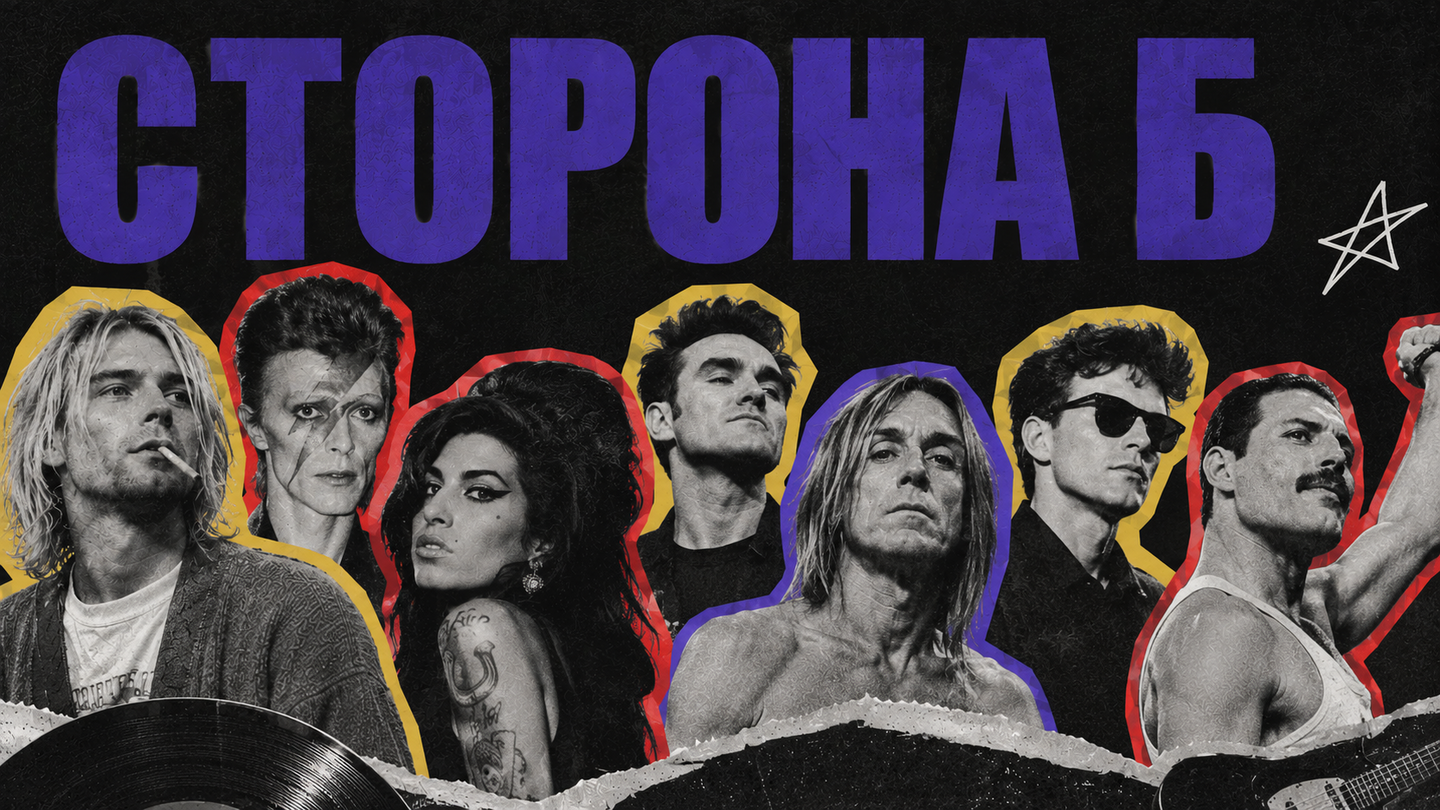
«Side B» is a text-based media outlet dedicated to rock and alternative music. It explores the history of music scenes, artist rivalries, visual culture, and the influence of music on society.
The project invites readers to view familiar artists from a fresh perspective and uncover stories that exist beyond mainstream hits. The focus is not just on the music itself, but on the cultural context in which it is created and achieves significance.
Media Goal: To make the engagement with music more meaningful by revealing the history and deeper meanings behind albums, bands, and musical movements.
Format: A Telegram channel featuring original text posts—including musical analyses, historical deep dives, thematic playlists, and recommendations.
Target Audience: Listeners of rock and alternative music who are interested in the history of music scenes, the visual imagery of artists, and the cultural phenomena surrounding music.
Unique Selling Proposition (USP): «Side B» tells stories about music through narratives, conflicts, and cultural connections, helping readers see familiar bands and albums from an unexpected angle.
2. Data Sources for Media
2.1. Primary Sources
Primary sources are used to verify facts about musical history groups, albums, artists, and events.Official artist and band websites—discographies, release dates, concert information, and official biographies.Official music label websites—information on albums, reissues, recording participants, and release histories.Interviews with musicians—statements regarding songwriting credits, creative decisions, conflicts, and the circumstances of album creation.Archival materials—photographs, posters, music press publications, and documents from a specific period.
2.2. Secondary Sources
Secondary sources help us study music history, interpret events, and find additional information.AllMusic — discographies, artist biographies, music reviews, and genre context.The Guardian — interviews, historical materials, and articles on music culture.NME — news, interviews, and features on the rock and alternative scenes.Pitchfork — music criticism, reviews, interviews, and case studies.Encyclopaedia Britannica — reference information on musical genres and cultural phenomena.
2.3. Sources of Visual Data
Used for researching album covers, music videos, stage personas, and graphic design.Design Museum — resources on design and its cultural significance.MoMA — collections and research on contemporary art and visual culture.Official music label archives — cover art, photography, and visual release materials.Official artist and label video channels — music videos and performance recordings.
2.4. Sources for Topic Research and Audience Interest Observation
Google Trends — the dynamics of interest in search queries.Yandex Wordstat — the frequency of search queries and related phrasing.Telegram — discussions on musical topics, audience reactions, and comments.LiveDune — analytics of available social platforms, publication rates, and engagement metrics.Data from these services is used to identify potentially interesting topics, but it does not replace editorial judgment or fact-checking.
When preparing publications for «The Other Side, ” we adhere to the following principles:
Facts regarding dates, authorship, and group composition are verified using primary sources.
Interpretations and assessments are kept separate from confirmed facts.
Multiple independent sources are used for important or controversial statements.
Preference is given to original interviews, official archives, and materials from authoritative music publications.
If information cannot be verified, it is not included in the publication as an established fact.
Links to the materials used are preserved in our editorial database so that we can return to the original source if necessary.
3. Data schema separated into human and machine processing
3.1. What data does the media process
The following data types are used for media work:— Factual Data: artist names, band titles, release dates, album and song titles, band lineups, and event locations and circumstances. — Contextual Data: historical events, musical genres, cultural influences, and epochal characteristics. — Textual Data: interviews, articles, reviews, archival publications, and reference materials. — Visual Data: album covers, artist photographs, concert posters, and music videos. — Analytical Data: publication views, reactions, comments, shares, and search interest in musical topics.Each publication is formed based on several data types, which are integrated into the editorial database.
3.2. Process Separation
STAGE 1 Topic Research Monitoring music news, releases, archives, and audience interests. Machine ProcessingSTAGE 2 Editorial Selection Assessing the relevance, conceptual fit, and potential value of the topic for the reader. Human ProcessingSTAGE 3 Information Gathering and Systematization Searching for sources, extracting key facts, and compiling a brief dossier on the topic. Machine ProcessingSTAGE 4 Fact-Checking Verifying dates, names, authorship, and quotations against primary sources. Human ProcessingSTAGE 5 Draft Preparation Structuring the material, proposing headlines, and adapting the text for Telegram. Machine ProcessingSTAGE 6 Editing and Publication Reviewing accuracy, style, logic, authorial stance, and making the final publication decision. Human ProcessingSTAGE 7 Results Analysis Collecting publication statistics and identifying topics that engage the audience. Machine Processing
3.3. Editorial Process Workflow
3.4. What the machine processes, and what the human processes
In the editorial system of «Storony B,» machine processing is utilized for routine tasks: monitoring new materials, searching for keywords and mentions, sorting links, extracting facts from texts, creating brief summaries, drafting headlines and variations, and compiling publication statistics. This enables faster information retrieval, data systematization, and the maintenance of regular content output.
Human processing encompasses theme selection, determining its editorial value, assessing the credibility of sources, fact-checking against primary materials, interpreting musical context, conducting authorial editing, and analyzing material quality. It is the human that decides how closely a theme aligns with the media’s concept, which meanings are important to reveal, and how to present them to the reader.
The core principle: automation helps accelerate routine processes, but it does not replace editorial thinking. The machine can suggest a theme, structure, or wording—yet the final decision on publication and accountability for the content remain with the author.
4. Guidelines for Automated Services
4.1. Services Used
Google Alerts Monitoring new publications based on keywords: group names, albums, music events, and genres. Use: To receive notifications about new content and find topics for future posts.
ChatGPT Assistance with structuring information, drafting, finding supplementary questions for a topic, and editing text. Use: To prepare the foundation of a post, suggest headlines, and adapt material for the Telegram format.
Google Trends Analyzing the dynamic interest in music groups, albums, and events. Use: To compare search interest and discover topics that may be relevant to the audience.
Notion An editorial database for storing topics, links, drafts, and publication statuses. Use: To systematize materials, plan publications, and track the editorial process.
LiveDune Analyzing available social media metrics and publication effectiveness. Use: To monitor engagement trends and assess audience interest in different formats.
4.2. Guidelines for Using AI in Content Creation
ChatGPT Guideline
ChatGPT is used as an auxiliary editorial tool, not as an independent author of publications.
Permitted Tasks: — Systematizing information from provided sources; — Developing the structure of future material; — Preparing a draft based on verified facts; — Suggesting titles and presentation options; — Summarizing and editing text; — Identifying potential conceptual links between musical events.
Limitations: — Do not use generated facts without verification; — Do not present assumptions as confirmed information; — Do not use fictional quotes or references; — Do not delegate the final assessment of material credibility to the AI; — Do not publish a draft without editorial review.
Operating Principle: The AI assists in preparing the material, but the final text is shaped by the author and aligns with the editorial concept of «Sides B.»
4.3. Example Workflow Request for an Automated Service
You are an editorial assistant for the Telegram media, «Side B, ” which covers rock and alternative music.
Based on the provided sources, draft a structured publication.
Requirements: — Topic: The history of a musical group, album, or cultural phenomenon. — Style: Authoritative, intellectual, passionate, but without pretension. — Format: A text post for Telegram. — Structure: A compelling title, a brief introduction, a main body, and a concluding question or thought. — Avoid clichés, repetition, and excessive judgments. — Do not add facts not present in the sources. — Separate confirmed information from interpretations. — If information is insufficient, note what data needs verification.
At the end, list the facts that require further verification and the sources used.
Publication Topic: [Insert topic]
Sources: [Insert links and materials]
4.4. Principles of Editorial Automation