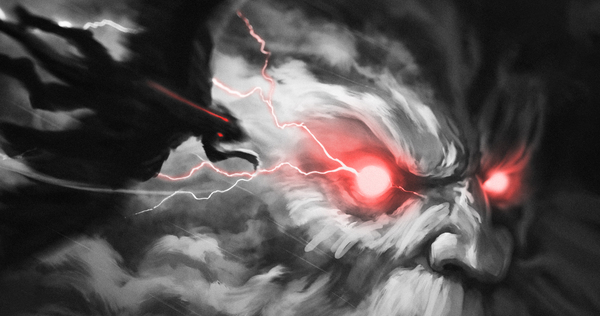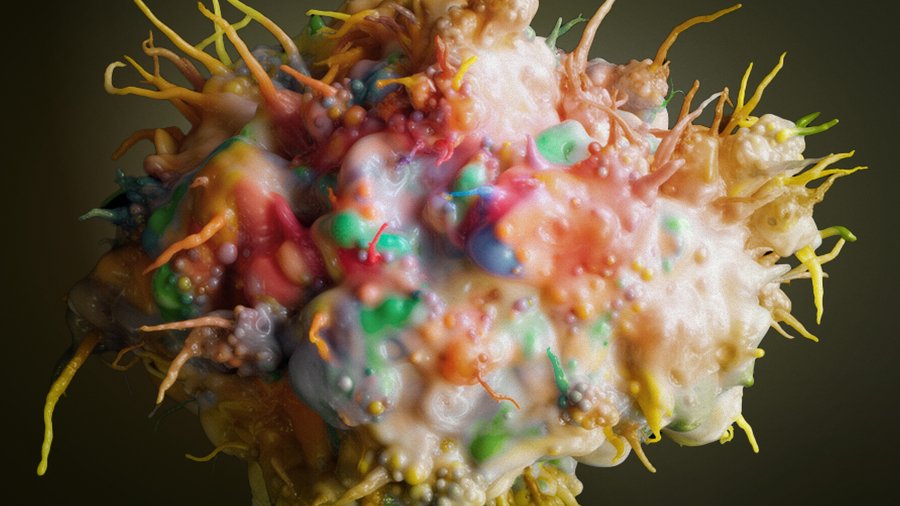
Smile—a psychological 3D body horror animation in the style of experimental cinema, exploring the theme of humanity’s destructive digital dependence on social media.
The film Smile addresses a relevant sociocultural issue of our time—humanity’s total mental reliance on brainrot content. Through the lens of grotesque body horror, the project investigates the phenomenon of personal degradation and clip-based thinking.
FORMAT
Short Film / 3 minutes
Target Audience:
Horror enthusiasts aged 16–30 who value strong visual imagery and emotional resonance. They appreciate sharp contrasts, unsettling silhouettes, and dynamic pacing. They expect intense, short episodes featuring a clearly defined «scary» moment. The primary channel is social media (Shorts/Reels), with formats including teasers, montages, and close-up shots.
Genre:
Psychological body horror
Execution Technique:
• Pure 3D (CGI): High-polygon form sculpting, facial rigging (Blend Shapes) to convey panic.
• PBR Texturing: Realistic material and optical property setup for skin and slime (Subsurface Scattering).
• VFX and Simulations: Soft Body physics for the monster’s growth impulses; procedural generation of fluffy mold (Geometry Nodes / Hair); simulation of cloth and fluids.
REFERENCES
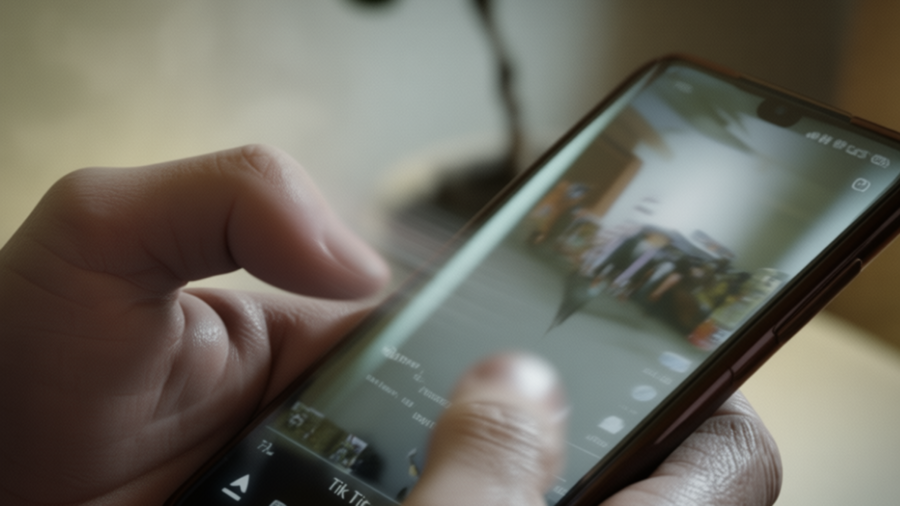
In the virtual world, the tumor looks attractive—it’s glossy, «delicious, ” neon-juicy, like those addictive slime and ASMR videos Mark watches on screen. This is a visual representation of cheap, fast dopamine.
In the real world, it turns into rot and mold. This is a literal reflection of brain decay. What began as bright entertainment has eaten the protagonist from the inside, transforming it into a foul-smelling, dead parasite.
After the electricity is turned on, the virtual world merges with the real world.
Location Concept: The room’s space conveys existential loneliness and mental void. It is a box-room devoid of any signs of a living person—there are no books, posters, photos of loved ones, souvenirs, or clutter. It resembles an anonymous motel room or a render from a standard furniture catalog.
SYNOPSIS
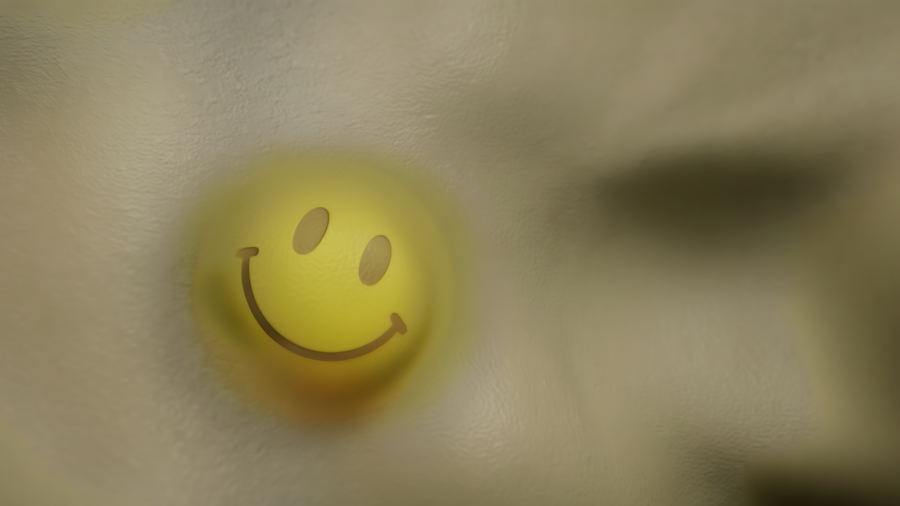
Having accidentally ingested an internet emoji along with his meal, the ordinary man Mark initiates a process of irreversible mutation: a slick, multi-colored monster of content grows on the back of his head, slowly subjugating his body and paralyzing his will. Trapped in a room amidst piles of plastic junk and trendy trash, the protagonist plunges deeper into a sticky digital trance, from which he can never emerge unchanged.
ANIMATICS
CHARACTERS
Character Concept: Mark is conceived as the «draft human.» He lacks individuality in his appearance; he is the average person.
A digital parasite, embodying cheap dopamine and «brain rot» content. A randomly ingested emoji grows on the hero’s nape. In the virtual world, it masquerades as an attractive, glossy, neon-juicy tumor, but in reality, it transforms into a foul-smelling, rotting, mold-covered carnivorous fungus that subjugates Mark’s body and consumes his brain.
LOCATION
Location Concept: The bedroom space conveys existential solitude and mental emptiness. It is a box-room devoid of any signs of a living person—there are no books, posters, photos of loved ones, souvenirs, or clutter. It resembles a faceless room in a cheap motel or a render from a standard furniture catalog.
TEAM
Currently, this psychological body horror is being developed by a team of two. The project is being developed in the style of experimental film and explores the theme of digital dependence, with the creators jointly handling every task—from script development to final technical execution—by dividing responsibilities across key areas:
Dasha
3D Generalist / Visual Style / Pre-production Direction
Responsible for the creative concept and artistic atmosphere of the project. Dasha develops the screenplay and prepares the animatic, which defines the rhythm and structure of the narrative. Her responsibilities include creating concept art and digital sculpting. She is entirely responsible for shaping the mood in the frame, handling the final lighting and color grading to give the project the expressive style of experimental cinema.
Danya
3D Generalist / Technical Pipeline / Simulations and VFX
He realizes technically complex stages of graphics, transforming an artistic concept into polished visuals. Danya handles architectural blocking for locations, develops procedural textures, and creates visual effects that demonstrate the evolution of monster forms. During pre-production, he effectively leverages generative AI to discover unique visual solutions. He also manages the setup of crowd simulation systems for large-scale scenes and refines grooming. In the final stage, he integrates all elements through video editing and crafts a deep soundscape that entirely replaces on-screen dialogue.