1. Media Concept
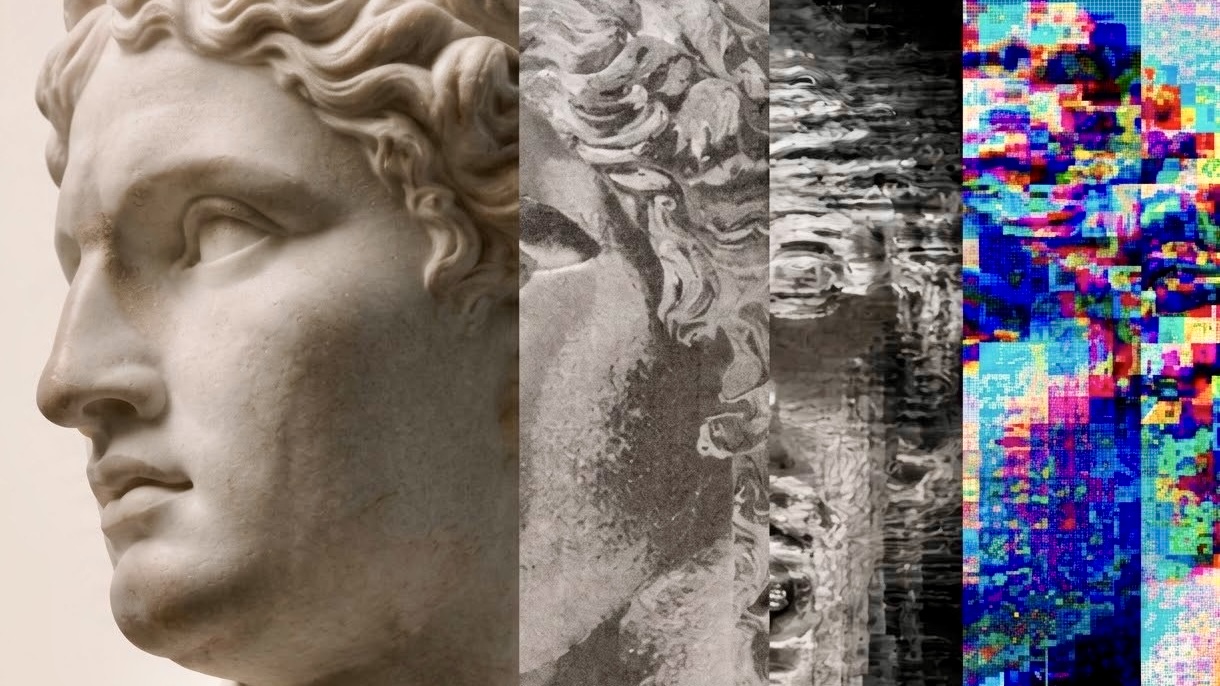
SECOND ORIGINAL — media about art in the age of copying. It explores how the concept of the original shifts when an image can be infinitely reproduced, modified, and recreated using technology. A photograph of a painting, a digital archive, a 3D scan of a sculpture, a meme, or an image generated by artificial intelligence—all these forms relate to the original artwork in different ways. The media examines not only the differences between the original and the copy, but also the situations where copying becomes an independent creative act. The central question of SECOND ORIGINAL is: at what point does the copy become a new original? The media engages with art history, contemporary artistic practices, and digital culture. Each piece analyzes a specific work, technology, or case study, allowing viewers to see how reproduction influences authorship, value, and the status of art. The goal of the media is to investigate how reproductive technologies change our perception of the artwork and its originality. The target audience includes viewers interested in contemporary art, visual culture, and digital technology; as well as students in creative fields, young artists, and designers who confront issues of authorship and image usage in their practice. Format: Visual investigative media. Short posts analyzing images, card series, and social media videos are supplemented by in-depth research on the website. The foundation of each piece is specific artworks, archival images, documentary evidence, and verifiable sources. Editorial principle: not to report on technology news, but to demonstrate through concrete examples how the very concept of art is changing.
2. Semestermatic Plan
The plan is structured as a sequential exploration: from the historical premises of copying to the new forms of authorship emerging in the digital environment. Each month is united by a single theme, and the publications explore it from different perspectives.
Month 1 • Original before the advent of digital technology
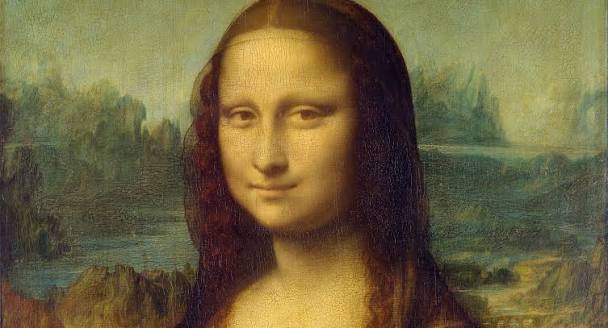
— Why a copy of a painting is not the original
— Dadaism: how altering a ready-made image becomes an artistic gesture
— Reproduction as an independent art object
— Photography, printing, and the mass dissemination of imagesPrimary material: analysis of Marcel Duchamp’s L.H.O.O.Q. (1919). Supplementary example—Sherrie Levine and her practice of rephotographing others' photographs.
Month 2 • What Happens to the Work During Reproduction
— The Concept of Aura in Walter Benjamin’s Essay
— The Copy as an Autonomous Work: At what point does it acquire its own value?
— Reproduction of a Work: How does each subsequent copy alter its status?
— Original and Copy in Museum Space: What determines an artwork’s authenticity?Primary material: A comparison between the original work and its museum and digital reproductions.
Month 3 • Copying as Creation
— Appropriation in Contemporary Art
— Remix, Collage, and Image Reuse
— 3D Scanning: Replicating an Object Without Original Material
— The Meme as a Tool for Shifting Image MeaningCore material: A comparative study of artistic appropriation and internet memes as two methods of working with pre-existing imagery.
Month 4 • Artificial Intelligence as an Image Generator
— What constitutes an AI-generated image
— The artist, the user, and the algorithm: distributing authorship
— Artistic style as a reproducible set of features
— Can generation be considered copyingCore material: A visual experiment exploring image generation and analyzing its relationship to existing artworks.
Month 5 • Uniqueness in the Digital World
— NFTs and digital object provenance
— Why the original file can be copied
— Authenticity, ownership, and copyright
— How the market determines the value of digital artMain material: an analysis of Everydays: The First 5000 Days.
Month 6 • Authorship After the Original
— Authorship in Algorithmic Creativity — Distributing Authorship Among the Artist, Algorithm, and Source Material — Copying as a Method for Creating New Work — Collective Authorship and the Boundaries of Individual Contribution
Core Material: An analysis of algorithmic works of art created from source images and data, with an emphasis on authorship, the role of the artist and the algorithm, and the boundary between copying and creating a new piece.
3. Ten Content Examples
Content Sample #1
Why Do We Recognize a Picture We’ve Never Seen?We will examine this using Leonardo da Vinci’s «Mona Lisa, ” demonstrating how a work becomes globally recognizable through reproductions. Museum photography, postage stamps, souvenirs, and online images illustrate how a single artwork can exist outside its original location.Format: A visual and textual analysis with concise image captions.Objective: To pose questions about the original versus the copy through an example familiar to the viewer.
Content Example #2