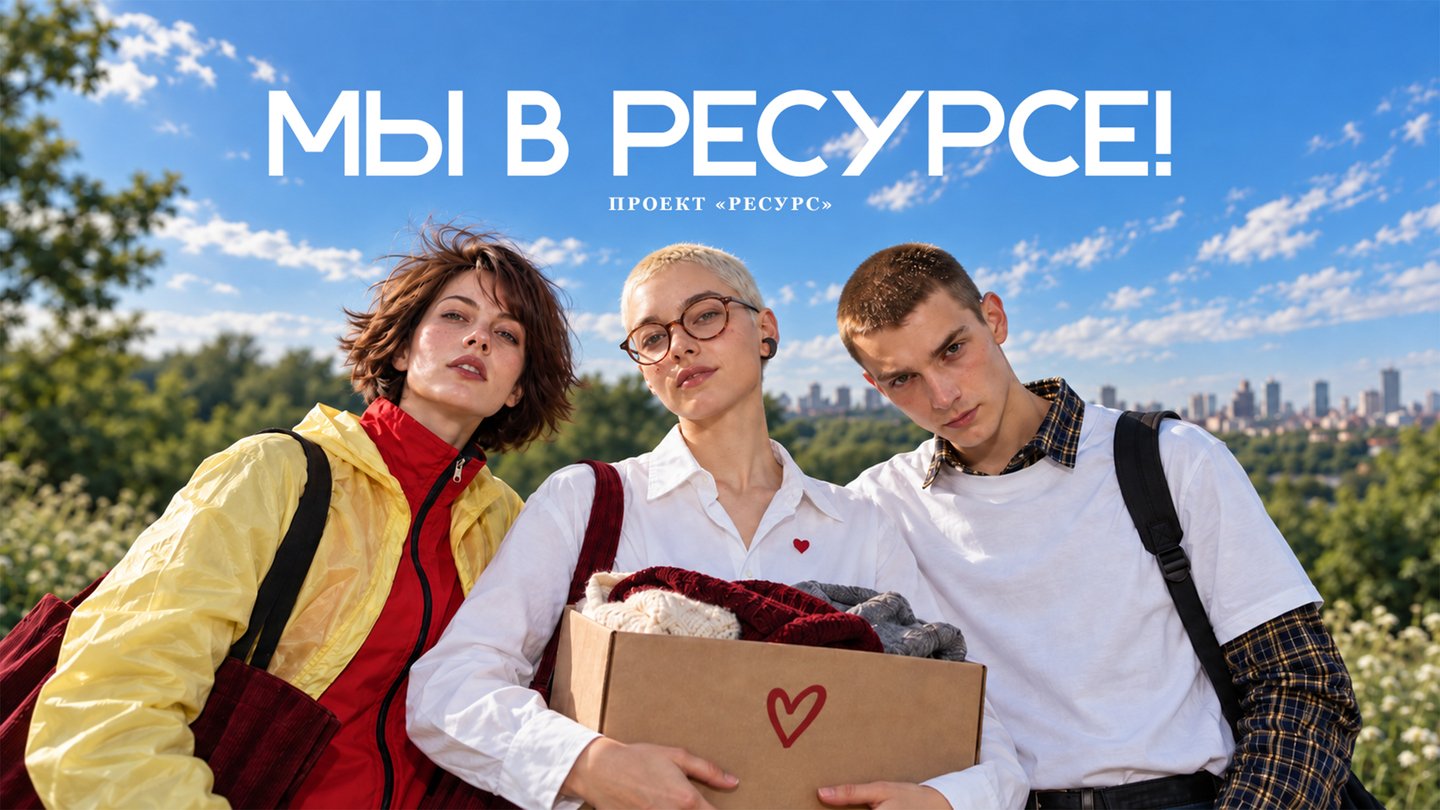
«Resource» is a media outlet focused on how people can help individuals, animals, and non-profits using resources that are inherent to a person—time, professional skills, knowledge, personal belongings, or physical assistance—as opposed to material resources.
1 / Concept
The core problem of the project is the gap between the desire to help and concrete action. According to a VCIOM survey from 2026, 37% of Russians have volunteered in the last year, and another 32% have not participated but would like to. In other words, there is a large audience that is potentially willing to get involved but, for some reason, is not translating that desire into action.
Charity is often communicated through donations: «transfer 300 ₽, ” „set up a monthly subscription, ” „close the fundraiser.“ However, help can take on a completely different form. NGOs regularly need designers, developers, photographers, copywriters, lawyers, marketers, translators, and other specialists. For instance, ProCharity dedicates specific tracks ranging from design and marketing to IT, HR, and legal assistance.
The media’s goal is to make intangible assistance as clear and straightforward as a money transfer.
The key metric for this project will be the conversion rate from content consumption to action (responses to prompts, completed assignments, repeat participation), rather than simply the number of stories read.

2 / Content
«Resource» — A Telegram media outlet focused on volunteering beyond financial donations. The project examines time, knowledge, professional skills, and possessions as available means through which an individual can participate in public life. Through stories, instructions, and specific requests from non-profit organizations, «Resource» helps connect personal capabilities with others' needs and transforms the intention to help into meaningful action.
Direct equivalents to «Resource» are scarce. Most projects either discuss charity or post tasks, but few integrate these functions into a single editorial system.
Categories
01 / YES. Specific Assignments.
How much time, what skill, who to help, what the outcome should be. This is the main applied section.
02 / I CAN. Professional Volunteering.
As a designer, editor, translator, photographer, instructor, or programmer, you can be valuable to a non-profit organization.
03 / I KNOW. Explanations and Instructions.
How organizations operate, why certain assistance is in demand, and what not to do.
04 / PEOPLE. Stories and Interviews.
Work by coordinators, volunteers, specialists, and individuals involved in initiatives.
05 / DONE. Results and Feedback.
What has changed, what tasks have been completed, how the work is organized, and what resources are still needed.
The section titles are deliberately based on simple verb and colloquial constructions. This helps to move away from conventional philanthropic language and forms its own lexicon. The entire project is essentially built from what a person possesses, what they can do, know, and create.
Semestermatic Plan for Six Months
(November 2026–April 2027)
[11.2026] What Do You Have?
November. Entry PointAn introduction to various forms of volunteering: time, knowledge, skills, belongings. First experience in participation.Materials: media manifesto, survey, platform selection, guide to finding your first task.
[12.2026] Resources Around Us
December. Donation DriveWinter needs of NGOs, the city’s social infrastructure, item donation, and participation in local initiatives. The International Day of Volunteers as an informational hook.Materials: An analysis of the needs of «The Shelter,» a guide to donating goods, the work of coordinators, and the history of the subject.
[01.2027] Assistance Without Leaving Home
January. TimeRemote volunteering, small tasks, and the ability to fit assistance into your existing schedule.Materials: Zooniverse, online assignments, brief consultations, evening task collections.
[02.2027] Professional Resource
February. SkillsWhat non-profit organizations can gain from designers, editors, translators, instructors, and developers.Materials: analysis of ProCharity, a portrait of a professional volunteer, instructions for creating assignments, real-life case studies.
[03.2027] Nexus of Action
March. CityPreserving cultural heritage, ecological, and urban initiatives, public spaces.Materials: participation in local projects, civic initiatives, a calendar of spring events, organizing a small community.
[04.2027] What Remains After Assistance?
April. OutcomesAssessment of results, feedback, long-term engagement, and sustainability issues of non-profit projects.Materials: NGO reports, analysis of completed tasks, continuation stories, outcomes of the first six months.
Content Examples
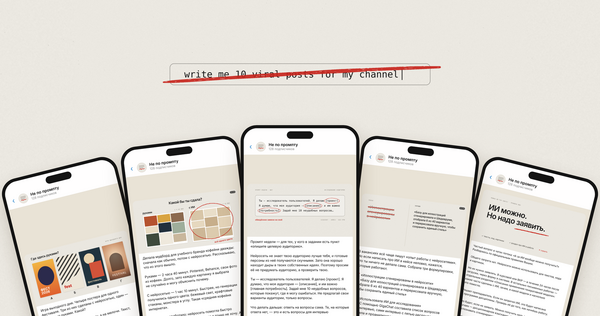
Cards 1–3
Cards 4–5
Pinned Post (6)
A resource about ways to help.
Assistance doesn’t always start with money. Sometimes, what’s needed is a free evening, a professional skill, knowledge, or an item that can find a new purpose.
We talk about how volunteering works—where different forms of participation are needed and what changes happen because of the work of volunteers.
Here you will find concrete tasks, instructions, human stories, and the results of collaborative efforts.
You can start with what you already have.
Guidelines Before Applying (7)
How do you know if a volunteer task is right for you?
An interesting task doesn’t automatically mean you should take it on. Before applying, it is helpful to clarify a few things.
Time. How many hours will the work require, and when is the result needed?
Skills. Are your current skills sufficient, or will additional preparation be needed?
Scope. What exactly needs to be done? A single mockup is a different task than developing a full brand identity.
Communication. Who will answer questions and approve the final deliverable?
If the announcement does not provide answers, you can ask the coordinator. Clear agreements help both the volunteer and the organization avoid unnecessary work.
The assistance should be manageable—otherwise, even good intentions risk remaining unfulfilled.