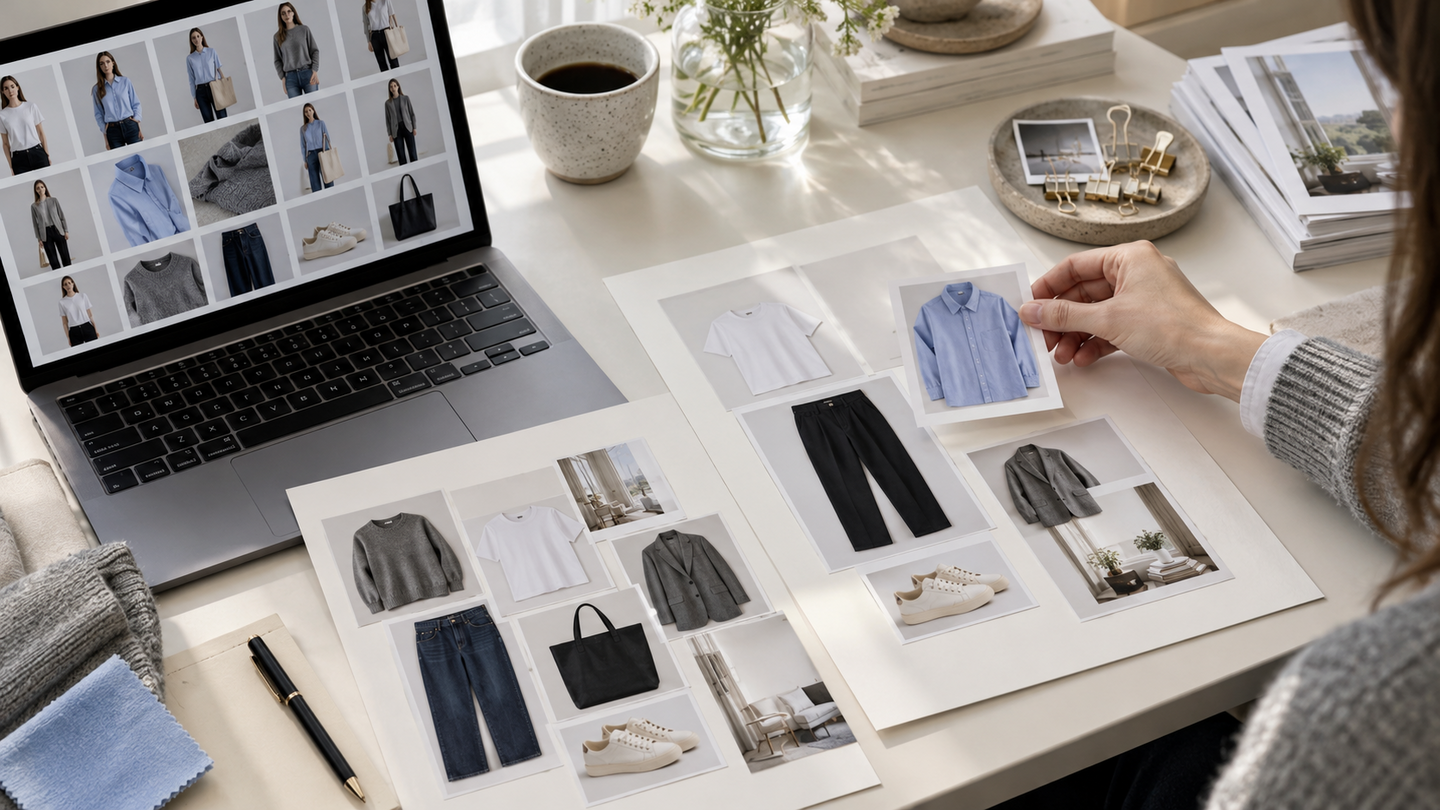
«SNOVA» helps discover unexpected combinations of familiar items and select clothing based on your actual daily plans.
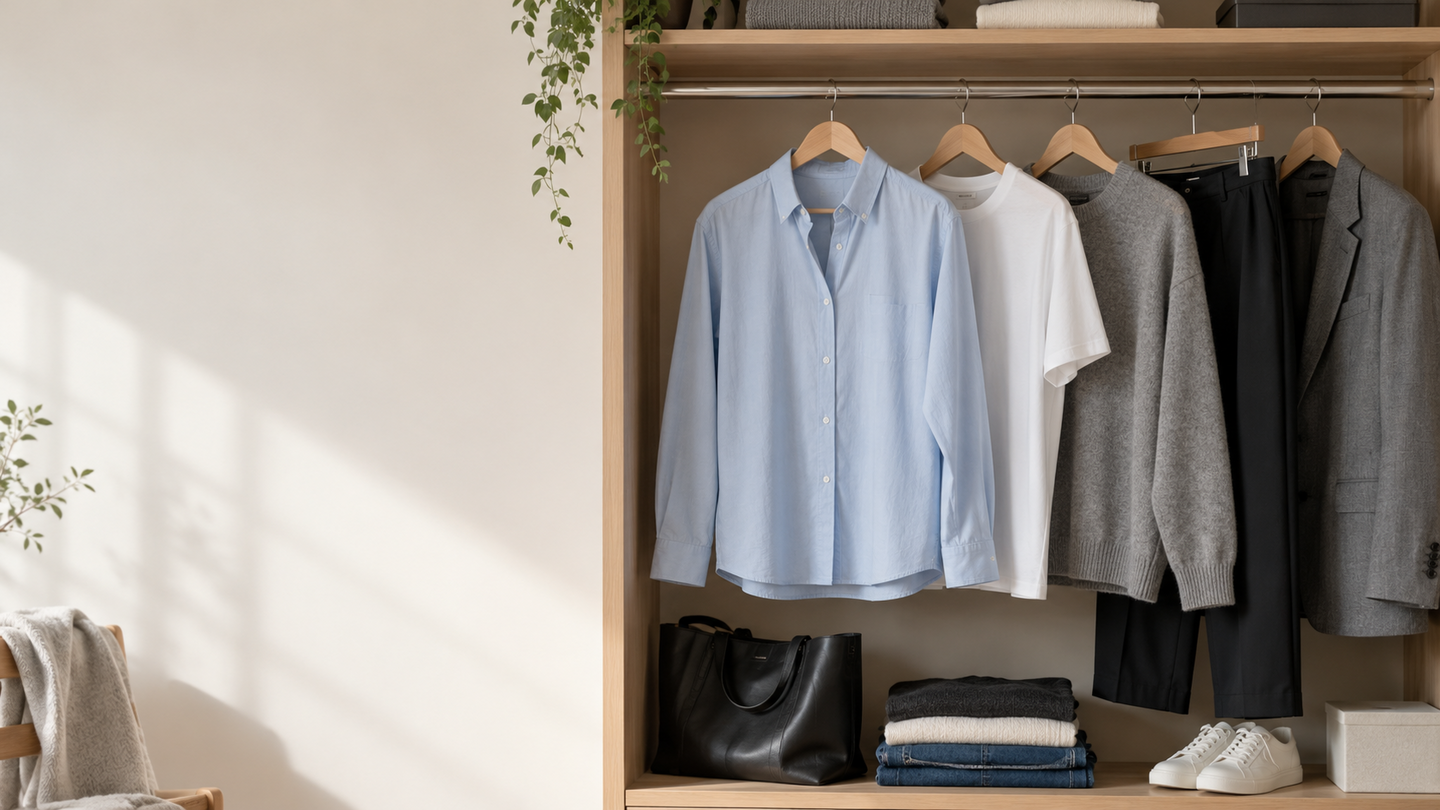
The starting point for every feature is a specific scenario: studying, working, taking a walk, meeting friends, or traveling. The editorial team shows how to put together a suitable ensemble using items you already have in your closet.
The name «SNOVA» relates to reusing clothes. A familiar item can be worn again, its context can be changed, and it can be seen in a new light.
The mission of the media is to help people better understand their wardrobe and use it with more confidence every day.
Studio Needs and Requirements
The primary audience is students and young professionals aged 18–30 who are interested in fashion but want to spend less time getting ready each day.
Typical Reader Scenarios:
There are many clothes, but the combinations constantly repeat themselves.
It’s difficult to choose an outfit in the morning for several different plans.
Some items look nice but are rarely worn.
It’s hard to translate the beautiful looks from social media into one’s own life.
They want to experiment with clothing within their budget.
Platforms and Formats
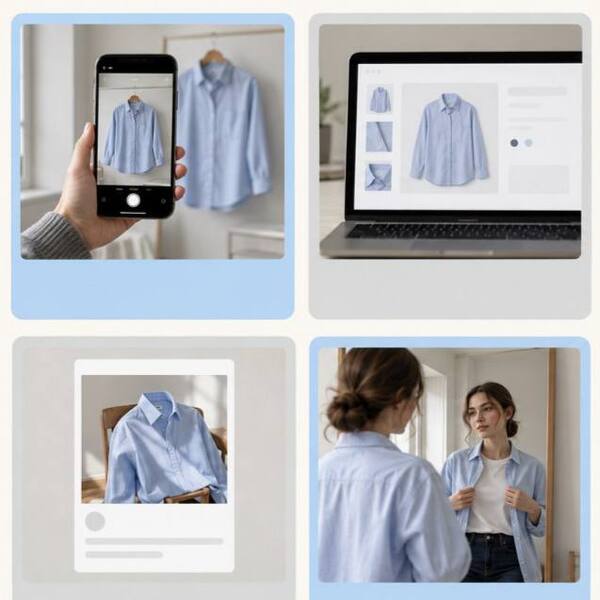
community on «VKontakte.» It features curated thematic collections and text cards.
Key Formats:
A short post featuring a single applicable idea.
A selection of several combinations featuring one item.
Text cards detailing a sequence of actions.
An outfit breakdown for a specific daily scenario.
A poll or assignment for readers.
Text materials have been prepared for the pilot issue. These can be published independently or supplemented with photographs from the editorial wardrobe.
Topics, Frequency, and the Role of AI
Media Sections:
«One Thing» — several ways to style a single piece of clothing.«Daily Plans» — outfit ideas for specific activities and transitions.«Pairs Well With» — working with color, layering, and details.«Back in Action» — bringing back items that have been unused for a long time.«Let’s Try It Together» — polls and assignments for the audience.Frequency — 12 main posts per month. A total of 72 pieces are planned over six months.
Each month includes four thematic blocks. Within each block, you will find practical materials, example pairings, and a publication featuring the community. AI helps classify items, suggest combinations, and prepare text drafts. The editor selects the concepts, verifies the recommendations, and approves the publications. The tone of communication is calm, friendly, and specific. The media considers the reader’s convenience, taste, and daily circumstances.
Thematic Plan
Month 1. Getting to Know Your Wardrobe
The goal is to help the reader identify which items they truly use and what combinations are already available.
Thematic modules:
Five items that most frequently make it into everyday outfits.
One shirt for multiple occasions.
Clothes you like but that stay in the closet.
A photo journal of your own outfits.
Material examples: a wardrobe breakdown guide, three outfits using a single shirt, a survey on morning dressing challenges.Month 2. New Combinations with Familiar PiecesThe goal is to demonstrate how to change the impression of an outfit through minor adjustments.
Thematic modules:
One pair of jeans and three different moods.
Altering an outfit using a layering piece.
Repeating a color in several details.
A familiar look with one simple swap.
Material examples: a collection of outfits, color theory cards, an assignment to re-create a familiar outfit with different footwear.
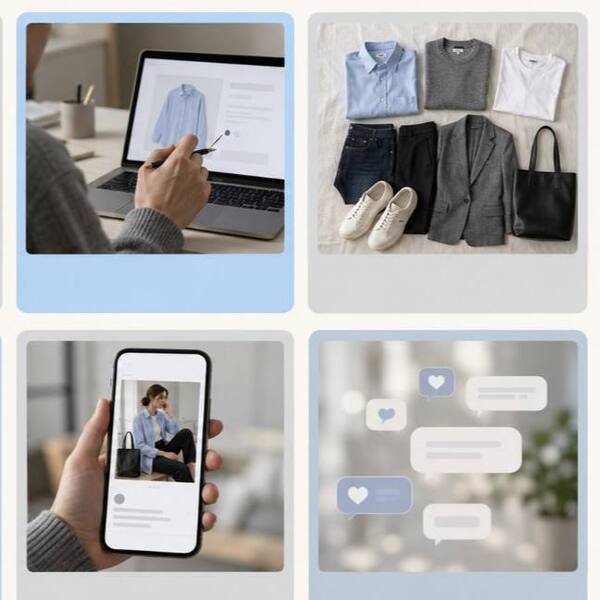
Month 3. Weather and Daily Comfort
The goal is to connect clothing choices with temperature, precipitation, and time spent outdoors.
Thematic Modules:
A cool morning transitioning to a warmer day.
An outfit prepared for potential rain.
Attire for a day involving long walks.
Layering options that are easy to remove.
Material examples: analyzing a hypothetical forecast, a checklist before going out, and a survey on personal comfort levels.
Month 4. Clothing for Real-Life Plans
The goal is to demonstrate how one outfit functions throughout a busy day.
Thematic Modules:
Classes followed by an evening meeting.
Work followed by a walk.
A day with a presentation or public speaking engagement.
A free day with several stops.
Material examples: ready-made styling scenarios, a collection of minor adjustments for the evening, and reader-selected outfits.
Month 5. Small Wardrobe Assembly
The objective is to learn how to assemble several outfits from a limited wardrobe.
Thematic modules:
Packing for a short trip.
Multiple days using only one pair of shoes.
Repurposing a shirt, t-shirt, and sweater.
Checking items before packing.
Material examples: packing list, four combinations from a small selection, and an assignment to create your own mini-capsule.Month 6. Personal Habits and Autonomous Selection
The goal is to help the reader formulate their own working routines.
Thematic modules:
Which combinations you want to repeat.
Which items have returned to daily use.
How to maintain successful outfits.
A personal guide for morning dressing.
Material examples: a wardrobe note template, a collection of reader solutions, and a final one-week experiment.
Content Sample
Section: «Back in Action»
Format: Text Post
Five Things to Start With
Open your closet and pick five items you wear most often. These could be jeans, a t-shirt, a shirt, a sweater, and comfortable shoes. The composition of your set is up to you. Lay the items out so you can see them all at once. Then, add one item you haven’t used in a long time. Try to create two complete outfits with it. In the first outfit, keep your usual combination and replace only one item. For the second, try a different top or pair of shoes. Take a photo of the look you feel like wearing to go out. Now you have a ready-made idea for the next morning.
Which item will you start with?
Content Sample #2
«One Thing»
Format: Text Post
One shirt, three ways
A familiar shirt can be styled in various ways depending on your plans.
For class: wear it over a T-shirt, pair it with jeans and comfortable shoes. You’ll have an outfit where you can easily remove your outer layer indoors.
For a meeting: button up the shirt, pair it with straight-leg trousers and the shoes you typically choose for a more polished look.
For a walk: try wearing the shirt under a sweater. Leave the collar or sleeve cuffs visible if you like that effect.
First, try all the looks in front of the mirror: is it comfortable to move, sit, and raise your arms?
What role will your shirt play today?
Content Sample #3
Category: «Daily Plans»
Format: Text Post
Classes in the morning, exhibition in the evening
If you want to head straight to an exhibition after class, you can assemble a full-day outfit in advance.
Try a combination featuring a T-shirt, straight-leg trousers, a shirt, and comfortable shoes. You can wear the shirt unbuttoned in the morning and button it up and tuck it in slightly for the evening.
Pack a small accessory you love—a scarf, a belt, or jewelry—in your bag. It will help transform your standard outfit after class.
Choose your outerwear based on the weather forecast and how much time you plan to spend outdoors.
Before heading out, check your bag: will there be room for the layer you might want to take off indoors?
Content Sample No. 4
«One Thing»
Format: Three text cards
The same jeans. Three combinations. Card 1. A Relaxed Day Jeans, a T-shirt, sneakers, and a sweater. Choose a combination that feels familiar and comfortable. You can adjust it with a single color accent from your wardrobe. Card 2. A More Polished Look Keep the jeans and add a shirt. Try a different way to tuck it in or roll up the sleeves. See how these changes affect the overall impression. Card 3. An Evening Out Pair the jeans with a solid top and a blazer, if you have one. Add your favorite detail. Choose your shoes based on the route and the length of the event. Post Caption Swap the items in the examples with similar function items from your own wardrobe. Which option is closest to your plans?
Content Sample #5