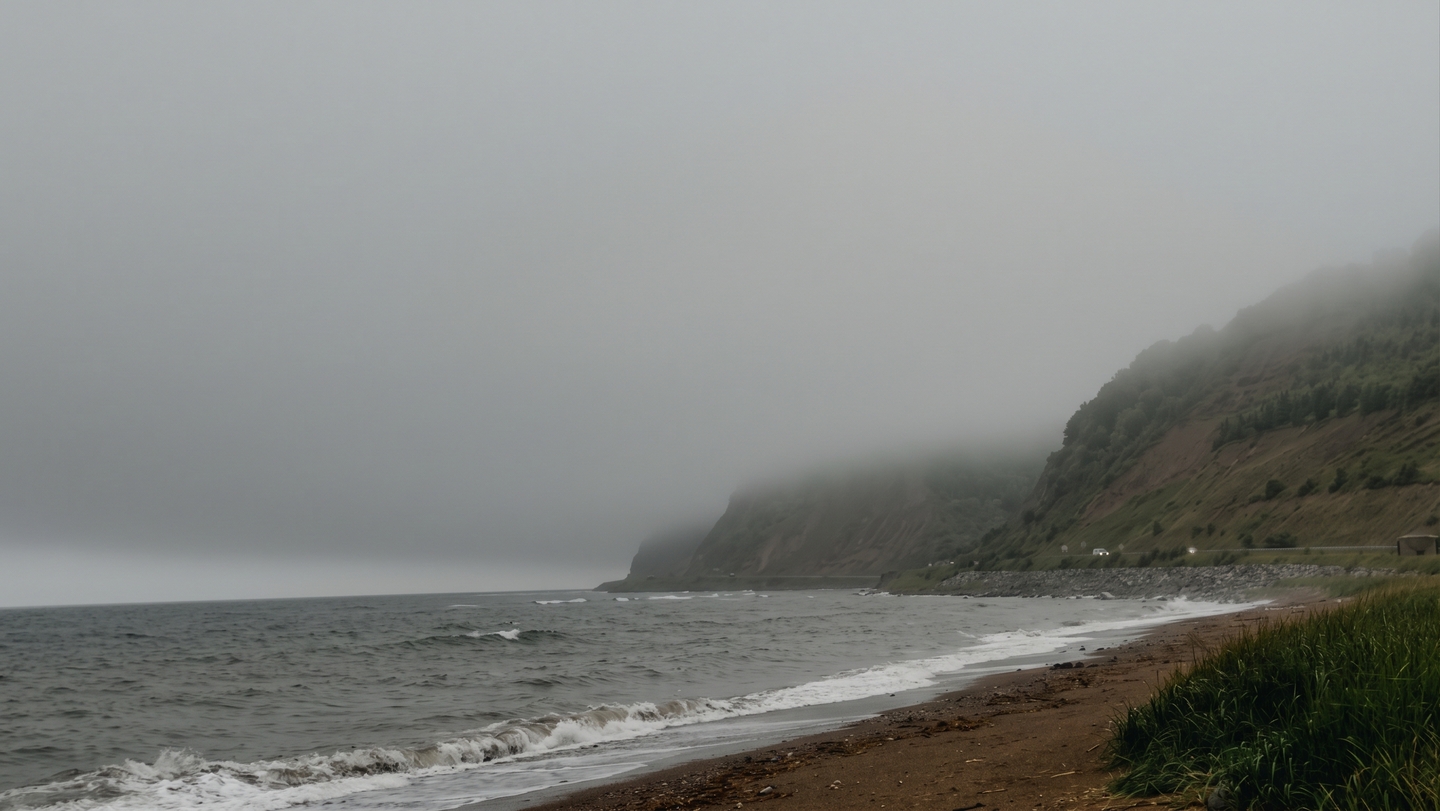
What?
The project concept is to create a Russian-style hotel near Lake Mereya, close to the city of Korsakov. It will become a point of attraction and a significant landmark for the region due to its proximity to the monument commemorating the Japanese landing and sites related to important events in the development of the Far East. The chosen style for the architecture and interiors will emphasize the historical Russian identity of the territory and create a visual contrast with the Japanese heritage. This will strengthen the regional Russian identity and ensure sustained visitor interest.
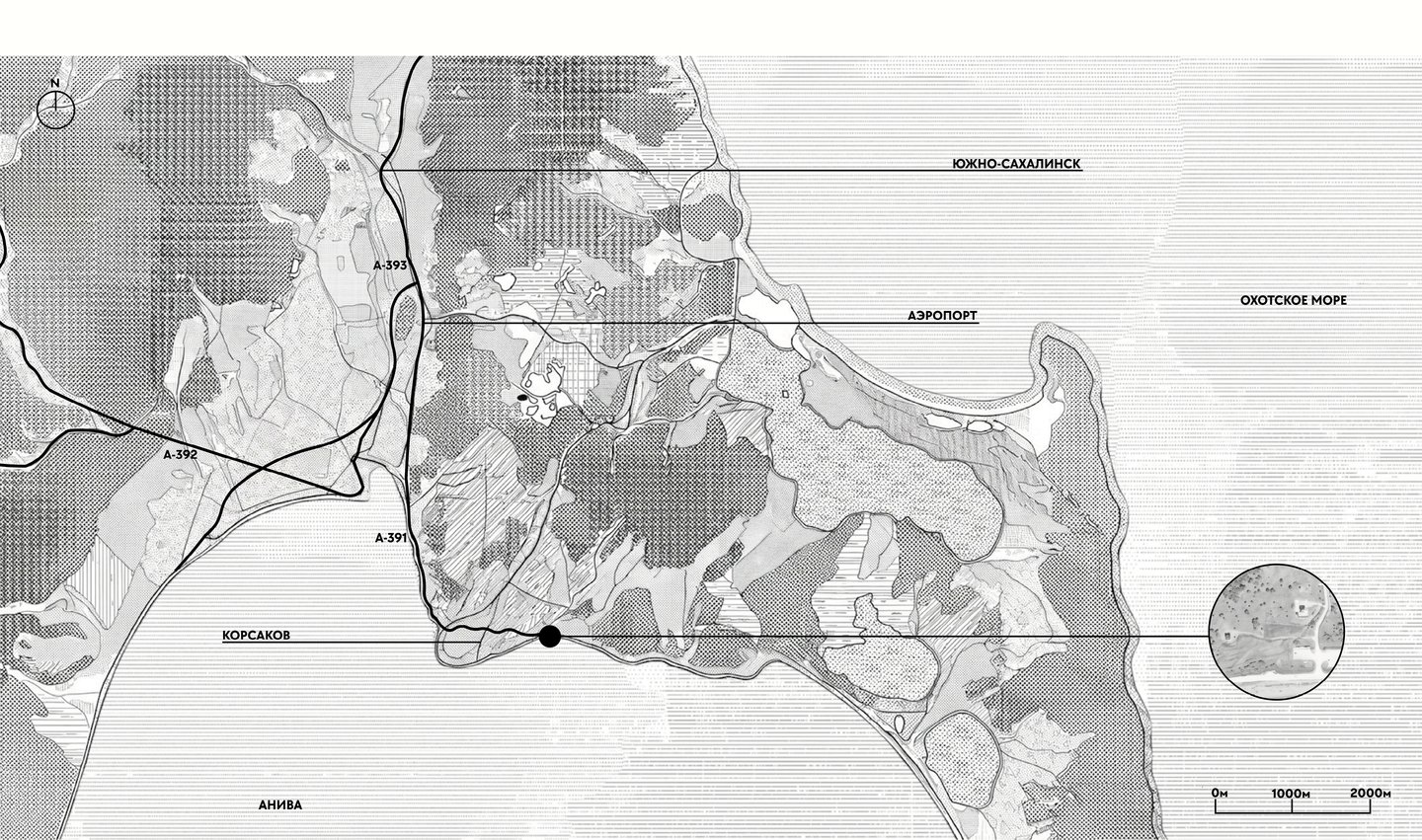
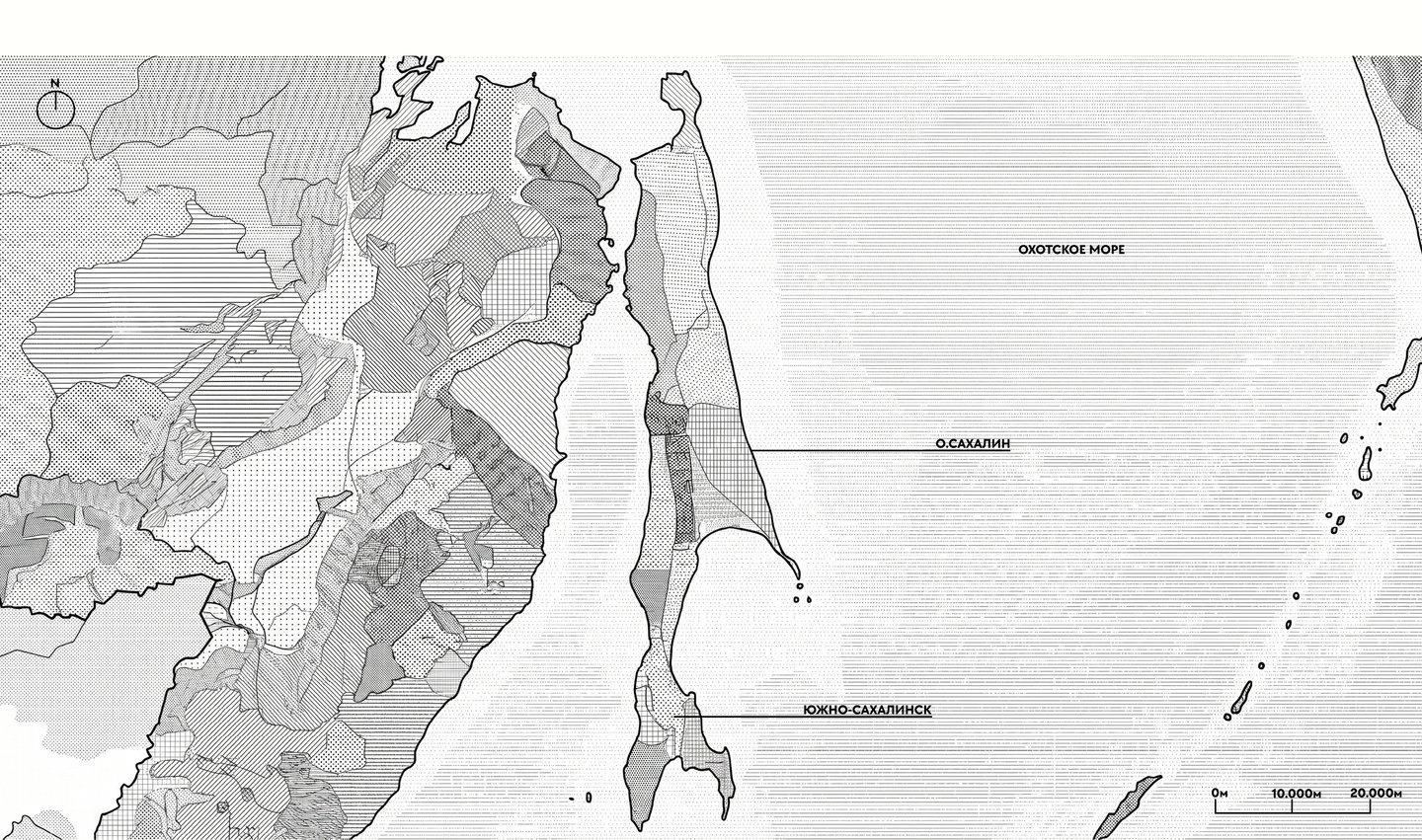
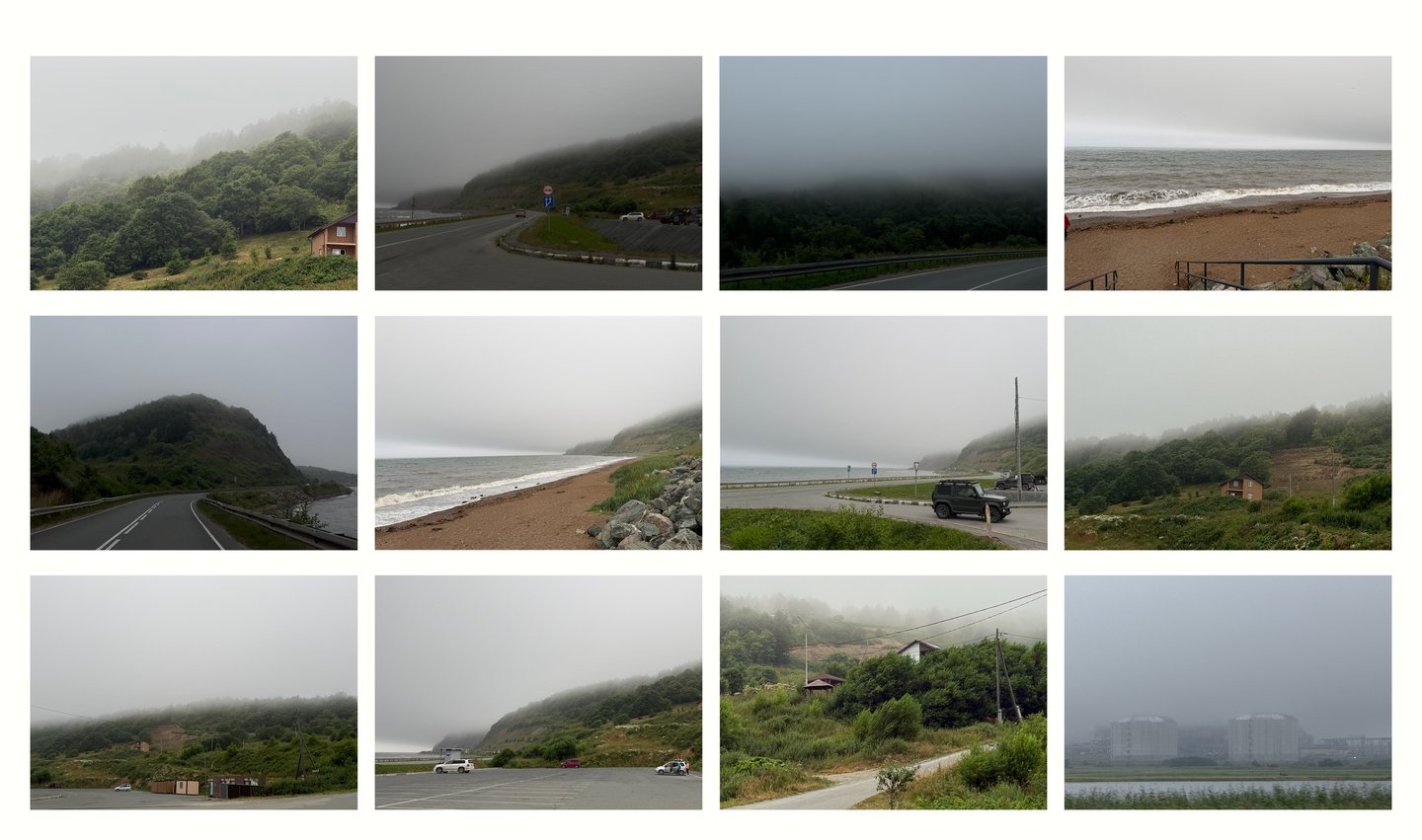
Historical Context
- Ainu, 19th Century: There is a legend associated with Mereya Lake, where historical events intertwine with the tales of the Ainu—the indigenous people of Sakhalin. According to the legend, an Ainu girl named Mereya met a Dutch sailor and fell in love with him. After his departure, she would come to the embankment of Aniv Gulf every day, gazing into the distance, hoping to see the sail of her beloved on the horizon.
2. Dutch Fluyt, Mid-17th Century: The Mereya Valley is closely connected to important events in the history of Eastern Far East exploration. In July 1643, a Dutch expedition led by Martin de Vries reached the shores of Sakhalin. This journey was one of the earliest documented stages of the island’s exploration by Europeans.
3. Katorga (Forced Labor), 1891: The Mereya Valley and the surroundings of Korsakov are linked to the history of the Sakhalin katorga in the late 19th century. In 1891, the katorga settlement of Mereya arose on the site of an Ainu village, which housed a brickworks belonging to the Korsakov prison. The laborers' work was used for household and construction tasks, and the katorga itself was part of the Russian Empire’s system of developing the island.
4. Landing of Japanese Troops in Aniva Gulf, 1905: In 1905, Japanese troops landed on the coast of Aniva Gulf between the settlements of Mereya and Savina Pad, beginning the occupation of Southern Sakhalin. Russian detachments attempted to hold off the advance, but the forces were unequal, and soon the Korsakov outpost fell under Japanese control. Following the Treaty of Portsmouth in 1905, Southern Sakhalin transferred to Japan.
5. Stele Commemorating the Landing of the Japanese Detachment in Mereya Valley, 1926: On August 14, 1926, during the period of Japanese administration of Southern Sakhalin, a monument was solemnly unveiled in the Mereya Valley to commemorate the 1905 landing of the detachment. The monument was titled «Karafuto Ensei Gun Jōriku Kin’enhi.» The monument symbolized the military campaign through which Japan established control over the southern part of the island.
Why?
The relevance of this project stems from several factors: the growing demand among Russians for Far Eastern destinations has increased by 22%, and the inflow of foreign tourism alone has surged by 90% in the first months of 2026. Furthermore, the strategic development of the Far Eastern territories is a government priority, alongside the strengthening of Russian identity on these frontiers and the region’s unique natural and historical landscape. The project’s value lies in its potential to use Russian architectural and interior design styles to underscore the region’s historical connection to Russia. This will create a visual contrast with the Japanese heritage, thereby reinforcing the region’s Russian identity and ensuring sustained visitor interest. The historical basis draws upon a rich cultural layer, including the legend of the Ainu girl Merey, Martin de Fries’s expedition in 1643, the history of the Sakhalin penal colony (the brick factory established in 1891), the landing of Japanese troops in 1905, and the erection of a stele in 1926. The area’s current challenges include infrastructure deficits amid high visitor numbers, unorganized tourist flows, a shortage of quality accommodation for specialists, and the lack of adequate conditions for workers utilizing rotational work schedules. The solution is to create a focal point that strengthens Russian identity and provides a solid historical foundation.








What should the final result look like?
Break down the solution into clear steps and implementation phases.
Show the path from start to finish in a logical sequence.
The more visual the process, the lower the barrier to decision-making.








How?
Define exactly how the audience can continue their work after the presentation.
Eliminate ambiguity—show the steps, format, and entry point.
The user must understand what to do next and how accessible it is to them.









Thesis Work Plan
Capture the core value proposition in a concise and memorable statement.
Connect the conclusion back to the initial motivation from the «Why» section.
The final screen must retain the central meaning while gently guiding the user toward continued engagement.