Путь левел-дизайнера: от анализа игр до прототипа игрового уровня шутера в Unreal Engine 5
A Practical Guide to Platformer Level Design: From Analyzing Existing Levels to Implementing Your Own Ideas in Unreal Engine 5.
What will this course cover?
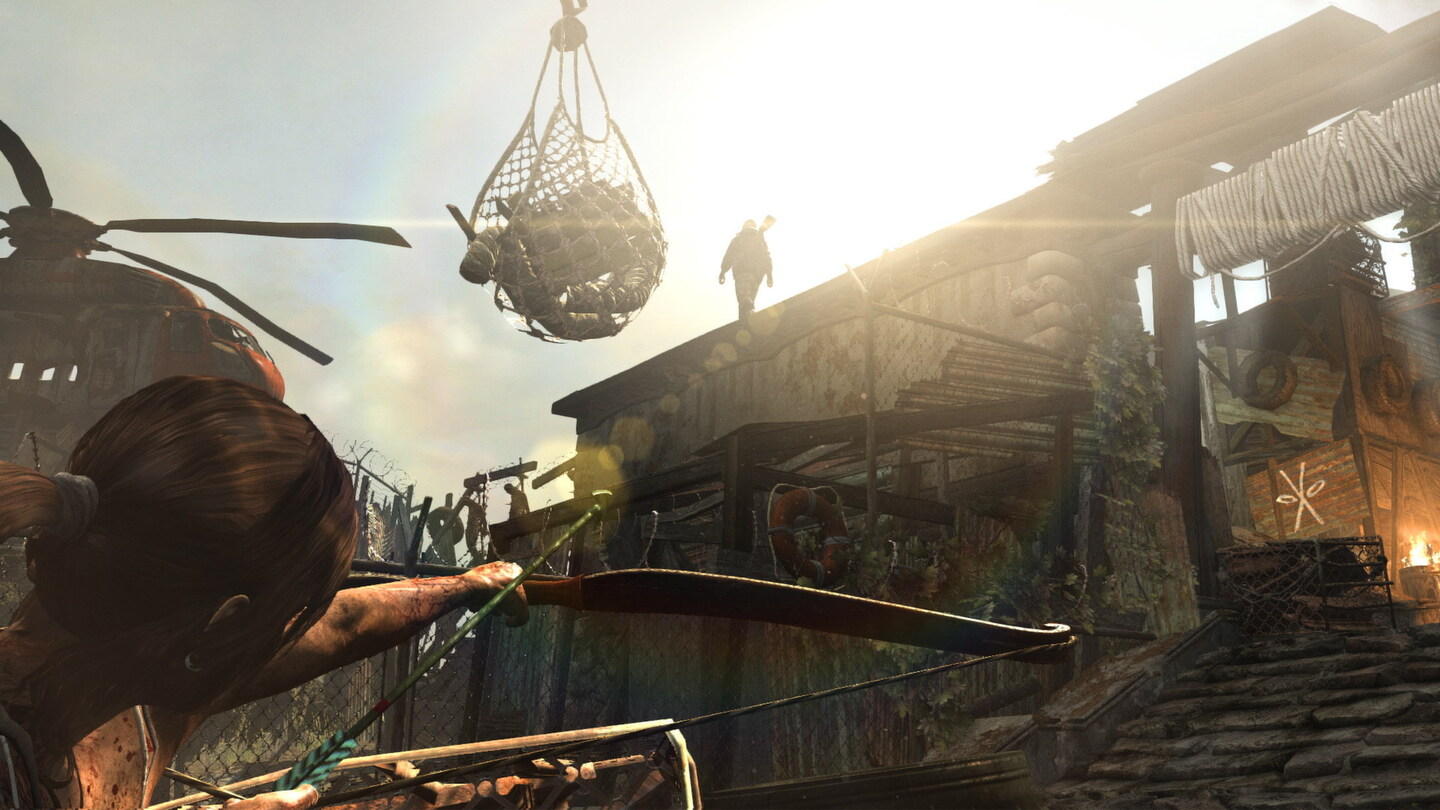
What is the essence of a shooter? The player avatar? The guns? The objectives? The explosions? On their own, none of these guarantee an interesting experience. In a computer-versus-player game, the exchange of bullets is fun at first, but the advantage goes to the one who shoots first or shoots harder. A numerical advantage eventually becomes monotonous. Another path is tactics and clever maneuvers: these allow players to conserve resources, catch the enemy off guard, and feel a sense of dominance. These possibilities are unlocked by the level—its geometry and mechanics.
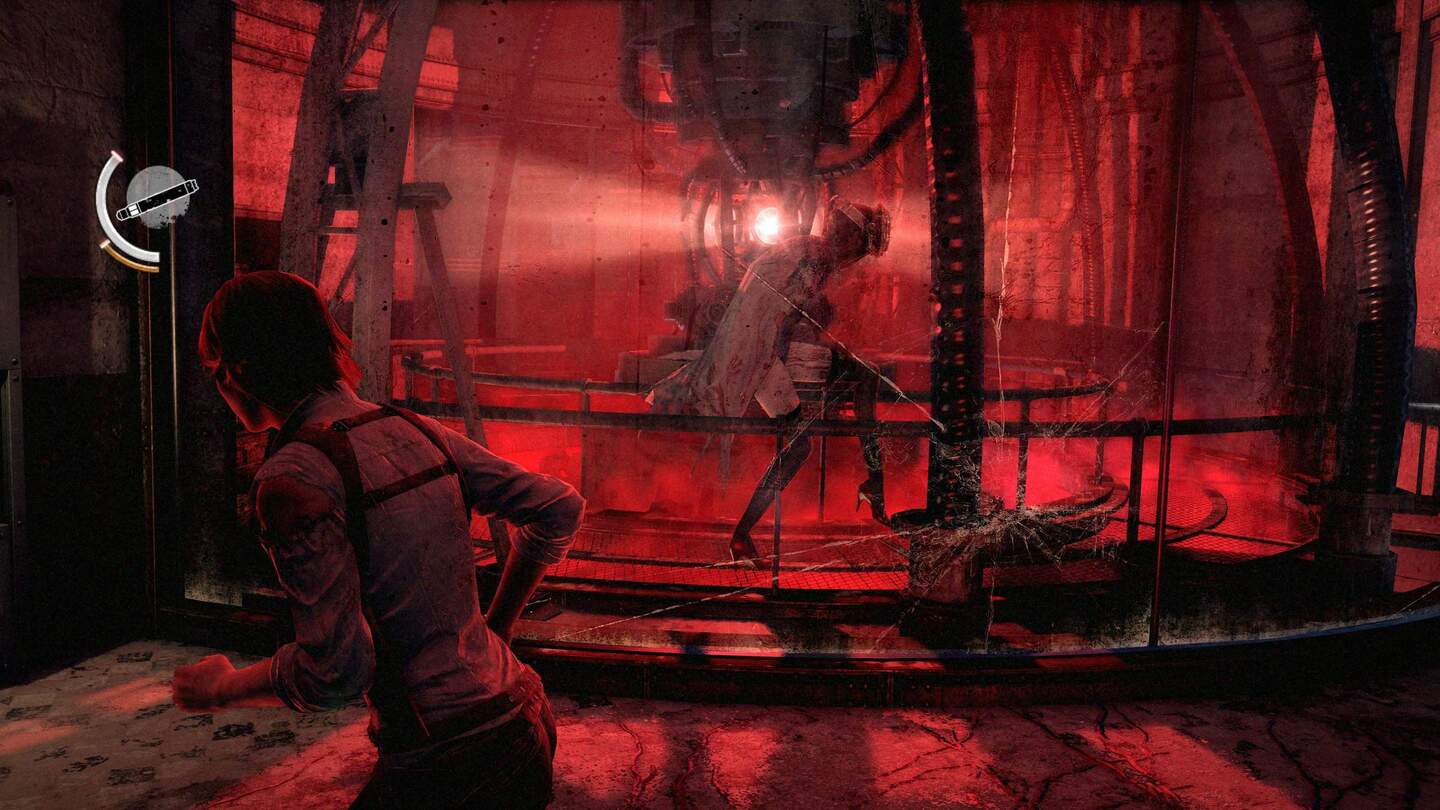
Even a perfectly tuned character will become tiresome if there is nothing to interact with in the level. You can simply kill an enemy with a shot, but it is more engaging to attract them with a shot through glass—the opponent will go check where the sound came from. You can attack from behind or walk past unnoticed. The level allows the player to maneuver, scheme, and manipulate objects, much like in the video game series The Evil Within. However, without character customization, it is impossible to plan the scope of the space: whether they can jump, how fast they move, whether they can withstand a horde of enemies, or if direct combat is unsuitable for them, and what type of camera is used. These parameters set the context of the level even before it is implemented—the size of the location, alternative routes, the number of cover points, and the openness or closed nature of the layout. Therefore, the game space, alongside the character, weapons, and objectives, plays a fundamental role in the shooter.
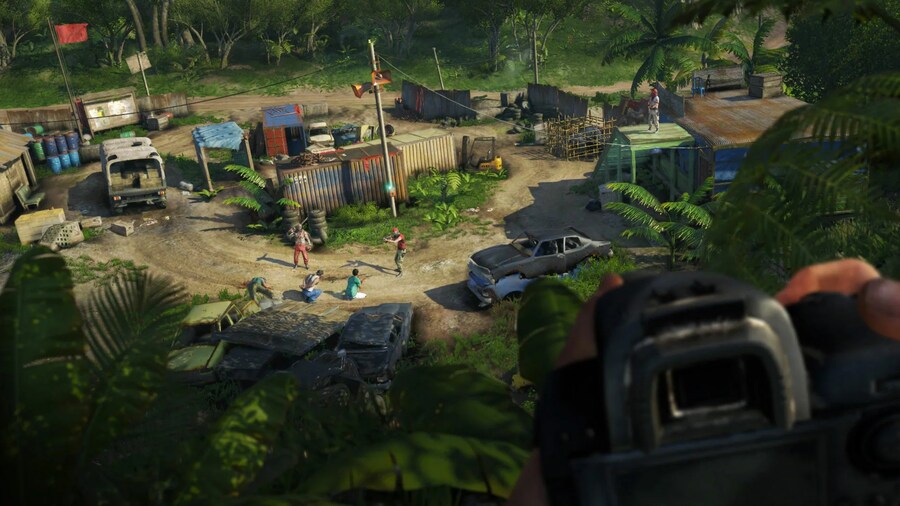
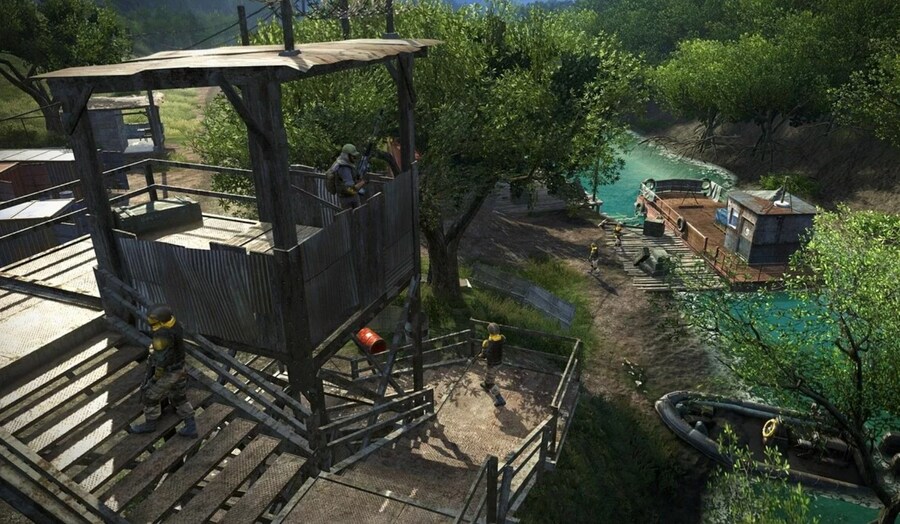
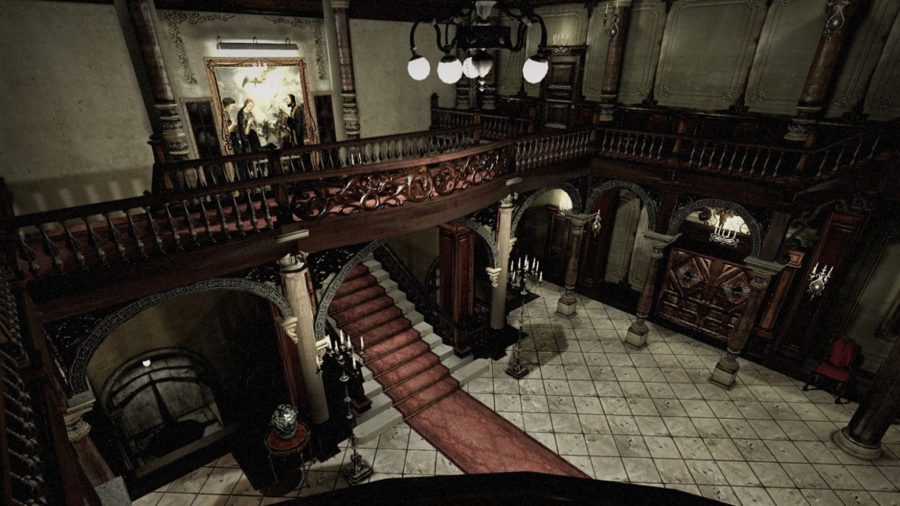
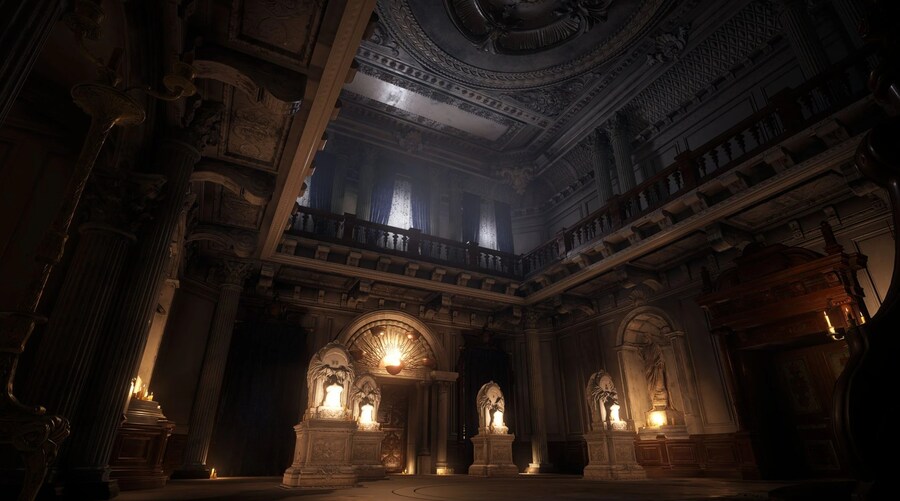
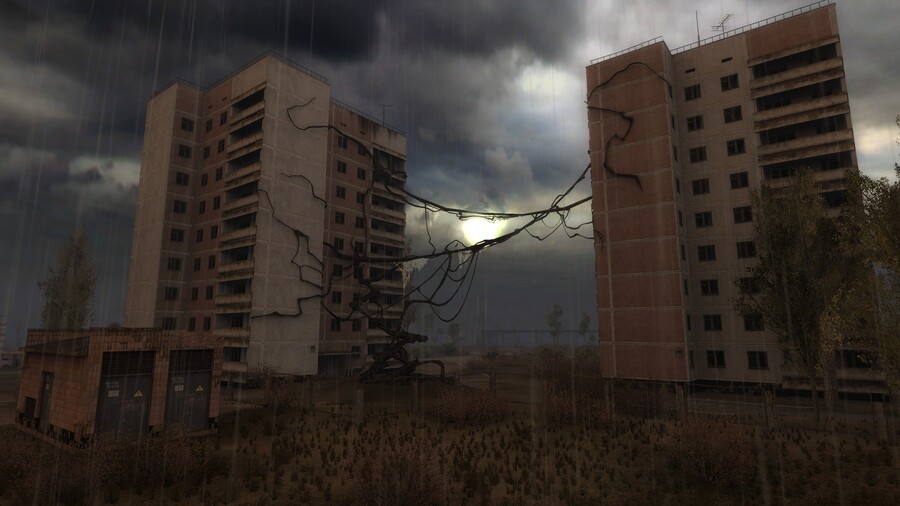
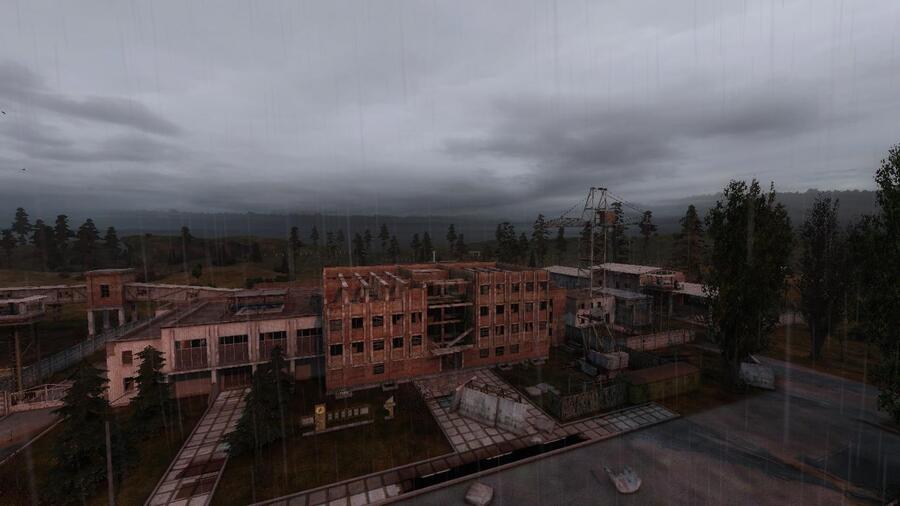
Attendees analyze the levels of various shooters—from classic titles to modern indie projects, from bumper shooters to top-down shooters—breaking them down into constituent parts: player and opponent routes, navigation, geometric alterations, metrics, cover, composition, light, and color. Before launching the engine, they master rapid prototyping «on paper»: layout, beat plan, bubble charts, and metric schematics. They then transfer their concepts into Unreal Engine 5 and learn blockout tools, including Geometry Brushes, Modeling Mode, Landscape Mode, Static Mesh Actors, as well as creating character and camera templates using Character Blueprints.
The culmination of this course will be a game level prototype for a shooter, developed in Unreal Engine 5.
Who is this course for?
This course is ideal for aspiring game developers who want to learn about the role of a level designer and acquire the necessary tools and approaches for creating platformer game environments.
Course duration: 8 weeks.
Total contact hours:
32 academic hours.
Classes are conducted online.
Course Prerequisites
Ideally, you should have basic competencies in graphic design or be prepared to acquire them concurrently with the course.
Completion of the two preceding courses—"Design and Animation of a Shooter Game Character» and «Implementing a Shooter Game Character in Unreal Engine 5"—or possession of your own configured game character in Unreal Engine 5.
Prior experience playing video games, particularly in the shooter genre, is also beneficial.
What will students learn in this course?
— Deconstruct existing game levels and identify their structure—player paths, navigation, landscape geometry—and their influence on player behavior;
— Define character metrics and abilities as the basis for design;
— Design level layouts based on metrics, space, and mechanics;
— Assemble a prototype of the game space tailored to the game camera and character parameters;
— Utilize geometry, lighting, and material tools to control player attention;
— Populate the level with finished environmental assets on top of the prototype.
What practical assignments will the course participants complete?
— Presentation / Report — Visual analysis using screenshots, diagrams, and route mapping to examine how player paths, navigation, and landscape geometry influence player behavior, using featured platformers as an example;
— Practical Assignment — Measuring and calculating character metrics (jump height, running jump distance, run speed, firing range, enemy detection, cover height) within a prepared test scene;
— Metric-Based Level Schematics — Creating level blueprints with precise distances between cover, enemies, and objects.
— Presentation / Report — Visual analysis of how light and materials guide attention in the featured shooters;
— Project Presentation — A report detailing the completed work, including justifications for decisions made regarding asset placement, lighting, and composition.
Thematic Study Plan