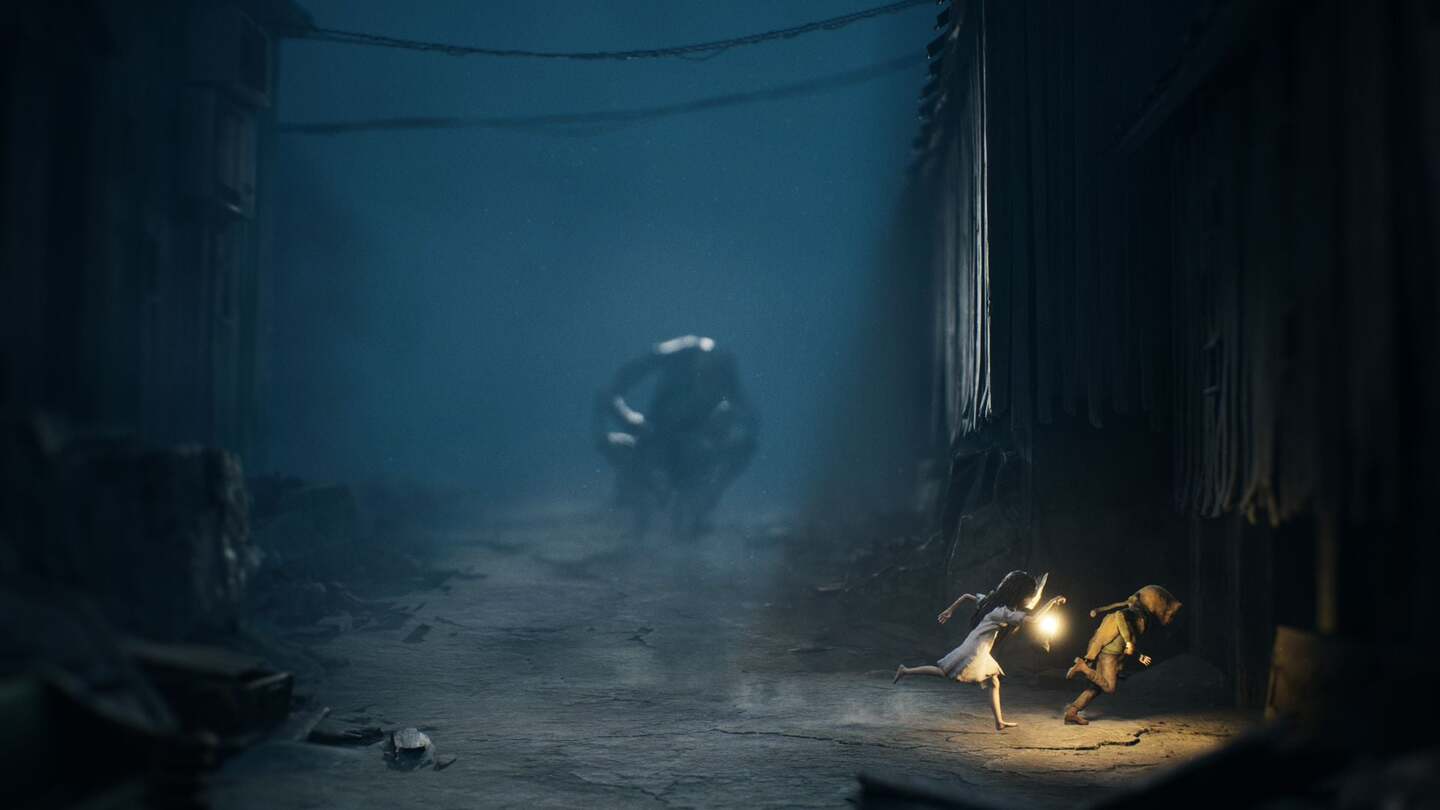
Путь левел-дизайнера: от анализа игр до прототипа платформера в Unreal Engine 5
A Practical Guide to Platformer Level Design: From Analyzing Existing Levels to Implementing Your Own Ideas in Unreal Engine 5.
What will this course cover?
A platformer level is not simply a collection of platforms placed on a stage. It is an entire system constructed according to specific metrics, where the primary unit of measurement is the player character. Everything is scaled against this unit: movement, mechanics, and level scope. The scale dictates the pacing and the difficulty of the playthrough. A sprawling location with long gaps establishes one type of movement rhythm—like sprinting as the supersonic hedgehog Sonic—while a densely packed location demands more precise actions from the player, similar to in the game Celeste.
Even a perfectly tuned character cannot be fully realized without a well-designed level: to truly experience the controls and mechanics, a technical proving ground is needed—an obstacle course that only our character can navigate using their specific abilities. The player must familiarize themselves with the challenge and understand at what moment to deploy a particular skill. However, the player may be alerted to this beforehand—based on how the level is visually constructed and how the platforms and objects are positioned according to the established metrics. Running speed, jump height, and in-air time only gain meaning when the level’s geometry is designed to support them. Conversely, errors in metrics and composition make a responsive character feel clumsy, and the playthrough feel unfair and frustrating. Therefore, both the level geometry and the environmental mechanics are equally crucial.
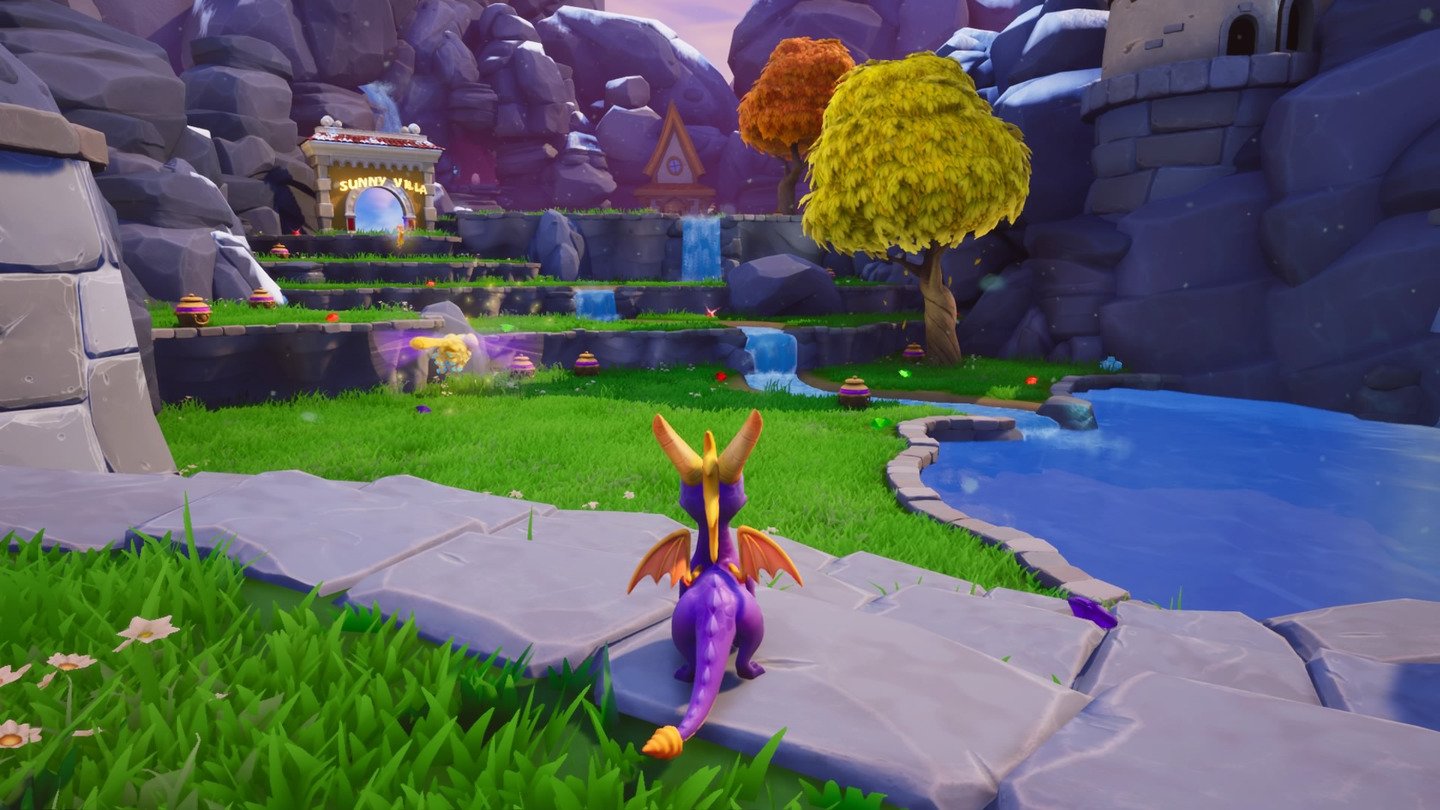
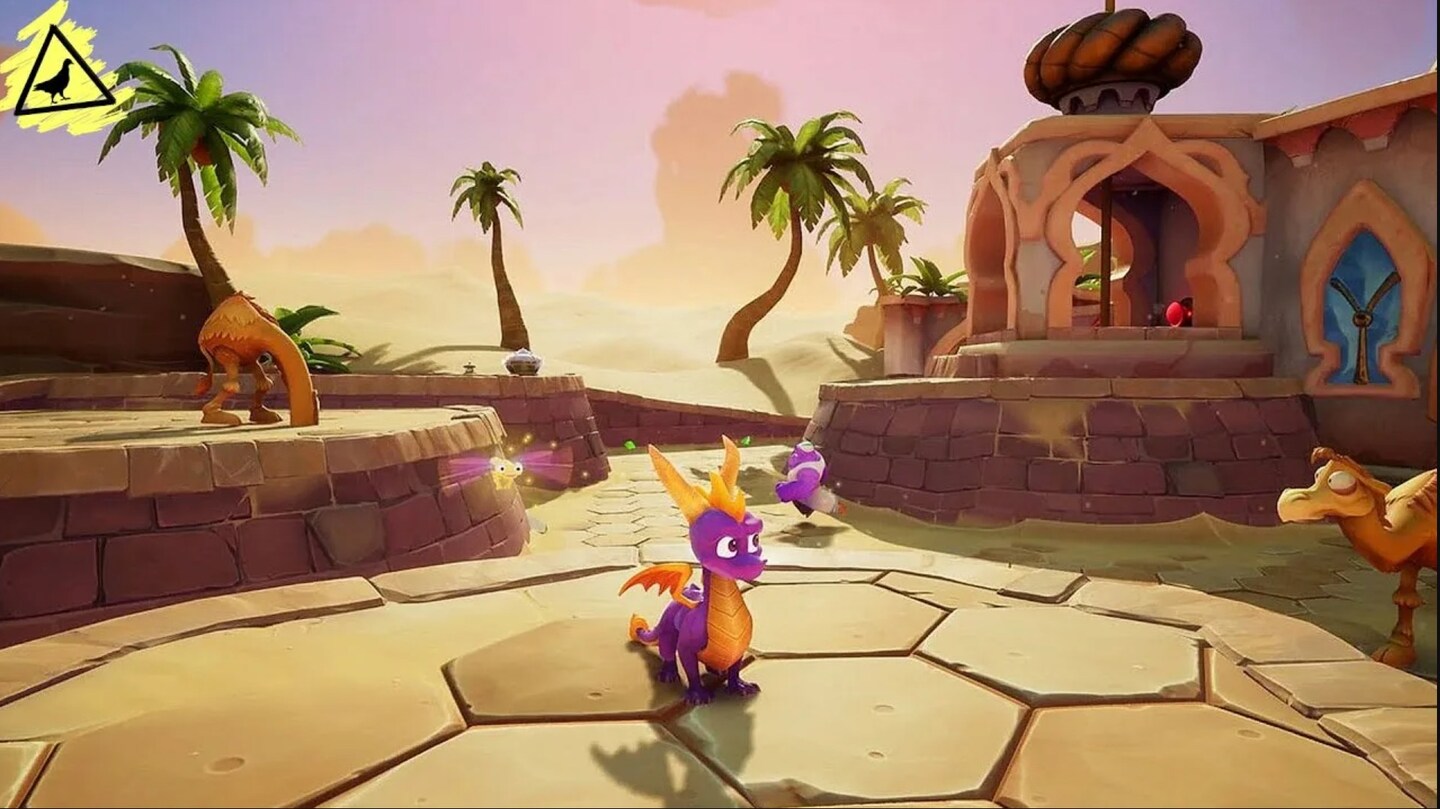
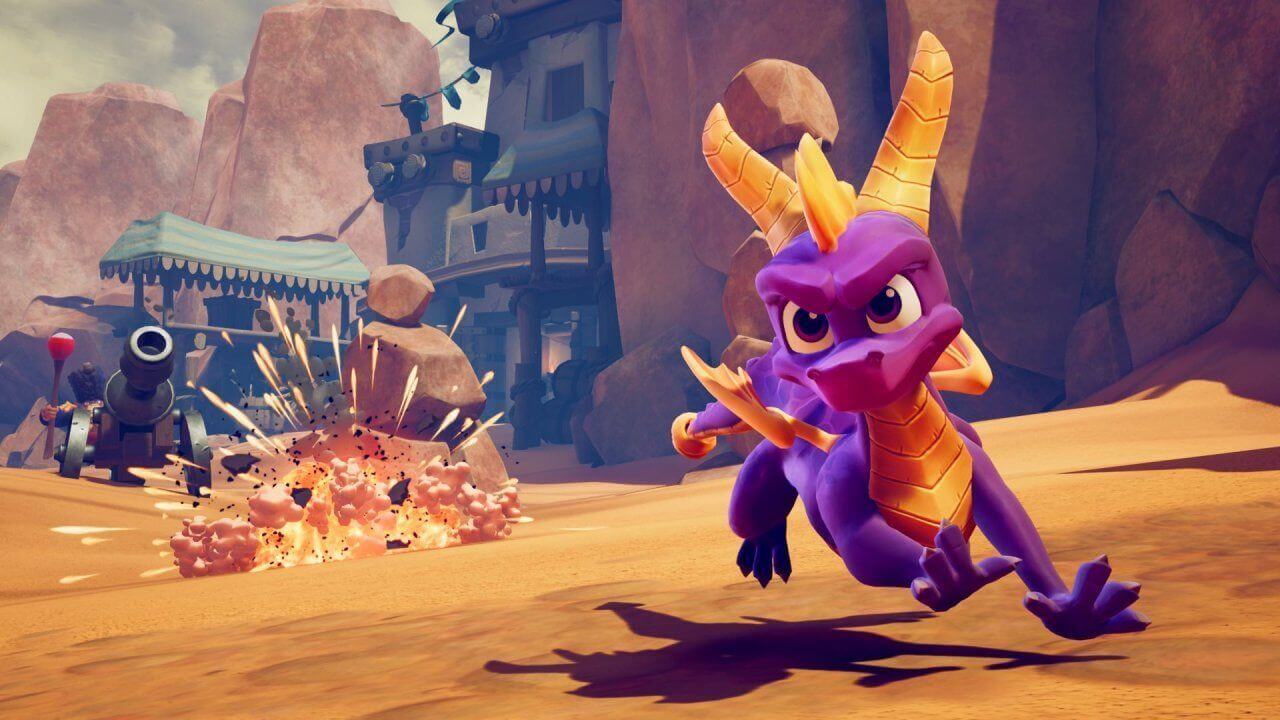
Students work with levels from real-world platformers—ranging from classics to contemporary indie projects—dissecting them into their constituent parts. The focus is on: the player path, navigation tools, level geometry manipulation, metrics, composition, and light, color, and contrast. Before launching the engine, students master rapid prototyping methods «on paper"—including layout, beat plan, bubble charts, and metric schematics. In the practical stage, students transfer their concepts into Unreal Engine 5 and learn the built-in level designer toolkit: blockout tools, Geometry Brushes, Modeling Mode, Landscape Mode, and Static Mesh Actors. They also set up the game character and camera using a Character Blueprint.
The culmination of the course work will be a prototype game level for a platformer, built in Unreal Engine 5, designed according to specific metrics and tailored to a particular character.